
 한국어
 English
 日本語
 中文(简体)
 Viewing now
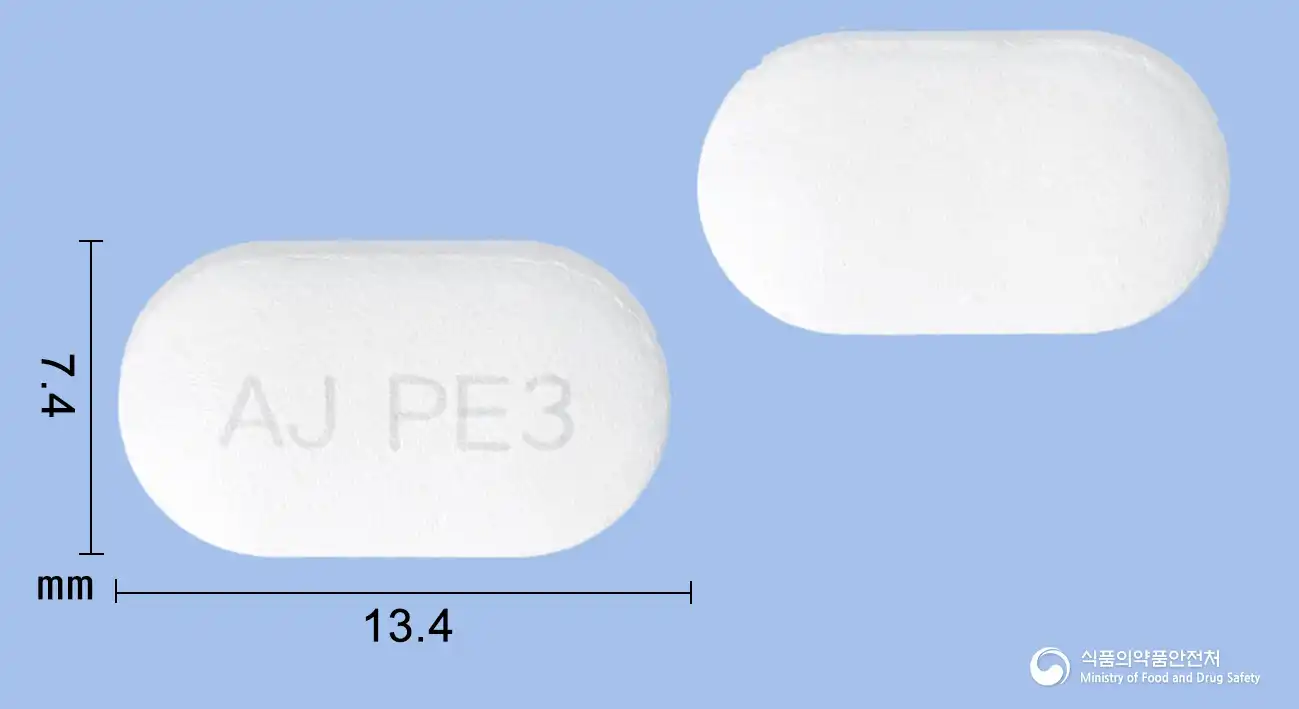
Panadex Tablet 300 Milligrams (Dexibuprofen)
Dexibuprofen 300mg
Tablet · OTC medication
Aju Pharmaceuticals Co., Ltd.
MFDS item code 201900962 · Notified 2019.02.15 · Insurance code 654005320
Relief of pain, swelling, and inflammation after trauma or surgery; joint disorders; and symptoms of infection
This medication is used for joint-related diseases such as chronic polyarthritis, rheumatoid arthritis, arthralgia, and ankylosing spondylitis. It is also effective in alleviating pain and swelling due to trauma or postoperative conditions, as well as inflammation. Furthermore, it aids in the treatment of infections accompanied by inflammation and pain, as well as fever. In short, this drug helps improve various inflammatory and painful conditions.
Adults: Administer 300 mg of dexibuprofen per dose orally 2~4 times daily (take). However, do not exceed 1,200 mg of dexibuprofen per day.
This medication may cause serious side effects like gastrointestinal bleeding in individuals who regularly consume more than three alcoholic beverages a day, thus it is essential to consult with a doctor or pharmacist. Non-steroidal anti-inflammatory drugs (NSAIDs) like this one carry risks of cardiovascular issues, including serious conditions such as myocardial infarction or stroke. Those with cardiovascular diseases or risk factors need to be particularly cautious when taking this medication and should inform healthcare personnel immediately if symptoms appear. Additionally, this medication may increase the risk of gastrointestinal bleeding, ulcers, or perforations, and elderly patients may experience more severe gastrointestinal side effects, thus caution is advised. If gastrointestinal symptoms occur, immediate medical attention is necessary, and in severe cases, discontinuation of the medication may be required. Individuals with a history of gastrointestinal ulcers, bleeding, severe liver, kidney, or heart diseases, allergies to this medication or lactose, and those with a history of asthma should not take this medication. Pregnant women who are more than six months along should avoid using this medication as it may pose risks to the fetus. During treatment, it is best not to take aspirin or other non-steroidal anti-inflammatory drugs simultaneously as this can increase the risk of side effects. Special caution is needed if taking high doses of methotrexate, as this may significantly increase toxicity. During usage, breastfeeding should be avoided; dizziness or fatigue may occur, so caution is required when driving or operating machinery. Long-term high-dose use may lead to headaches, and if symptoms occur, consultation with healthcare personnel is recommended. Those with blood disorders, liver or kidney diseases, hypertension, heart failure, the elderly, and those with a history of allergies should consult a doctor or pharmacist before taking this medication. Additionally, this drug may interact with several medications, so it is essential to inform about any current medications being taken. If symptoms such as shock, severe skin rash, difficulty breathing, blood abnormalities, liver dysfunction, or worsening kidney function occur during the use of this medication, it should be stopped immediately and healthcare personnel should be consulted. This medication should be used at the minimum effective dose for the shortest duration possible, with regular monitoring for adverse reactions. Especially after 20 weeks of pregnancy, this drug may affect fetal kidney function; hence it should only be used if necessary, with monitoring of the amniotic fluid status. In cases of overdose, immediate hospital treatment is required and it should be stored in a cool, dry place out of reach of children.
Gastrointestinal bleeding, serious cardiovascular thrombotic reactions, myocardial infarction, stroke, bleeding from the stomach or intestines, ulcers, perforation, dyspepsia, abdominal distension, heartburn, upper abdominal pain, diarrhea, constipation, loss of appetite, nausea, vomiting, abdominal pain, gastric discomfort, esophagitis, esophageal stricture, exacerbation of diverticulitis, nonspecific hemorrhagic colitis, ulcerative colitis, Crohn's disease, peptic ulcer gastrointestinal bleeding, perforation, bloody stools, gastritis, pancreatitis, thirst, stomatitis, erythema multiforme, systemic lupus erythematosus, hair loss, angioedema, Stevens-Johnson syndrome, toxic epidermal necrolysis, eosinophilia, drug rash, acute generalized exanthematous pustulosis, rash, urticaria, itching, purpura, asthma attacks, eczema, anaphylactic reactions, photosensitivity reactions, jaundice, elevated ALT, elevated AST, elevated ALP, liver dysfunction, hepatitis, rhinitis, bronchospasm, acute pneumonia, neglect, cancer infiltration, visual impairment, hearing loss, tinnitus, taste disturbances, fatigue, drowsiness, headache, dizziness, anxiety, restlessness, confusion, depression, aseptic meningitis, psychiatric disturbances, agitation, excitement, spatial disorientation, reversible toxic psychosis, hypotension, hypertension, palpitations, acute renal failure, oliguria, hematuria, proteinuria, elevated BUN, elevated serum creatinine, hyperkalemia, decreased urine output, generalized edema, shortness of breath, renal papillary necrosis, nephrotic syndrome, interstitial nephritis, peripheral edema, acute pulmonary edema, fluid retention, decreased female fertility, periorbital edema, lethargy, fever, epistaxis, exacerbation of inflammation, crying, facial edema, dyspepsia, itching, anaphylactic shock, rash, diarrhea, vomiting
Not everyone experiences these, and they can vary from person to person.
This medication should not be used simultaneously with other non-steroidal anti-inflammatory drugs or aspirin. Corticosteroids, digoxin, phenytoin, probenecid, sulfinpyrazone, sulfonylureas, ACE inhibitors, angiotensin II receptor antagonists, diuretics, lithium, coumarin anticoagulants, baclofen, immunosuppressants (cyclosporine, tacrolimus, sirolimus), thrombolytics, ticlopidine, antithrombotics, blood potassium
Caution should be exercised when taking this medication with alcohol.
This medication should be stored in a tightly sealed container to prevent air or moisture from entering. It is important to maintain a storage temperature between 1 to 30 degrees Celsius.
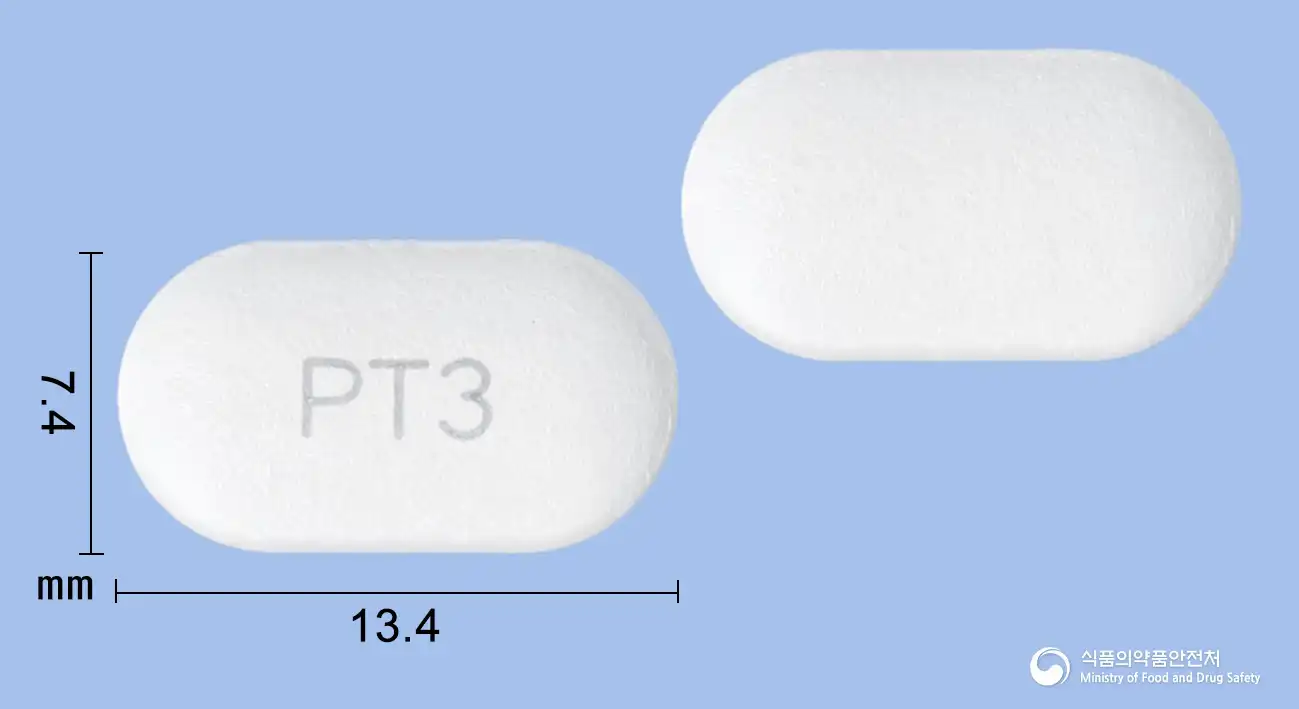
White elongated film-coated tablet
30 tablets/bottle, 300 tablets/bottle
Even with the same ingredient, strength, dosage form and how it is taken can differ.
Viewing nowDexibuprofen 300mg
Tablet · OTC medication
Aju Pharmaceuticals Co., Ltd.

Dexibuprofen 300mg
Tablet · OTC medication
Bionex Co., Ltd.

Dexibuprofen 300mg
Tablet · OTC medication
Anguk Pharmaceutical Co., Ltd.
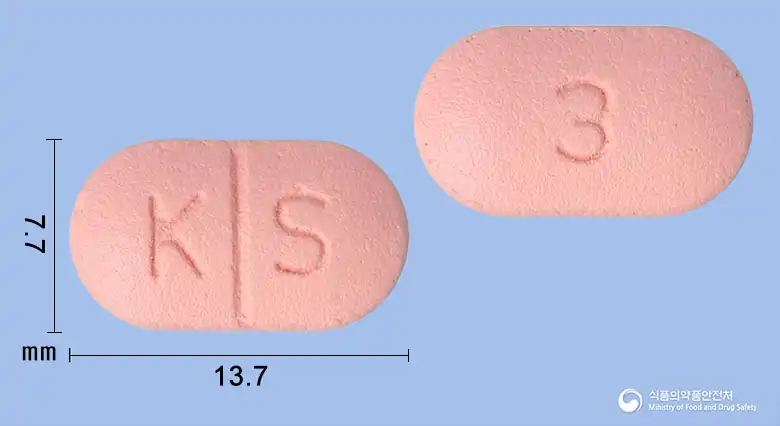
Dexibuprofen 300mg
Tablet · OTC medication
Aprogen Pharmaceuticals, Co., Ltd.
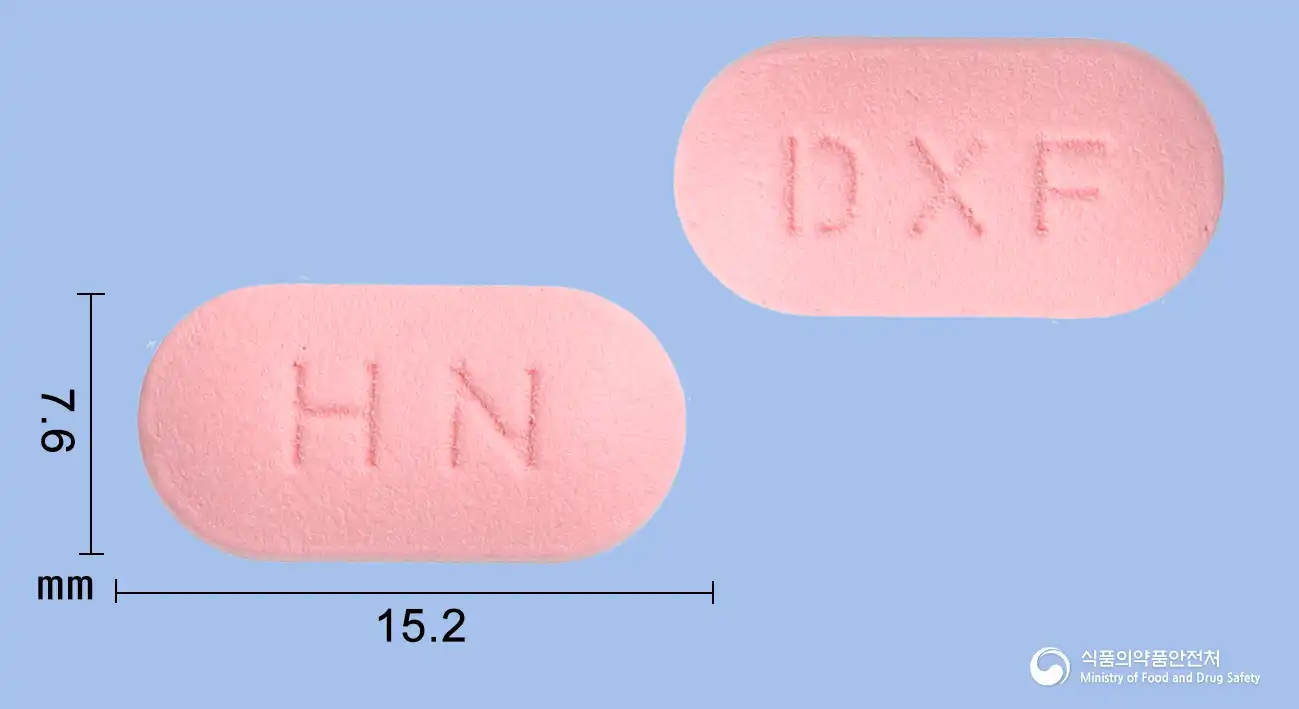
Dexibuprofen 300mg
Tablet · OTC medication
Hana Pharmaceutical Co., Ltd.

Dexibuprofen 150mg
Tablet · OTC medication
Anguk Pharm Co., Ltd.
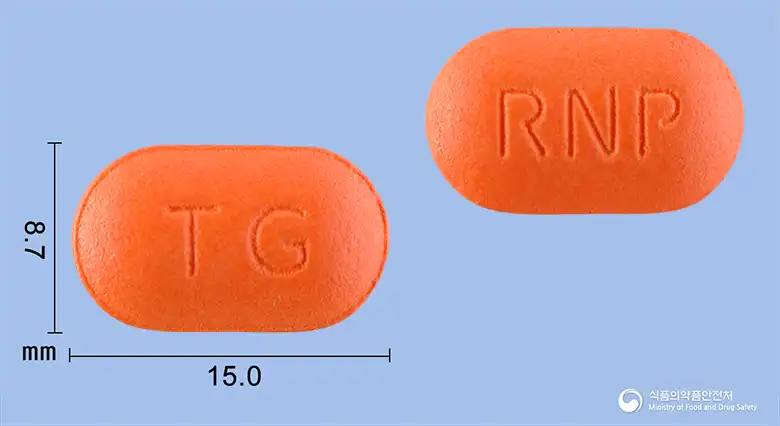
Dexibuprofen 300mg
Tablet · OTC medication
Taeguk Pharmaceutical Co., Ltd.
Dexibuprofen 300mg
Tablet · OTC medication
Genupharm Co., Ltd.
Even with the same ingredient, the dose and directions can differ by strength and dosage form. Talk to a doctor or pharmacist before switching from a medication you are already taking.
No questions yet.
For anything that needs medical judgment, consult a doctor or pharmacist.
This drug information is based on data provided by the Korea Ministry of Food and Drug Safety.
Consult a doctor or pharmacist for accurate dosage, administration, and usage instructions.