
 한국어
 English
 日本語
 中文(简体)
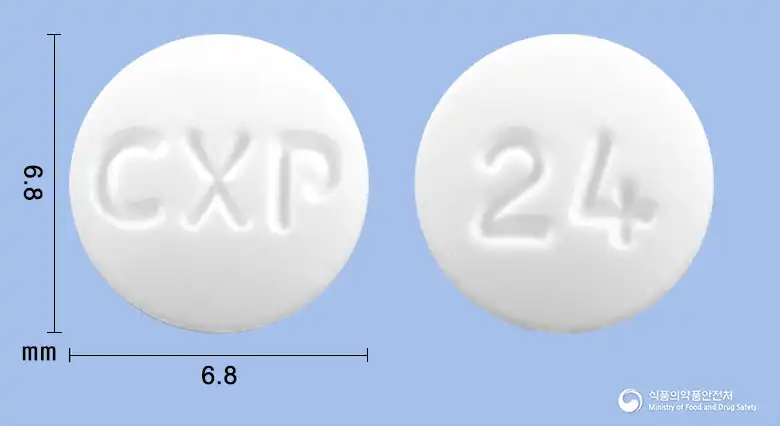 Viewing now
Isotujeng 2 mg (Irso-gladin Maleate)
Irsogladine Maleate 2mg
Tablet · Prescription medication
COSMAX Pharma Co., Ltd.
MFDS item code 201900830 · Approved 2019.02.08
Treatment of gastric ulcers; improvement of gastric mucosal lesions during acute gastritis and acute exacerbations of chronic gastritis
This medication is effective for the treatment of gastric ulcers and is used to improve gastric mucosal lesions such as erosion, bleeding, redness, and swelling that occur during acute exacerbations of acute and chronic gastritis. In other words, it helps to protect the gastric mucosa, reduce inflammation, and enhance gastrointestinal health.
1) Gastric ulcer (Adults) Administer 4mg of irsogladine maleate orally once daily. 2) Improvement of gastric mucosal lesions (erosion, bleeding, redness, and edema) in the following conditions: acute gastritis and acute exacerbation of chronic gastritis (Adults) Administer 4mg of irsogladine maleate orally in 1∼2 divided doses daily.
This drug contains lactose and should not be used in patients with genetically determined lactose intolerance, lactose enzyme deficiency, or glucose-galactose absorption disorder. While taking this medication, side effects such as liver dysfunction, constipation, rash, pruritus, and diarrhea may occur, and if symptoms develop, it is necessary to consult a physician immediately. According to surveys conducted in Japan and domestically, rare cases of elevated liver enzyme levels, gastrointestinal disturbance symptoms, and skin rashes have been reported in some patients. Elderly patients may have reduced bodily function, so administration should begin with a low dose and be carefully monitored for conditions. Women who are pregnant or may become pregnant should only use this medication when the benefits of treatment outweigh the risks, and breastfeeding women should preferably avoid administration or discontinue breastfeeding while using this medication. Safety in pediatric patients has not been sufficiently established, so caution is warranted. This medication should be stored out of the reach of children, and transferring to another container should be avoided as it may negatively affect product quality. Additionally, since the half-life of this medication is relatively long at approximately 150 hours, caution is necessary for long-term use. In animal tests, high-dose administration has reported effects such as decreased reproductive function and reduced birth weight, hence caution should be exercised when used around the time of pregnancy.
Not everyone experiences these, and they can vary from person to person.
This medication should be stored in a tightly sealed container to prevent exposure to air or moisture. The storage temperature should be maintained at room temperature between 1 degree and 30 degrees Celsius.
White round tablet
30 tablets/bottle, 100 tablets/bottle
Even with the same ingredient, strength, dosage form and how it is taken can differ.
Viewing nowIrsogladine Maleate 2mg
Tablet · Prescription medication
COSMAX Pharma Co., Ltd.
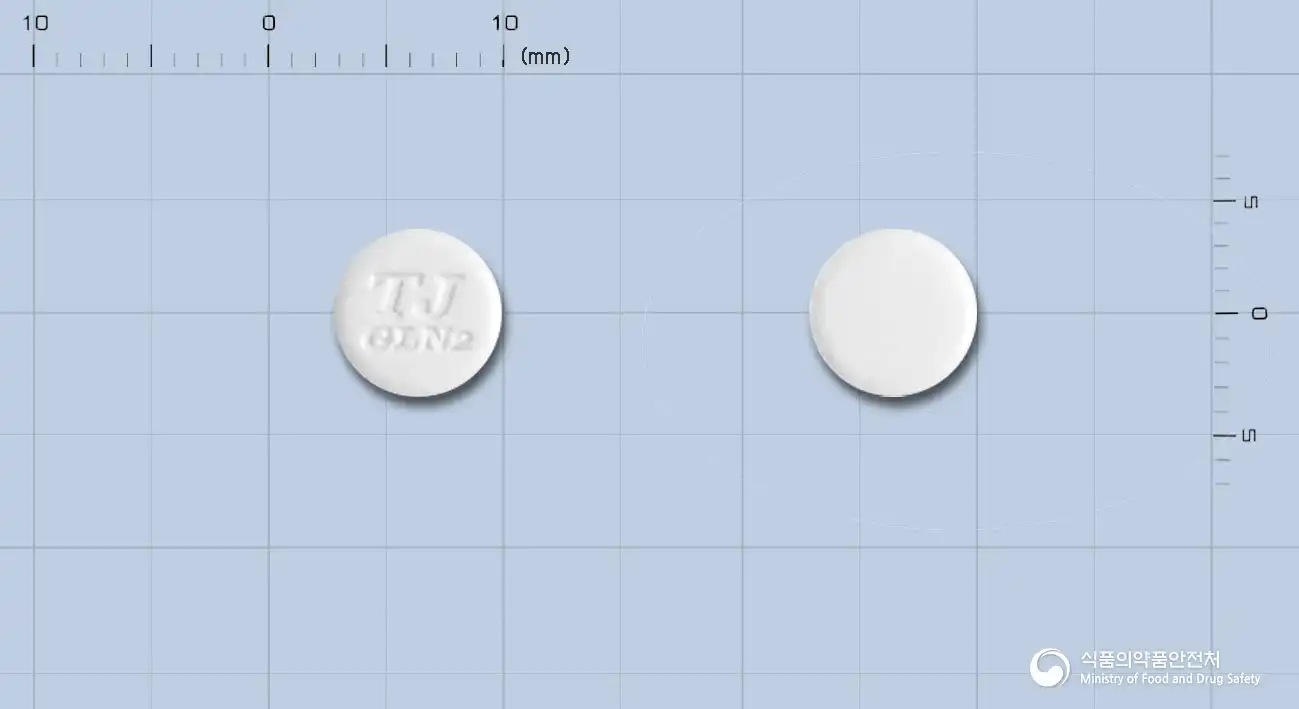
Irsogladine Maleate 2mg
Tablet · Prescription medication
Taejun Pharmaceutical Co., Ltd.
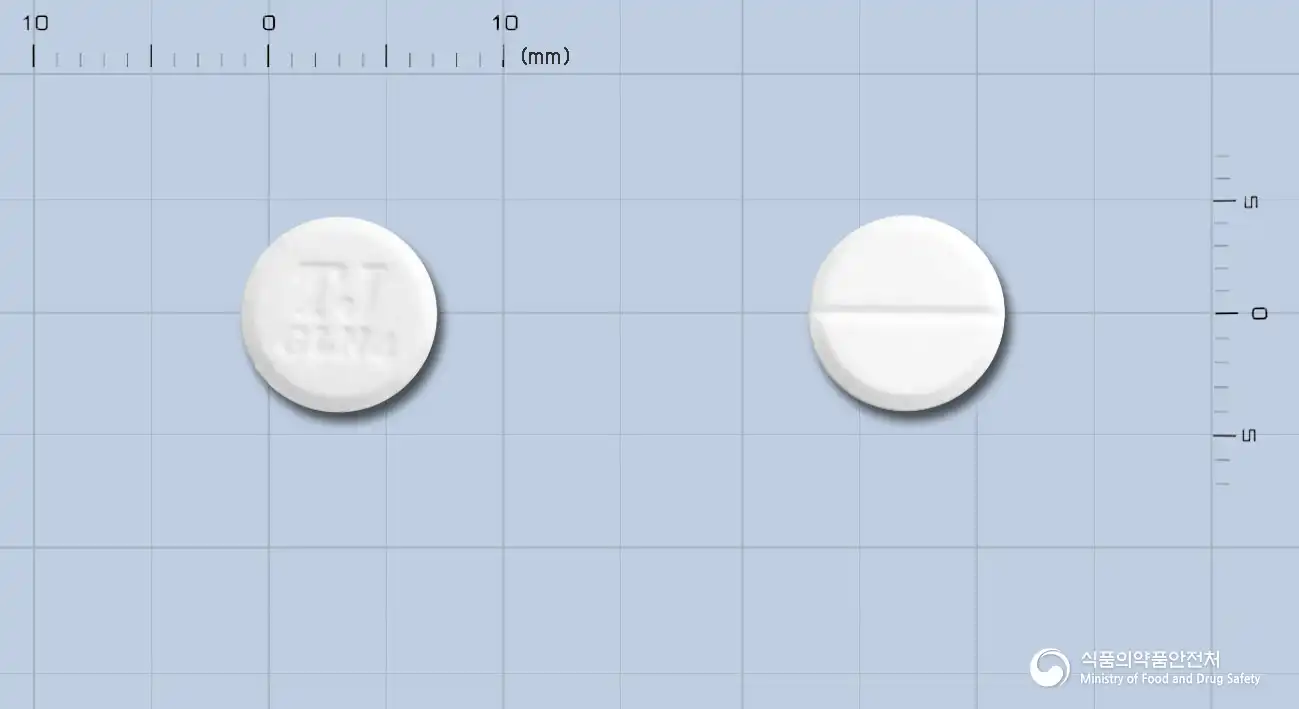
Irsogladine Maleate 4mg
Tablet · Prescription medication
Taejun Pharmaceutical Co., Ltd.
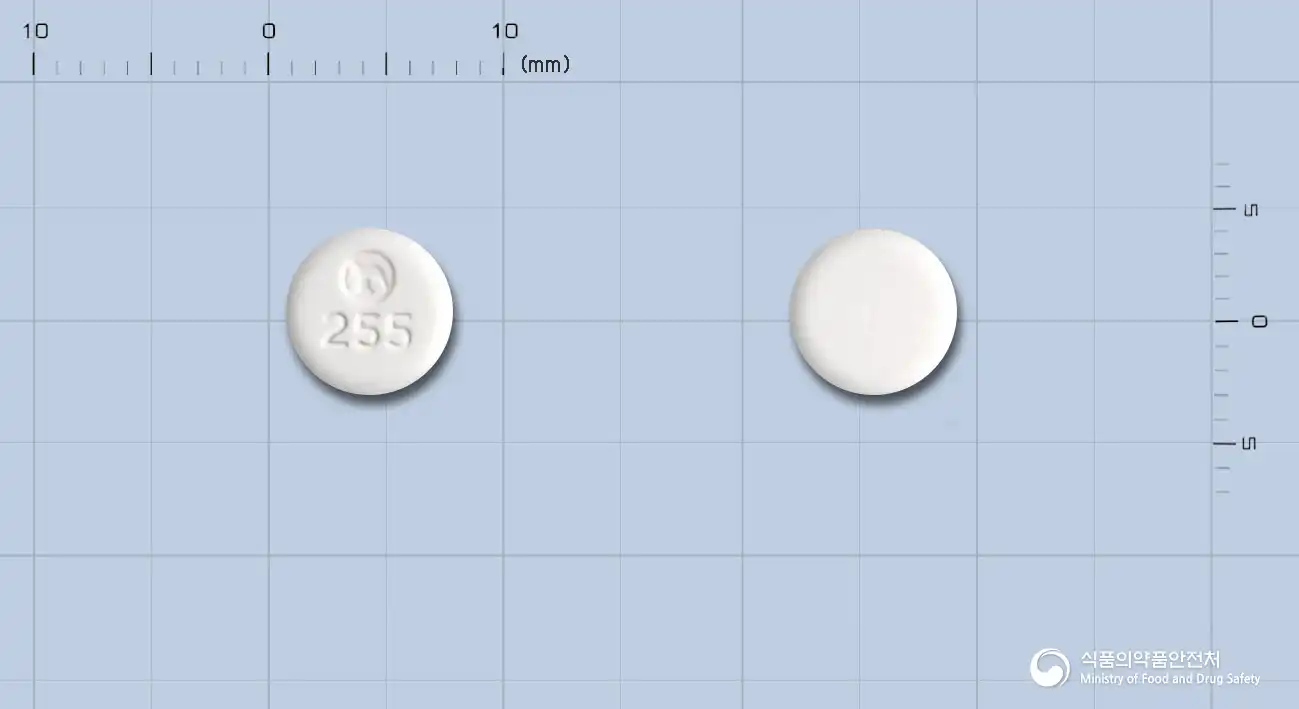
Irsogladine Maleate 2mg
Orally disintegrating Tablet · Prescription medication
Taejun Pharmaceutical Co., Ltd.
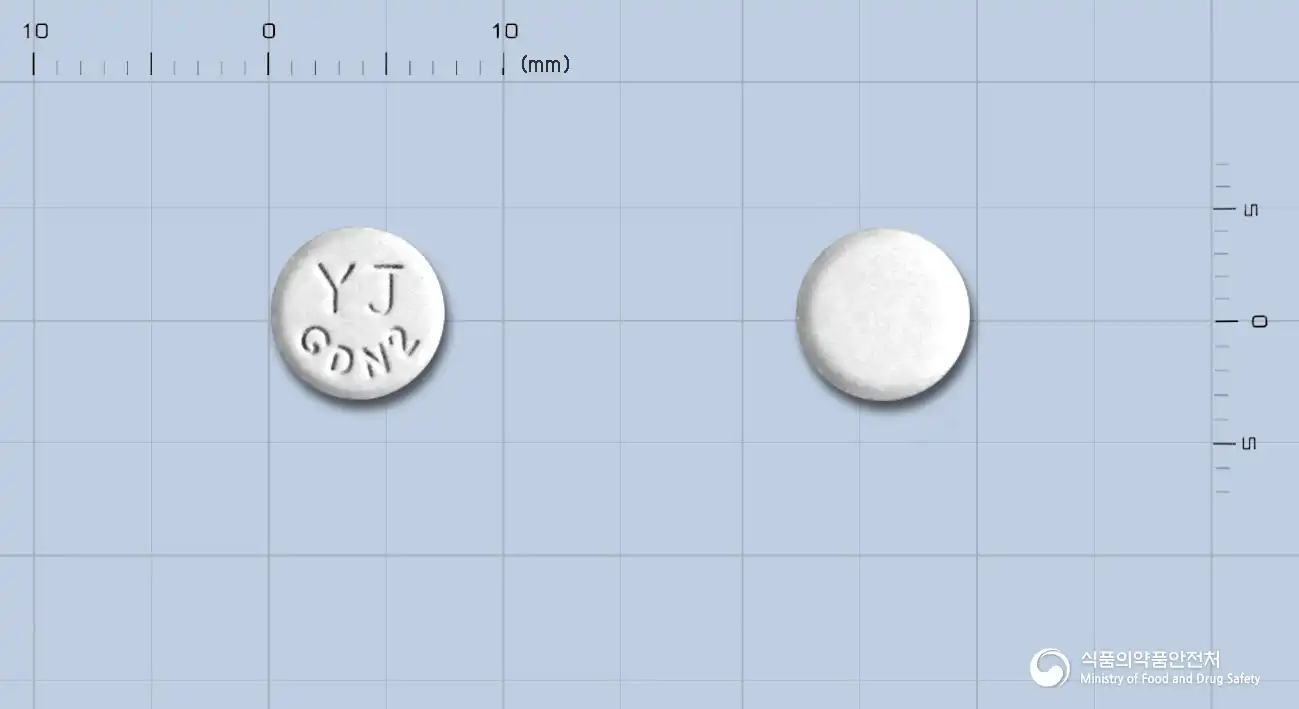
Irsogladine Maleate 2mg
Tablet · Prescription medication
Youngjin Pharmaceutical Co., Ltd.
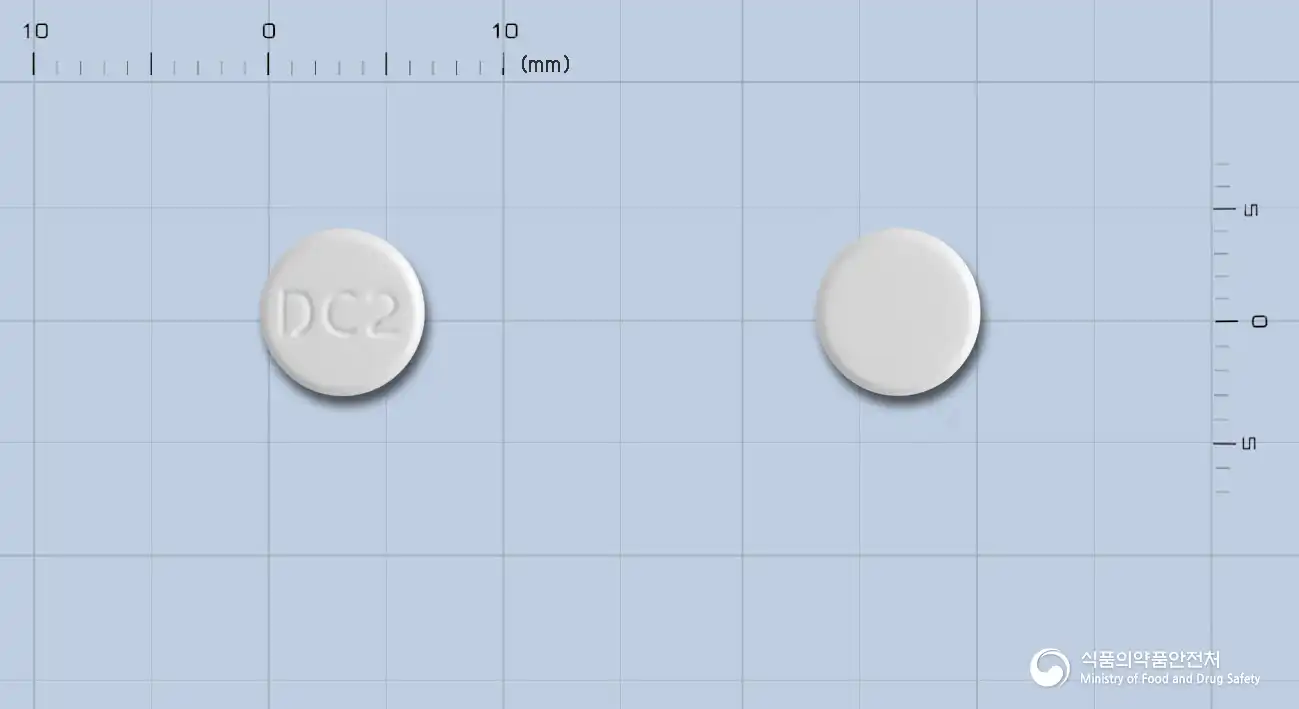
Irsogladine Maleate 2mg
Tablet · Prescription medication
Dong-gu Bio Pharmaceutical Co., Ltd.
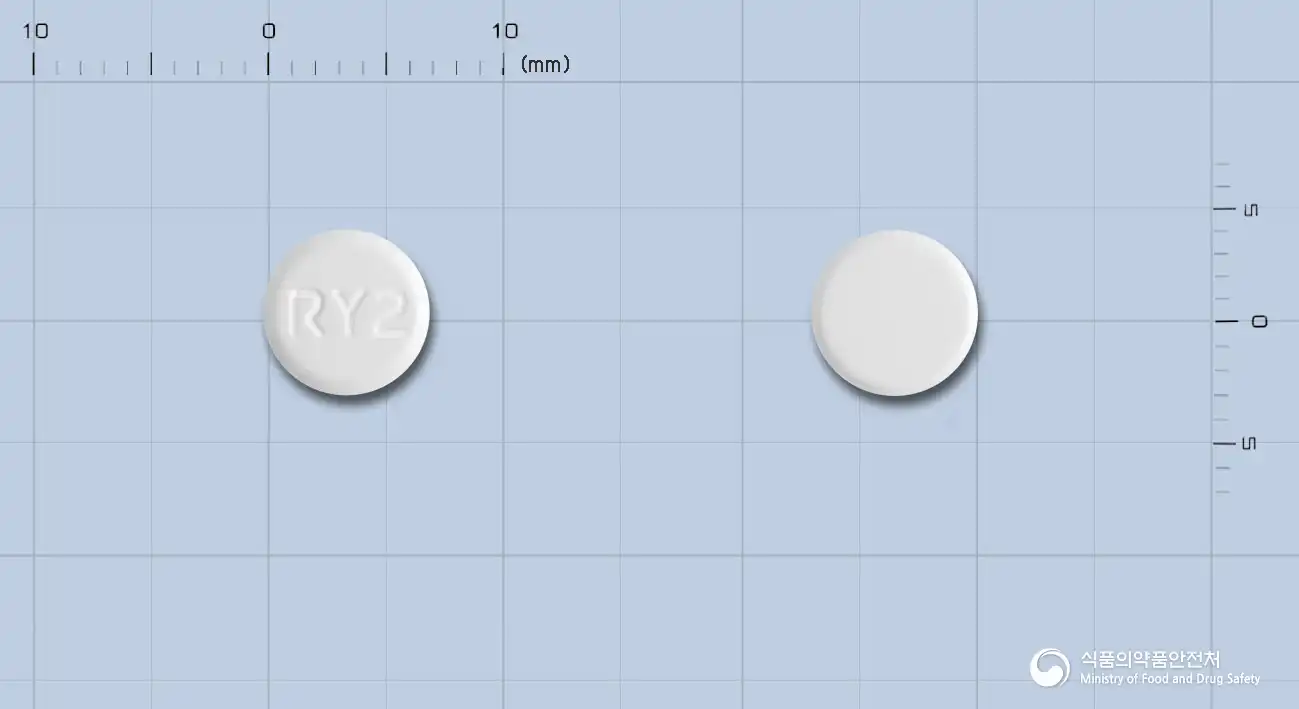
Irsogladine Maleate 2mg
Tablet · Prescription medication
Ilyun Pharmaceutical Co., Ltd.
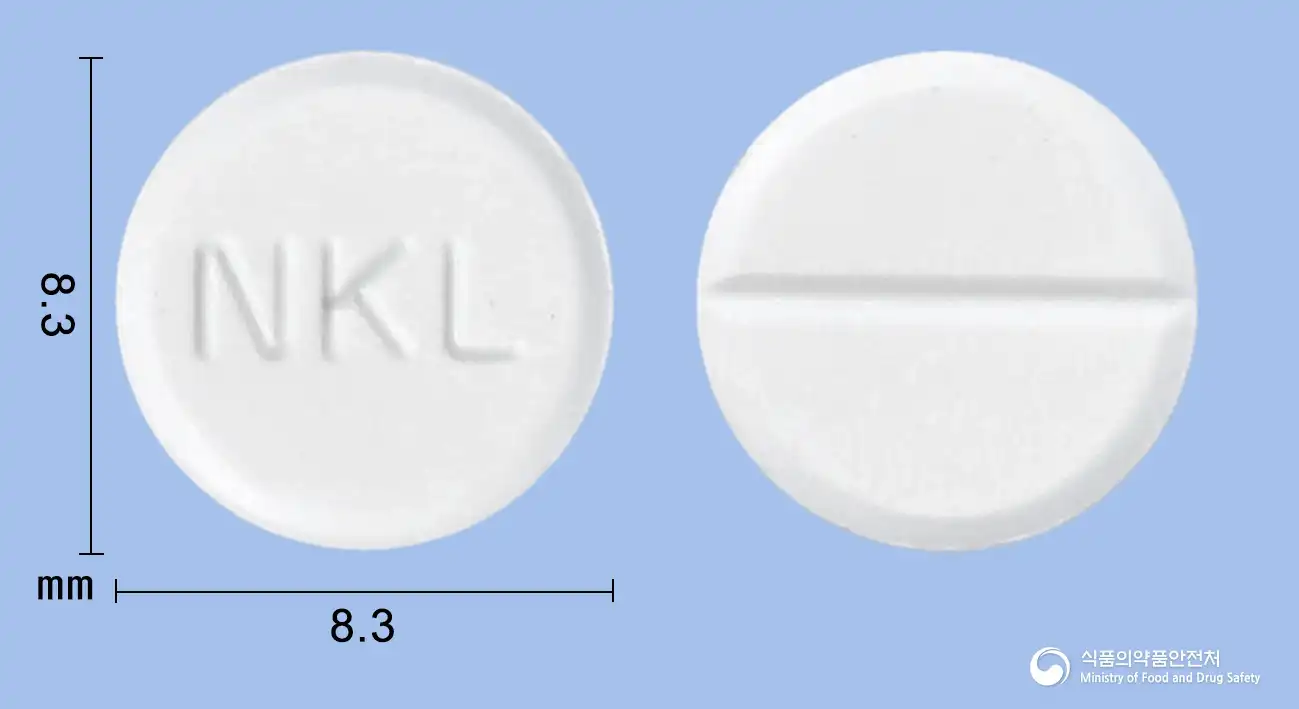
Irsogladine Maleate 4mg
Tablet · Prescription medication
(Co., Ltd.) Nexpharm Korea
Even with the same ingredient, the dose and directions can differ by strength and dosage form. Talk to a doctor or pharmacist before switching from a medication you are already taking.
No questions yet.
For anything that needs medical judgment, consult a doctor or pharmacist.
This drug information is based on data provided by the Korea Ministry of Food and Drug Safety.
Consult a doctor or pharmacist for accurate dosage, administration, and usage instructions.