
 한국어
한국어 English
 日本語
日本語 中文(简体)
Dosage form image
Viewing nowHyclud Eye Drops (Diclofenac Sodium)
Diclofenac Sodium 1mg
Eye drops · Prescription medication
Humedics Co., Ltd.
MFDS item code 201900709 · Notified 2019.01.30 · Insurance code 683101261
Prevention of inflammation and miosis after cataract surgery and treatment of anterior segment inflammation
This medication is used to prevent inflammation that may occur during cataract surgery, miosis during surgery, and cystoid macular edema associated with intraocular lens implantation. It is also effective in treating non-infectious anterior segment inflammation such as chronic conjunctivitis and post-traumatic inflammation. This medication helps recovery after surgery, reduces discomfort caused by inflammation, and improves eye health.
1. During cataract surgery - Before surgery: 1 drop 5 times over 3 hours - Immediately after surgery: 1 drop 3 times - Maintenance therapy: 1 drop 3-5 times daily, varying the duration based on symptoms. 2. Treatment of anterior segment inflammation - 1 drop 4-5 times daily - Adjust appropriately based on symptoms.
This medication is an anti-inflammatory analgesic for use in the eyes. Do not use if you are allergic to any of the components of this medication. Caution is advised for those who have experienced asthma, itching, or acute rhinitis after using aspirin or other non-steroidal anti-inflammatory drugs. It is safer not to use this medication for pregnant women after 6 months of pregnancy. Patients with known allergies to aspirin or other non-steroidal anti-inflammatory drugs should use this medication with caution. This medication may delay wound healing and can rarely cause nausea or vomiting. Additionally, allergic reactions such as asthma, itching, or acute rhinitis may occur rarely. Temporary symptoms such as eye pain, dryness, redness, dilation of pupils, or keratitis may appear, and if any unusual symptoms occur, use should be discontinued and a doctor consulted. The most common side effect is mild eye irritation, and temporary itching, redness, or blurred vision may occur immediately after instillation. Do not use this medication while wearing contact lenses; it is better to remove the lenses and reapply them 15 minutes after instillation. Temporary blurriness may occur during application, so activities such as driving or operating dangerous machinery should be avoided. This medication may mask the progression of eye infections; therefore, it should be used with appropriate treatment when an infection is suspected. Caution is needed for those at risk of bleeding when using this medication, and when using with other eye medications, a minimum interval of 5 minutes should be maintained. After instilling the drops, blocking the nasolacrimal duct or closing your eyes can reduce systemic absorption and enhance local action. The preservatives included in this medication may discolor contact lenses and cause eye inflammation, so be cautious. When using with other eye drops, maintain a 15-minute interval to avoid drug interactions, and the risk of corneal complications may increase when used with steroid preparations. In the early and middle stages of pregnancy, it should be used only for the minimum duration and dosage when necessary, while it is safer not to use it after 6 months of pregnancy. During breastfeeding, this medication may transfer into breast milk, so it is advisable not to use it if possible. Safety in children has not been adequately confirmed. This medication is for use in the eyes only and should not be injected directly into the eye. Care should be taken to avoid contaminating the container opening by not letting it touch the eye and avoiding sharing it with others. Store in a sealed container to prevent exposure to air or moisture in a cool place, avoiding direct sunlight, and after use, the cap should be closed properly and used within one month of opening. Any remaining contents should be discarded, so proper hygiene management is important.
Not everyone experiences these, and they can vary from person to person.
This medication should be stored in a sealed container to prevent exposure to air or moisture, and it is important to keep it in a cool place, that is, at a low temperature below 10 degrees Celsius. Storing it this way will help maintain the medication's effectiveness and prevent deterioration.
Colorless to pale yellow liquid in a colorless transparent plastic container
6mL/bottle
Even with the same ingredient, strength, dosage form and how it is taken can differ.
Diclofenac Sodium 1mg
Eye drops · Prescription medication
Humedics Co., Ltd.
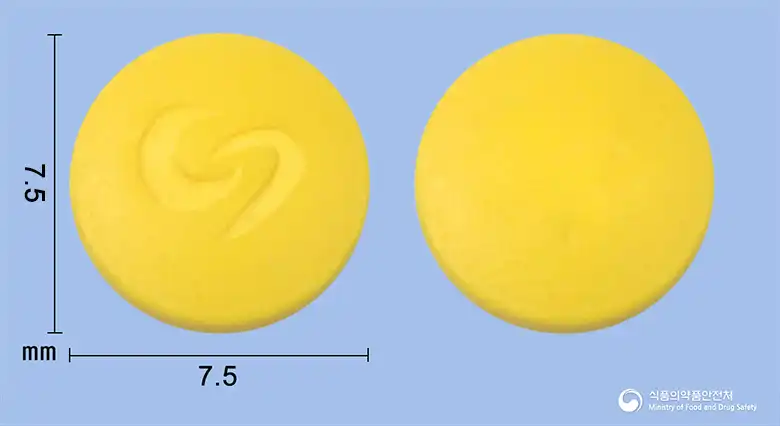
Diclofenac Sodium 25mg
Tablet · Prescription medication
Dongkwang Pharmaceutical Co., Ltd.
Diclofenac Sodium 75mg
Prescription medication
Ajou Pharmaceuticals Co., Ltd.
Diclofenac Sodium 37.5mg
Prescription medication
Hwanin Pharmaceutical Co., Ltd.
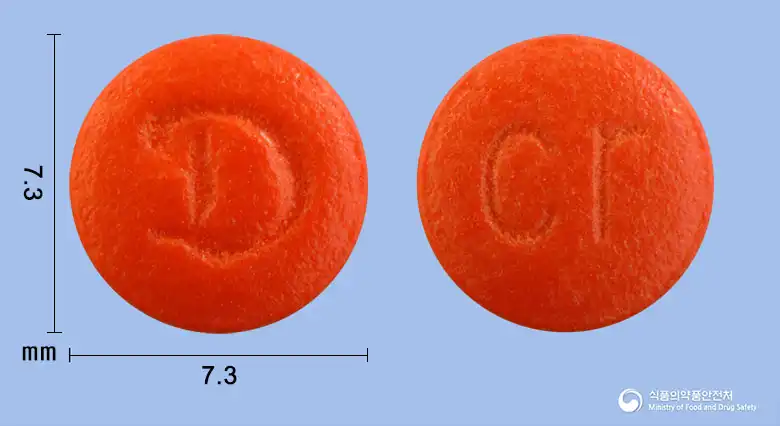
Diclofenac Sodium 25mg
Tablet · Prescription medication
GL Pharma Co., Ltd.
Diclofenac Sodium 75mg
Solution · Prescription medication
YuYoung Pharmaceutical Co., Ltd.
Diclofenac Sodium 37.5mg
Prescription medication
Daehwa Pharmaceutical Co., Ltd.
Diclofenac Sodium 37.5mg
Prescription medication
Dongkwang Pharmaceutical Co., Ltd.
Even with the same ingredient, the dose and directions can differ by strength and dosage form. Talk to a doctor or pharmacist before switching from a medication you are already taking.
No questions yet.
For anything that needs medical judgment, consult a doctor or pharmacist.
This drug information is based on data provided by the Korea Ministry of Food and Drug Safety.
Consult a doctor or pharmacist for accurate dosage, administration, and usage instructions.