
 한국어
 English
 日本語
 中文(简体)
 Viewing now
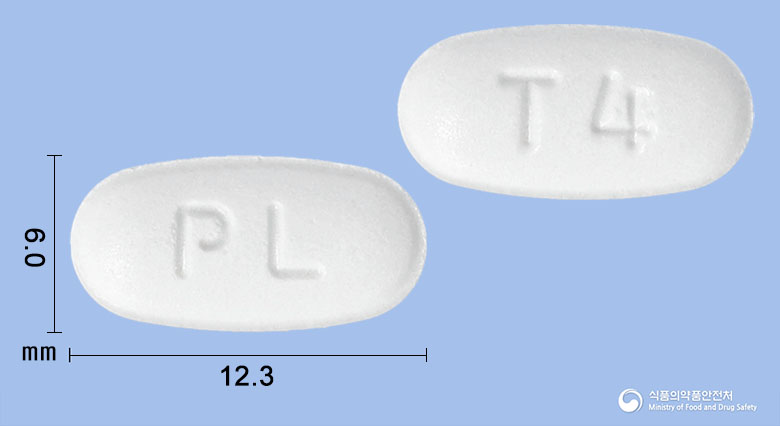
Telmisartan Tablets 40 mg (Telmisartan)
Telmisartan 40mg
Tablet · Prescription medication
Poonglim Pharmaceutical Co., Ltd.
MFDS item code 201900102 · Approved 2019.01.09 · Insurance code 649001860
Treatment of essential hypertension and prevention of cardiovascular disease in high-risk patients
This medication is used to treat essential hypertension. It is also effective in reducing the risk of cardiovascular diseases. This medication is particularly suitable for patients over the age of 55 who have a history of coronary artery disease, peripheral artery disease, stroke or transient ischemic attack, or have high-risk diabetes leading to damage to target organs, especially those who cannot tolerate ACE inhibitors. It helps reduce the risk of myocardial infarction, stroke, and death due to cardiovascular diseases. Therefore, it plays an important role in hypertension management and the prevention of cardiovascular diseases.
1. Essential hypertension Adults: The recommended dose is 40 mg of telmisartan orally once daily with water, with or without food. Some patients may respond to 20 mg once daily. If necessary, the dose may be increased to 80 mg once daily. When the dose is increased, the maximum blood pressure-lowering effect is achieved 4 ∼ 8 weeks after starting treatment. When this drug is administered concomitantly with a thiazide diuretic such as hydrochlorothiazide, additional blood pressure-lowering effects are observed. 2. Reduction of cardiovascular risk Adults: The recommended dose is 80 mg of this drug orally once daily with water, with or without food. The risk-reduction effect on cardiovascular morbidity and mortality at doses below 80 mg has not been established. When starting treatment with this drug to reduce cardiovascular risk, blood pressure monitoring is recommended, and appropriate adjustment of antihypertensive therapy may be required. ○ Patients with hepatic impairment Administer with caution to patients with mild ∼ moderate hepatic impairment, and do not exceed 40 mg once daily.
This medication can cause serious harm to the fetus and newborn, especially during pregnancy, therefore it should be discontinued immediately upon confirmation of pregnancy. It should not be taken by individuals allergic to this medication or its components, pregnant or breastfeeding women, those with severe liver impairment, patients with hereditary angioedema, and individuals with severe renal impairment among diabetic patients. Elderly individuals, patients with hyperkalemia, patients with liver impairment, patients with heart valve diseases, individuals with gastrointestinal diseases, and patients with renal vascular hypertension should use this medication cautiously and regularly check blood pressure or renal function. During the use of this medication, various adverse reactions may occur such as rare hypotension, dizziness, cough, abdominal pain, skin rash, angioedema, myalgia, and worsening of renal function. If any adverse symptoms occur, the healthcare provider should be consulted immediately. Particularly, since potassium levels may increase, patients at risk of hyperkalemia should have regular blood tests and be cautious of interactions when using other antihypertensives, diuretics, lithium, or non-steroidal anti-inflammatory drugs concurrently. It is advisable not to take it within 24 hours prior to surgery, and caution is needed when driving or operating machinery due to the risk of dizziness or fainting. The safety and efficacy of this medication in children have not been established; therefore, it is recommended not to use it in persons under 18 years of age. Overdose may lead to hypotension, dizziness, acute renal failure, etc., and immediate medical treatment should be sought.
Upper respiratory tract infections, pharyngitis, sinusitis, urinary tract infections, cystitis, sepsis, anemia, thrombocytopenia, eosinophilia, hypersensitivity, anaphylactic reactions, hyperkalemia, hypoglycemia, hyponatremia, depression, insomnia, anxiety, syncope, drowsiness, visual disturbances, dizziness, bradycardia, tachycardia, hypotension, orthostatic hypotension, dyspnea, cough, interstitial lung disease, abdominal pain, diarrhea, dyspepsia, abdominal bloating, vomiting, abdominal discomfort, dry mouth, taste disturbances, liver function abnormalities, liver dysfunction, increased sweating, itching, rash, erythema, angioedema, drug rash, toxic skin rash, eczema, urticaria, myalgia, low back pain, muscle cramps, arthralgia, limb pain, tendon pain, acute kidney failure, chest pain, weakness, influenza-like illness, increased serum creatinine, increased serum uric acid, increased liver enzymes, elevated serum creatine kinase, decreased hemoglobin, facial spasms, sensory disturbances, paralysis, hyperventilation, pneumonia, flushing, erectile dysfunction, appetite loss, arrhythmia, lethargy, edema, decreased libido, facial edema, alopecia, conjunctivitis, tinnitus, petechiae, headache, dizziness, palpitations, nausea, insufficient effect, shock, loss of consciousness, jaundice, anaphylaxis-like symptoms, interstitial pneumonia, rhabdomyolysis, hypotensive crisis, hypotension during blood pressure control
Not everyone experiences these, and they can vary from person to person.
This medication should be stored in a tightly closed container to protect it from air and moisture exposure. It is important to maintain storage temperatures between 1 degree and 30 degrees Celsius.
White oval-shaped tablet
30 tablets (10 tablets/AluAlu*3)
Even with the same ingredient, strength, dosage form and how it is taken can differ.
Viewing nowTelmisartan 40mg
Tablet · Prescription medication
Poonglim Pharmaceutical Co., Ltd.
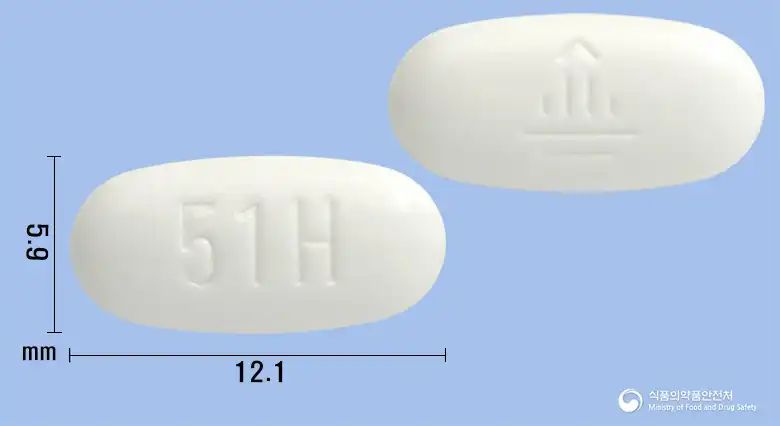
Telmisartan 40mg
Tablet · Prescription medication
Boehringer Ingelheim Korea Co., Ltd.
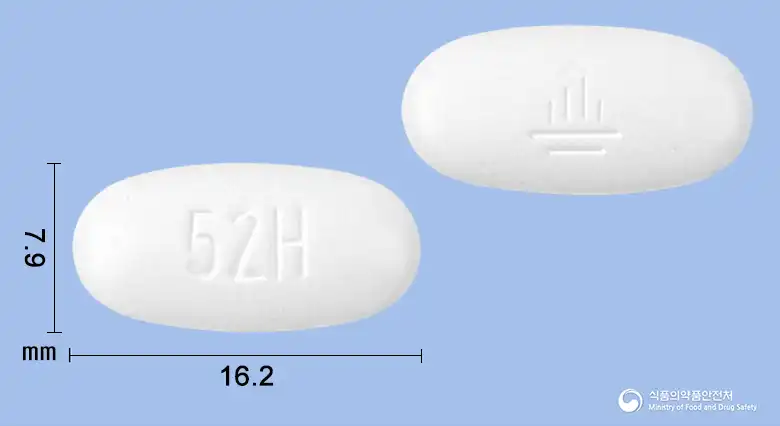
Telmisartan 80mg
Tablet · Prescription medication
Boehringer Ingelheim Korea Co., Ltd.
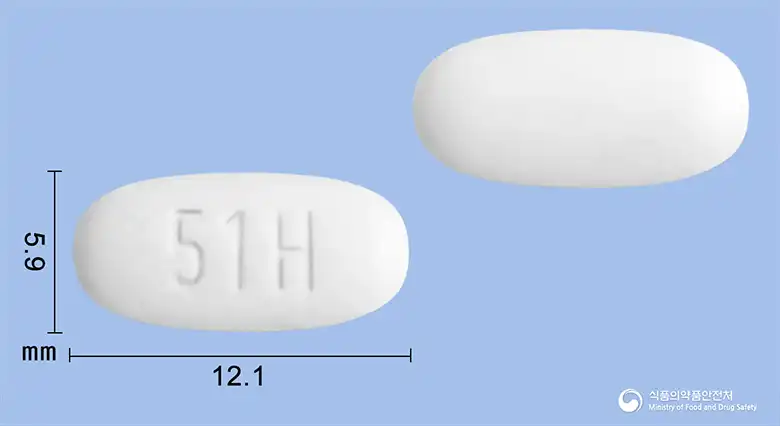
Telmisartan 40mg
Tablet · Prescription medication
Kwangdong Pharmaceutical Co., Ltd.
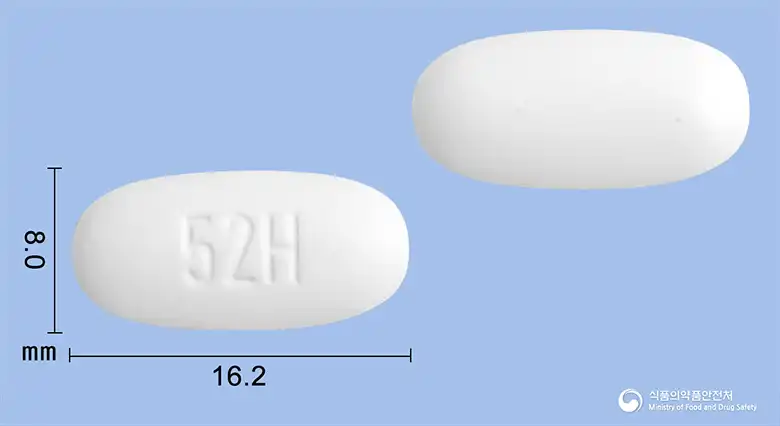
Telmisartan 80mg
Tablet · Prescription medication
Kwangdong Pharmaceutical Co., Ltd.
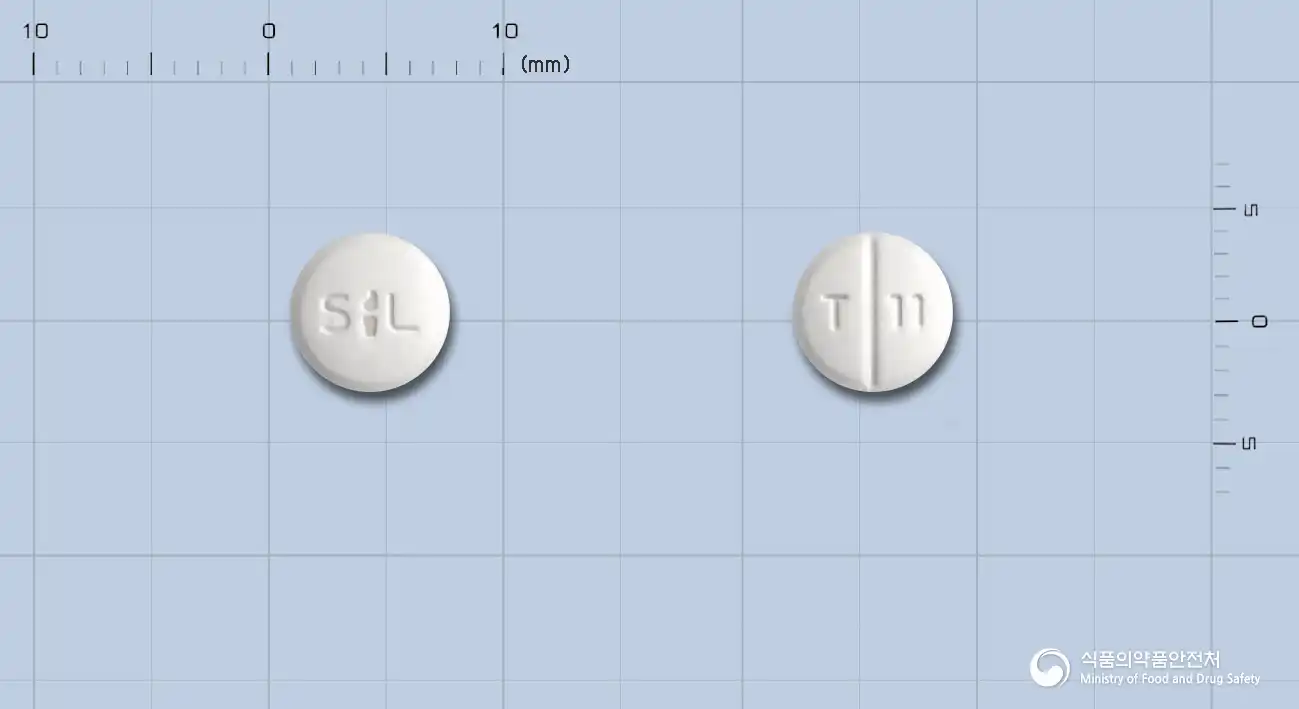
Telmisartan 40mg
Tablet · Prescription medication
Sam-il Pharmaceutical Co., Ltd.
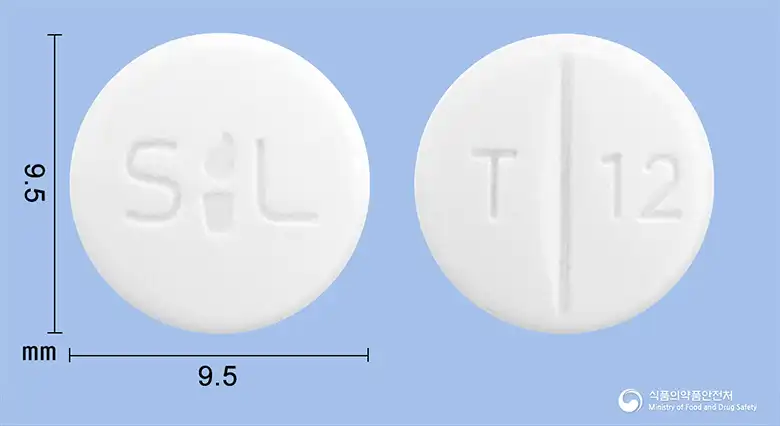
Telmisartan 80mg
Tablet · Prescription medication
Samil Pharmaceutical Co., Ltd.
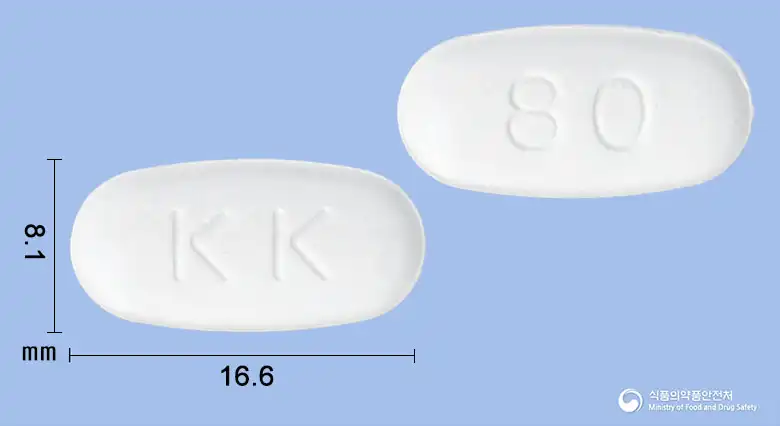
Telmisartan 80mg
Tablet · Prescription medication
Genewon Science Co., Ltd.
Even with the same ingredient, the dose and directions can differ by strength and dosage form. Talk to a doctor or pharmacist before switching from a medication you are already taking.
No questions yet.
For anything that needs medical judgment, consult a doctor or pharmacist.
This drug information is based on data provided by the Korea Ministry of Food and Drug Safety.
Consult a doctor or pharmacist for accurate dosage, administration, and usage instructions.