
 한국어
 English
 日本語
 中文(简体)
Dosage form image
Viewing nowMoxihyu Eye Drops (Moxifloxacin Hydrochloride)
Moxifloxacin Hydrochloride 5.45mg
Eye drops · Prescription medication
Huvis Pharmaceutical Co., Ltd.
MFDS item code 201900033 · Notified 2019.01.04 · Insurance code 628801211
Treatment of bacterial eye infections (conjunctivitis, keratitis, etc.) and sterilization before and after ophthalmic surgery
This medication is used for the treatment of infectious eye diseases caused by various bacteria. Its primary indications are bacterial conjunctivitis, keratitis, and keratomalacia (including corneal ulcers), and it is also applied for sterilization therapy to prevent infections before and after ophthalmic surgery. Effective bacterial strains include Staphylococcus, Streptococcus, Pneumococcus, Enterococcus, Micrococcus, Moraxella, Corynebacterium, Citrobacter, Klebsiella, Enterobacter, Serratia, Proteus, Morganella morganii, Haemophilus influenzae, Pseudomonas, Burkholderia, Stenotrophomonas, Acinetobacter, and Propionibacterium. Because this is effective against a wide range of bacteria, it is widely used for the treatment of eye infections and infection prevention.
Bacterial conjunctivitis, blepharitis, keratitis (including corneal ulcers): The usual dose is 1 drop per dose, instilled 3 times daily. Adjust the dose according to symptoms. Sterilization before and after ophthalmic surgery: The usual dose before surgery is 1 drop per dose, instilled 5 times daily; after surgery, instill 1 drop per dose 3 times daily.
This medication should not be injected directly into the eyes or placed directly into the front part of the eyes. There have been reports of serious allergic reactions in patients who have received systemic administration of medications containing the same ingredients, and if symptoms occur, use should be discontinued immediately, and prompt emergency treatment should be sought. Patients with a known allergy to this medication or infants under 1 year of age should not use it. Pregnant or nursing women should use this medication cautiously under the supervision of a physician. Side effects such as eye redness, pain, itching, and dryness may occur, and in rare cases, systemic symptoms like fever or cough may also appear. If severe allergic symptoms or signs of shock occur during use, immediately discontinue the medication and notify medical personnel. This medication should only be used for the minimum duration needed for infection treatment, and prolonged use may lead to other types of infections. When experiencing bacterial conjunctivitis, avoid wearing contact lenses, and if allergic symptoms appear, discontinue use immediately and consult a physician. This medication is for ophthalmic use only; avoid contamination of the tip of the container, and it is advisable not to share it with others. Women who are pregnant or nursing should decide carefully considering the potential effects on the fetus or baby. The safety and efficacy in infants under 1 year of age have not been established, and it should not be used in this population. For storage, keep it out of reach of children in a cool place away from direct sunlight and do not transfer it to another container.
cardiovascular collapse, loss of consciousness, vascular edema, airway obstruction, difficulty breathing, hives, itching, conjunctivitis, vision impairment, dry eyes, keratitis, ocular discomfort, ocular congestion, ocular pain, pruritus, subconjunctival hemorrhage, tears, fever, cough, infection, otitis media, pharyngitis, redness, rhinitis, ocular pain, taste disturbance, irritation, lid edema, blurred vision, sensory abnormalities at the site of administration, shock, anaphylaxis symptoms, erythema, rash, hypotension, lid edema, endophthalmitis, ulcerative keratitis, corneal erosion, corneal abrasion, increased intraocular pressure, corneal opacity, corneal infiltrates, corneal deposits, allergy, corneal edema, glare, corneal anomalies, blepharitis, eyelid edema, increased tear production, ocular discharge, sensation of a foreign body in the eye, atrial fibrillation, dizziness, nausea
Not everyone experiences these, and they can vary from person to person.
This medication is sensitive to air and moisture, so it should be stored in a tightly sealed container. It is also advisable to store it at room temperature, between 2 degrees Celsius and 25 degrees Celsius, avoiding very hot or very cold locations.
A pale yellow-green eye drop solution in a clear plastic container.
Bottle package - 6 milliliters/bottle
Even with the same ingredient, strength, dosage form and how it is taken can differ.
Moxifloxacin Hydrochloride 5.45mg
Eye drops · Prescription medication
Huvis Pharmaceutical Co., Ltd.
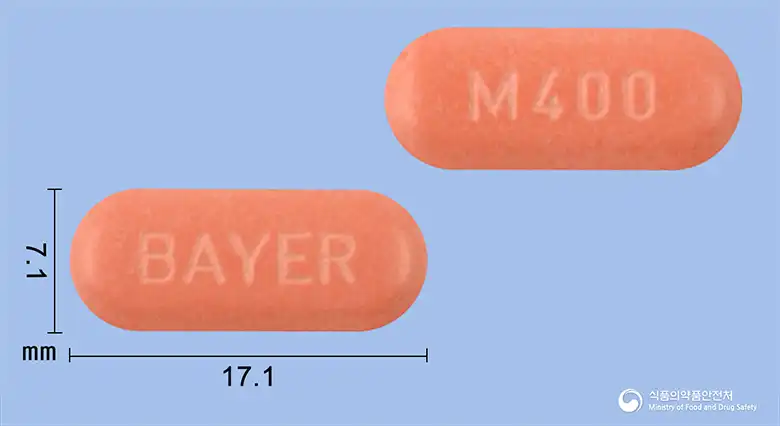
Moxifloxacin Hydrochloride 436.8mg
Tablet · Prescription medication
Bayer Korea Co., Ltd.
Moxifloxacin Hydrochloride 1.744mg
Injections · Prescription medication
Bayer Korea Co., Ltd.
Moxifloxacin Hydrochloride 5.45mg
Eye drops · Prescription medication
Novartis Korea Co., Ltd.
Moxifloxacin Hydrochloride 5.45mg
Eye drops · Prescription medication
Samchundang Pharmaceutical Co., Ltd.
Moxifloxacin Hydrochloride 5.45mg
Eye drops · Prescription medication
Samil Pharmaceutical Co., Ltd.
Moxifloxacin Hydrochloride 5.45mg
Eye drops · Prescription medication
Optus Pharmaceutical Co., Ltd.
Moxifloxacin Hydrochloride 5.45mg
Eye drops · Prescription medication
Hankook Hyutecs Pharmaceutical Co., Ltd.
Even with the same ingredient, the dose and directions can differ by strength and dosage form. Talk to a doctor or pharmacist before switching from a medication you are already taking.
No questions yet.
For anything that needs medical judgment, consult a doctor or pharmacist.
This drug information is based on data provided by the Korea Ministry of Food and Drug Safety.
Consult a doctor or pharmacist for accurate dosage, administration, and usage instructions.