
 한국어
 English
 日本語
 中文(简体)
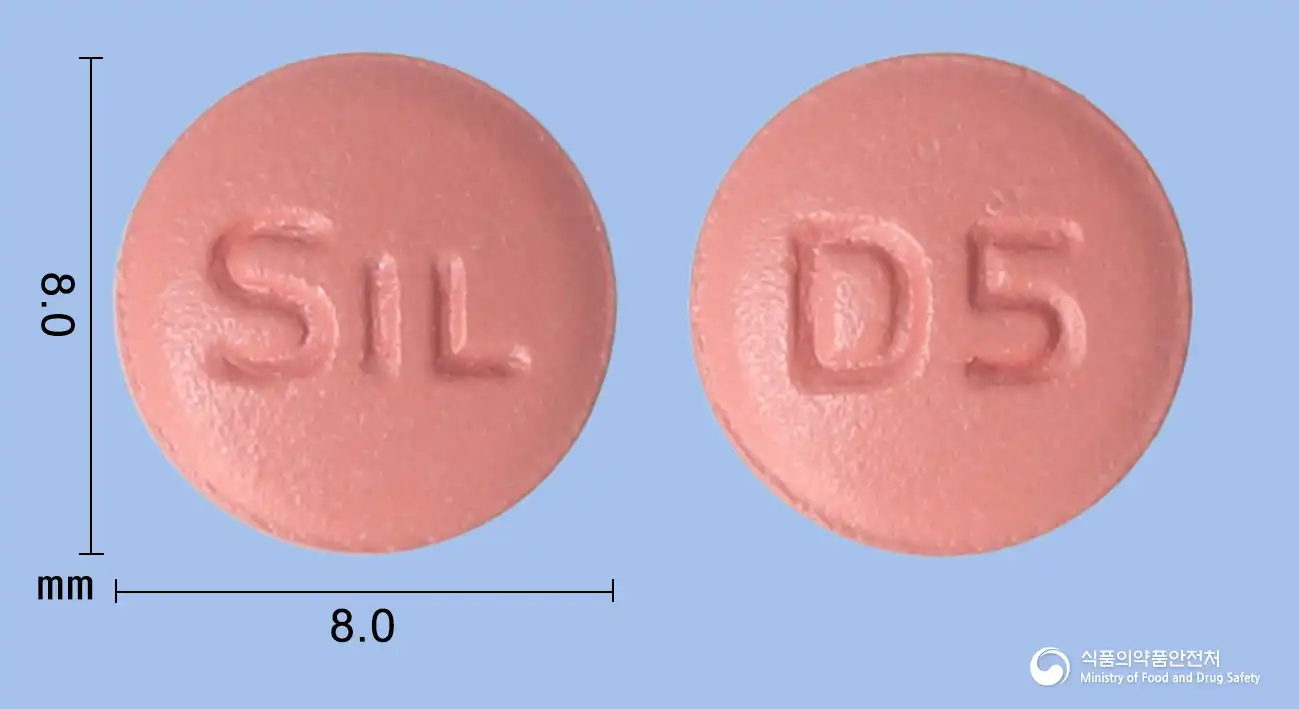 Viewing now
Tragliptin Tablet (Linagliptin)
Linagliptin 5mg
Tablet · Prescription medication
Shinil Pharmaceutical Co., Ltd.
MFDS item code 201805437 · Approved 2018.12.31 · Insurance code 653806250
Improvement of glycemic control in type 2 diabetes mellitus
This medication helps effectively control blood sugar levels in patients with type 2 diabetes and shows better results when combined with dietary therapy and exercise. It can be used alone or in combination with other diabetes treatments, providing various treatment options. This helps improve blood sugar management and contributes to the prevention of complications.
The recommended dose of this medicine is 5mg once daily. It may be administered with or without food. When used concomitantly with insulin or an insulin secretagogue (such as a sulfonylurea), a lower dose of insulin and the insulin secretagogue may be necessary to minimize the risk of hypoglycemia.
This medication should not be used by individuals who are allergic to the active ingredient or other components of this drug. Patients with type 1 diabetes or diabetic ketoacidosis should not take this medication. Caution is required when taken with other medications that may cause hypoglycemia, especially when used in combination with insulin or sulfonylureas, as the risk of hypoglycemia may increase and dosage adjustments may be necessary. Experience with this medication in patients with heart failure is limited, so it should be used with caution. Acute pancreatitis may occur during treatment with this medication. If persistent and severe abdominal pain develops, stop taking the medication immediately and consult a physician. A skin condition known as bullous pemphigoid may rarely occur, so patients should inform healthcare professionals immediately if they experience blisters or skin erosion. Symptoms of hypoglycemia may occur while taking this medication. Therefore, good blood sugar management is essential, and if any adverse reactions occur, consult a healthcare professional. Women who are pregnant or planning to become pregnant are not recommended to use this medication, and caution is required for nursing mothers as well. The safety and efficacy for children under 10 years of age or adolescents aged 10 to 17 have not been adequately established; therefore, use is not recommended. Elderly patients or those with renal and hepatic function impairments may use the drug without specific dosage adjustments, but should take it according to medical advice. In case of overdose, seeking immediate medical attention for necessary treatment is recommended, and general supportive therapy may be required. This medication should be kept out of the reach of children, and it is advisable not to transfer it into other containers.
Not everyone experiences these, and they can vary from person to person.
This medication must be stored in a tightly closed container to protect it from air and moisture, and it should be kept at room temperature between 1 to 30 degrees Celsius for safety. Storing it this way will help maintain the medication's efficacy for a longer period.
Round pink film-coated tablet
30 tablets/bottle, 90 tablets/bottle
Even with the same ingredient, strength, dosage form and how it is taken can differ.
Viewing nowLinagliptin 5mg
Tablet · Prescription medication
Shinil Pharmaceutical Co., Ltd.
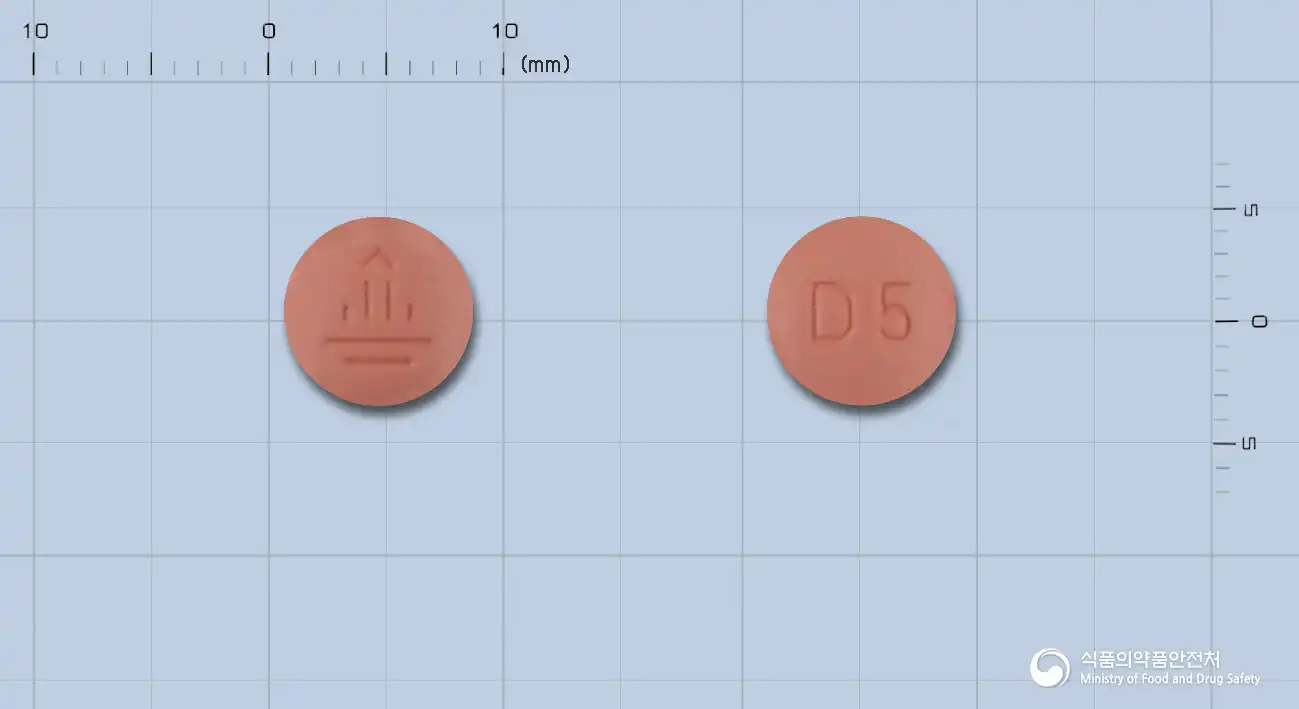
Linagliptin 5mg
Tablet · Prescription medication
Boehringer Ingelheim Korea Co., Ltd.
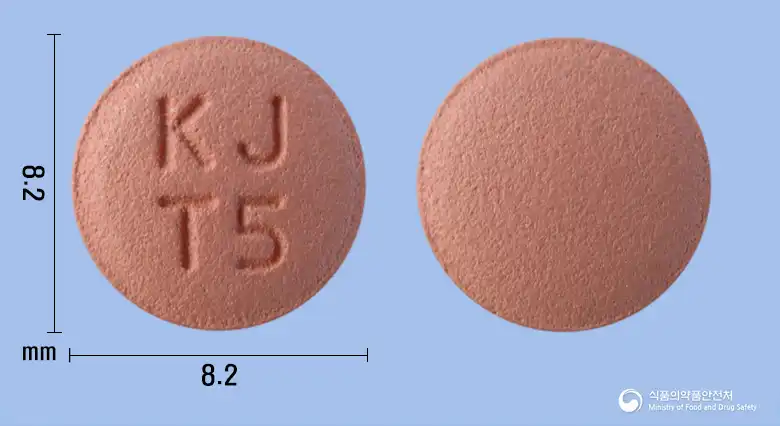
Linagliptin 5mg
Tablet · Prescription medication
International Pharmaceutical Co., Ltd.
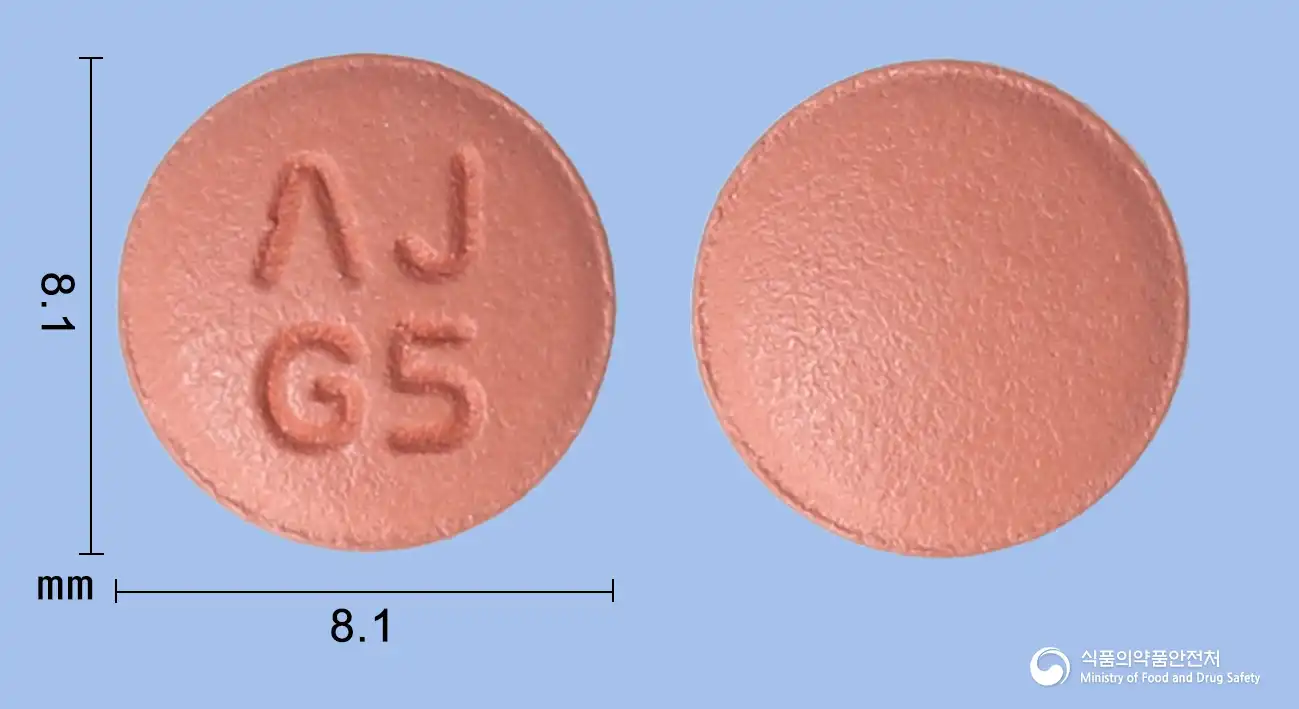
Linagliptin 5mg
Tablet · Prescription medication
Aju Pharmaceuticals Co., Ltd.
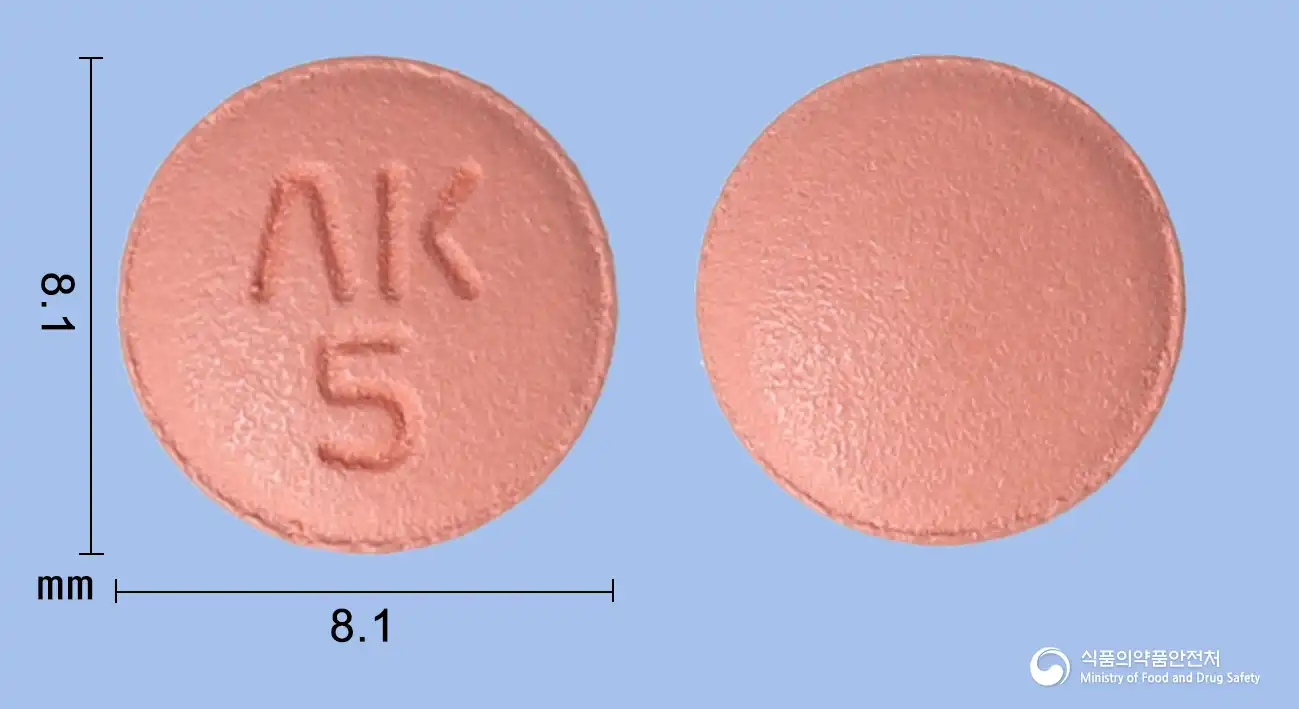
Linagliptin 5mg
Tablet · Prescription medication
Albozen Korea Co., Ltd.
Linagliptin 5mg
Tablet · Prescription medication
Anguk Pharmaceutical Co., Ltd.
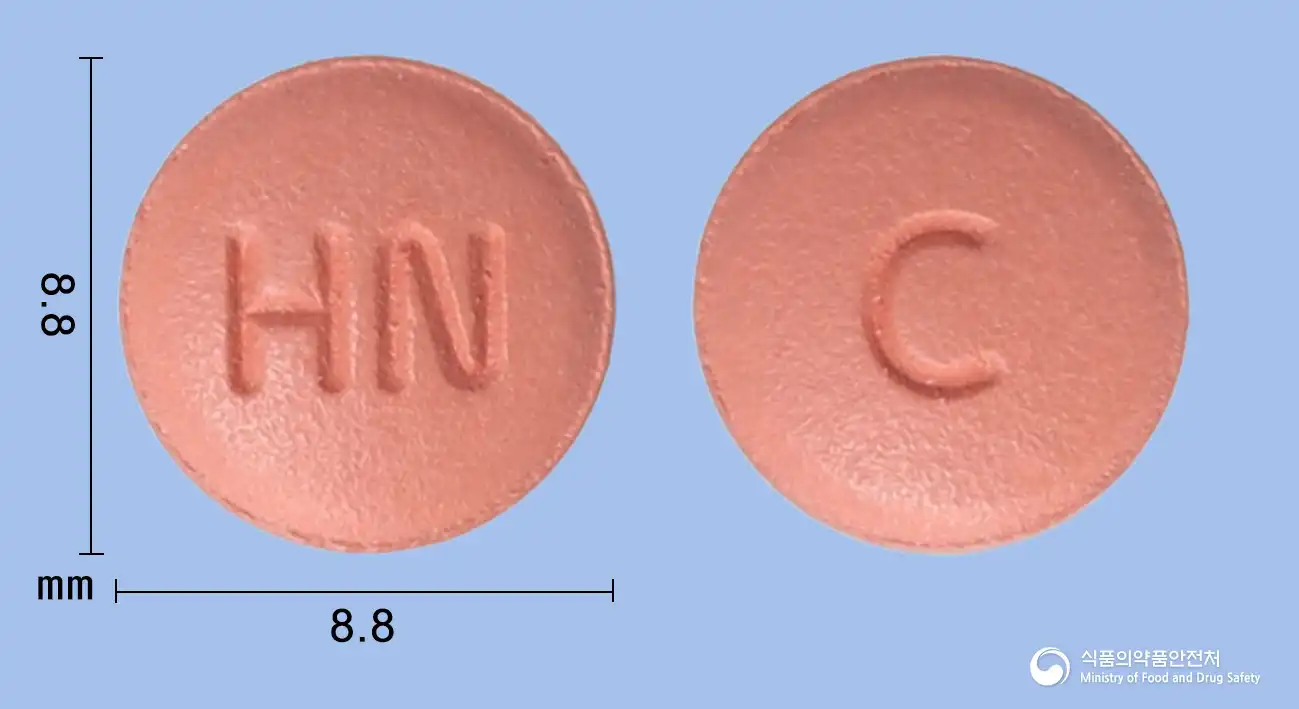
Linagliptin 5mg
Tablet · Prescription medication
Hana Pharmaceutical Co., Ltd.
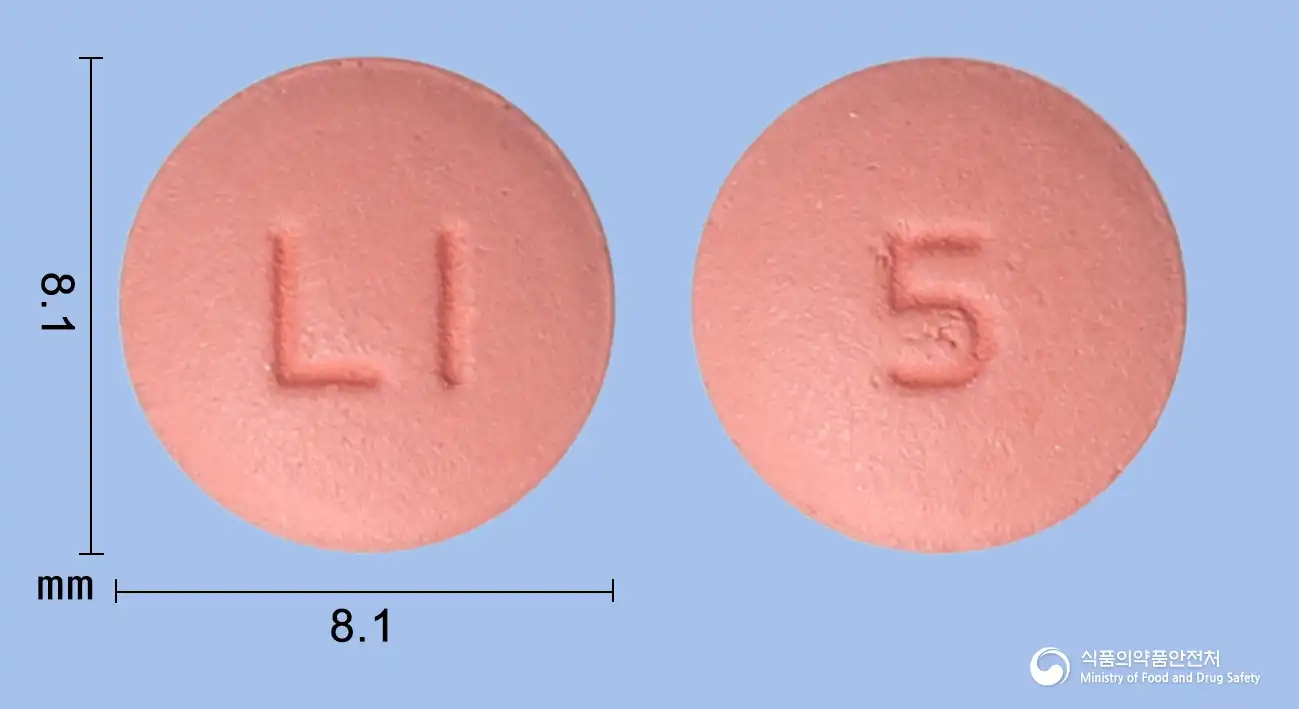
Linagliptin 5mg
Tablet · Prescription medication
Kyungdong Pharmaceutical Co., Ltd.
Even with the same ingredient, the dose and directions can differ by strength and dosage form. Talk to a doctor or pharmacist before switching from a medication you are already taking.
No questions yet.
For anything that needs medical judgment, consult a doctor or pharmacist.
This drug information is based on data provided by the Korea Ministry of Food and Drug Safety.
Consult a doctor or pharmacist for accurate dosage, administration, and usage instructions.