
 한국어
한국어 English
 日本語
日本語 中文(简体)
Dosage form image
Viewing nowCombinationAroten HCT Tablet 5/20/12.5 mg
Amlodipine Besylate · Olmesartan Medoxomil +1 more
Prescription medication · Combination
Korea Pharmaceutical Co., Ltd.
MFDS item code 201805370 · Approved 2018.12.28
This product's status changed to Approval withdrawn on 2023.06.21. It may no longer be sold, so consult a doctor or pharmacist before taking it.
Improvement in blood pressure control for essential hypertension
The combination therapy of amlodipine and olmesartan medoxomil can be used when blood pressure is not well controlled in patients with essential hypertension. These medications work by dilating blood vessels and lowering blood pressure, thereby helping to effectively control blood pressure. Essential hypertension occurs without a specific cause, and managing it well is crucial for heart and vascular health. This combination medication helps improve blood pressure in patients who do not respond to existing single therapy. Therefore, this drug plays an important role in enhancing blood pressure control and preventing cardiovascular diseases. In conclusion, the combination therapy of amlodipine and olmesartan medoxomil is used for the treatment of essential hypertension.
This medication should be taken once daily, with or without food, along with water. It is recommended to take it at the same time daily, if possible (e.g., in the morning). The recommended doses are as follows: - 5/20/12.5 mg: Administer for patients whose blood pressure is inadequately controlled with amlodipine/olmesartan medoxomil 5/20 mg combination therapy. - 5/40/12.5 mg: Administer for patients whose blood pressure is inadequately controlled with amlodipine/olmesartan medoxomil 5/40 mg.
Safety and efficacy for pediatric patients under 18 years of age have not been established; therefore, the use of this medication is not recommended.
This medication can cause serious harm to the fetus and newborn during the second and third trimesters of pregnancy, so it must be discontinued immediately upon confirmation of pregnancy. Patients with allergies to any of the ingredients or similar ingredients or those with certain health conditions should not take this medication. In particular, patients with severe hypotension, severe kidney or liver disease, or certain heart diseases should not use this medication. Patients with low blood volume or salt deficiency may experience hypotension upon initial dosing, necessitating careful monitoring. Patients with weakened kidney function or those who have received kidney transplants should regularly check their kidney function and electrolyte status through blood tests. Patients with liver disease, heart valve disease, and certain autoimmune diseases should also use this medication with caution. This drug can cause electrolyte imbalance, so care should be taken against hypokalemia, hyperkalemia, hyponatremia, and hypercalcemia. Dizziness or drowsiness may occur during treatment, making it unsafe to drive or operate hazardous machinery. This medication can cause photosensitivity reactions; therefore, patients should avoid sun exposure and discontinue use if adverse reactions occur. Regular monitoring of blood pressure and blood tests to evaluate kidney function and electrolyte status during treatment is important. Patients with diabetes or impaired kidney function should consult a doctor before using this medication, and it is necessary to inform the healthcare provider about potential drug interactions. Use of this medication is not recommended during breastfeeding, and safety has not been established in pediatric patients, so it is best to avoid prescribing it to them. In case of overdose, hypotension and heart problems may occur, requiring immediate medical assistance. This medication should be stored out of reach of children and protected from moisture, heat, and direct sunlight.
Urticaria, angioedema, Quincke's edema, severe swelling (edema), tightness in the chest, difficulty breathing, anaphylaxis, acute respiratory distress syndrome (ARDS), acute interstitial pneumonia, pulmonary edema, jaundice, myocardial infarction, arrhythmia, angina, hypotension, thrombosis, embolism, Stevens-Johnson syndrome, vasculitis (including necrotizing vasculitis), convulsions, altered consciousness (such as loss of consciousness), syncope, jaundice
Not everyone experiences these, and they can vary from person to person.
This medication is sensitive to air and moisture; thus, it should be stored in a tightly sealed container. The storage temperature should be kept at room temperature between 1 and 30 degrees Celsius. This will help maintain the drug's effectiveness and safety.
White and orange round film-coated tablet
28 tablets (14 tablets/PTP × 2)/carton
Even with the same ingredient, strength, dosage form and how it is taken can differ.
Amlodipine Besylate · Olmesartan Medoxomil +1 more
Prescription medication · Combination
Korea Pharmaceutical Co., Ltd.
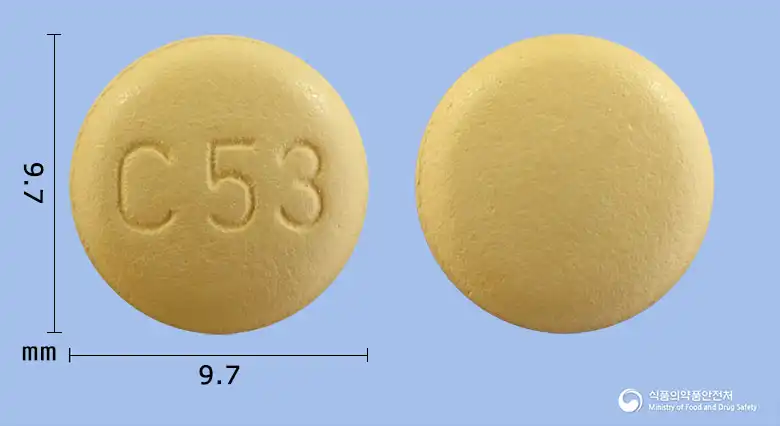 Combination
Olmesartan Medoxomil 40mg · Amlodipine Besylate 6.944mg +1 more
Tablet · Prescription medication · Combination
Hanmi Daiichi Sankyo Co., Ltd.
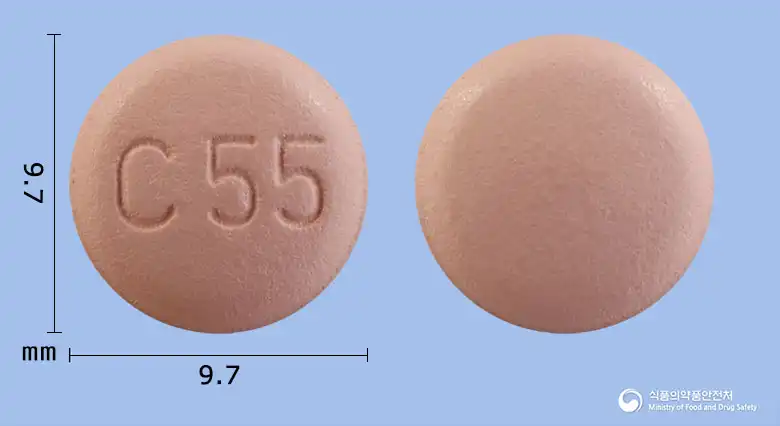 Combination
Olmesartan Medoxomil 40mg · Amlodipine Besylate 13.888mg +1 more
Tablet · Prescription medication · Combination
Daicel Corporation (Co., Ltd.)
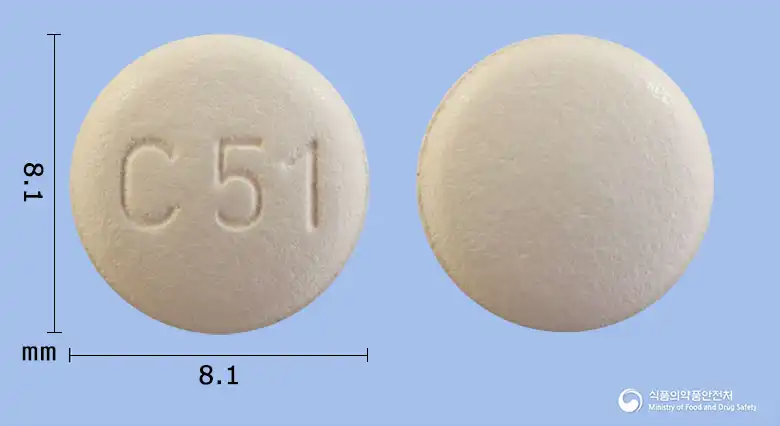 Combination
Olmesartan Medoxomil 20mg · Amlodipine Besylate 6.944mg +1 more
Tablet · Prescription medication · Combination
HanKook Daiichi Sankyo Co., Ltd.
Olmesartan Medoxomil · Amlodipine Besylate +1 more
Prescription medication · Combination
SYNEX Co., Ltd.
Olmesartan Medoxomil · Amlodipine Besylate +1 more
Prescription medication · Combination
SYNEX Co., Ltd.
Olmesartan Medoxomil · Amlodipine Besylate +1 more
Prescription medication · Combination
SYNEX Co., Ltd.
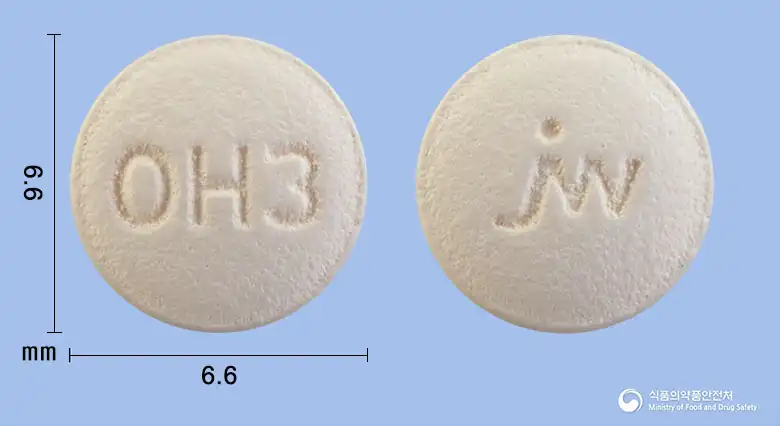 Combination
Amlodipine Besylate 6.944mg · Olmesartan Medoxomil 20mg +1 more
Tablet · Prescription medication · Combination
JW Pharmaceutical Corporation
Even with the same ingredient, the dose and directions can differ by strength and dosage form. Talk to a doctor or pharmacist before switching from a medication you are already taking.
No questions yet.
For anything that needs medical judgment, consult a doctor or pharmacist.
This drug information is based on data provided by the Korea Ministry of Food and Drug Safety.
Consult a doctor or pharmacist for accurate dosage, administration, and usage instructions.