
 한국어
한국어 English
 日本語
日本語 中文(简体)
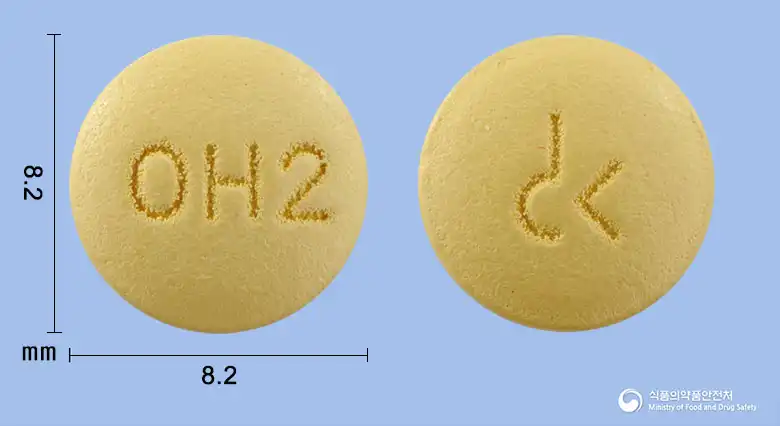 Viewing nowCombination
Amlobika HCT Tablet 5/40/12.5 Milligrams
Amlodipine Besylate 6.944mg · Olmesartan Medoxomil 40mg +1 more
Tablet · Prescription medication · Combination
Dongkook Pharmaceutical Co., Ltd.
MFDS item code 201805283 · Approved 2018.12.26 · Insurance code 653404280
Improvement in blood pressure control for essential hypertension
Essential hypertension patients may take Amlodipine and Olmesartan Medoxomil together. These two medications act to dilate blood vessels and lower blood pressure. However, even when used together, there may be cases where blood pressure control is not adequate. In such situations, it is important to consult healthcare professionals for dose adjustments or additional treatment strategies. Ultimately, these medications help manage blood pressure effectively.
This medication should be taken once daily, with or without food, along with water. It is recommended to take it at the same time each day (e.g., in the morning). The recommended dosage is as follows: - 5/20/12.5mg: Administered to patients whose blood pressure is not adequately controlled with Amlodipine/Olmesartan Medoxomil 5/20mg combination therapy. - 5/40/12.5mg: Administered to patients whose blood pressure is not adequately controlled with Amlodipine/Olmesartan Medoxomil 5/40mg.
The safety and efficacy for pediatric patients under 18 years have not been established, so administration of this medication is not recommended.
This medication can cause severe harm to the fetus and newborn during the second and third trimesters of pregnancy, so it should be discontinued immediately if pregnancy is confirmed. Patients with allergies to this drug or its components, specific heart, kidney, or liver diseases, and pregnant or breastfeeding women should not take this medication. Patients with excessively low blood pressure, severe heart failure, or acute renal failure should not use this medication. For patients with low blood volume or low salt levels, hypotension may occur, so careful monitoring of the condition is necessary during administration. Patients with impaired kidney function, kidney transplant recipients, patients with renovascular hypertension, or those with liver dysfunction should exercise extra caution when using this medication. This medication lowers blood pressure, which may lead to dizziness or drowsiness, necessitating caution when driving or operating dangerous machinery. Some patients may experience increased sensitivity to sunlight, so sun exposure should be avoided, and if photosensitivity reactions occur, use should be discontinued. While taking this medication, regular blood tests should be conducted to monitor electrolyte levels and kidney function, particularly potassium levels. This medication may interact with other antihypertensive drugs, specific diuretics, lithium, and non-steroidal anti-inflammatory drugs (NSAIDs), so consultation with a physician is advised when used concurrently. Elderly individuals may be more sensitive to this medication, so starting at a lower dose and adjusting cautiously is recommended. In case of overdose, blood pressure may drop excessively, so healthcare personnel should be informed immediately for appropriate treatment. The safety and efficacy of this medication have not been established in children, so its use is not recommended.
Hives, severe swelling (edema), chest tightness, difficulty breathing, cold sweat, pallor, severe rash with fever, blisters, skin peeling, pain in mouth/eyes mucosa, difficulty breathing or shortness of breath, asthma attacks, cough with fever and respiratory distress, yellowing of skin or eyes (jaundice), extreme fatigue, sudden and very severe headache, thunderclap headache, seizure, confusion of consciousness, visual disturbances, paralysis, urination changes
Not everyone experiences these, and they can vary from person to person.
This medication should be stored in a tightly sealed container to protect it from air and moisture. It should also be kept away from extremely hot or cold places, ideally stored at room temperature between 1 degree and 30 degrees Celsius.
Pale yellow, round, film-coated tablet
28 tablets (14 tablets/PTP *2)
Even with the same ingredient, strength, dosage form and how it is taken can differ.
Viewing nowCombinationAmlodipine Besylate 6.944mg · Olmesartan Medoxomil 40mg +1 more
Tablet · Prescription medication · Combination
Dongkook Pharmaceutical Co., Ltd.
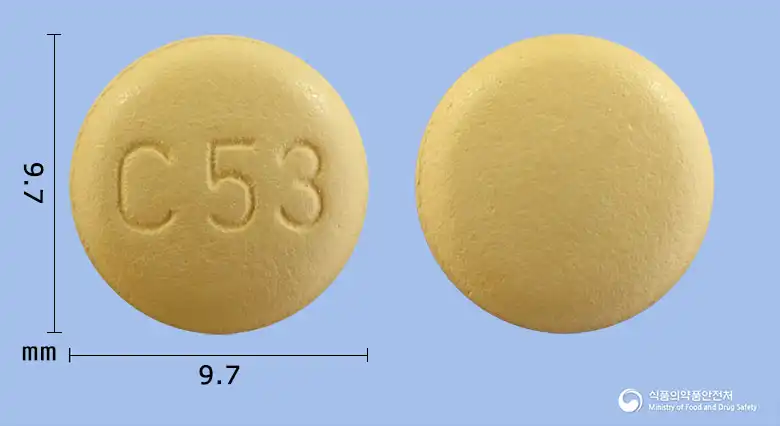 Combination
Olmesartan Medoxomil 40mg · Amlodipine Besylate 6.944mg +1 more
Tablet · Prescription medication · Combination
Hanmi Daiichi Sankyo Co., Ltd.
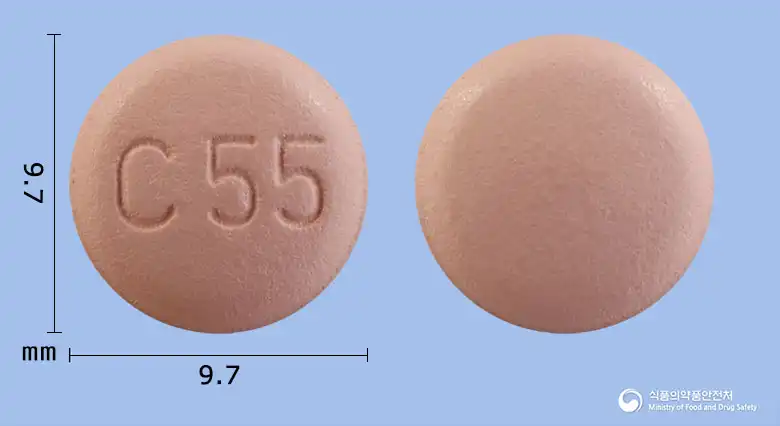 Combination
Olmesartan Medoxomil 40mg · Amlodipine Besylate 13.888mg +1 more
Tablet · Prescription medication · Combination
Daicel Corporation (Co., Ltd.)
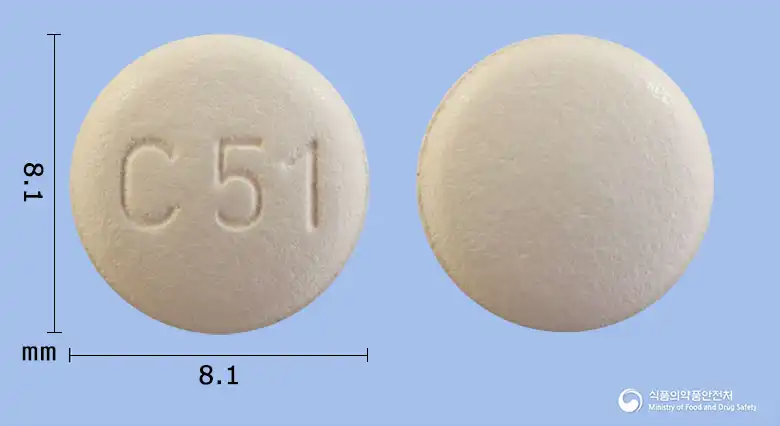 Combination
Olmesartan Medoxomil 20mg · Amlodipine Besylate 6.944mg +1 more
Tablet · Prescription medication · Combination
HanKook Daiichi Sankyo Co., Ltd.
Olmesartan Medoxomil · Amlodipine Besylate +1 more
Prescription medication · Combination
SYNEX Co., Ltd.
Olmesartan Medoxomil · Amlodipine Besylate +1 more
Prescription medication · Combination
SYNEX Co., Ltd.
Olmesartan Medoxomil · Amlodipine Besylate +1 more
Prescription medication · Combination
SYNEX Co., Ltd.
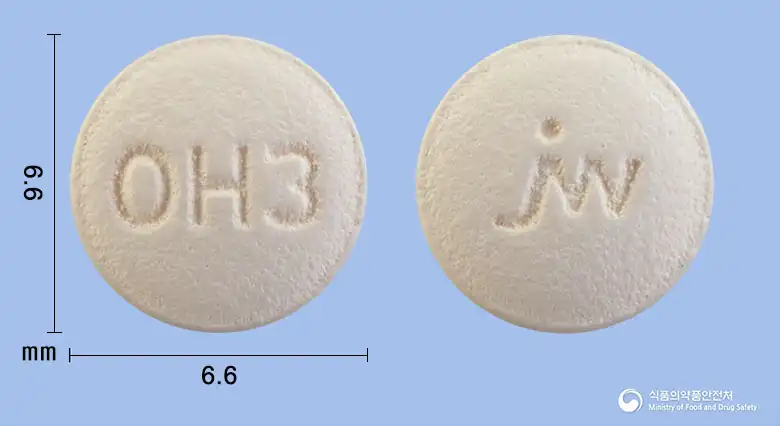 Combination
Amlodipine Besylate 6.944mg · Olmesartan Medoxomil 20mg +1 more
Tablet · Prescription medication · Combination
JW Pharmaceutical Corporation
Even with the same ingredient, the dose and directions can differ by strength and dosage form. Talk to a doctor or pharmacist before switching from a medication you are already taking.
No questions yet.
For anything that needs medical judgment, consult a doctor or pharmacist.
This drug information is based on data provided by the Korea Ministry of Food and Drug Safety.
Consult a doctor or pharmacist for accurate dosage, administration, and usage instructions.