
 한국어
 English
 日本語
 中文(简体)
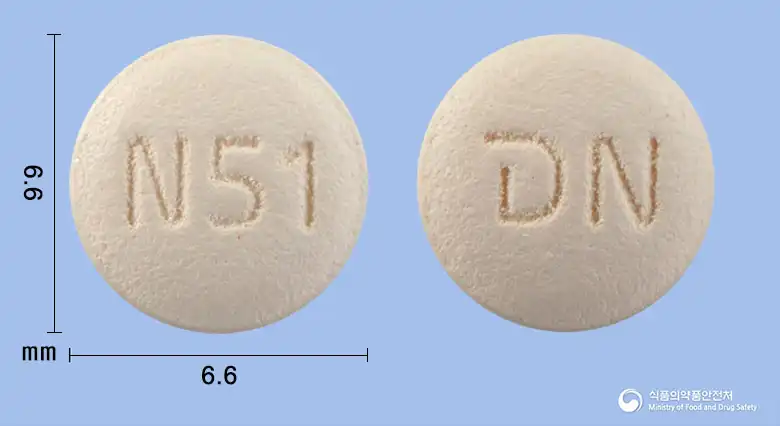 Viewing nowCombination
New Vicaplus Tablet 5/20/12.5 Milligrams
Olmesartan Medoxomil 20mg · Amlodipine Besylate 6.944mg +1 more
Tablet · Prescription medication · Combination
Daehan New Pharm Co., Ltd.
MFDS item code 201805262 · Approved 2018.12.26 · Insurance code 669907320
Treatment of essential hypertension not controlled with amlodipine and olmesartan combination therapy
This medication is used for patients with essential hypertension where combined treatment with Amlodipine and Olmesartan Medoxomil is not effective. It serves as an additional treatment option for patients not adequately controlling their blood pressure.
Take 1 tablet once daily with water, with or without food. It is recommended to take this medicine at the same time each day, if possible (e.g., in the morning). Before administering this medicine, it is recommended to adjust the dose using the individual components (olmesartan medoxomil and amlodipine, as monotherapy or combination therapy). However, if blood pressure is not controlled with combination therapy of amlodipine and olmesartan medoxomil, switching directly to this medicine may be considered as follows. The maximum dose of this medicine is 10/40/25 mg of amlodipine/olmesartan medoxomil/hydrochlorothiazide. The maximum blood pressure-lowering effect occurs within 2 weeks of administration; therefore, adjust the dose at intervals of at least 2 weeks, taking the patient's blood pressure response into account. The recommended doses are as follows. - 5/20/12.5 mg: For patients whose blood pressure is not adequately controlled with combination therapy of amlodipine/olmesartan medoxomil 5/20 mg. - 5/40/12.5 mg: For patients whose blood pressure is not adequately controlled with combination therapy of amlodipine/olmesartan medoxomil 5/40 mg or with this medicine 5/20/12.5 mg. - 5/40/25 mg: For patients whose blood pressure is not adequately controlled with this medicine 5/40/12.5 mg. - 10/40/12.5 mg: For patients whose blood pressure is not adequately controlled with combination therapy of amlodipine/olmesartan medoxomil 10/40 mg or with this medicine 5/40/12.5 mg. - 10/40/25 mg: For patients whose blood pressure is not adequately controlled with this medicine 5/40/25 mg or this medicine 10/40/12.5 mg. ※ Refer to the following dose-escalation schedule. (The amounts of the individual components are listed in the order amlodipine/olmesartan medoxomil/hydrochlorothiazide.) 5/20/0 mg → 5/20/12.5 mg ↓ 5/40/0 mg → 5/40/12.5 mg → 5/40/25 mg ↓ ↓ 10/40/0 mg → 10/40/12.5 mg → 10/40/25 mg □ Patients with renal impairment The maximum dose of this medicine for patients with mild or moderate renal impairment (creatinine clearance 30-60 mL/min) is 20/5/12.5 mg once daily. Monitoring of potassium and creatinine levels is recommended in patients with moderate renal impairment. This medicine should not be administered to patients with severe renal impairment (creatinine clearance < 30 mL/min). □ Patients with hepatic impairment Use with caution in patients with mild or moderate hepatic impairment. The maximum dose of this medicine for patients with moderate hepatic impairment is 5/20/12.5 mg once daily. Blood pressure and renal function should be closely monitored in patients with hepatic impairment. This medicine should not be administered to patients with severe hepatic impairment. □ Older adults (65 years and older) Treatment is generally started at a low dose. When adjusting the dose, consider the patient's renal or cardiac function and coexisting diseases. Blood pressure should be monitored closely and more frequently in older adults. In particular, experience with use of this medicine in adults aged 75 years and older is very limited, so patients in this age group should be monitored very carefully during treatment.
□ Pediatric patients The safety and efficacy of this medicine in pediatric patients under 18 years of age have not been established; therefore, its use is not recommended.
This medication can cause serious harm to the fetus and newborn when taken during the second and third trimesters of pregnancy, so it should be discontinued immediately upon confirmation of pregnancy. Patients with allergies to this drug or its components, or those with certain heart, kidney, or liver diseases should not use it. Patients with very low blood pressure, severe heart failure, or significantly impaired kidney function may also be at risk when taking this medication. Patients with low blood volume or insufficient body salt may experience hypotensive symptoms when first taking it, so caution is necessary. Patients with weakened kidney function or kidney transplant recipients should have regular blood tests to monitor their kidney function and electrolyte status. Patients with liver dysfunction or liver disease may experience serious side effects such as hepatic coma when taking this medication and should be cautious. Elderly patients or those with certain diseases may respond more sensitively to this medication, so consultation with a physician before use is advised. This medication may interact with other antihypertensives or specific medications, so it should be taken after consultation with a healthcare professional. Symptoms such as dizziness, headache, and swelling may occur during treatment; in severe cases, immediate medical attention should be sought. This medication is not recommended for lactating women; it is advisable to avoid taking it or to cease breastfeeding during treatment. It is safe for children under 18 years not to take this medication. In cases of overdose, severe hypotension or heart problems may occur, so the prescribed dosage and administration should be strictly followed. This medication should be stored in a tightly sealed container away from direct sunlight and moisture, out of reach of children.
Peripheral edema, headache, dizziness, upper respiratory infection, nasopharyngitis, urinary tract infection, sialadenitis, leukopenia, thrombocytopenia, bone marrow suppression, neutropenia, agranulocytosis, hemolytic anemia, aplastic anemia, anaphylactic reaction, drug hypersensitivity, hyperkalemia, hypokalemia, loss of appetite, diabetes, hypercalcemia, hyperglycemia, hypomagnesemia, hyponatremia, hypochloremia, hypertriglyceridemia, hypercholesterolemia, hyperuricemia, hypochloremic alkalosis, hyperamylasemia, confusion, depression, apathy, sensitivity to stimuli, anxiety, mood changes, sleep disturbances, neurological abnormalities, orthostatic dizziness, syncope, taste disorders, hypertonia, sensory reduction, paresthesia, peripheral neuropathy, drowsiness, syncope, convulsions, loss of appetite, tremor, visual disturbances, decreased tears, worsening myopia, jaundice, vertigo, tinnitus, palpitations, tachycardia, myocardial infarction, arrhythmia, angina, hypotension, flushing, orthostatic hypotension, vasculitis, thrombosis, embolism, cough, bronchitis, dyspnea, pharyngitis, rhinitis, acute interstitial pneumonia, respiratory distress syndrome, pulmonary edema, diarrhea, nausea, constipation, dry mouth, abdominal pain, changes in bowel habits, bloating, dyspepsia, gastritis, gastric discomfort, gastroenteritis, gingival hyperplasia, paralytic ileus, pancreatitis, vomiting, hepatitis, jaundice, acute cholecystitis, hair loss, angioedema, allergic dermatitis, erythema multiforme, erythema, lupus erythematosus-like skin reaction, exanthematous pustulosis, exfoliative dermatitis, hyperhidrosis, photosensitivity reaction, pruritus, purpura, Quincke's edema, rash, recurrence of lupus erythematosus, toxic skin necrosis, skin discoloration, Stevens-Johnson syndrome, urticaria, muscle cramps, joint swelling, muscle weakness, ankle swelling, arthralgia, arthritis, low back pain, paresis, myalgia, bone pain, frequency of urination, acute renal failure, hematuria, voiding disorders, nocturia, interstitial nephritis, renal failure, erectile dysfunction, gynecomastia, weakness, fatigue, chest pain, fever, influenza-like symptoms, lethargy, malaise, edema, pain, facial swelling, increased serum creatinine, increased blood urea, increased serum uric acid, decreased serum potassium, elevated gamma-glutamyl transferase, elevated alanine aminotransferase, elevated aspartate aminotransferase, elevated liver enzymes, elevated serum creatine phosphokinase, weight loss, weight gain, rhabdomyolysis, chronic malabsorption syndrome, intestinal vascular edema, altered consciousness, drug hypersensitivity, upper abdominal pain, decreased libido, ascites, weakness, loss of consciousness, eczema, limb pain, mild decrease in average hemoglobin and hematocrit levels, dizziness, benign prostatic hyperplasia, benign salivary gland neoplasm, cerebral infarction, renal failure, abdominal distension, facial flushing, epistaxis, prostatic hyperplasia, prostatitis, dysphagia, papular rash, renal cell dysplasia, acute hearing loss, lymphangitis, acute respiratory distress syndrome
Not everyone experiences these, and they can vary from person to person.
This medication should be stored in a tightly sealed container to prevent exposure to air or moisture. The recommended storage temperature is room temperature between 1°C and 30°C.
White and orange round film-coated tablet
30 tablets/PPT[10 tablets/Alu-Alu×3]
Even with the same ingredient, strength, dosage form and how it is taken can differ.
Viewing nowCombinationOlmesartan Medoxomil 20mg · Amlodipine Besylate 6.944mg +1 more
Tablet · Prescription medication · Combination
Daehan New Pharm Co., Ltd.
Olmesartan Medoxomil · Amlodipine Besylate +1 more
Prescription medication · Combination
Hanmi Daiichi Sankyo Co., Ltd.
Olmesartan Medoxomil · Amlodipine Besylate +1 more
Prescription medication · Combination
Korea Daiichi Sankyo Co., Ltd.
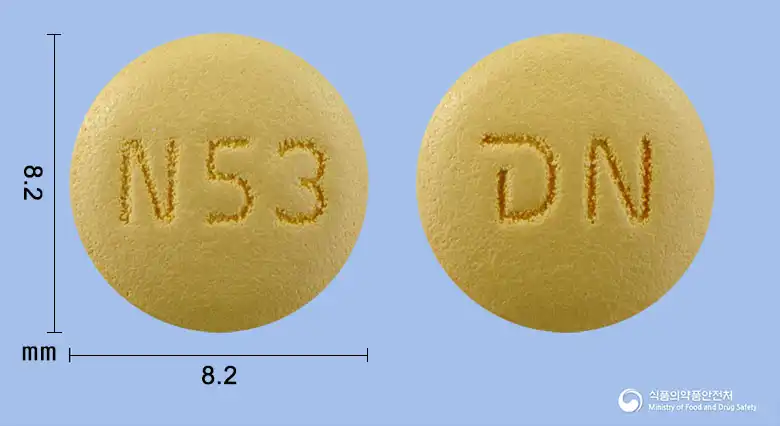 Combination
Olmesartan Medoxomil 40mg · Amlodipine Besylate 6.944mg +1 more
Tablet · Prescription medication · Combination
Daehan Newpharm Co., Ltd.
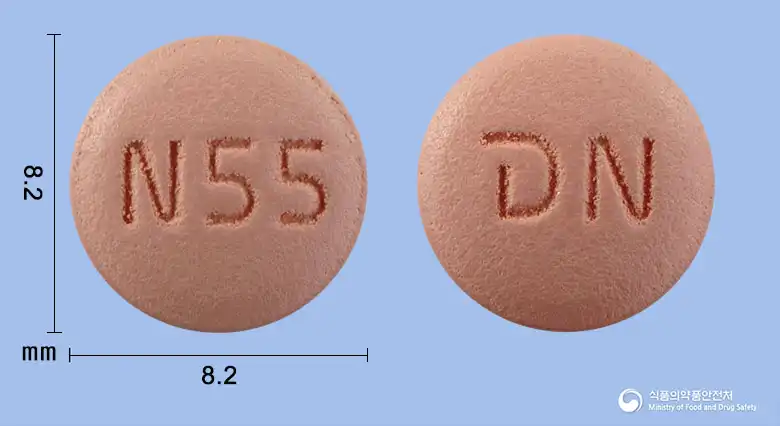 Combination
Olmesartan Medoxomil 40mg · Amlodipine Besylate 13.888mg +1 more
Tablet · Prescription medication · Combination
Daehan Newpharm Co., Ltd.
Amlodipine Besylate 13.888mg · Olmesartan Medoxomil 40mg +1 more
Tablet · Prescription medication · Combination
Shinil Pharmaceutical Co., Ltd.
Olmesartan Medoxomil 40mg · Amlodipine Besylate 6.944mg +1 more
Tablet · Prescription medication · Combination
FarmGen Science Co., Ltd.
Olmesartan Medoxomil 20mg · Amlodipine Besylate 6.944mg +1 more
Tablet · Prescription medication · Combination
Palmgen Science Co., Ltd.
Even with the same ingredient, the dose and directions can differ by strength and dosage form. Talk to a doctor or pharmacist before switching from a medication you are already taking.
No questions yet.
For anything that needs medical judgment, consult a doctor or pharmacist.
This drug information is based on data provided by the Korea Ministry of Food and Drug Safety.
Consult a doctor or pharmacist for accurate dosage, administration, and usage instructions.