
 한국어
 English
 日本語
 中文(简体)
 Viewing now
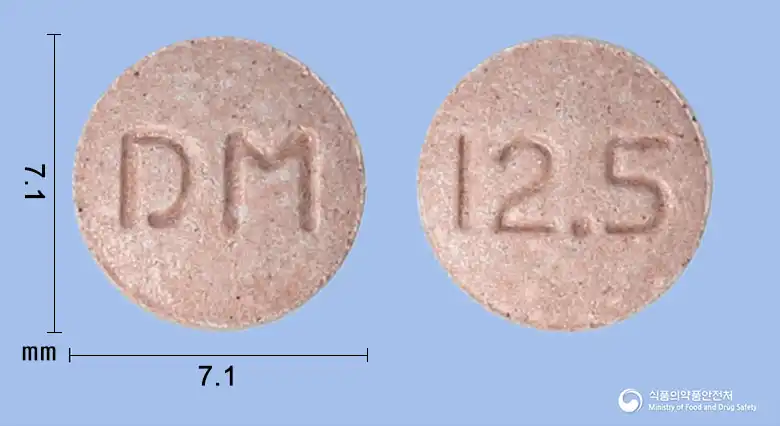
Newdilen Tablets 12.5 mg (Carvedilol)
Carvedilol 12.5mg
Tablet · Prescription medication
Dasan Pharmaceutical Co., Ltd.
MFDS item code 201805113 · Approved 2018.12.17 · Insurance code 678601200
Treatment of essential hypertension and chronic stable angina
This medication is used for essential hypertension and chronic stable angina.
Do not increase the dose or stop taking this medicine without your doctor's instructions. 1. Essential hypertension 1) Adults (1) For the first 2 days, administer carvedilol 12.5 mg orally once daily, then administer 25 mg orally once daily. (2) The usual dose is 25 mg orally once daily for 2 weeks. If a dose increase is needed, increase to 25 mg twice daily. The maximum dose per administration is 25 mg, and the maximum daily dose is 50 mg. 2) Elderly patients In some elderly patients, 12.5 mg once daily may provide sufficient effect. However, if the effect is insufficient after 2 weeks of treatment, the dose may be increased. 2. Chronic stable angina 1) For the first 2 days, administer 12.5 mg of this drug orally twice daily, then administer 25 mg orally twice daily. 2) The usual dose is 25 mg twice daily for 2 weeks. If a dose increase is needed (excluding elderly patients), the dose may be increased to 50 mg twice daily.
This drug should not be used in certain patients. In particular, individuals with allergies to this drug or its components, very poor heart function, a slow heart rate, heart conduction issues, heart diseases related to the lungs, severe metabolic abnormalities due to diabetes, and pregnant or breastfeeding women may be at risk when taking this medication. Also, individuals with respiratory diseases such as asthma or chronic lung disease, or those with such medical histories, should be careful as their symptoms may worsen with this drug. Patients with diabetes, severe allergic reactions, very low blood pressure, weak kidney and liver function, and the elderly should take this medication carefully and regularly check their blood pressure and heart condition during treatment. Symptoms such as dizziness, fatigue, and headache may occur during the initial dose or upon dose increase, and in severe cases, heart rate may slow down or heart failure may worsen, making it essential to consult a physician immediately if these symptoms appear. This drug has many interactions with other medications that can affect blood pressure or heart function, so it is crucial to inform your physician if you are taking other drugs. Pregnant or breastfeeding women should not use this medication, and it is advisable not to use it in children and adolescents as safety has not been established. In elderly patients, drug concentrations may increase due to decreased liver function, so starting at a lower dose and taking it carefully is recommended. In case of overdose, serious symptoms such as low blood pressure, heart rhythm abnormalities, and difficulty breathing may occur; contact medical personnel immediately and receive appropriate treatment. When taking this drug for a long time, regular heart function tests and blood pressure measurements should be conducted, and it is crucial not to stop it abruptly but to gradually reduce the dose as directed by a physician. Store in a cool, dry place away from light, and keep out of reach of children.
Dizziness, headache, fatigue, weakness, hallucinations, confusion, depression, sleep disorders, nightmares, psychosis, severe bradycardia, shock, complete heart block, heart failure, cardiac arrest, significant drop in blood pressure, loss of consciousness, decreased pulse rate, cold extremities, edema, worsening heart failure, asystole, worsening kidney function, kidney failure, increased respiratory tract resistance, nausea, diarrhea, abdominal pain, vomiting, constipation, hives, itching, lichen planus-like reaction, excessive sweating, allergic rash, serum amino transferase changes, thrombocytopenia, leukopenia, latent diabetes onset, hypoglycemia, masking of hyperthyroidism, hyperglycemia, weight gain, increased blood cholesterol, bradycardia, hypotension, shortness of breath, hypertension in angina, liver dysfunction, jaundice, limb pain, reduced tear production, sensory impairment, visual impairment, eye irritation, dry mouth, urination disorders, sexual dysfunction, allergic reactions, cerebrovascular disorders, increased sputum, tachycardia, hyperglycemia, flushing, leukocytosis, hematuria, myocardial infarction, hyperkalemia, blood pressure lowering, drowsiness, decreased heart rate, increased blood pressure lowering effect, increased blood pressure, difficulty controlling blood pressure, blood pressure lowering, amplification of blood pressure lowering effect, increase in blood pressure lowering action, enhancement of blood pressure lowering effect, increase of blood pressure lowering effect, orthostatic hypotension, increased vasodilatory effect, elevation of blood pressure lowering effect, increase in the effect of blood pressure lowering, amplification of the blood pressure lowering effect, increase in blood pressure lowering effect
Not everyone experiences these, and they can vary from person to person.
This drug should be stored in a tightly closed container protected from light, maintaining a storage temperature between 1 degree and 30 degrees Celsius. That is, it is important to avoid direct sunlight and store at an appropriate temperature.
Brownish-red round tablets
90 tablets (10 tablets/PTP x 9)
Even with the same ingredient, strength, dosage form and how it is taken can differ.
Viewing nowCarvedilol 12.5mg
Tablet · Prescription medication
Dasan Pharmaceutical Co., Ltd.
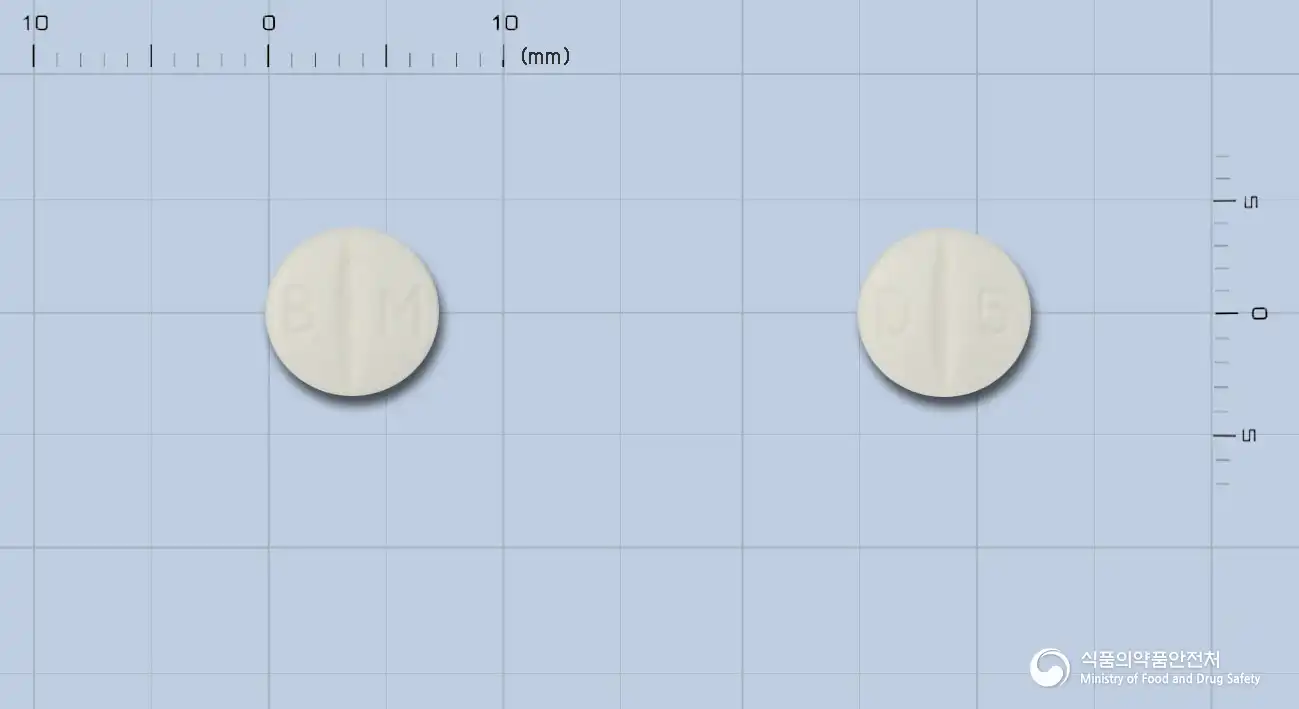
Carvedilol 25mg
Tablet · Prescription medication
Jongkun Dang Co., Ltd.
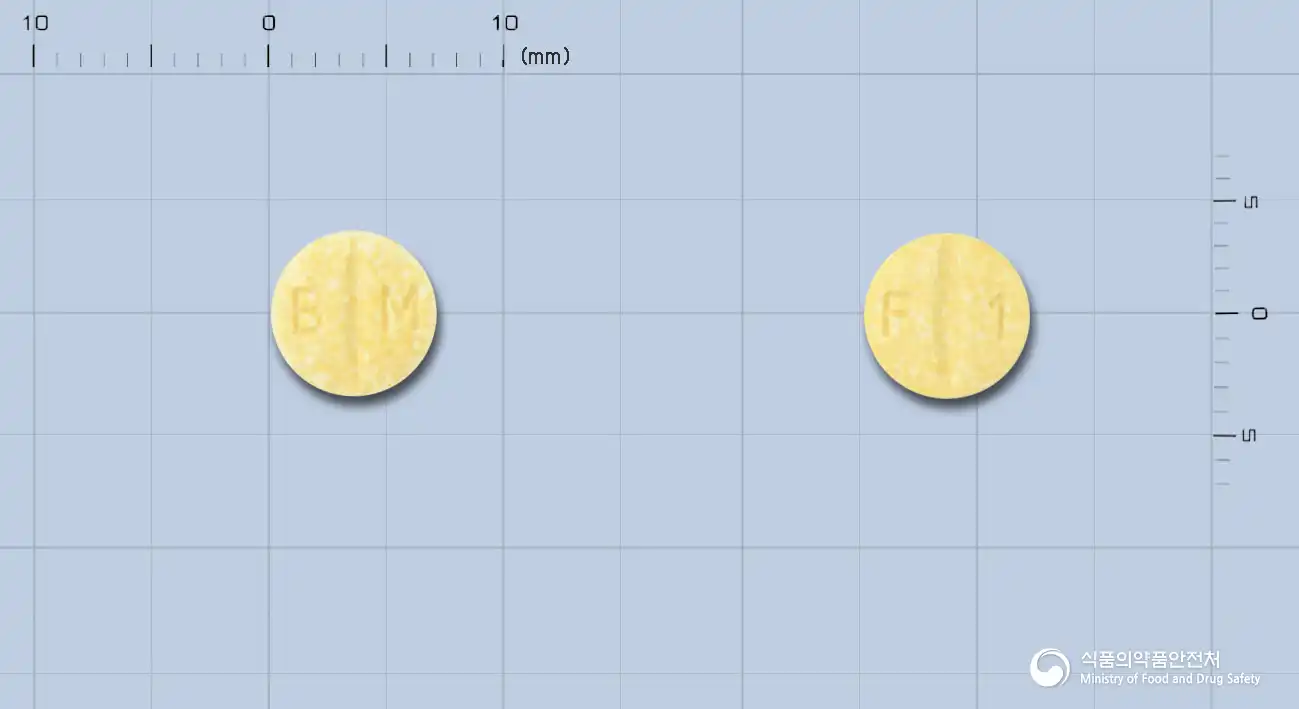
Carvedilol 6.25mg
Tablet · Prescription medication
Jongkundang Co., Ltd.
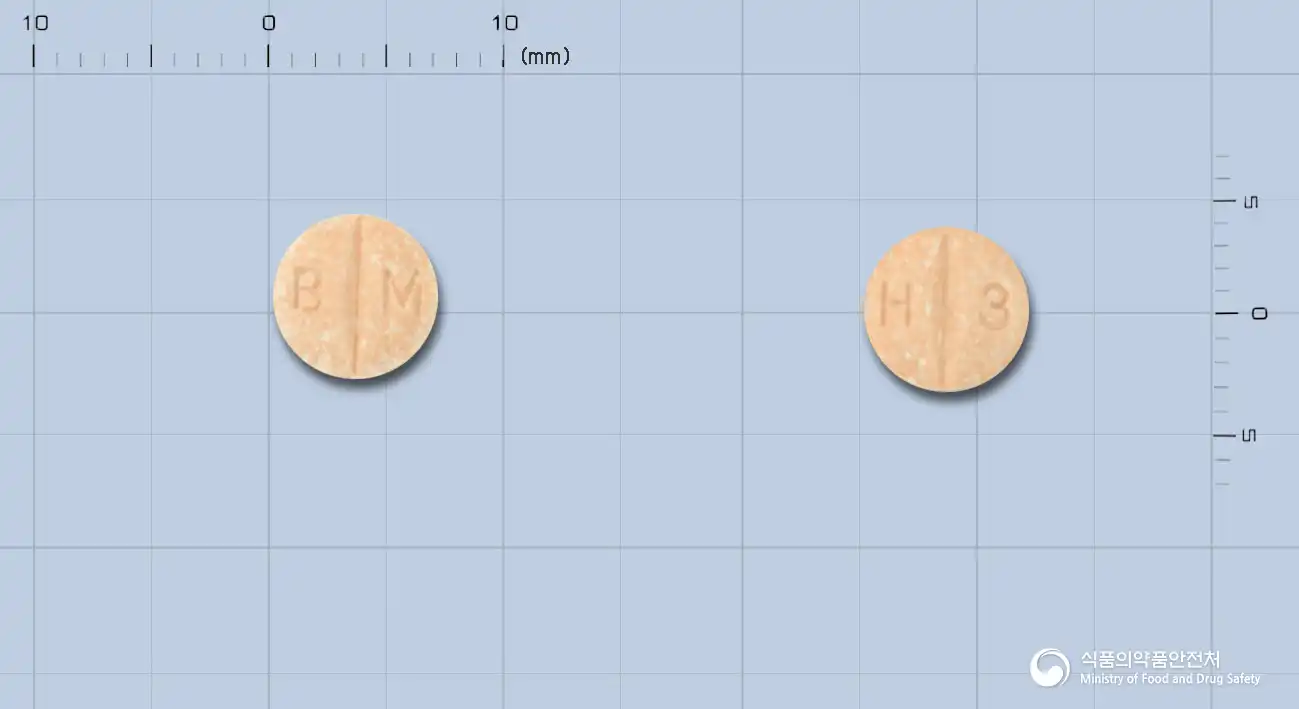
Carvedilol 12.5mg
Tablet · Prescription medication
Jongkundang Co., Ltd.
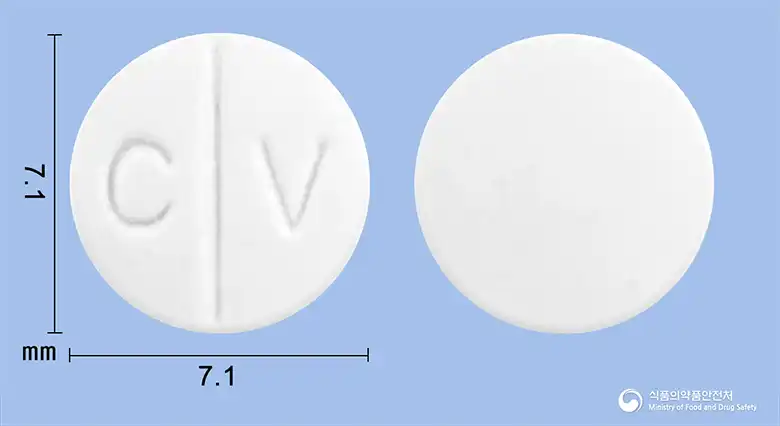
Carvedilol 25mg
Tablet · Prescription medication
Hanmi Pharmaceutical Co., Ltd.
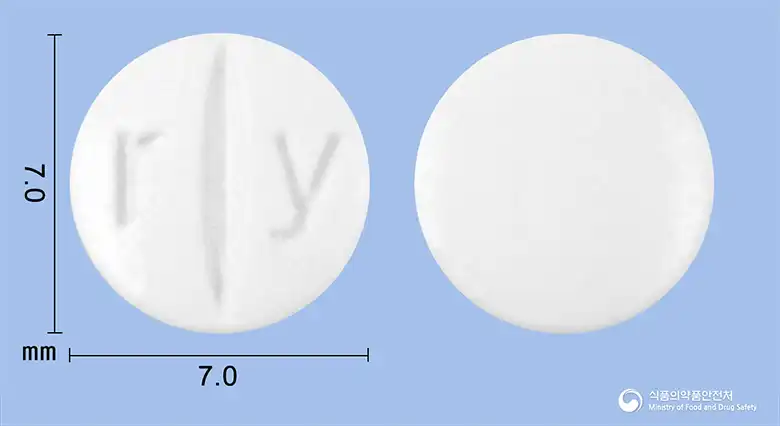
Carvedilol 25mg
Tablet · Prescription medication
Lee Yeon Pharmaceuticals Co., Ltd.
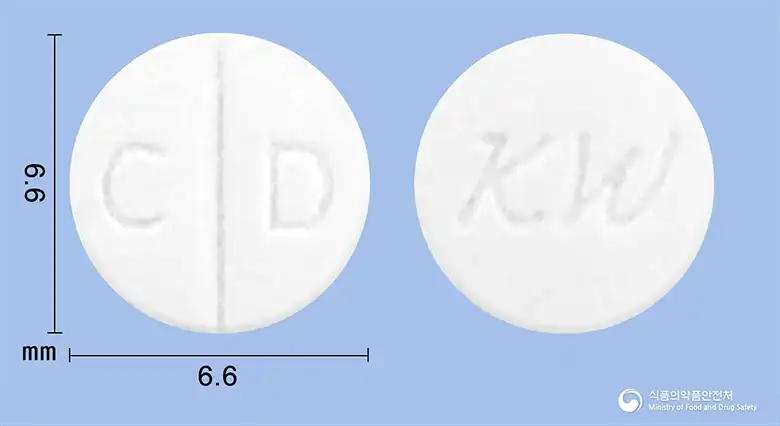
Carvedilol 25mg
Tablet · Prescription medication
Albozen Korea Co., Ltd.
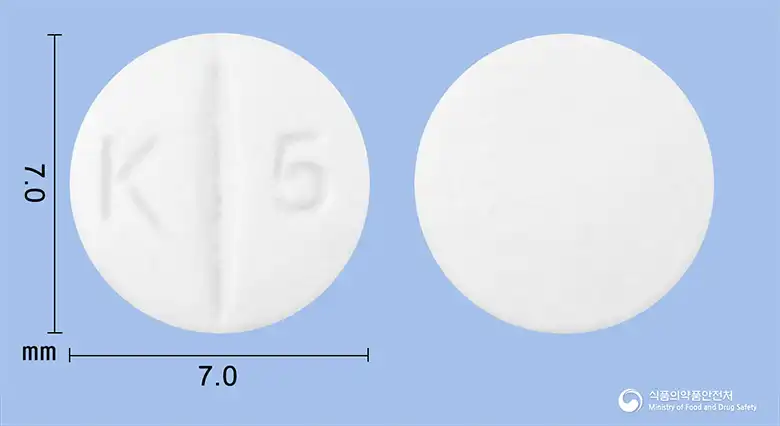
Carvedilol 25mg
Tablet · Prescription medication
Myungin Pharmaceutical Co., Ltd.
Even with the same ingredient, the dose and directions can differ by strength and dosage form. Talk to a doctor or pharmacist before switching from a medication you are already taking.
No questions yet.
For anything that needs medical judgment, consult a doctor or pharmacist.
This drug information is based on data provided by the Korea Ministry of Food and Drug Safety.
Consult a doctor or pharmacist for accurate dosage, administration, and usage instructions.