
 한국어
한국어 English
 日本語
日本語 中文(简体)
 Viewing now
Telmisartan 80 mg Tablet
Telmisartan 80mg
Tablet · Prescription medication
Hanlim Pharmaceuticals Co., Ltd.
MFDS item code 201804852 · Approved 2018.11.30 · Insurance code 645305960
Treatment of essential hypertension and reduction of cardiovascular disease risk
This medication is used in the treatment of essential hypertension and helps to reduce the risk of cardiovascular disease through blood pressure management. In particular, it is effective in reducing the risk of myocardial infarction, stroke, and death from cardiovascular disease in patients aged 55 and older with a history of coronary artery disease, peripheral artery disease, stroke, transient ischemic attack, or high-risk diabetes who cannot use ACE inhibitors. Therefore, this drug plays an important role in controlling blood pressure and maintaining cardiovascular health.
Essential hypertension: Take 40 mg once daily as telmisartan orally with water, and can be taken regardless of meals. Depending on the patient, 20 mg once daily may also be effective, and if necessary, the dose can be increased up to 80 mg once daily. The maximum blood pressure-lowering effect is observed 4 to 8 weeks after starting treatment. Reduction of cardiovascular disease risk: Take 80 mg once daily as telmisartan orally with water.
This medication can cause serious harm, particularly to the fetus and newborn, during pregnancy; therefore, it should be discontinued immediately if pregnancy is confirmed. People who are allergic to this drug or its ingredients, pregnant women or women who may become pregnant, breastfeeding women, patients with severely impaired liver function, patients with a history of angioedema, and patients with diabetes or severe renal impairment should not take this drug. Elderly patients, patients with hyperkalemia, patients with mildly impaired liver function, patients with valvular heart disease or cardiomyopathy, patients with gastrointestinal disease, patients with renal vascular hypertension, and patients with severe renal impairment should use caution when taking this medication and have their condition monitored closely. During treatment with this drug, serious side effects may occur, though rarely, such as blood pressure drop, hyperkalemia, renal dysfunction, angioedema, impaired liver function, interstitial pneumonia, and rhabdomyolysis; therefore, if any unusual symptoms arise, it is important to consult a healthcare professional immediately. In particular, diabetic patients should be closely monitored for hypoglycemic symptoms, and if blood pressure drops too low or symptoms such as dizziness or fainting occur, immediate treatment should be sought. It is safe to take this drug while regularly checking kidney function and serum potassium levels; if there is insufficient blood volume or sodium in the body, there is a risk of hypotension, so the condition should be improved before taking the medication. Interactions may occur if this drug is taken in combination with other antihypertensive agents, diuretics, potassium-sparing diuretics, lithium, and non-steroidal anti-inflammatory drugs (NSAIDs), so it should be taken after consulting with a physician or pharmacist. Patients scheduled for surgery should avoid taking this medication within 24 hours prior to the procedure, and caution should be exercised when driving or operating machinery due to the risk of dizziness or fainting. This drug contains sorbitol, so it is advisable for individuals with fructose intolerance to avoid taking it. Women who are pregnant or planning to become pregnant should avoid taking this drug as it poses serious risks to the fetus, and breastfeeding women should discontinue breastfeeding if they take this medication. Children under 18 years of age should not take this drug, as its safety and efficacy have not been established. In case of overdose, symptoms such as hypotension, dizziness, and acute renal failure may occur, so immediate medical attention should be sought, and because this drug is not removed by dialysis, caution is necessary. This drug should be kept out of reach of children, and transferring it to another container is not advisable for maintaining quality.
Hives, severe swelling (angioedema, facial swelling, swelling of the lips, pharynx, larynx, tongue), chest tightness, difficulty breathing, cold sweat, pallor, severe rash with fever, blisters, skin peeling, mucosal pain in the mouth/eyes, difficulty breathing, asthma attacks, breathing difficulties accompanied by cough and fever, yellowing of the skin or eyes (jaundice), profound malaise, sudden and severe headache, lightning headache, seizures, loss of consciousness
Not everyone experiences these, and they can vary from person to person.
This medication should be stored in a tightly sealed container to prevent air or moisture from entering. It is recommended to maintain a storage temperature between 1 to 30 degrees Celsius at room temperature to preserve the drug's effectiveness and safety.
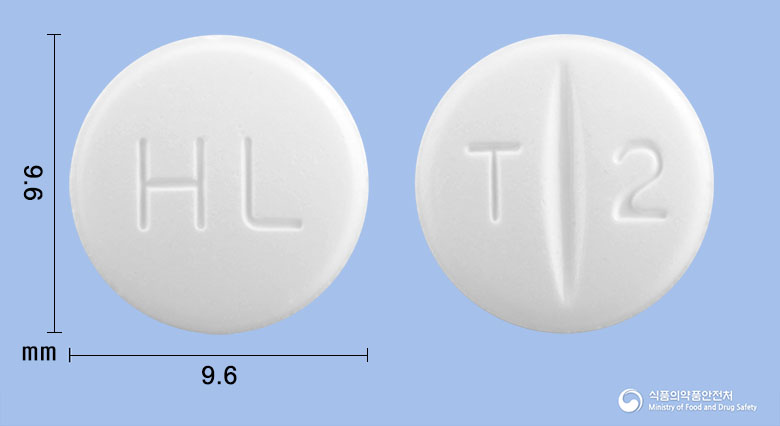
White or almost white, biconvex round tablets
30 tablets/bottle, 100 tablets/bottle
Even with the same ingredient, strength, dosage form and how it is taken can differ.
Viewing nowTelmisartan 80mg
Tablet · Prescription medication
Hanlim Pharmaceuticals Co., Ltd.
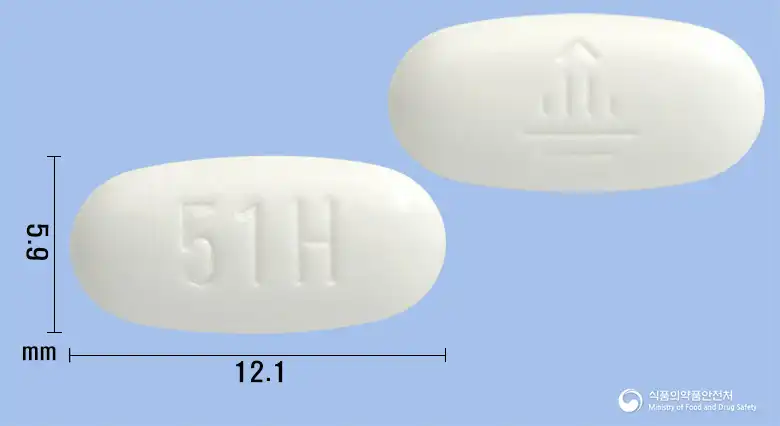
Telmisartan 40mg
Tablet · Prescription medication
Boehringer Ingelheim Korea Co., Ltd.
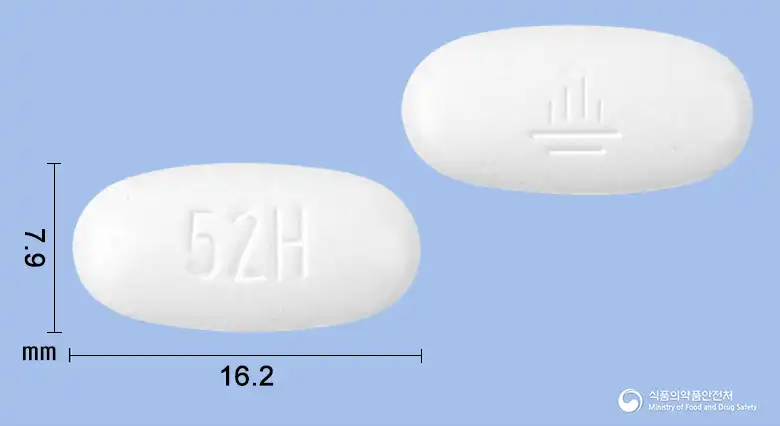
Telmisartan 80mg
Tablet · Prescription medication
Boehringer Ingelheim Korea Co., Ltd.
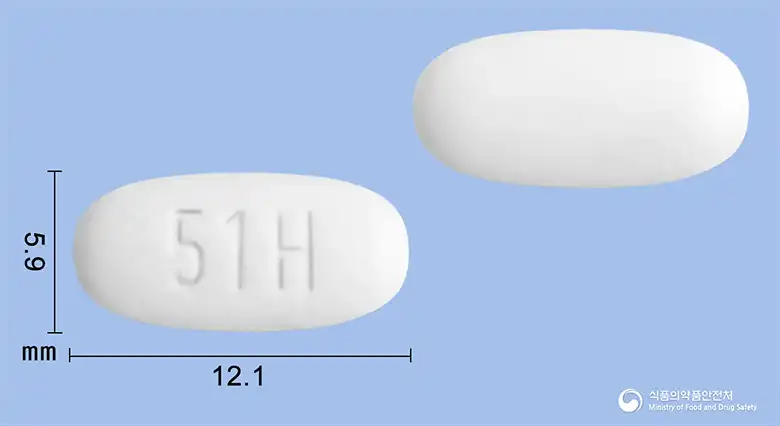
Telmisartan 40mg
Tablet · Prescription medication
Kwangdong Pharmaceutical Co., Ltd.
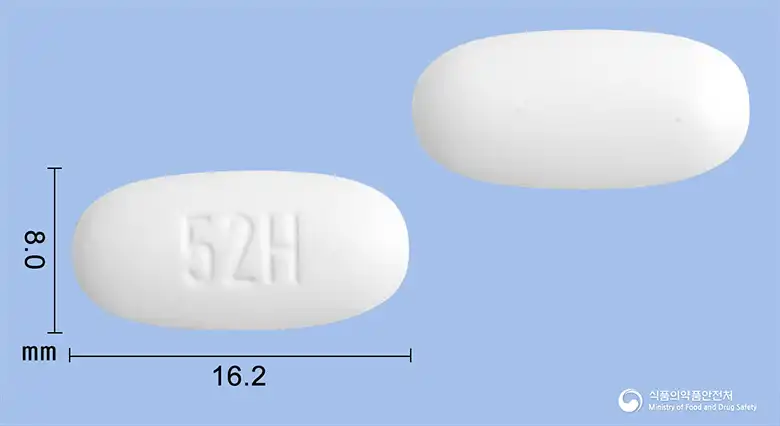
Telmisartan 80mg
Tablet · Prescription medication
Kwangdong Pharmaceutical Co., Ltd.
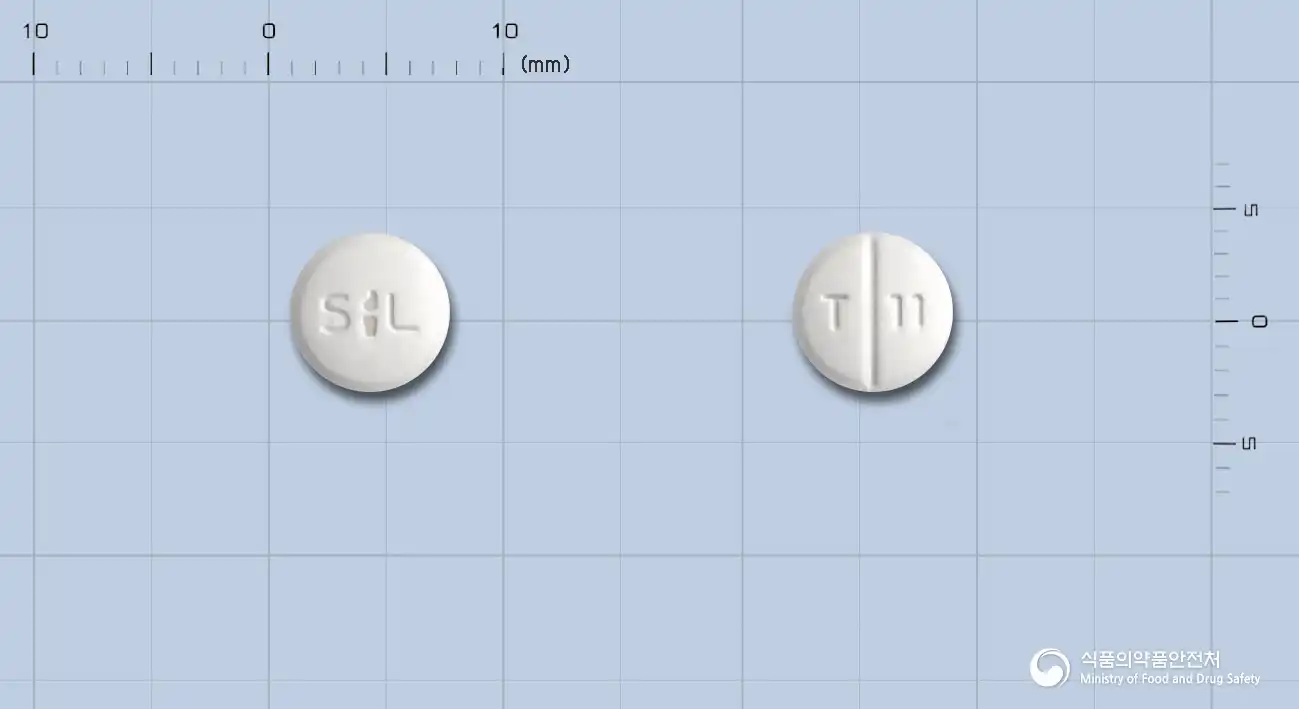
Telmisartan 40mg
Tablet · Prescription medication
Sam-il Pharmaceutical Co., Ltd.
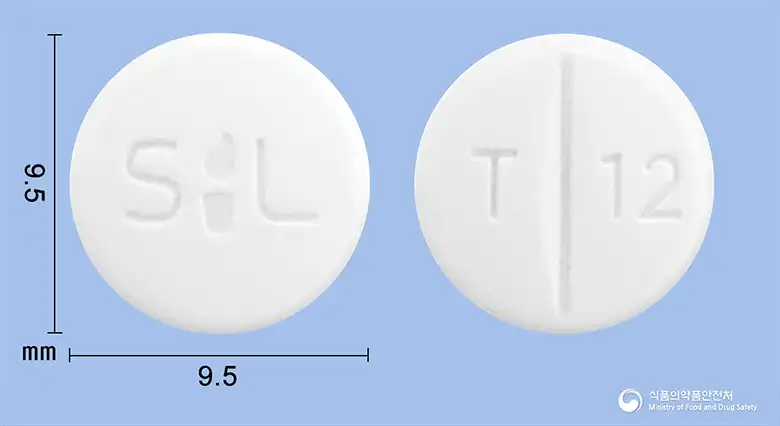
Telmisartan 80mg
Tablet · Prescription medication
Samil Pharmaceutical Co., Ltd.
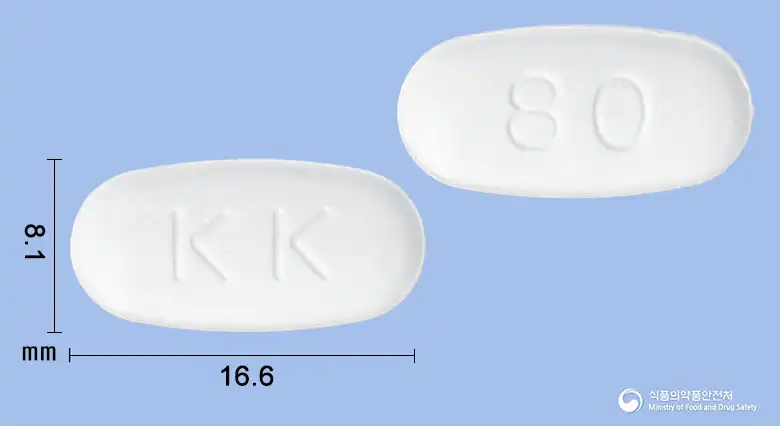
Telmisartan 80mg
Tablet · Prescription medication
Genewon Science Co., Ltd.
Even with the same ingredient, the dose and directions can differ by strength and dosage form. Talk to a doctor or pharmacist before switching from a medication you are already taking.
No questions yet.
For anything that needs medical judgment, consult a doctor or pharmacist.
This drug information is based on data provided by the Korea Ministry of Food and Drug Safety.
Consult a doctor or pharmacist for accurate dosage, administration, and usage instructions.