
 한국어
 English
 日本語
 中文(简体)
 Viewing nowCombination
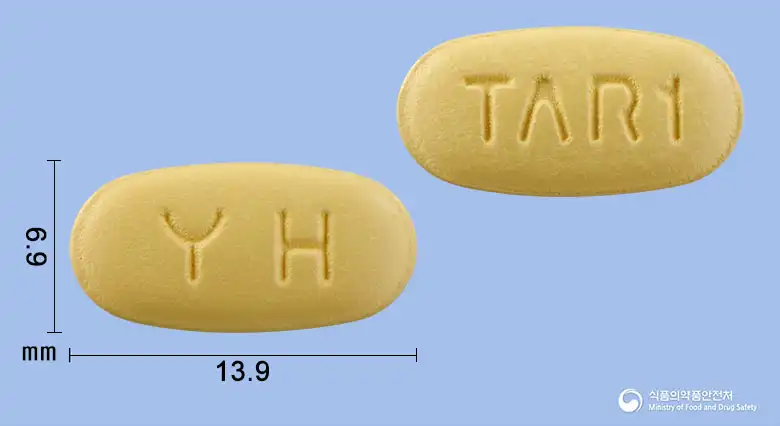
Duo Well A Tablet 40/5/5 mg
Telmisartan 40mg · Rosuvastatin Calcium 5.2mg +1 more
Tablet · Prescription medication · Combination
Yuhan Corporation
MFDS item code 201804680 · Approved 2018.11.27 · Insurance code 642105320
Treats hypertension, improves dyslipidemia, and inhibits the progression of atherosclerosis and the risk of cardiovascular disease
This medicine is used for the treatment of essential hypertension patients whose blood pressure is not adequately controlled by telmisartan and amlodipine combination, while simultaneously administering rosuvastatin to help treat various dyslipidemias associated with hypercholesterolemia. Rosuvastatin is used as an adjunct when primary hypercholesterolemia and mixed dyslipidemia, familial hypercholesterolemia, and dysbetalipoproteinemia are not controlled by diet and exercise. Also, it improves cardiovascular health by reducing the risks of stroke, myocardial infarction, and arterial vascular reintervention in patients at high risk for cardiovascular diseases. It is used to effectively control blood pressure and blood lipid levels to reduce the risk of cardiovascular diseases.
Take 1 tablet once daily with water, regardless of meals. If possible, it is recommended to take it at the same time each day (e.g., in the morning). This medicine is for use in adults only. The dose should be individualized for each patient based on the efficacy and tolerability of the telmisartan/amlodipine combination and rosuvastatin. For patients taking a telmisartan/amlodipine combination and rosuvastatin as separate products, they may be switched to this medicine (a combination product containing the same amounts of each active ingredient) for convenience. ○ Telmisartan/amlodipine combination Before administering the telmisartan/amlodipine combination, it is recommended to adjust the dose using the individual components (amlodipine or telmisartan). However, if blood pressure is not controlled with the individual components, switching directly to the telmisartan/amlodipine combination may be considered as follows. - 40/5 mg: For patients whose blood pressure is not adequately controlled with amlodipine 5 mg or telmisartan 40 mg. - 80/5 mg: For patients whose blood pressure is not adequately controlled with amlodipine 5 mg or this medicine 40/5 mg. - 40/10 mg: For patients whose blood pressure is not adequately controlled with amlodipine 10 mg. - 80/10 mg: For patients whose blood pressure is not adequately controlled with amlodipine 10 mg or this medicine 40/10 mg. ◦ Patients with renal impairment: No dose adjustment is necessary in patients with mild or moderate renal impairment. For patients with severe renal impairment, however, it is recommended to initiate treatment at a low dose and increase the dose gradually. Periodic monitoring of serum potassium and creatinine levels is also recommended. ◦ Patients with hepatic impairment: In patients with mild or moderate hepatic impairment, the daily dose of telmisartan should not exceed 40 mg. ◦ Older adults: In patients aged 75 years or older, amlodipine clearance is reduced; therefore, treatment should be initiated at a low dose and the dose increased gradually. ○ Rosuvastatin 1. Primary hypercholesterolemia (type IIa, including heterozygous familial hypercholesterolemia), mixed dyslipidemia (type IIb), primary dysbetalipoproteinemia (type III), and homozygous familial hypercholesterolemia Patients taking rosuvastatin, both before and during treatment, should follow a standard cholesterol-lowering diet and continue it throughout the treatment period. Rosuvastatin may be taken at any time of day, regardless of meals. The initial dose is 5 mg once daily; if a greater reduction in LDL cholesterol is required, the dose may be adjusted to the maintenance dose. The maintenance dose is 10 mg once daily, which controls the condition in most patients. The maintenance dose should be adjusted as appropriate at intervals of 4 weeks or longer, according to LDL cholesterol levels, treatment goals, and the patient's response; the dose may be increased to a maximum of 20 mg once daily. 2. Older adults: No dose adjustment is necessary. 3. Patients with renal impairment: No dose adjustment is necessary in patients with mild or moderate renal impairment. Do not administer to patients with severe renal impairment. Use particular caution when administering rosuvastatin 20 mg to patients with moderate renal impairment. 4. Patients with hepatic impairment: No increase in systemic exposure to rosuvastatin was observed in patients with a Child-Pugh score of 7 or lower, but an increase was observed in patients with a Child-Pugh score of 8 or 9. Renal function testing should be considered in these patients. There is no experience with use in patients with a Child-Pugh score greater than 9. Do not administer rosuvastatin to patients with active liver disease. 5. Race: Because systemic exposure to rosuvastatin is increased in Asian patients, the recommended initial dose is 5 mg. Administration of the 40 mg dose is contraindicated. 6. Patients predisposed to myopathy: The recommended initial dose for patients predisposed to myopathy is 5 mg. Administration of the 40 mg dose of rosuvastatin is contraindicated in some of these patients. In a drug interaction study of the active ingredients of this medicine, telmisartan/amlodipine 80/5 mg and rosuvastatin 20 mg, the rosuvastatin Cmax increased approximately 2.3-fold and the AUC approximately 1.3-fold in the presence of telmisartan/amlodipine. Therefore, when administering this medicine, assess the potential risk associated with the increase in rosuvastatin Cmax and monitor the patient closely.
This medicine should not be taken by pregnant women. Taking this drug during pregnancy may pose a serious risk of harm or death to the fetus, so it should be discontinued immediately upon confirmation of pregnancy. Patients with allergies to any components of this drug or dihydropyridine drugs, those with hereditary angioedema, or those with a history of angioedema should not use it. Patients with severely impaired liver function or those with biliary obstruction or cholestasis should also not take this drug. Patients with unexplained severe elevation of liver enzymes, severe aortic stenosis, those in shock, myopathy patients, and those with severely impaired kidney function should avoid this medicine. Diabetic patients with moderate to severe renal impairment or those taking medications containing aliskiren should not use this drug in combination. Special caution should be taken with severely hypertensive patients, elderly patients, those with hyperkalemia, patients with slightly impaired liver function, hypothyroid patients, and those with a history of skeletal muscle disease when taking this drug. This drug may cause muscle pain or weakness, so if these symptoms occur, notify the healthcare provider immediately and undergo muscle enzyme testing if necessary. It is advisable to regularly undergo liver function tests and kidney function tests while taking this medication. Also, the risk of muscle-related side effects may increase when combined with certain other medications, so inform the healthcare provider about all medications being taken. Alcohol intake should be avoided while taking this medicine, and caution is advised as muscle enzyme test results may be affected after strenuous exercise. Side effects may include dizziness, headache, indigestion, swelling, and fatigue; consult a healthcare provider if any adverse effects persist or worsen. If pregnancy is planned before or after taking this medication, it is essential to consult with a healthcare provider and use appropriate contraceptive methods. This drug may have higher systemic exposure in Asian individuals, so dose adjustment may be necessary.
Not everyone experiences these, and they can vary from person to person.
This medicine may be sensitive to light, so it should be stored in a container that blocks light. Additionally, it is best to store the medication at room temperature between 1 and 30 degrees Celsius. This preserves the effectiveness and safety of the medication.
Yellow oval film-coated tablet
30 tablets/box [6 tablets/PTP X 5]
Even with the same ingredient, strength, dosage form and how it is taken can differ.
Viewing nowCombinationTelmisartan 40mg · Rosuvastatin Calcium 5.2mg +1 more
Tablet · Prescription medication · Combination
Yuhan Corporation
 Combination
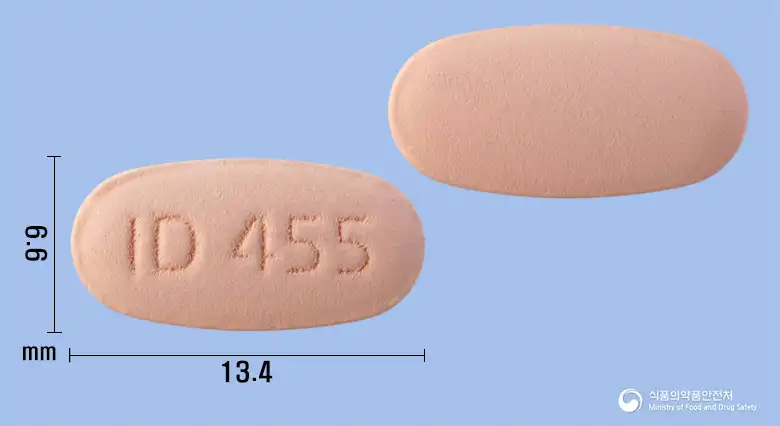
Telmisartan 40mg · Amlodipine Besylate 6.935mg +1 more
Tablet · Prescription medication · Combination
Ildong Pharmaceutical Co., Ltd.
Telmisartan 80mg · Amlodipine Besylate 13.87mg +1 more
Tablet · Prescription medication · Combination
Ildong Pharmaceutical Co., Ltd.
 Combination
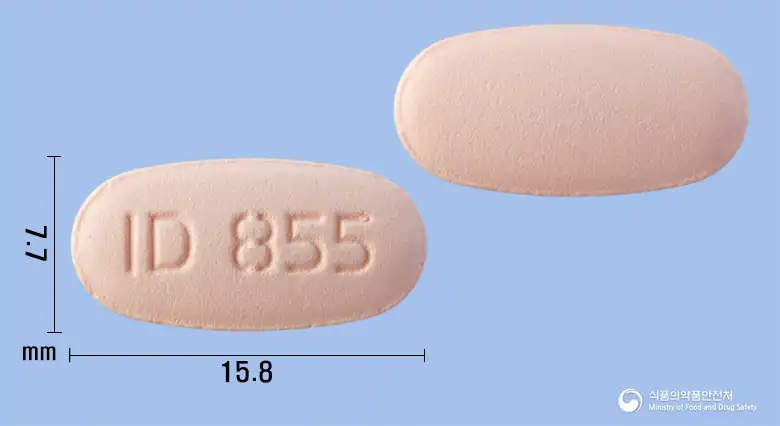
Telmisartan 80mg · Amlodipine Besylate 6.935mg +1 more
Tablet · Prescription medication · Combination
Il Dong Pharmaceutical Co., Ltd.
 Combination
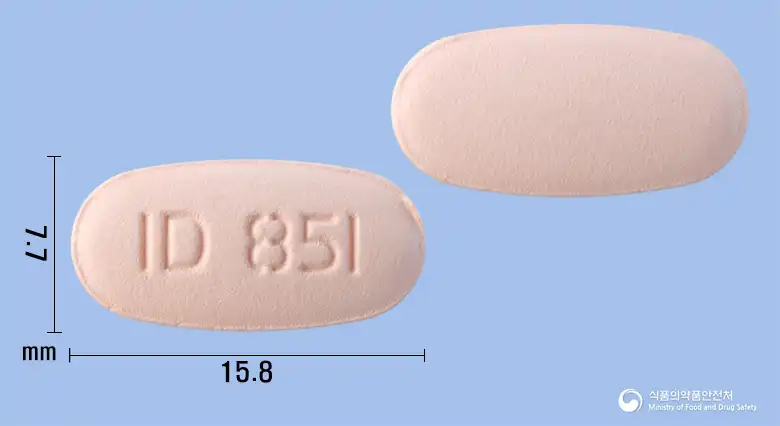
Telmisartan 80mg · Amlodipine Besylate 6.935mg +1 more
Tablet · Prescription medication · Combination
Ildong Pharmaceutical Co., Ltd.
Telmisartan 80mg · Amlodipine Besylate 13.87mg +1 more
Tablet · Prescription medication · Combination
Ildong Pharmaceutical Co., Ltd.
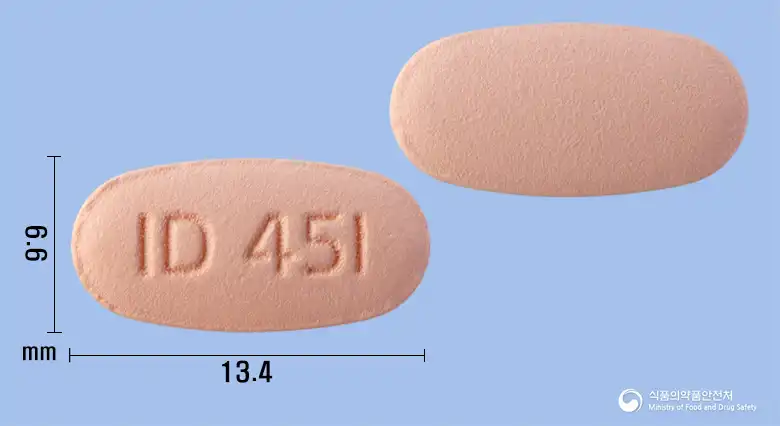 Combination
Telmisartan 40mg · Amlodipine Besylate 6.935mg +1 more
Tablet · Prescription medication · Combination
Ildong Pharmaceutical Co., Ltd.
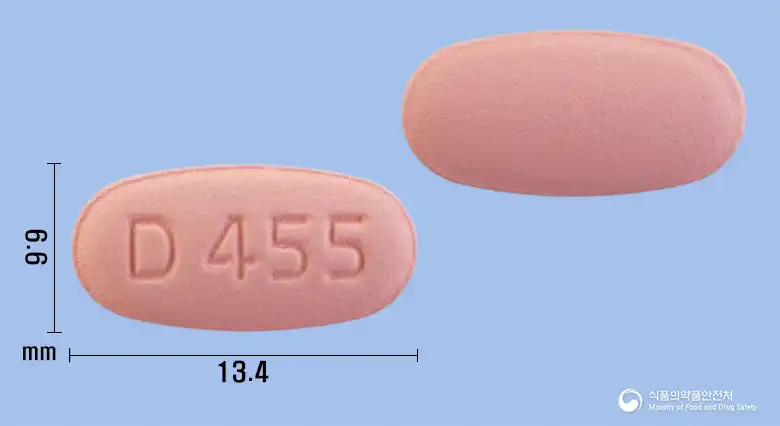 Combination
Telmisartan 40mg · Amlodipine Besylate 6.935mg +1 more
Tablet · Prescription medication · Combination
Daewon Pharmaceutical Co., Ltd.
Even with the same ingredient, the dose and directions can differ by strength and dosage form. Talk to a doctor or pharmacist before switching from a medication you are already taking.
No questions yet.
For anything that needs medical judgment, consult a doctor or pharmacist.
This drug information is based on data provided by the Korea Ministry of Food and Drug Safety.
Consult a doctor or pharmacist for accurate dosage, administration, and usage instructions.