
 한국어
한국어 English
 日本語
日本語 中文(简体)
Dosage form image
Viewing nowBicorede Tablets 22400 IU (Cholecalciferol Concentrate Powder)
Cholecalciferol Concentrate Powder
Prescription medication
Repure Healthcare Co., Ltd.
MFDS item code 201804551 · Approved 2018.11.16
This product's status changed to Approval withdrawn on 2023.05.30. It may no longer be sold, so consult a doctor or pharmacist before taking it.
Prevention of vitamin D deficiency
This medication is used to prevent vitamin D deficiency. Vitamin D plays a crucial role in maintaining bone health and supporting immune function, thus helping to prevent conditions that may arise from deficiency, such as osteoporosis and reduced immunity.
Take 1 tablet (22,400 IU) orally with water every 28 days (4 weeks). Duration of treatment is based on the severity of the condition and the patient's response to treatment.
This medication should not be used in certain patients. Patients with allergic reactions to this drug or any of its ingredients, patients with vitamin D overdose, patients with kidney stones or nephrocalcinosis, and patients with hypercalcemia or hypercalciuria should not take this medication. Patients with severe renal impairment should also avoid using this medication. This drug contains lactose monohydrate, so patients with hereditary issues such as fructose intolerance, galactose intolerance, Lapp lactase deficiency, galactosemia, or glucose-galactose malabsorption should not take it. Patients with renal impairment or those undergoing treatment for cardiovascular disease, as well as those with a history of sarcoidosis or systemic inflammatory disease, should use this medication with caution. In particular, elderly patients or those prone to stone formation should regularly check serum calcium levels and renal function, and if abnormalities occur, the dosage should be reduced or discontinued. This drug can cause metabolic abnormalities such as hypercalcemia and hypercalciuria, and skin reactions like pruritus, rash, or urticaria may occur rarely. When taken for a long time, signs of hypercalcemia or renal impairment should be closely monitored. Patients with impaired renal function should periodically check their calcium and phosphate levels and consider the risk of soft tissue calcification due to the vitamin D content. In patients with specific illnesses such as sarcoidosis, vitamin D metabolism may increase, necessitating monitoring of calcium levels in blood and urine. When taking this medication with other vitamin D preparations, the total dosage should be adjusted accordingly, and the necessity of additional calcium supplementation should be determined based on a physician's instructions. Supervision by healthcare professionals is required during the treatment period to prevent hypercalcemia. This medication can interact with various substances including vitamin A, magnesium, antiepileptic drugs, rifampicin, cardiac glycosides, and corticosteroids. In particular, hypercalcemia can increase the toxicity of heart medications, so electrocardiograms and serum calcium levels should be closely monitored. Women who are pregnant should use this medication with caution, as it can affect the fetus and newborn; they must strictly follow their doctor's instructions. Nursing mothers should also carefully monitor for signs of vitamin D overdose in infants. This medication should not be administered to children, and routine checks of serum calcium levels are recommended for nursing infants. In the event of an overdose, symptoms such as arrhythmias, vomiting, dehydration, and kidney stones may occur due to hypercalcemia, so intake should be immediately stopped, and appropriate treatment should be sought. This medication should be stored out of the reach of children in a cool, dry place, avoiding direct sunlight and exposure to temperatures above 30 degrees Celsius. Furthermore, it should not be transferred to other containers to maintain quality.
Urticaria, hypercalcemia, hypercalciuria, signs of hypercalcemia or renal impairment
Itching, rash
Not everyone experiences these, and they can vary from person to person.
This medication should be stored in a sealed container that blocks light, ideally at room temperature between 1 degree and 30 degrees Celsius. Storing it this way will help maintain the drug's effectiveness for a long time.
White, convex rectangular film-coated tablet
1 tablet_PTP/BOX, 3 tablets_PTP/BOX, 6 tablets_PTP/BOX
Even with the same ingredient, strength, dosage form and how it is taken can differ.
Cholecalciferol Concentrate Powder
Prescription medication
Repure Healthcare Co., Ltd.
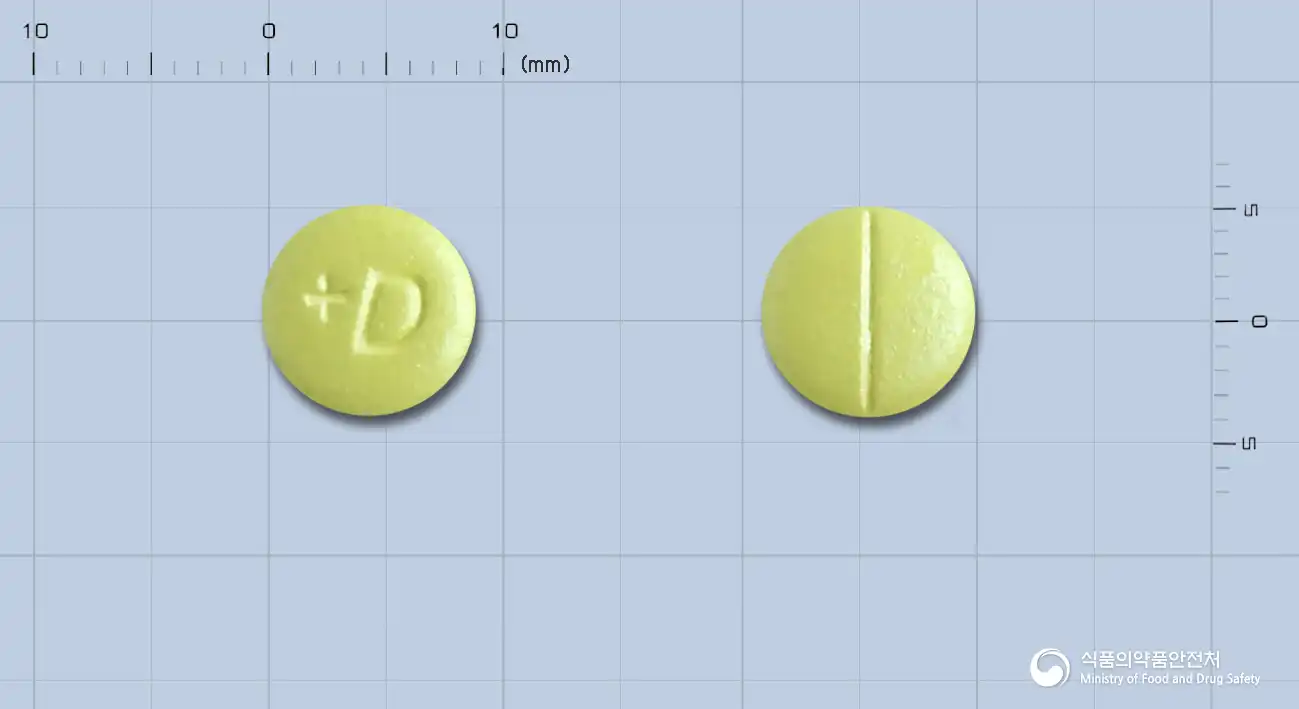
Cholecalciferol Concentrate Powder 10mg
Tablet · OTC medication
Hanool BioPharma Co., Ltd.
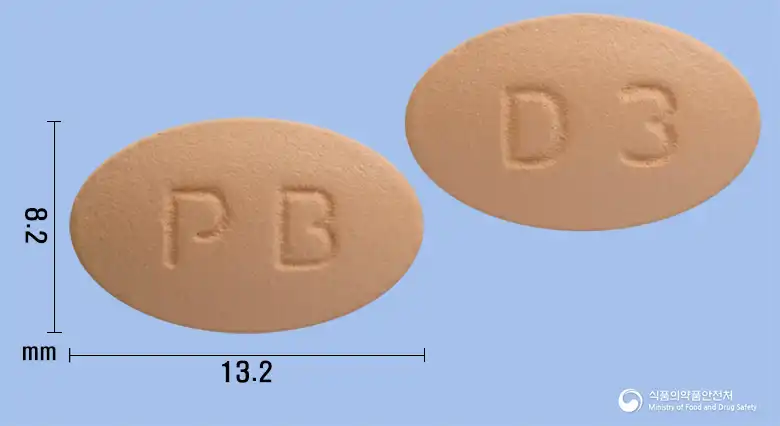
Cholecalciferol Concentrate Powder 250mg
Tablet · Prescription medication
Korea Pharmbio Co., Ltd.
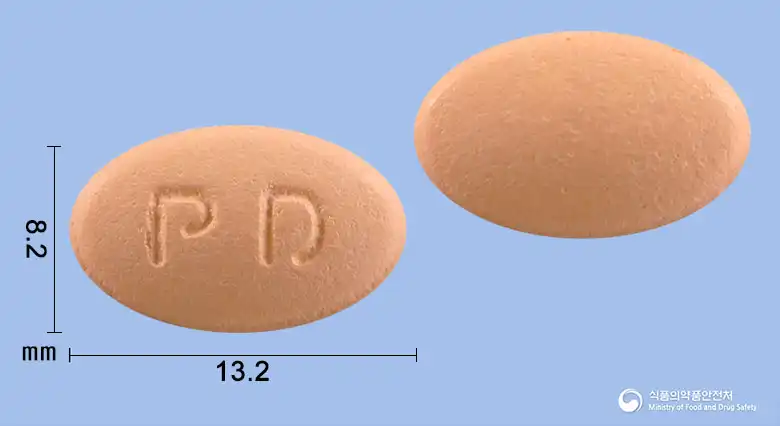
Cholecalciferol Concentrate Powder 250mg
Tablet · Prescription medication
McNulty Pharmaceutical Co., Ltd.
Even with the same ingredient, the dose and directions can differ by strength and dosage form. Talk to a doctor or pharmacist before switching from a medication you are already taking.
No questions yet.
For anything that needs medical judgment, consult a doctor or pharmacist.
This drug information is based on data provided by the Korea Ministry of Food and Drug Safety.
Consult a doctor or pharmacist for accurate dosage, administration, and usage instructions.