
 한국어
한국어 English
 日本語
日本語 中文(简体)
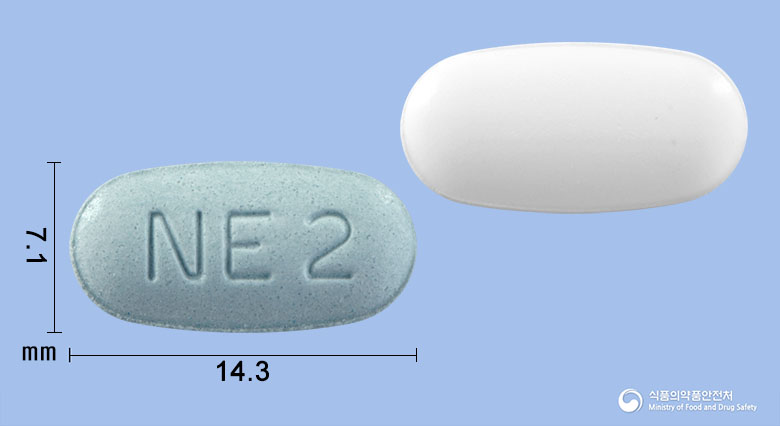 Viewing nowCombination
Neostar Tablet 40/10 mg
Telmisartan 40mg · Amlodipine Besylate 13.87mg
Prescription medication · Combination
Shinil Pharmaceutical Co., Ltd.
MFDS item code 201804443 · Approved 2018.11.08 · Insurance code 653805340
Improvement of blood pressure control in essential hypertension
This medication is used to effectively control blood pressure in patients with essential hypertension who are not adequately controlled with telmisartan or amlodipine monotherapy.
The recommended dosage of this medication is 1 tablet once daily, to be taken with water regardless of meals. It is recommended to take it at the same time every day (e.g., in the morning). For patients with renal impairment, mild and moderate renal impairment do not require dosage adjustment; however, patients with severe renal impairment should start treatment with a lower dose and slowly increase the dosage. In the case of patients with liver impairment, dosing for mild or moderate liver impairment should not exceed 40 mg daily.
The safety and efficacy of this medication in pediatric patients under 18 years of age have not been established, and its use is not recommended.
This medication should not be administered to pregnant women, especially in the second and third trimesters, as it may pose serious risks to the fetus or newborn. Patients with allergies to the components of this medication or those with specific liver, heart, and kidney diseases, especially severe liver dysfunction, cardiogenic shock, unstable heart failure after acute myocardial infarction, should not use this medication. Patients with primary aldosteronism, certain cardiac valve diseases, impaired liver function, gastrointestinal disorders, renal artery hypertension, patients undergoing dialysis, and elderly patients should use this medication with caution. Common side effects such as dizziness and peripheral edema may occur, and rare serious adverse reactions such as fainting may also occur, so immediate consultation with healthcare providers is necessary if any abnormal symptoms appear. This medication should not be used during pregnancy, and if pregnancy is confirmed, use should be discontinued immediately and replaced with another safe treatment. Patients with insufficient fluids or salt may be especially cautious as hypotension may occur, and appropriate measures should be taken if symptoms of hypotension arise. Due to the risk of elevated potassium levels, caution is needed when using potassium supplements or medications containing potassium. Renal impairment may be affected, so patients with renal dysfunction should regularly check kidney function and electrolyte status through blood tests. Drowsiness or dizziness may occur while taking this medication, so caution is needed when driving or operating machinery. Interactions may occur when taken with other medications, especially digoxin, lithium, warfarin, non-steroidal anti-inflammatory drugs, and grapefruit juice, so inform healthcare providers when taking these medications together. Breastfeeding women are advised not to take this medicine, and it is not recommended for children and adolescents as safety and efficacy have not been adequately established. In case of overdose, hypotension, dizziness, and heart problems may occur, so immediate medical attention should be sought for appropriate treatment. It is important to keep this medication out of the reach of children, store it away from moisture, and keep it in its original packaging.
Urticaria, severe swelling (angioedema), chest discomfort, difficulty breathing, cold sweat, pallor, severe rash with high fever, blisters, peeling skin, pain of oral/ocular mucosa, shortness of breath or difficulty breathing, asthma attack, respiratory distress accompanied by cough and fever, jaundice (yellowing of skin or eyes), severe systemic fatigue, sudden and severe headache, thunderclap headache, seizures, confusion, vision disturbances, paralysis
Dizziness, peripheral edema, fainting, drowsiness, headache, migraine, paraesthesia, taste disturbance, tremors, visual disturbances, vertigo, tinnitus, palpitations, bradycardia, tachycardia, flushing, hypotension, orthostatic hypotension, cough, rhinitis, changes in bowel habits (including diarrhea and constipation), abdominal pain, dyspepsia, nausea, vomiting, dry mouth, itching, sweating, rash, hair loss, purpura, skin discoloration, eczema, erythema, joint swelling, muscle cramps, joint pain, muscle pain
Not everyone experiences these, and they can vary from person to person.
This medication is sensitive to light and should be stored in a container that protects it from light. Additionally, to maintain the effectiveness of the medication, it should be stored at room temperature, between 1 to 30 degrees Celsius.
White and light blue, double convex, oval-shaped tablet
30 tablets (10 tablets/PTP*3)
Even with the same ingredient, strength, dosage form and how it is taken can differ.
Viewing nowCombinationTelmisartan 40mg · Amlodipine Besylate 13.87mg
Prescription medication · Combination
Shinil Pharmaceutical Co., Ltd.
 Combination
Telmisartan 40mg · Amlodipine Besylate 6.935mg
Prescription medication · Combination
Boehringer Ingelheim Korea Co., Ltd.
 Combination
Telmisartan 40mg · Amlodipine Besylate 13.87mg
Prescription medication · Combination
Boehringer Ingelheim Korea Co., Ltd.
 Combination
Telmisartan 80mg · Amlodipine Besylate 6.935mg
Prescription medication · Combination
Boehringer Ingelheim Korea Co., Ltd.
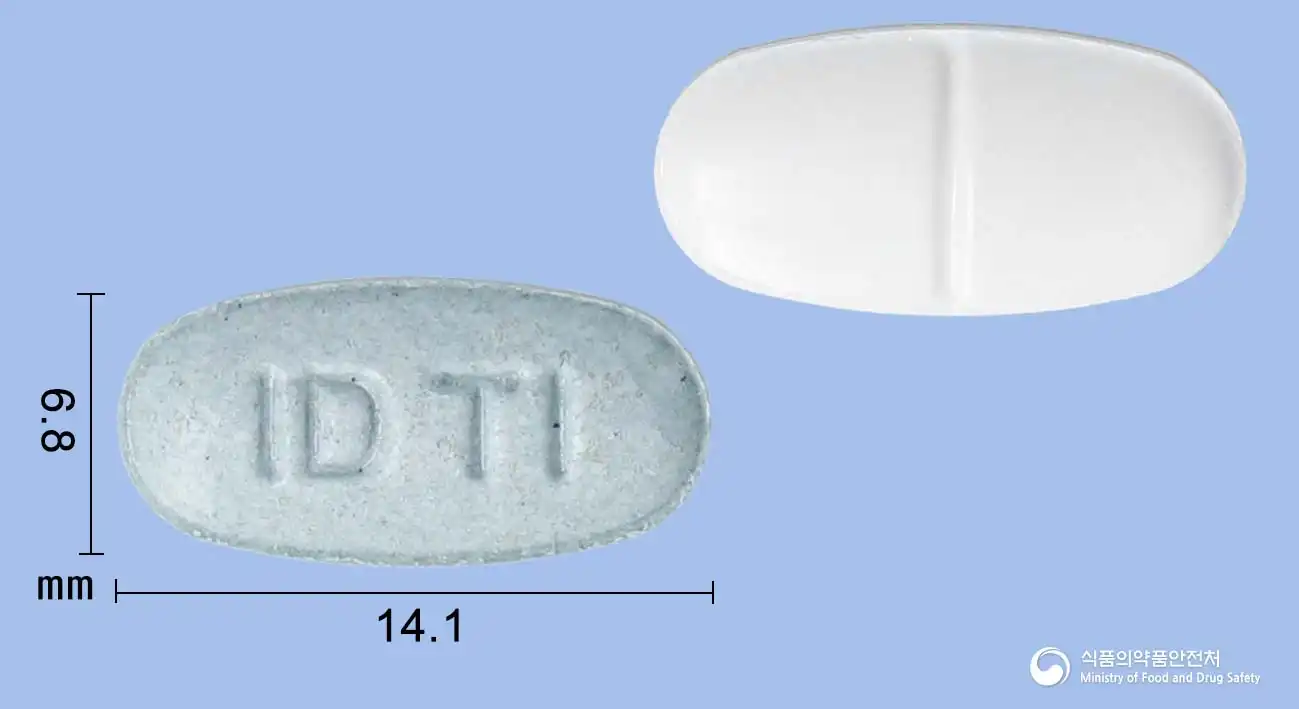 Combination
Telmisartan 40mg · Amlodipine Besylate 6.935mg
Prescription medication · Combination
Ildong Pharmaceutical Co., Ltd.
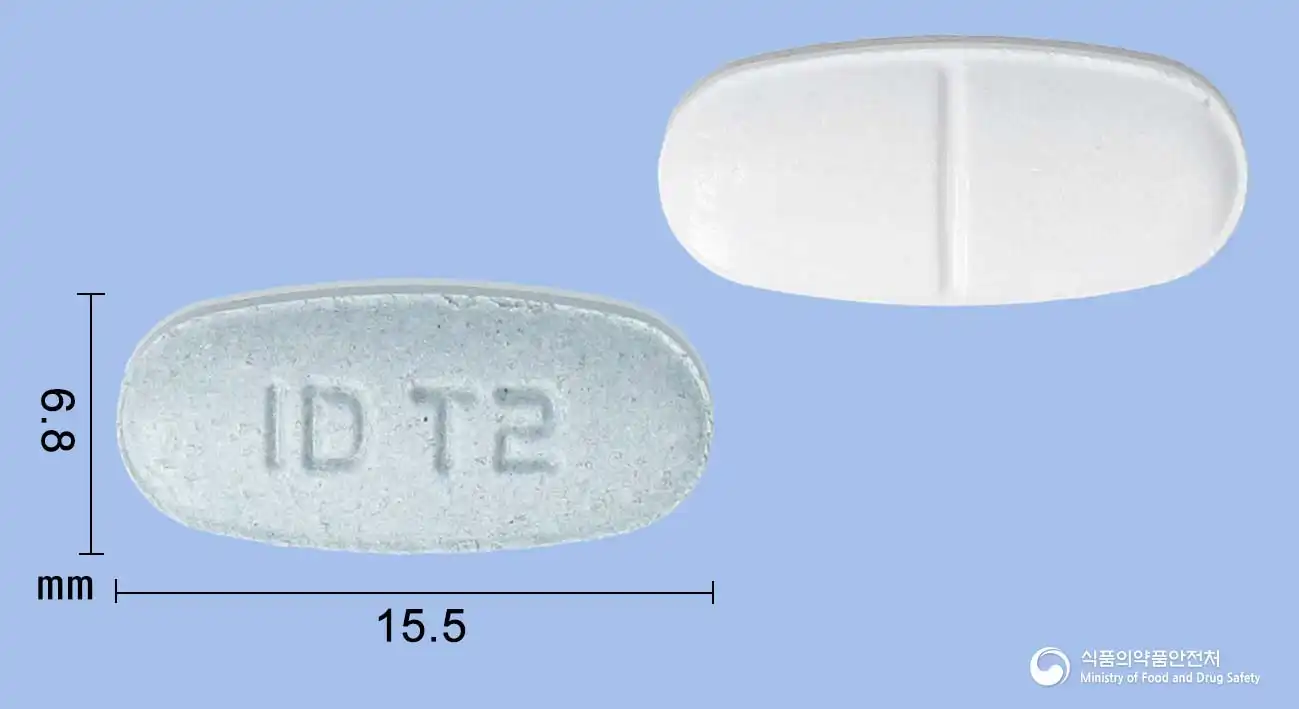 Combination
Telmisartan 40mg · Amlodipine Besylate 13.87mg
Prescription medication · Combination
ILDONG Pharmaceutical Co., Ltd.
 Combination
Telmisartan 80mg · Amlodipine Besylate 6.935mg
Prescription medication · Combination
Ildong Pharmaceutical Co., Ltd.
 Combination
Telmisartan 80mg · Amlodipine Besylate 13.87mg
Prescription medication · Combination
Ildong Pharmaceutical Co., Ltd.
Even with the same ingredient, the dose and directions can differ by strength and dosage form. Talk to a doctor or pharmacist before switching from a medication you are already taking.
No questions yet.
For anything that needs medical judgment, consult a doctor or pharmacist.
This drug information is based on data provided by the Korea Ministry of Food and Drug Safety.
Consult a doctor or pharmacist for accurate dosage, administration, and usage instructions.