
 한국어
 English
 日本語
 中文(简体)
 Viewing now
Osokteok Tablets (R-Tocopheryl Nitrate)
R-Thioctic Acid Tromethamine 480mg
Tablet · Prescription medication
Os Korea Pharmaceutical Co., Ltd.
MFDS item code 201804352 · Approved 2018.11.01
Relief of diabetic polyneuropathy
This medication is used to relieve the symptoms of polyneuropathy caused by diabetes.
Adults: Take 480 milligrams of thioctic acid tromethamine salt once daily with plenty of water, about 30 minutes before breakfast.
This drug contains R-Tocopheryl Nitrate, and should not be taken by individuals who are allergic to this ingredient, thioctic acid, or any other ingredients in the medication. While taking this medication, mild side effects such as sensory disturbances, headache, constipation, abdominal discomfort, dry mouth, and cough may occur. In rare cases, serious side effects like nephrolithiasis or facial edema may also occur, so consult a doctor immediately if any abnormal symptoms appear. It is used in patients with diabetic neuropathy, and alcohol consumption may reduce the effectiveness of this medication, so it is advisable to avoid alcohol as much as possible. Alcohol should be avoided during the period of taking this medication and during any breaks from it. Taking this medication with iron or magnesium-containing preparations, milk, etc., may reduce its effectiveness, so it is advisable to take this medication 30 minutes before meals and iron or magnesium supplements after meals. Additionally, taking this medication in conjunction with insulin or other blood sugar-lowering medications may cause blood sugar to drop too low, so blood sugar levels should be monitored frequently and medication dosages adjusted if necessary. Pregnant or breastfeeding women should consult a doctor for careful use, and it is recommended that children under 18 years of age do not use it due to a lack of experience. In case of overdose, serious toxicity symptoms may appear, and if suspected, seek immediate medical attention for appropriate treatment. This medication should not be stored at temperatures above 30 degrees Celsius and should be kept out of reach of children in a safe manner, and transferring it to other containers should be avoided.
Not everyone experiences these, and they can vary from person to person.
This medication should be stored in a sealed container to protect it from air and moisture. A storage temperature between 1 degree and 30 degrees Celsius is suitable. Proper storage will maintain the medication's efficacy and safety.
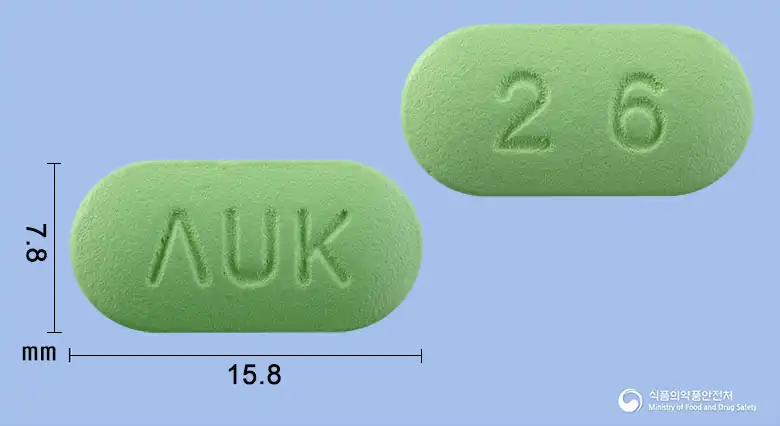
Light green rectangular film-coated tablets
30 tablets/bottle, 100 tablets/bottle
Even with the same ingredient, strength, dosage form and how it is taken can differ.
Viewing nowR-Thioctic Acid Tromethamine 480mg
Tablet · Prescription medication
Os Korea Pharmaceutical Co., Ltd.
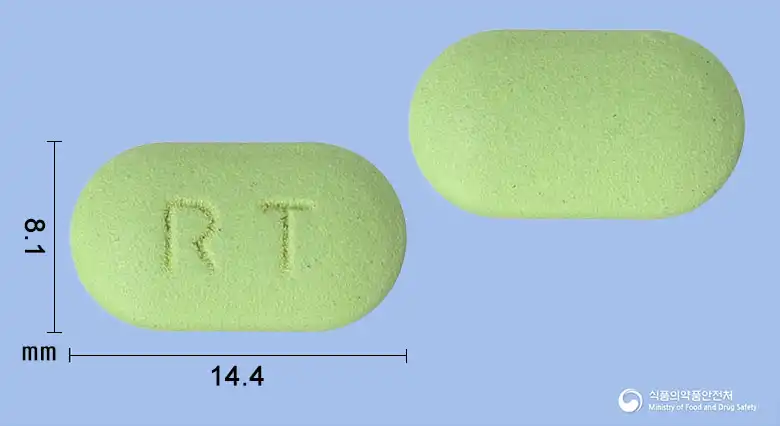
R-Thioctic Acid Tromethamine 480mg
Tablet · Prescription medication
Bukwang Pharmaceutical Co., Ltd.
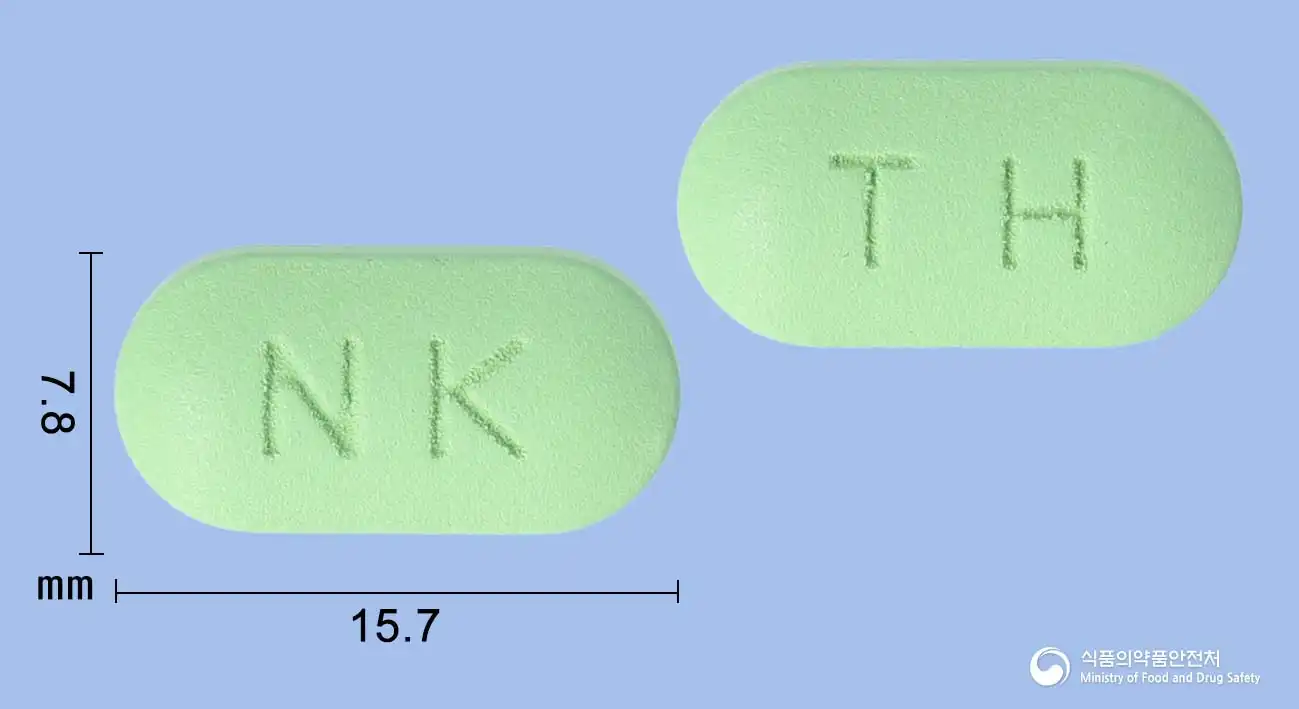
R-Thioctic Acid Tromethamine 480mg
Tablet · Prescription medication
NexPharm Korea Co., Ltd.
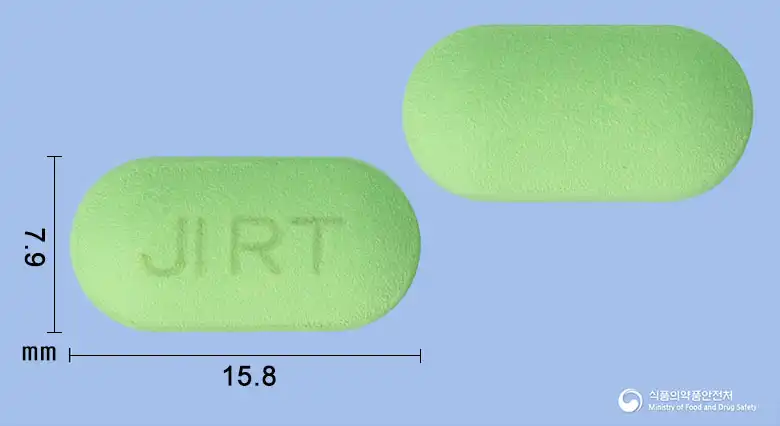
R-Thioctic Acid Tromethamine 480mg
Tablet · Prescription medication
Jeil Pharmaceutical Co., Ltd.
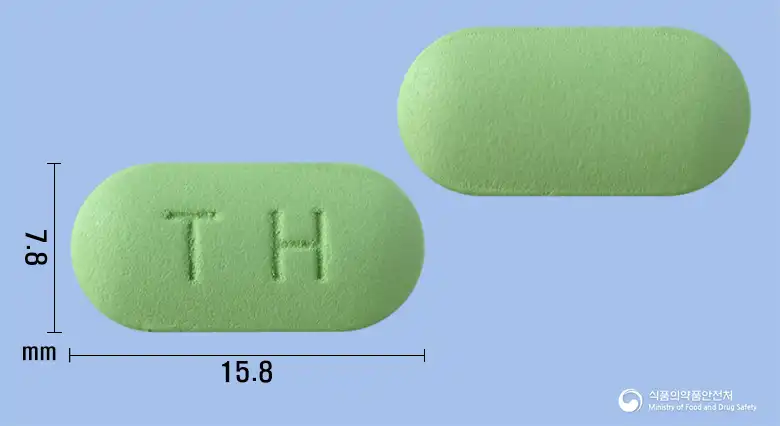
R-Thioctic Acid Tromethamine 480mg
Tablet · Prescription medication
Korea Prime Pharm, Co., Ltd.
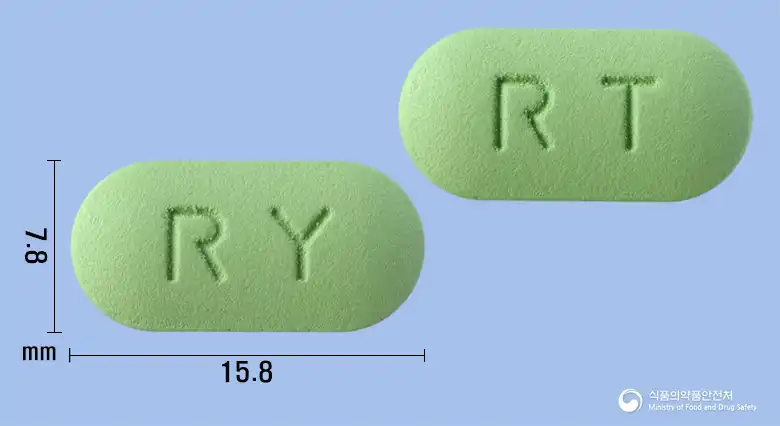
R-Thioctic Acid Tromethamine 480mg
Tablet · Prescription medication
IYON Pharmaceutical Co., Ltd.
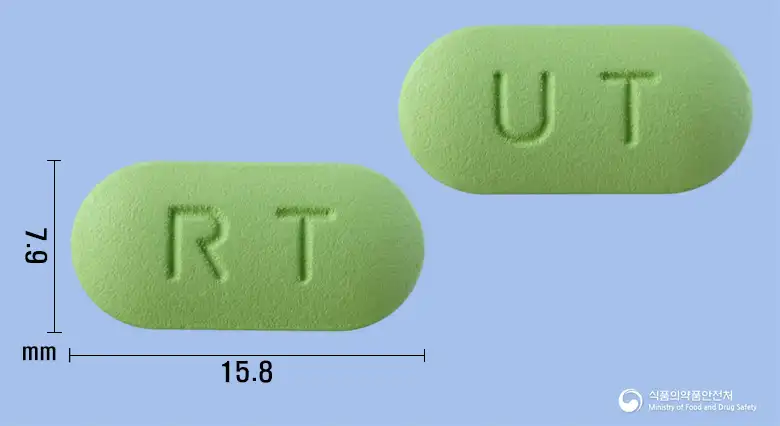
R-Thioctic Acid Tromethamine 480mg
Tablet · Prescription medication
Korea United Pharmaceutical Co., Ltd.
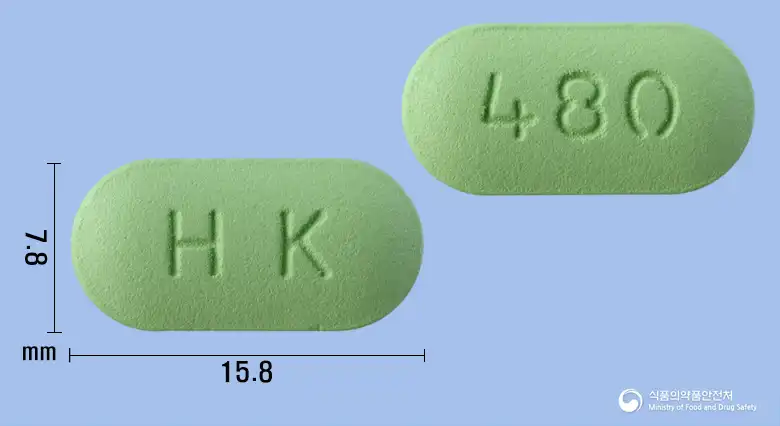
R-Thioctic Acid Tromethamine 480mg
Tablet · Prescription medication
Korea Chorus Co., Ltd.
Even with the same ingredient, the dose and directions can differ by strength and dosage form. Talk to a doctor or pharmacist before switching from a medication you are already taking.
No questions yet.
For anything that needs medical judgment, consult a doctor or pharmacist.
This drug information is based on data provided by the Korea Ministry of Food and Drug Safety.
Consult a doctor or pharmacist for accurate dosage, administration, and usage instructions.