
 한국어
한국어 English
 日本語
日本語 中文(简体)
 Viewing now
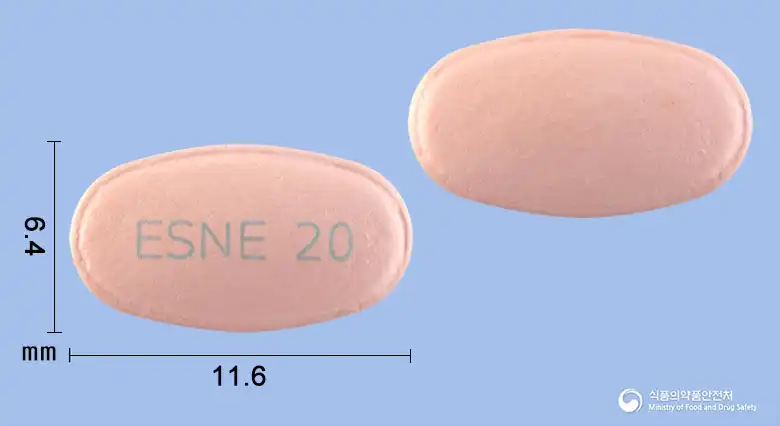
Nexium Tablet 20 mg (Esomeprazole Magnesium Trihydrate)
Esomeprazole Magnesium Dihydrate 21.69mg
Tablet · Prescription medication
Macknulty Pharmaceutical Co., Ltd.
MFDS item code 201804329 · Approved 2018.10.31 · Insurance code 641502330
Treatment of gastroesophageal reflux disease (including erosive esophagitis), eradication of Helicobacter pylori-related benign peptic ulcers and prevention of recurrence, alleviation of gastrointestinal symptoms associated with non-steroidal anti-inflammatory drugs, treatment and prevention of gastric ulcers and duodenal ulcers, treatment of Zollinger-Ellison syndrome, prevention of rebleeding from gastric and duodenal ulcers, and maintenance therapy.
This medication is used for the treatment of gastroesophageal reflux disease and erosive esophagitis, and is effective for long-term maintenance therapy to prevent recurrence in patients with esophagitis. It also helps alleviate symptoms of gastroesophageal reflux disease without esophagitis. It is used in combination with antibiotics for the eradication of Helicobacter pylori and for preventing recurrence in patients with duodenal ulcers and peptic ulcers that are positive for Helicobacter pylori. It is used for short-term treatment of upper gastrointestinal symptoms (pain, discomfort, burning sensation) related to non-steroidal anti-inflammatory drug administration, and is also effective in the treatment and prevention of gastric and duodenal ulcers related to non-steroidal anti-inflammatory drugs. Additionally, it is used for the treatment of Zollinger-Ellison syndrome and for maintenance therapy following prevention of rebleeding from gastric or duodenal ulcers. Overall, it is a widely used medication for gastrointestinal-related diseases and their complications.
This medication should be swallowed with liquids such as water and should not be chewed or crushed. 1) Gastroesophageal reflux disease (GERD) - Treatment of erosive esophagitis: administer 40 mg once daily for 4 weeks. - Long-term maintenance therapy to prevent recurrence in patients with esophagitis: administer 20 mg once daily. - Treatment of symptoms of gastroesophageal reflux disease without esophagitis: administer 20 mg once daily. - As needed
Adolescents aged 12 and older - Treatment of erosive esophagitis: 40 mg once daily for 4 weeks - Treatment of symptoms of gastroesophageal reflux disease without esophagitis: 20 mg once daily - As needed
This medication should not be used in patients with specific allergic reactions or hypersensitivity. In particular, patients who are allergic to benzimidazoles, penicillin antibiotics, or macrolide antibiotics should not be treated with this medication. Patients taking specific heart-related medications or antiviral drugs, those with a history of myocardial infarction, and breastfeeding women should also avoid this medication. This medication contains a dye called Yellow No. 5, so patients allergic to this ingredient should be cautious. Various side effects may occur during treatment, so if symptoms such as headache, dizziness, abdominal pain, skin rash, muscle pain, or blood abnormalities appear, immediate consultation with a doctor is necessary. In particular, electrolyte imbalances such as hypomagnesemia may occur, so regular blood tests are necessary during long-term use. This medication may increase the risk of bacterial infections in the gastrointestinal tract by suppressing gastric acid secretion, so patients should inform healthcare providers if symptoms like diarrhea or abdominal pain persist. Long-term use may increase the risk of fractures, so caution is required for patients at risk of osteoporosis. Due to potential interactions with other medications, patients should inform their doctor or pharmacist about any other medications they are currently taking, especially when using antibiotics, antiviral drugs, anticoagulants, or anticonvulsants. The safety of this medication during pregnancy has not been fully established, so it should be used with caution, and it should be avoided during breastfeeding. In case of overdose, there is no specific antidote, so immediate treatment at a medical facility is necessary. This medication should be kept out of the reach of children, and it is advisable not to change the container.
Urticaria, angioedema, anaphylactic reaction/shock, Stevens-Johnson syndrome, toxic epidermal necrolysis (Lyell's syndrome), acute generalized exanthematous pustulosis, drug reaction with eosinophilia and systemic symptoms (DRESS syndrome), jaundice, hepatitis, liver failure, encephalopathy, cardiac arrhythmias (including QT prolongation, ventricular tachycardia, ventricular fibrillation, Torsades de pointes), severe edema, interstitial nephritis, severe
Not everyone experiences these, and they can vary from person to person.
This medication must be stored in a tightly sealed container to avoid exposure to air or light. It is important to maintain the storage temperature between 1 degree Celsius and 30 degrees Celsius to ensure the effectiveness of the medication and safe usage.
Pale pink rectangular film-coated tablet
28 tablets (14 tablets/Alu-Alu * 2)
Even with the same ingredient, strength, dosage form and how it is taken can differ.
Viewing nowEsomeprazole Magnesium Dihydrate 21.69mg
Tablet · Prescription medication
Macknulty Pharmaceutical Co., Ltd.
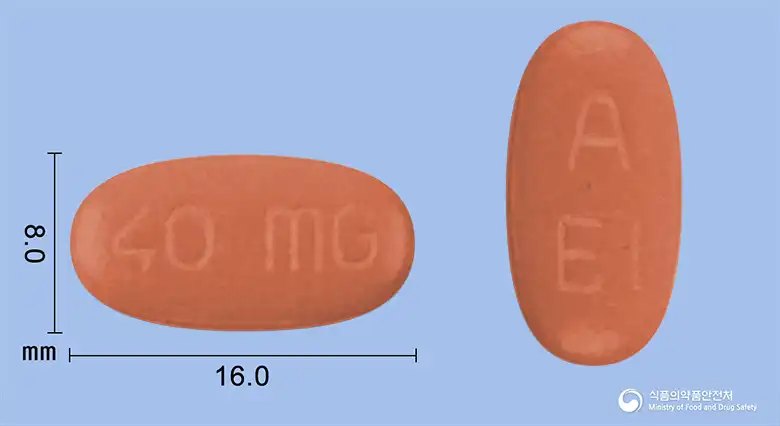
Esomeprazole Magnesium Trihydrate 44.5mg
Tablet · Prescription medication
AstraZeneca Korea Co., Ltd.
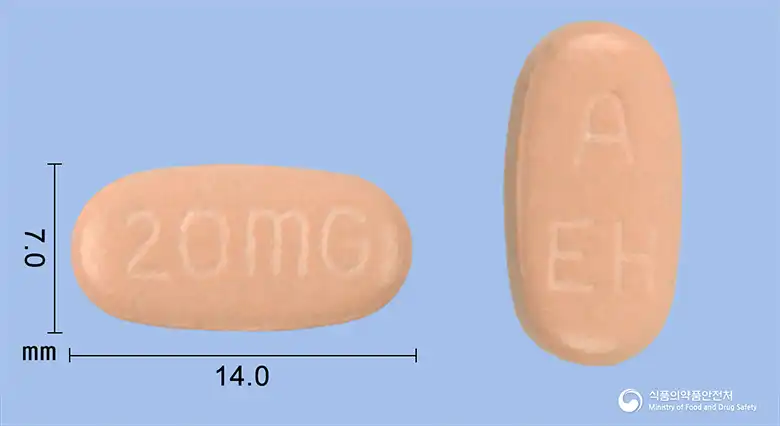
Esomeprazole Magnesium Trihydrate 22.3mg
Tablet · Prescription medication
AstraZeneca Korea Co., Ltd.
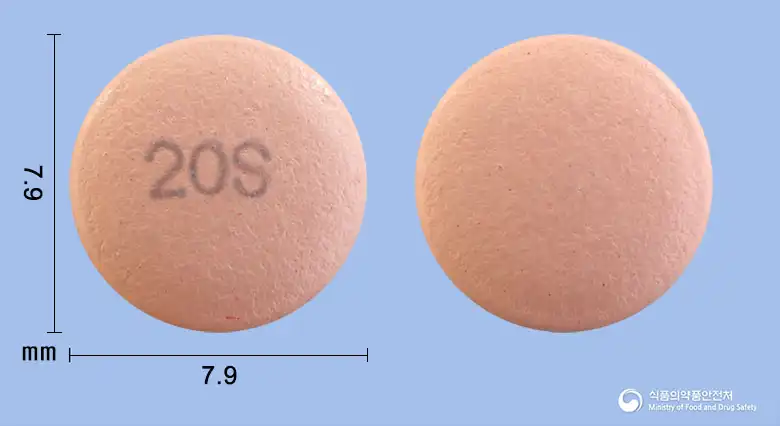
Esomeprazole Magnesium Trihydrate 22.3mg
Tablet · Prescription medication
Daewon Pharmaceutical Co., Ltd.
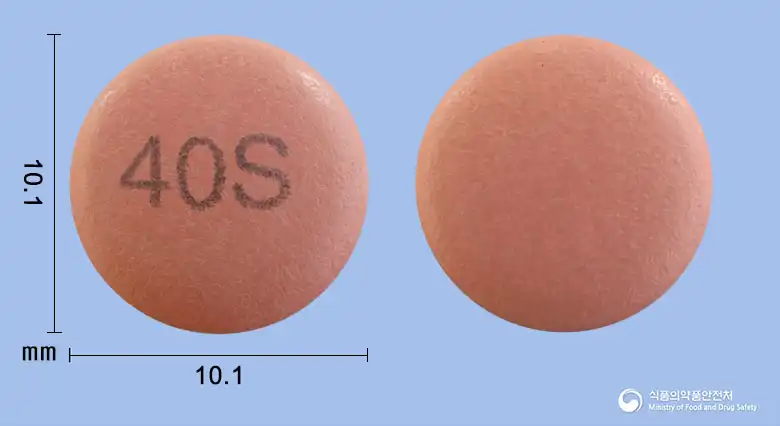
Esomeprazole Magnesium Trihydrate 44.5mg
Tablet · Prescription medication
Daewon Pharmaceutical Co., Ltd.
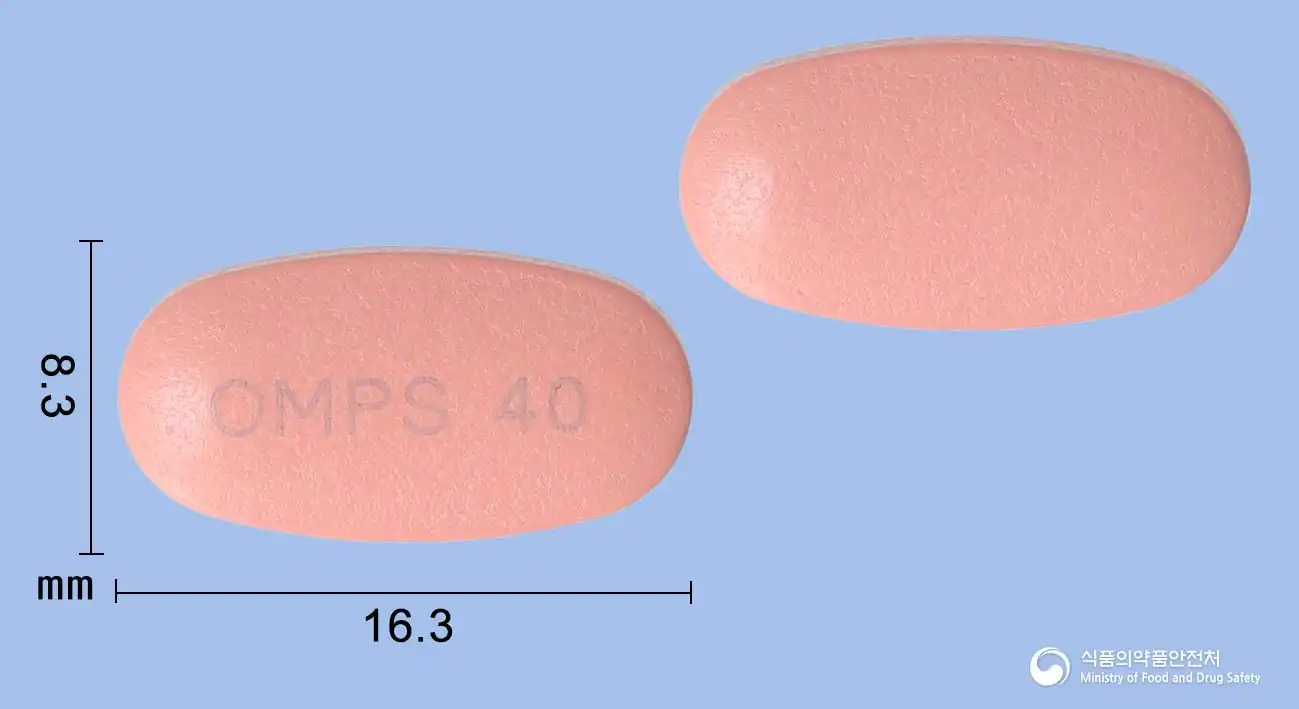
Esomeprazole Magnesium Dihydrate 43.38mg
Tablet · Prescription medication
Jongkundang Co., Ltd.
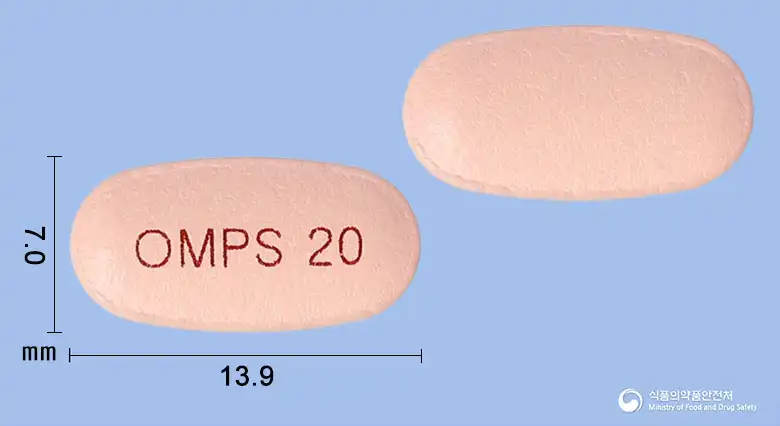
Esomeprazole Magnesium Dihydrate 21.69mg
Tablet · Prescription medication
Chong Kun Dang Pharmaceutical Corp.
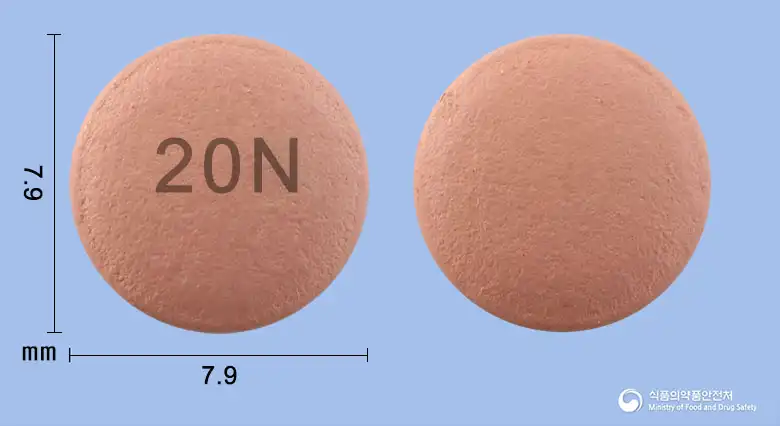
Esomeprazole Magnesium Trihydrate 22.3mg
Tablet · Prescription medication
Samjin Pharmaceutical Co., Ltd.
Even with the same ingredient, the dose and directions can differ by strength and dosage form. Talk to a doctor or pharmacist before switching from a medication you are already taking.
No questions yet.
For anything that needs medical judgment, consult a doctor or pharmacist.
This drug information is based on data provided by the Korea Ministry of Food and Drug Safety.
Consult a doctor or pharmacist for accurate dosage, administration, and usage instructions.