
 한국어
 English
 日本語
 中文(简体)
 Viewing now
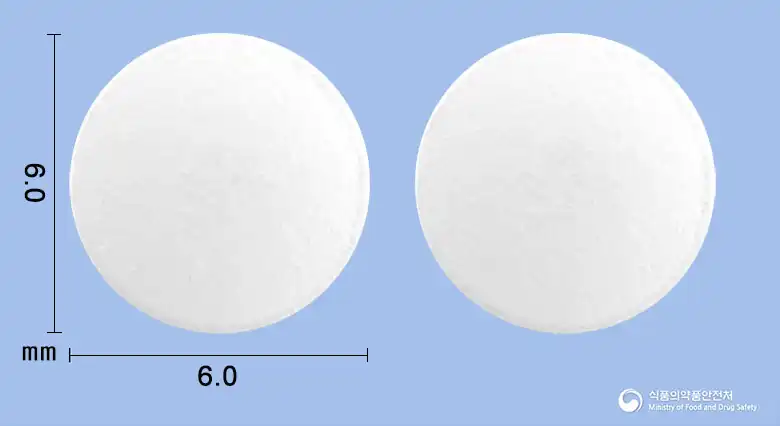
Rozan Tablets (Dienogest (Micronized))
Dienogest Micronized 2mg
Tablet · Prescription medication
Shinpoong Pharmaceutical Co., Ltd.
MFDS item code 201804326 · Approved 2018.10.31 · Insurance code 648507810
Treatment of endometriosis
Endometriosis is a condition where the endometrial tissue is located outside of the uterus, causing pain or infertility. This medication is used to relieve pain and improve symptoms associated with endometriosis.
Take 1 tablet daily without a break. If possible, take it at the same time each day with a small amount of water; it may be taken with or without food. Take the tablets continuously, regardless of vaginal bleeding, and start the next pack without a break after finishing the current pack. You may start taking the tablets on any day of the menstrual cycle. The effect may be reduced if you forget to take a dose or experience vomiting or diarrhea within 3-4 hours after taking this medicine. If you have forgotten 1 or more tablets, take 1 tablet as soon as you remember, and continue taking the tablets at your usual time the next day. If a tablet has not been absorbed due to vomiting or diarrhea, take 1 additional tablet in the same way. Patients with renal impairment: No dose adjustment is necessary in patients with renal impairment.
This medication should not be used in cases of pregnancy or suspected pregnancy. It should not be administered to patients with venous thromboembolism or cardiovascular diseases, or with a history of such conditions. Patients with severely impaired liver function or liver tumors should also not use this medication. Administration should be avoided in patients with hormone-sensitive malignant tumors or unexplained vaginal bleeding. Patients with allergies to lactose or lactose absorption disorders should not use this medication. In cases of severe uterine bleeding, caution should be exercised as this medication may worsen the bleeding, and if bleeding is severe or persistent, discontinuation of the medication should be considered. Patients with circulatory disorders may experience an increased risk of thrombosis during treatment, so careful administration is required. For cancer patients, especially those with breast cancer, the risk may be slightly increased, so consultation with a physician is necessary. Patients at risk of osteoporosis should be evaluated for bone health status before and during this medication and should ensure sufficient intake of calcium and vitamin D. Patients with a history of depression should be closely monitored, and if symptoms worsen, the medication may be discontinued. Diabetic patients should closely monitor their blood sugar control, especially those with a history of gestational diabetes. Women with a history of ectopic pregnancy or tubal dysfunction should carefully evaluate the risks and benefits of using this medication. Non-hormonal contraceptive methods are recommended during the course of this medication. If blood pressure rises during treatment, discontinuation and suitable treatment may be necessary. This medication should not be used during pregnancy and is not recommended during breastfeeding. This medication may have various side effects, so if symptoms such as headache, breast discomfort, depression, or skin changes occur during use, consultation with a physician is necessary. Furthermore, this medication may affect the results of liver or other organ function tests, so regular testing may be required. Drug interactions may occur, so if other medications are being taken, it is essential to inform a physician or pharmacist.
Not everyone experiences these, and they can vary from person to person.
This medication should be stored in a tightly sealed container to prevent air or moisture from entering, and it is recommended to store it at room temperature between 1 degree and 30 degrees Celsius. Storing it this way will help maintain the medication's efficacy safely.
White, round, biconvex film-coated tablet
28 tablets/box (14 tablets/PTP x 2)
Even with the same ingredient, strength, dosage form and how it is taken can differ.
Viewing nowDienogest Micronized 2mg
Tablet · Prescription medication
Shinpoong Pharmaceutical Co., Ltd.

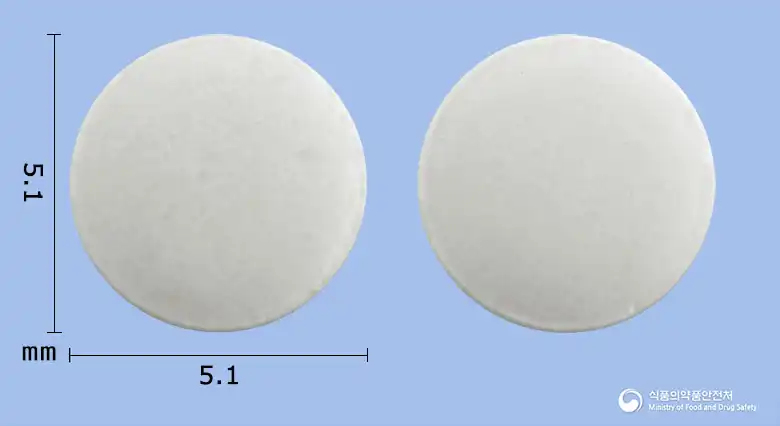
Dienogest Micronized 2mg
Tablet · Prescription medication
Bayer Korea Co., Ltd.
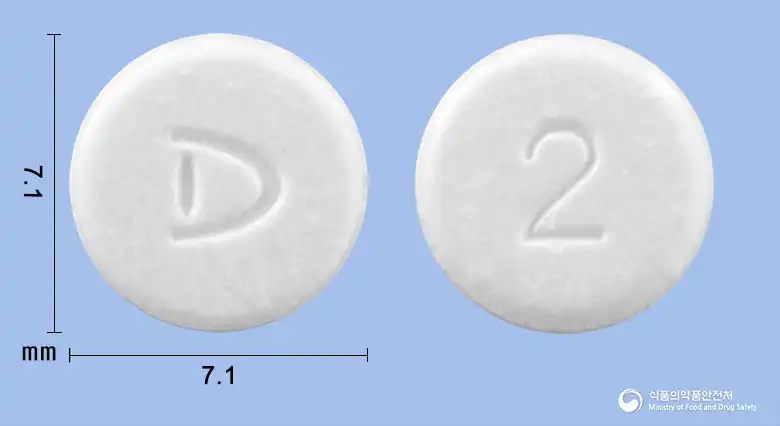
Dienogest Micronized 2mg
Tablet · Prescription medication
Korea Pharma Bio Co., Ltd.
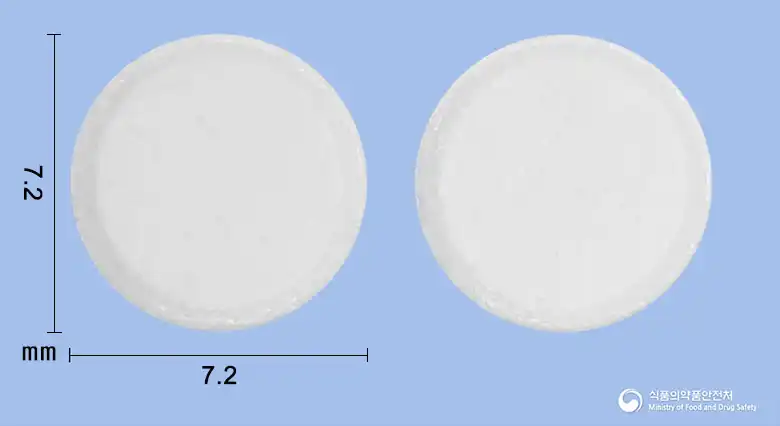
Dienogest Micronized 2mg
Tablet · Prescription medication
Darim Biotech Co., Ltd.
Dienogest Micronized 2mg
Tablet · Prescription medication
Pharmist Co., Ltd.

Dienogest Micronized 2mg
Tablet · Prescription medication
Hanwha Pharmaceuticals Co., Ltd.
Even with the same ingredient, the dose and directions can differ by strength and dosage form. Talk to a doctor or pharmacist before switching from a medication you are already taking.
No questions yet.
For anything that needs medical judgment, consult a doctor or pharmacist.
This drug information is based on data provided by the Korea Ministry of Food and Drug Safety.
Consult a doctor or pharmacist for accurate dosage, administration, and usage instructions.