
 한국어
 English
 日本語
 中文(简体)
Dosage form image
Viewing nowThioctan Tablet (Thioctic Acid)
Thioctic Acid 600mg
Tablet · Prescription medication
CTC Bio Co., Ltd.
MFDS item code 201804313 · Approved 2018.10.31
This product's status changed to Approval withdrawn on 2025.09.11. It may no longer be sold, so consult a doctor or pharmacist before taking it.
Relief of diabetic polyneuritis
This medication helps alleviate symptoms resulting from diabetic polyneuropathy. It is effective in restoring nerve function and reducing pain, contributing to the improvement of the patient's daily life. This medication allows for the relief of neuropathy symptoms and helps maintain a comfortable lifestyle.
Adults: Take 600 milligrams of thioctic acid once daily with plenty of water, approximately 30 minutes before breakfast.
This medication contains α-lipoic acid, which should not be administered to patients allergic to this ingredient or other excipients. Furthermore, there is insufficient clinical experience regarding its safety and efficacy in pediatric and adolescent patients, thus it should not be used in this age group. While taking this medication, gastrointestinal symptoms may occur rarely, including nausea, vomiting, abdominal pain, and diarrhea. Allergic reactions such as rashes, hives, and itching may also occur infrequently, so caution is advised. Additionally, symptoms of hypoglycemia, such as dizziness, sweating, headaches, and visual disturbances, may appear. Occasionally, there may be disturbances in taste. Frequent consumption of alcohol while taking this medication may exacerbate symptoms of nerve damage, so it is advisable to avoid it. Particularly, patients with diabetic neuropathy should refrain from drinking to enhance therapeutic effects, even during periods of medication breaks. This medication may diminish the effectiveness of the specific anticancer agent cisplatin, so it is preferable to avoid concurrent use. Co-administration with metal compounds such as iron, magnesium preparations, or calcium-containing milk can hinder absorption due to the formation of complexes in the body, thus maintaining a time gap between dosages is necessary. Furthermore, when taken with insulin or other diabetic medications, the hypoglycemic effect may be enhanced, necessitating frequent blood sugar monitoring and dosage adjustments as needed. If pregnant or breastfeeding, the benefits and risks of this medication must be carefully considered and it should be used only under a physician's direction, and only in urgent cases. In case of overdose, serious symptoms of toxicity may occur, initially manifesting as anxiety or altered consciousness, potentially progressing to severe conditions such as generalized seizures, acidosis, hypoglycemia, shock, muscle breakdown, coagulation disorders, and multiple organ failure. If an overdose is suspected, immediate hospitalization for general poisoning treatment such as inducing vomiting, gastric lavage, or administering activated charcoal is necessary, and in severe cases, intensive care may be required. This medication should not be stored at temperatures above 30 degrees Celsius and must be kept in a secure place out of the reach of children. Additionally, transferring the medication from its original container to another is not advisable as it may jeopardize quality maintenance.
Not everyone experiences these, and they can vary from person to person.
This medication should be stored in a sealed container to protect it from air and moisture. It is important to maintain a storage temperature between 1 degree and 30 degrees Celsius. Proper storage ensures the drug's efficacy and safety.
Yellow-green rectangular film-coated tablet
30 tablets/bottle, 100 tablets/bottle
Even with the same ingredient, strength, dosage form and how it is taken can differ.
Thioctic Acid 600mg
Tablet · Prescription medication
CTC Bio Co., Ltd.
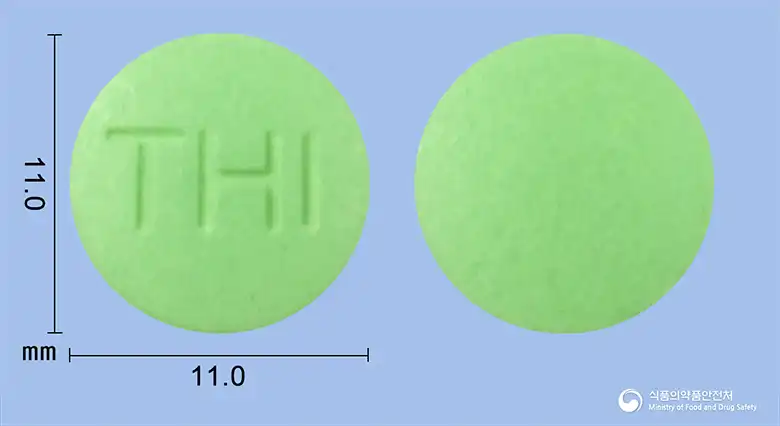
Thioctic Acid 200mg
Tablet · Prescription medication
Bukwang Pharmaceutical Co., Ltd.
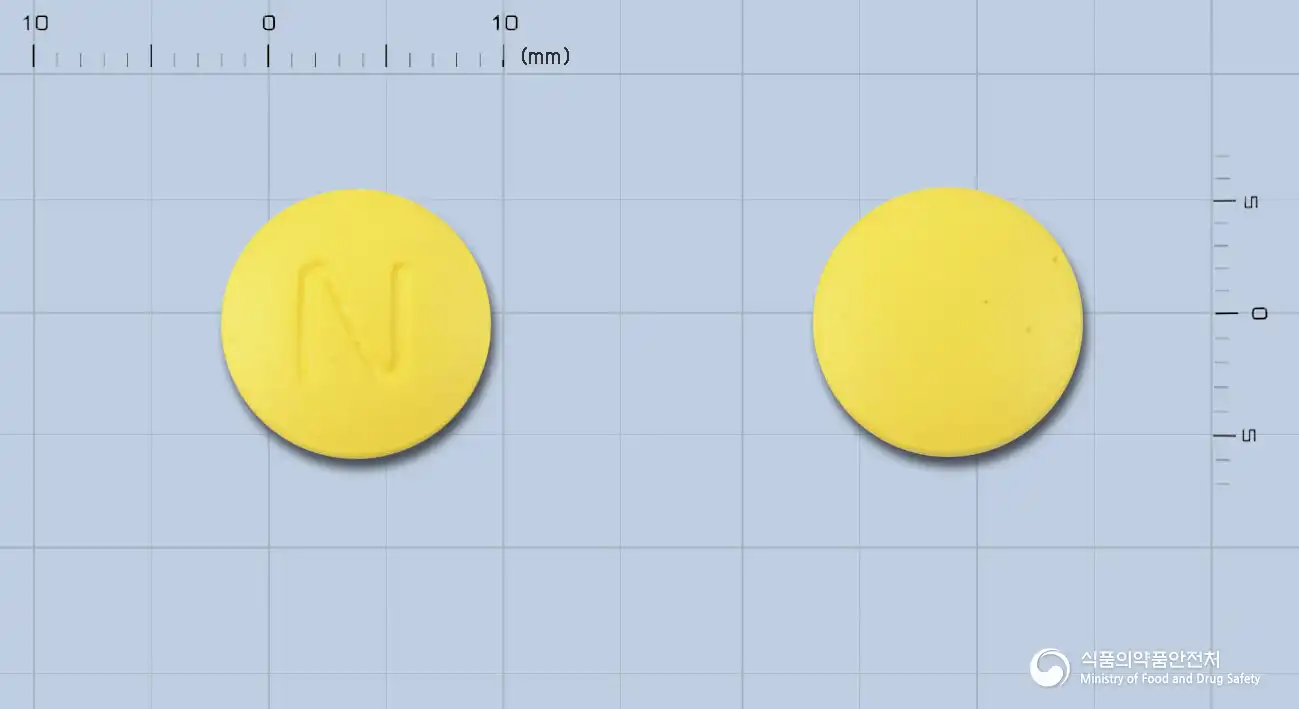
Thioctic Acid 200mg
Tablet · Prescription medication
Jongkundang Co., Ltd.
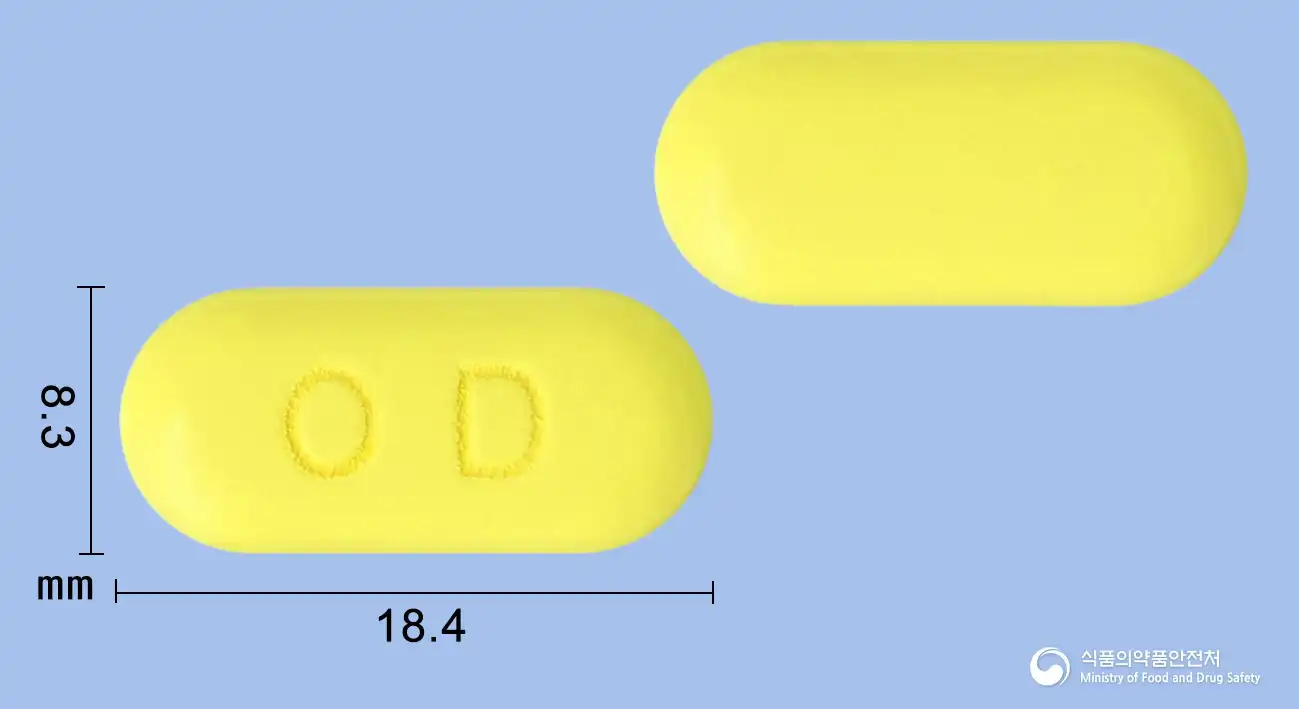
Thioctic Acid 600mg
Tablet · Prescription medication
Jongkundang Co., Ltd.
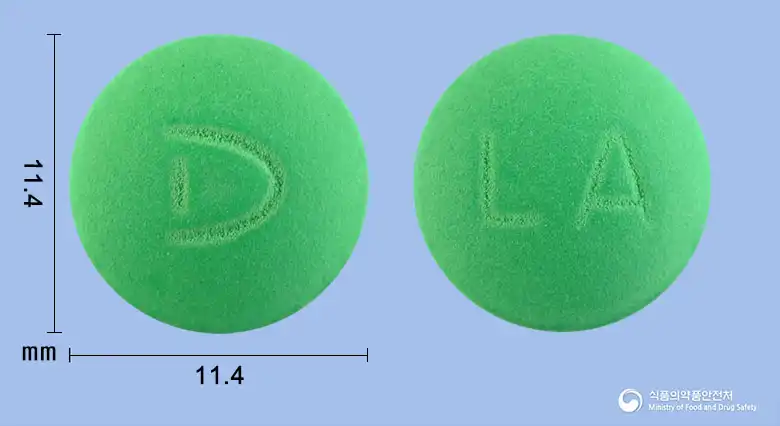
Thioctic Acid 200mg
Tablet · Prescription medication
Darim Biotech Co., Ltd.
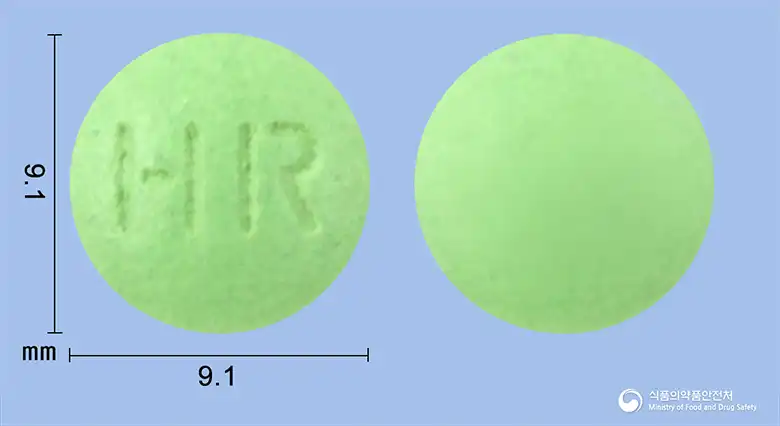
Thioctic Acid 600mg
Tablet · Prescription medication
Bukwang Pharmaceutical Co., Ltd.
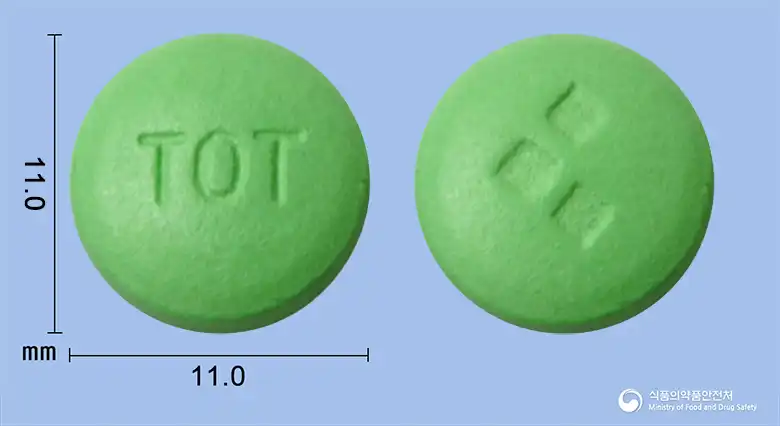
Thioctic Acid 200mg
Tablet · Prescription medication
Myungjin Pharmaceutical Co., Ltd.
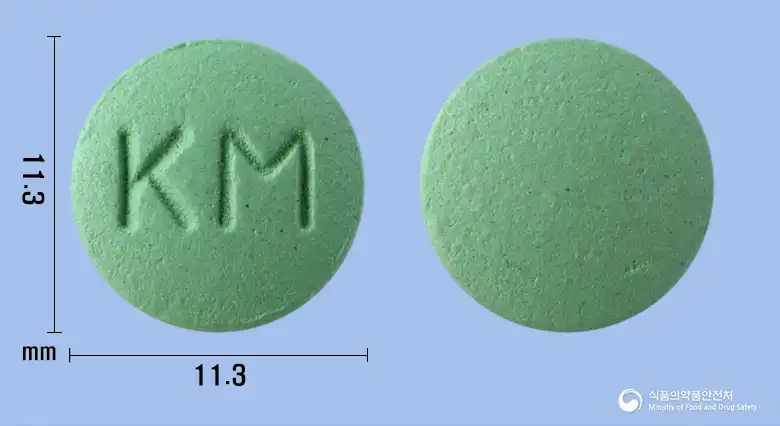
Thioctic Acid 200mg
Tablet · Prescription medication
(Huons Co., Ltd.)
Even with the same ingredient, the dose and directions can differ by strength and dosage form. Talk to a doctor or pharmacist before switching from a medication you are already taking.
No questions yet.
For anything that needs medical judgment, consult a doctor or pharmacist.
This drug information is based on data provided by the Korea Ministry of Food and Drug Safety.
Consult a doctor or pharmacist for accurate dosage, administration, and usage instructions.