
 한국어
 English
 日本語
 中文(简体)
 Viewing now
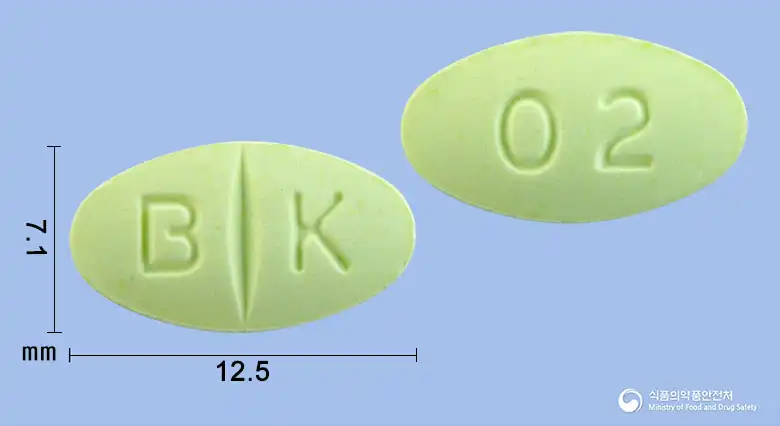
Thyroidoid Tablets 0.2 mg (Levothyroxine Sodium Hydrate)
Levothyroxine Sodium Hydrate 0.2mg
Tablet · Prescription medication
Bukwang Pharmaceutical Co., Ltd.
MFDS item code 201804237 · Approved 2018.10.26 · Insurance code 642204360
Treatment of hypothyroidism (myxedema and cretinism)
Used for conditions such as hypothyroidism, myxedema, and cretinism.
Adults: The usual dose is 25-400㎍ of levothyroxine sodium orally once daily. The usual initial dose is 25-100㎍, and the maintenance dose is 100-400㎍. The dose may be adjusted as appropriate according to age and symptoms.
This medication is used to supplement or replace thyroid hormone. It is inappropriate for individuals with normal thyroid function to take this medication alone or with other medications for weight loss purposes. In particular, taking it with sympathomimetic appetite suppressants can lead to serious side effects and can be very dangerous. Patients with certain heart conditions, such as acute cardiac disease, severe angina, or heart failure accompanied by tachycardia, may experience worsening conditions if this medication is taken and should not be administered. Patients with hyperthyroidism or adrenal insufficiency should also avoid taking this medication. Additionally, patients who are allergic to this medication or have a genetic lactose metabolism disorder should avoid administration. Patients with cardiovascular diseases such as hypertension, angina, and atherosclerosis must exercise extreme caution when taking this medication, starting with a low dose and gradually increasing it. Patients with adrenal cortical insufficiency or diabetes should carefully observe changes in their conditions while on this medication. Elderly patients or those with long-term hypothyroidism should also be cautious with dosage adjustments. Overdose of this medication may result in increased and irregular heartbeats, insomnia, headaches, dizziness, loss of appetite, vomiting, diarrhea, and various side effects may appear. If an allergic reaction occurs, administration should be stopped immediately and liver function should be periodically monitored, as liver function abnormalities may develop. Patients with hypothyroidism should start with a small dose and gradually increase it, while those with diabetes may need to adjust the dosage of their blood sugar control medication. Patients with cardiovascular diseases should be cautious and reduce dosages if they experience chest pain or worsening symptoms. This medication can interact with multiple drugs, so dosage adjustments and monitoring are necessary if taken with anticoagulants, sympathomimetics, cardiotonics, hypoglycemic agents, antacids, anticonvulsants, contraception pills, among others, as directed by a medical professional. During pregnancy, this medication should be continued as it does not significantly affect the fetus, and caution is required during breastfeeding as well. In children, it is important to start treatment for hypothyroidism early, as excessive treatment can affect growth, thus proper dosage adjustments are necessary. Elderly individuals have reduced physiological functions, which may increase cardiac burden when taking this medication, so initial doses should be low and gradually increased. Taking this medication may affect the results of thyroid function tests, so it is important to inform about any medications being taken before testing and adjust the testing schedule if necessary. In cases of overdose, emergency measures such as inducing vomiting, stomach lavage, and administering absorbent agents may be necessary, and beta-blockers may be used for cardiac symptoms. This medication is a treatment to normalize thyroid function; precautions and interactions must be well understood, and it should be taken according to medical professionals' directions.
Not everyone experiences these, and they can vary from person to person.
This medication may be sensitive to light, so it should be stored in a container that does not allow light into it. Additionally, it is important to store it at room temperature between 1 to 30 degrees Celsius to maintain the medication’s efficacy.
Green oval tablets
100 tablets/bottle
Even with the same ingredient, strength, dosage form and how it is taken can differ.
Viewing nowLevothyroxine Sodium Hydrate 0.2mg
Tablet · Prescription medication
Bukwang Pharmaceutical Co., Ltd.
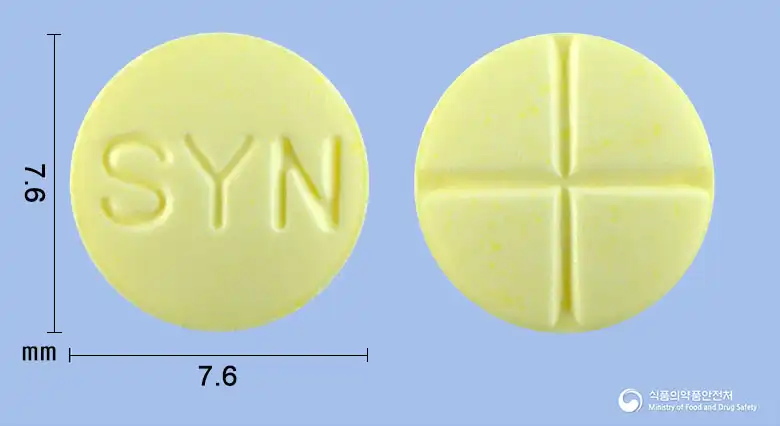
Levothyroxine Sodium Hydrate 0.1mg
Tablet · Prescription medication
Bukwang Pharmaceutical Co., Ltd.
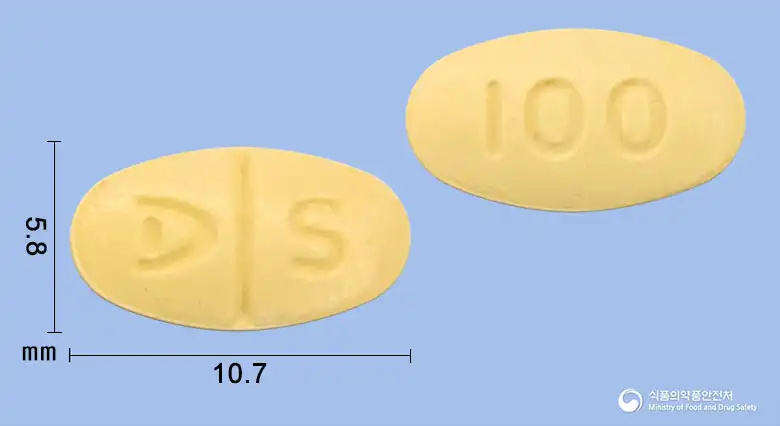
Levothyroxine Sodium Hydrate 0.1mg
Tablet · Prescription medication
Darim Biotech Co., Ltd.
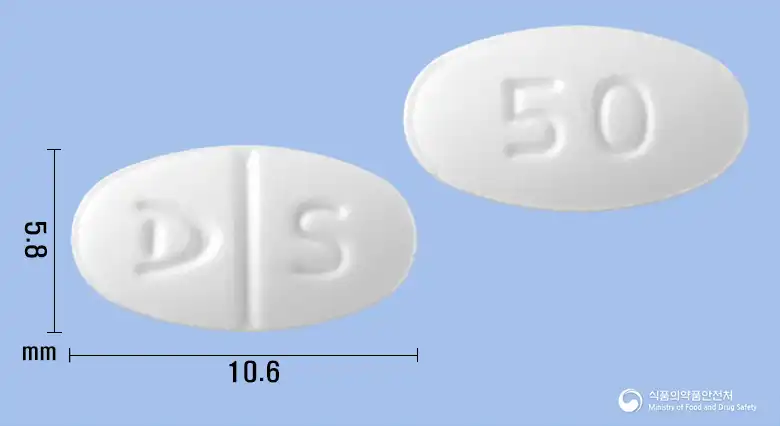
Levothyroxine Sodium Hydrate 0.05mg
Tablet · Prescription medication
Darim Biotech Co., Ltd.
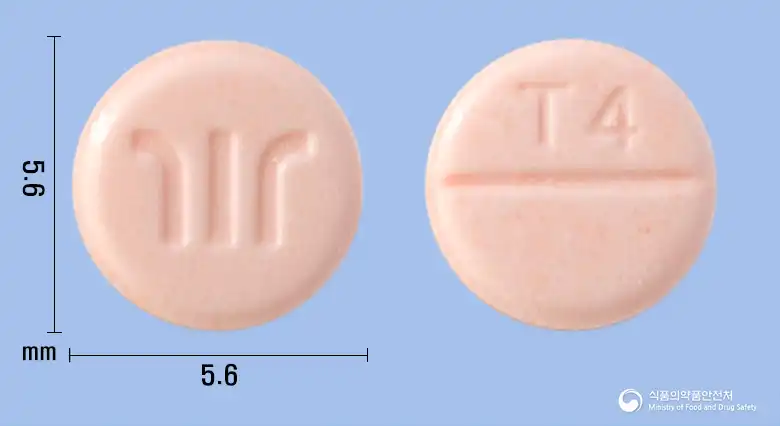
Levothyroxine Sodium Hydrate 0.05mg
Tablet · Prescription medication
Bukwang Pharmaceutical Co., Ltd.
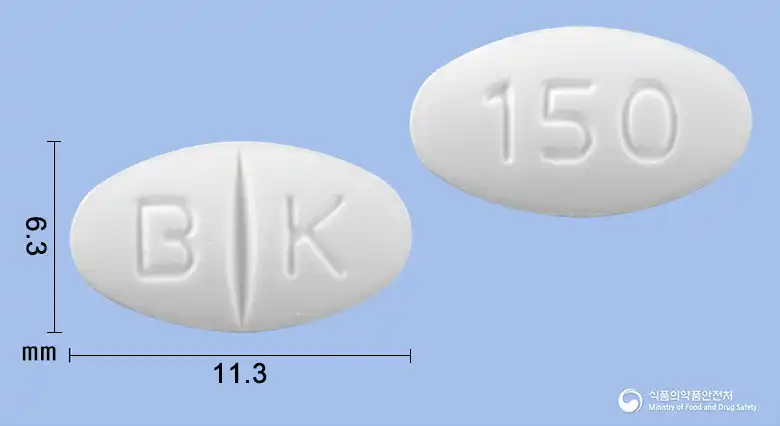
Levothyroxine Sodium Hydrate 0.15mg
Tablet · Prescription medication
Bukwang Pharmaceutical Co., Ltd.
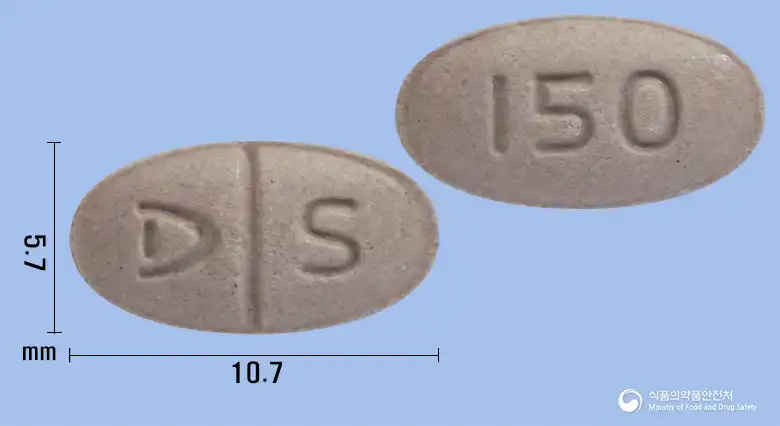
Levothyroxine Sodium Hydrate 0.15mg
Tablet · Prescription medication
Darim Biotech Co., Ltd.
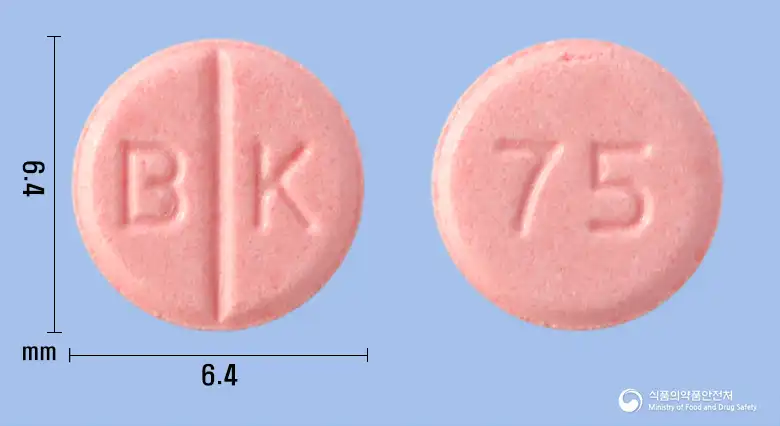
Levothyroxine Sodium Hydrate 0.075mg
Tablet · Prescription medication
Bukwang Pharmaceutical Co., Ltd.
Even with the same ingredient, the dose and directions can differ by strength and dosage form. Talk to a doctor or pharmacist before switching from a medication you are already taking.
No questions yet.
For anything that needs medical judgment, consult a doctor or pharmacist.
This drug information is based on data provided by the Korea Ministry of Food and Drug Safety.
Consult a doctor or pharmacist for accurate dosage, administration, and usage instructions.