
 한국어
한국어 English
 日本語
日本語 中文(简体)
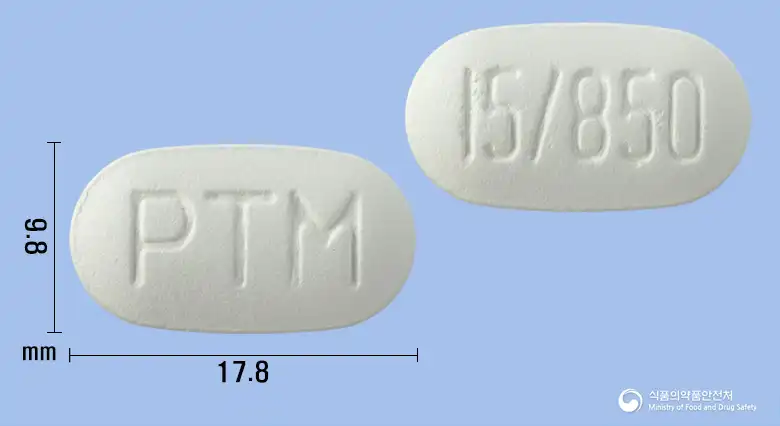
 Viewing nowCombination
Actimmet Tablet 15/850mg
Metformin Hydrochloride 850mg · Pioglitazone Hydrochloride 16.53mg
Tablet · Prescription medication · Combination
Kujoo Pharmaceutical Co., Ltd.
MFDS item code 201804095 · Approved 2018.10.16
Improvement in blood sugar control for type 2 diabetes
This medication is used to help improve blood sugar control more effectively when patients with type 2 diabetes follow dietary and exercise therapy. It provides stable blood sugar management through a favorable combination of pioglitazone and metformin. Therefore, this medication is used to improve blood sugar levels alongside lifestyle modifications.
The dosage of this medication should be individualized based on efficacy and tolerability, not exceeding the maximum dosages of its components, pioglitazone 30mg and metformin 2500mg. The initial dosage should be based on the patient's current treatment regimen. Patients on monotherapy with metformin or pioglitazone should start this medication at 1 tablet once daily, evaluating the treatment response and gradually adjusting the dosage. In the combination therapy of pioglitazone and metformin, preceded by
This medication can cause severe lactic acidosis and hypoglycemia, thus caution is required, especially in patients with impaired renal function or those with heart or lung conditions or sepsis. Lactic acidosis is rare but a very dangerous condition that can occur due to the accumulation of this medication in the body and can be fatal. It is advisable not to administer this medication to patients with liver dysfunction, and excessive acute or chronic alcohol intake should also be avoided. Patients with heart failure or severe cardiac conditions should not use this medication, and if signs of heart failure occur, immediate consultation with medical personnel is necessary. Patients with active bladder cancer or a history of bladder cancer should carefully consider the risks and benefits before using this medication. Women who are pregnant or breastfeeding should not take this medication, and safety in pediatric patients has not been established. Elderly patients may have reduced kidney function, so it is important to adjust the dosage and regularly monitor kidney function. During the course of taking this medication, blood sugar levels, kidney function, liver function, and hematological parameters should be routinely checked, and any abnormal symptoms should be reported to a physician immediately. Additionally, the administration of this medication should be temporarily discontinued before and after surgery or tests using iodine contrast agents, and it should be re-administered only after confirming renal function. This medication may interact with other drugs, so it is crucial to inform the medical staff of any other medications being taken. There is a risk of hypoglycemia due to irregular meals, excessive exercise, or the combination with other hypoglycemic agents, necessitating caution. In case of overdose, appropriate supportive therapy and possibly hemodialysis may be needed; hence, dosages must be strictly adhered to.
Hives, severe swelling, chest tightness, difficulty breathing, cold sweat, pallor, severe rash with high fever, blisters, peeling skin, pain in the mouth/eyes mucosa, shortness of breath or difficulty breathing, asthma attack, respiratory abnormalities accompanied by coughing and fever, jaundice of the skin or eyes, extreme lethargy, sudden and severe headache, thunderclap headache, seizures, confusion of consciousness, visual disturbances, paralysis, significantly reduced urine output
Not everyone experiences these, and they can vary from person to person.
This medication may be sensitive to air or moisture, so it should be stored in a tightly closed container. The storage temperature should be maintained at room temperature between 1°C and 30°C. Proper storage will help maintain the medication's effectiveness for a longer duration.
White to grayish-white oblong film-coated tablet
30 tablets (10 tablets/PTP * 3)
Even with the same ingredient, strength, dosage form and how it is taken can differ.
Viewing nowCombinationMetformin Hydrochloride 850mg · Pioglitazone Hydrochloride 16.53mg
Tablet · Prescription medication · Combination
Kujoo Pharmaceutical Co., Ltd.
Pioglitazone Hydrochloride 16.53mg · Metformin Hydrochloride 850mg
Tablet · Prescription medication · Combination
Celltrion Pharmaceutical Co., Ltd.
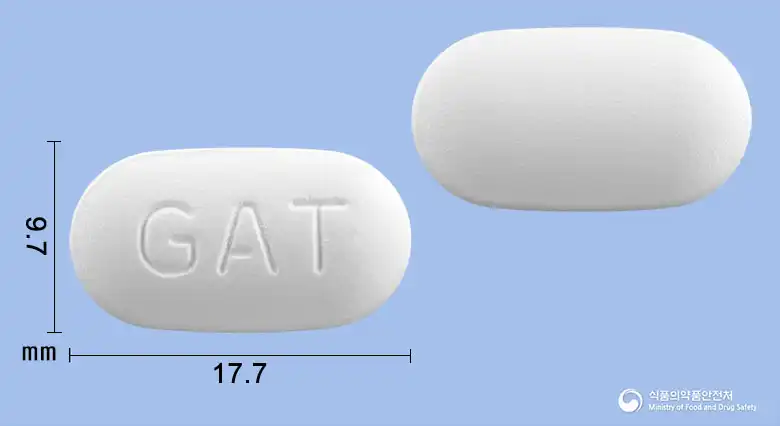
 Combination
Metformin Hydrochloride 850mg · Pioglitazone Hydrochloride 16.53mg
Tablet · Prescription medication · Combination
Genewon Science Co., Ltd.
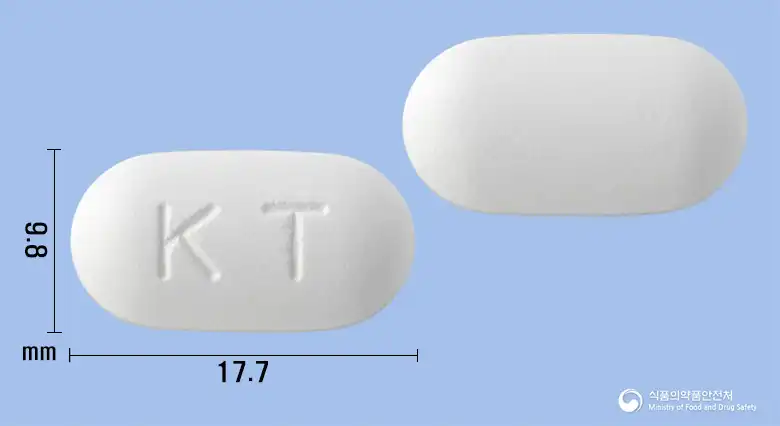
 Combination
Metformin Hydrochloride 850mg · Pioglitazone Hydrochloride 16.53mg
Tablet · Prescription medication · Combination
Dalim Biotech Co., Ltd.
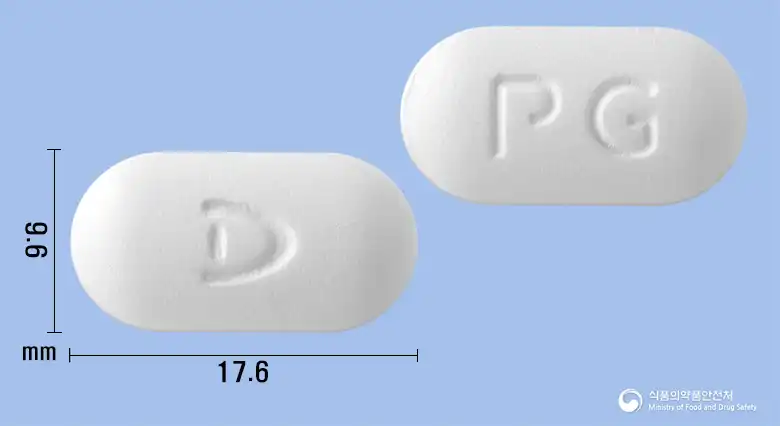
 Combination
Pioglitazone Hydrochloride 16.53mg · Metformin Hydrochloride 850mg
Tablet · Prescription medication · Combination
Kyungdong Pharmaceutical Co., Ltd.
Metformin Hydrochloride · Pioglitazone Hydrochloride
Prescription medication · Combination
Nexpam Korea Co., Ltd.
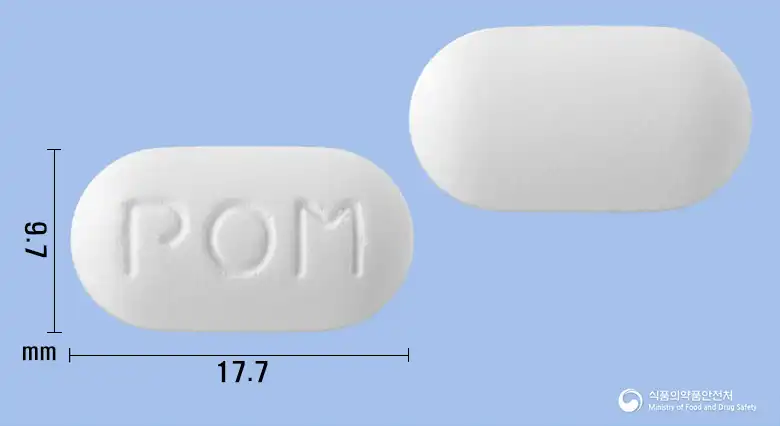 Combination
Pioglitazone Hydrochloride 16.53mg · Metformin Hydrochloride 850mg
Tablet · Prescription medication · Combination
Korea Prime Pharmaceutical Co., Ltd.
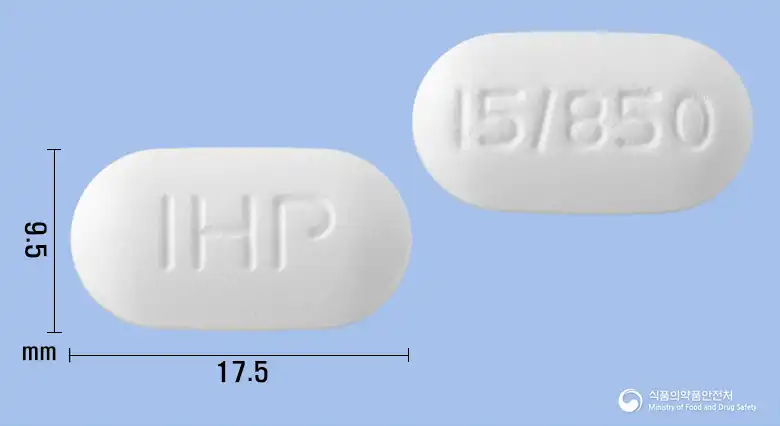 Combination
Metformin Hydrochloride 850mg · Pioglitazone Hydrochloride 16.53mg
Tablet · Prescription medication · Combination
Ilhwa Co., Ltd.
Even with the same ingredient, the dose and directions can differ by strength and dosage form. Talk to a doctor or pharmacist before switching from a medication you are already taking.
No questions yet.
For anything that needs medical judgment, consult a doctor or pharmacist.
This drug information is based on data provided by the Korea Ministry of Food and Drug Safety.
Consult a doctor or pharmacist for accurate dosage, administration, and usage instructions.