
 한국어
한국어 English
 日本語
日本語 中文(简体)
Dosage form image
Viewing nowSilotuzheng 50 mg (Cilostazol)
Cilostazol
Prescription medication
COSMAX Pharma Co., Ltd.
MFDS item code 201804066 · Approved 2018.10.16
This product's status changed to Approval withdrawn on 2023.07.19. It may no longer be sold, so consult a doctor or pharmacist before taking it.
Improvement of chronic arterial occlusive disease (ulcers, pain, etc.) and prevention of recurrent cerebral infarction
This medication helps improve ischemic symptoms such as ulcers, pain, and cold sensation associated with chronic arterial occlusive disease. It is also used to prevent recurrence after the onset of cerebral infarction, thereby protecting the health of patients.
As cilostazol, the usual dosage for adults is 100 mg orally, administered twice a day. Adjust according to age and symptoms.
This medication may increase pulse rate and potentially provoke angina symptoms; therefore, careful observation for symptoms of angina such as chest pain is necessary. It should not be used in patients at risk of bleeding or who have experienced bleeding disorders recently, and patients with congestive heart failure should avoid this medicine as it may exacerbate symptoms. Patients with a history of allergic reactions to this medication or its components, pregnant women or those who may become pregnant, and breastfeeding women should not use it. Caution is required in patients taking anticoagulants, antiplatelet agents, thrombolytics, women during menstruation, patients with heart diseases, severely impaired kidney or liver function, diabetic patients, and hypertensive patients. This medication can cause serious side effects such as bleeding, decreased blood cells, interstitial pneumonia, or cardiac-related adverse symptoms; if any abnormal symptoms occur, promptly discontinue use and consult a healthcare provider. Various side effects such as dizziness, headache, dyspepsia, and skin rashes can occur, so caution is needed, especially when driving or operating machinery. Since this drug is metabolized in the liver, co-administering with certain medications may raise blood concentration and increase the risk of side effects; avoid consuming grapefruit juice together. Pregnant women should not use this drug as it can harm the fetus, and breastfeeding women should discontinue breastfeeding while taking this medication. Safety for children and newborns has not been established, so caution is needed for their use, and elderly patients may require dose adjustment due to reduced bodily function. In case of overdose, symptoms such as headache, diarrhea, hypotension, tachycardia, and arrhythmia may occur, necessitating immediate medical treatment. Caution should be exercised when using this drug in combination with antihypertensive agents, as it may cause additional hypotension or increased heart rate.
Hives, severe swelling (edema), chest tightness, difficulty breathing, cold sweat, pallor, severe rash with fever, blisters, peeling skin, pain in the mucous membranes of the mouth/eyes, shortness of breath or difficulty breathing, asthma attacks, respiratory abnormalities accompanied by cough + fever, yellowing of the skin or eyes (jaundice), extreme lethargy, sudden and very severe headache, lightning headache, seizures, altered consciousness, visual disturbances, paralysis, urinary issues
Not everyone experiences these, and they can vary from person to person.
This medication should be stored in a tightly sealed container to prevent air or moisture from entering, and it is recommended to keep it at room temperature between 1 to 30 degrees Celsius. Proper storage helps maintain the medication's effectiveness and prevent degradation.
White round tablet
30 tablets/bottle, 100 tablets/bottle
Even with the same ingredient, strength, dosage form and how it is taken can differ.
Cilostazol
Prescription medication
COSMAX Pharma Co., Ltd.
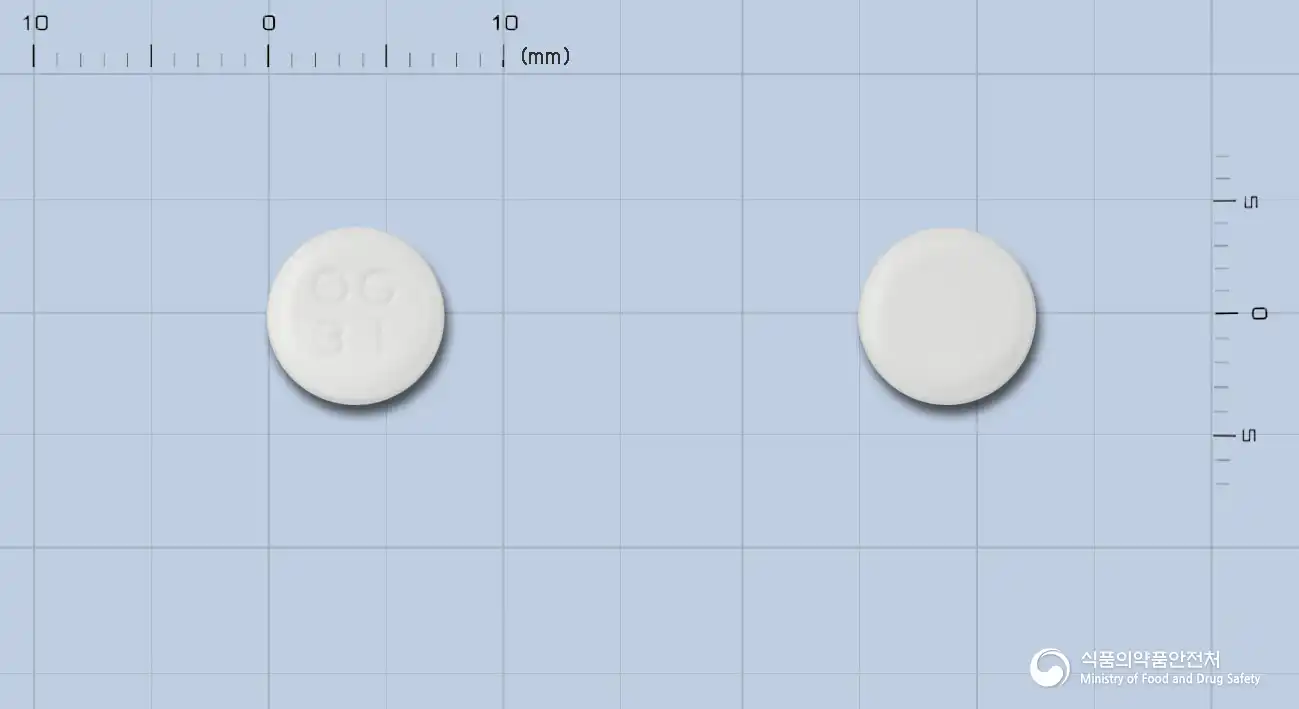
Cilostazol 50mg
Tablet · Prescription medication
Otsuka Pharmaceutical Co., Ltd.
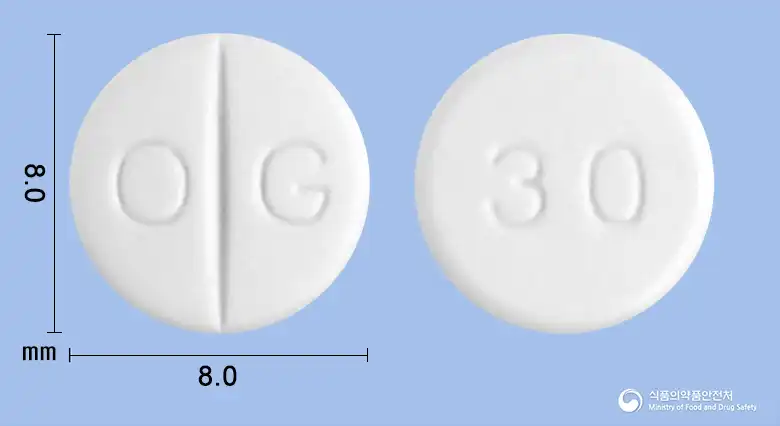
Cilostazol 100mg
Tablet · Prescription medication
Korea Otsuka Pharmaceutical Co., Ltd.
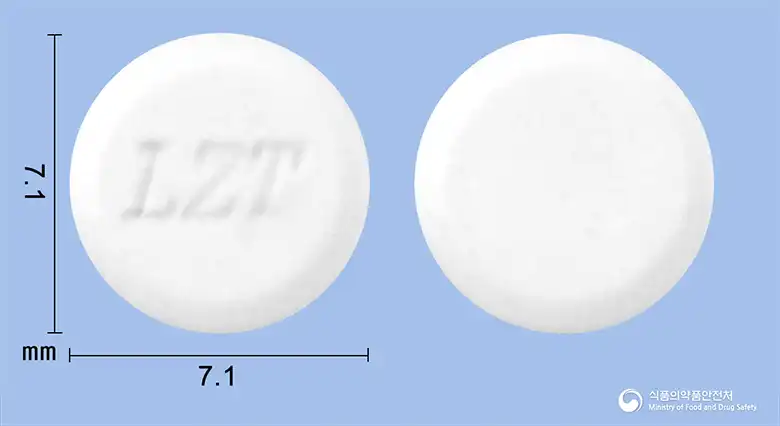
Cilostazol 50mg
Tablet · Prescription medication
Kyungdong Pharmaceutical Co., Ltd.
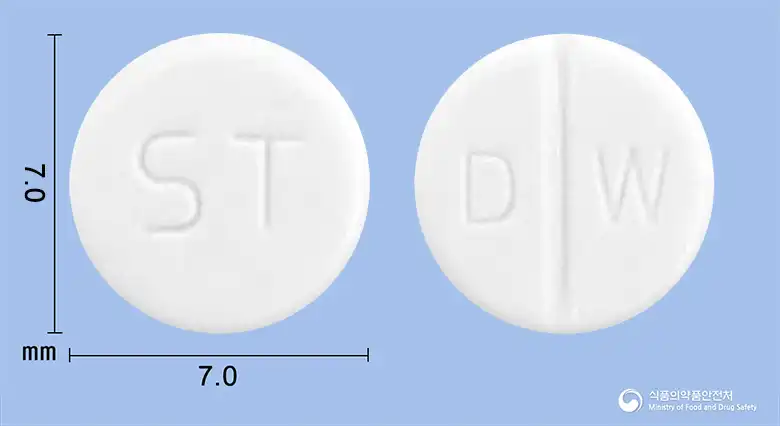
Cilostazol 50mg
Tablet · Prescription medication
Daewon Pharmaceutical Co., Ltd.
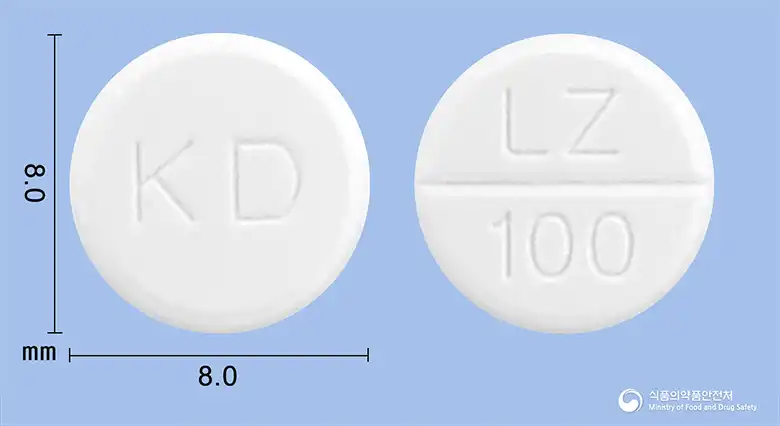
Cilostazol 100mg
Tablet · Prescription medication
Kyungdong Pharmaceutical Co., Ltd.
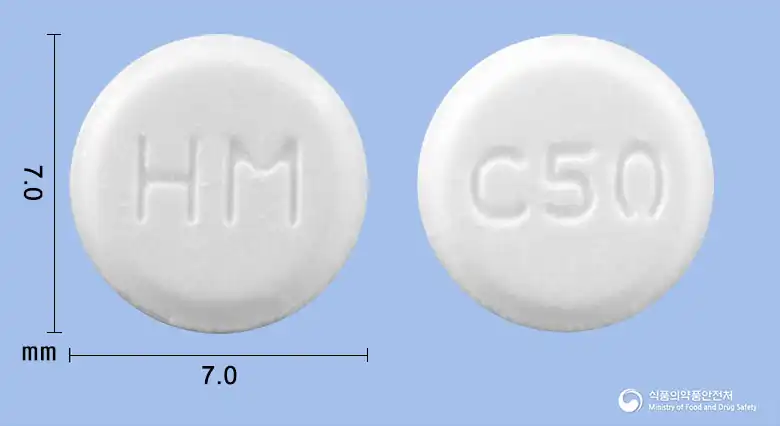
Cilostazol 50mg
Tablet · Prescription medication
Hanmi Pharmaceutical Co., Ltd.
Cilostazol
Prescription medication
Daehan New Pharm Co., Ltd.
Even with the same ingredient, the dose and directions can differ by strength and dosage form. Talk to a doctor or pharmacist before switching from a medication you are already taking.
No questions yet.
For anything that needs medical judgment, consult a doctor or pharmacist.
This drug information is based on data provided by the Korea Ministry of Food and Drug Safety.
Consult a doctor or pharmacist for accurate dosage, administration, and usage instructions.