
 한국어
 English
 日本語
 中文(简体)
 Viewing nowCombination
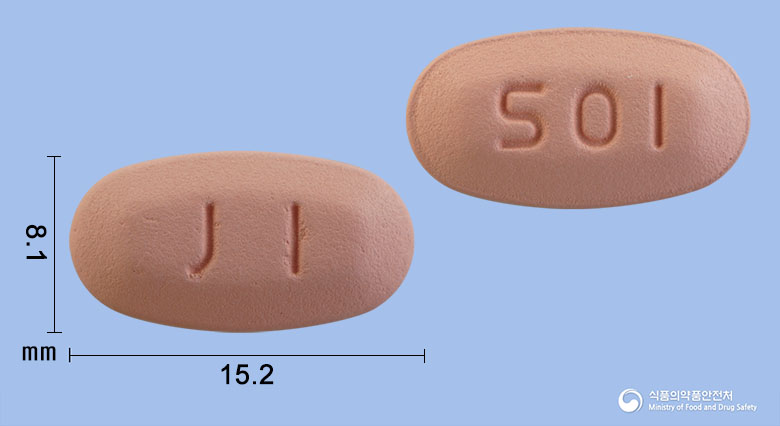
Duomet XR Tablet 500/10 mg
Metformin Hydrochloride 500mg · Rosuvastatin Calcium 10.4mg
Tablet · Prescription medication · Combination
Jeil Pharmaceutical Co., Ltd.
MFDS item code 201803966 · Approved 2018.10.10 · Insurance code 645405400
This product's status changed to Approval revoked on 2026.02.19. It may no longer be sold, so consult a doctor or pharmacist before taking it.
Alternative therapy for metformin and rosuvastatin combination treatment
This medication is used as a combination replacement therapy for patients who need to use Metformin Hydrochloride and Rosuvastatin Calcium together.
This medicine is for adults only and should be taken once daily with the evening meal. For convenience, patients taking metformin hydrochloride and rosuvastatin calcium concomitantly may be switched to this medicine (a combination product containing the same amount of each active ingredient). The safety and efficacy of this medicine have been established at a metformin hydrochloride dose of 1500 mg.
This medication can rarely cause a serious condition called lactic acidosis, so if symptoms appear, you must inform your healthcare professional immediately. Also, when used with insulin or other diabetes medications, hypoglycemia may occur, so blood sugar changes must be monitored carefully. This medication should not be used by patients who are allergic to its ingredients or have severely impaired liver function. It should also be avoided in patients with muscle disorders or when used in combination with certain medications, and it is safest for pregnant or nursing women to avoid this medication. Patients with severely impaired kidney function, acute heart failure, severe infection, and those scheduled for surgery should consult with their doctor before using this medication. During the course of taking this medication, it is necessary to regularly check liver and muscle health conditions and immediately report any abnormal signs. Furthermore, alcohol consumption should be avoided as it can increase the risk of lactic acidosis. This medication may interact with other medications, so if you are taking other medications, be sure to inform your healthcare professional, especially before using iodine contrast agents in examinations, this medication should be discontinued. Elderly patients or those with weakened kidney function may require dosage adjustments and regular kidney function tests. Finally, safety has not been confirmed for children or teenagers under 19 years of age, so this medication should not be used.
Severe lactic acidosis, severe hypoglycemia, diarrhea, upper abdominal pain, constipation, abdominal pain, belching, gastroesophageal reflux disease, upper abdominal discomfort, indigestion, fasciitis, sensory disturbances, arthralgia, papular rash, elevated creatine phosphokinase, elevated liver enzymes, headache, dizziness, constipation, nausea, abdominal pain, pancreatitis, pruritus, rash, urticaria, myalgia, myopathy, rhabdomyolysis, weakness, taste impairment, nausea, vomiting, abdominal pain, loss of appetite, erythema, pruritus, urticaria, angioedema, diabetes, headache, dizziness, constipation, nausea, abdominal pain, herpes zoster, polyneuropathy, amnesia, peripheral neuropathy, cough, dyspnea, thrombocytopenia, jaundice, hepatitis, increased transaminases, Stevens-Johnson syndrome, eosinophilia, drug reaction with eosinophilia and systemic symptoms, lupus-like syndrome, muscle rupture, arthralgia, immune-mediated necrotizing myopathy, hematuria, edema, depression, sleep disorders, interstitial lung disease, sexual dysfunction, gynecomastia, fatal and non-fatal hepatic failure, cognitive impairment, severe myasthenia gravis, ocular myasthenia, elevated ALT, myalgia, elevated CK, dizziness, weakness, arthralgia, fatigue, numbness, sensory disturbances, chest discomfort, nausea, diarrhea, loss of appetite, abdominal distension, abnormal liver function tests, syncope, generalized pain, muscle cramps, gout, erectile dysfunction, acute renal failure, oliguria, thrombocytopenia, elevated serum creatinine
Not everyone experiences these, and they can vary from person to person.
This medication may be sensitive to air or moisture, so it must be stored in a sealed container. It is important to maintain a storage temperature between 1 degree and 30 degrees Celsius to safely preserve the medication's effectiveness.
Pink oval film-coated tablet
30 tablets (10 tablets/PTPX3), 30 tablets/bottle
Even with the same ingredient, strength, dosage form and how it is taken can differ.
Viewing nowCombinationMetformin Hydrochloride 500mg · Rosuvastatin Calcium 10.4mg
Tablet · Prescription medication · Combination
Jeil Pharmaceutical Co., Ltd.
 Combination
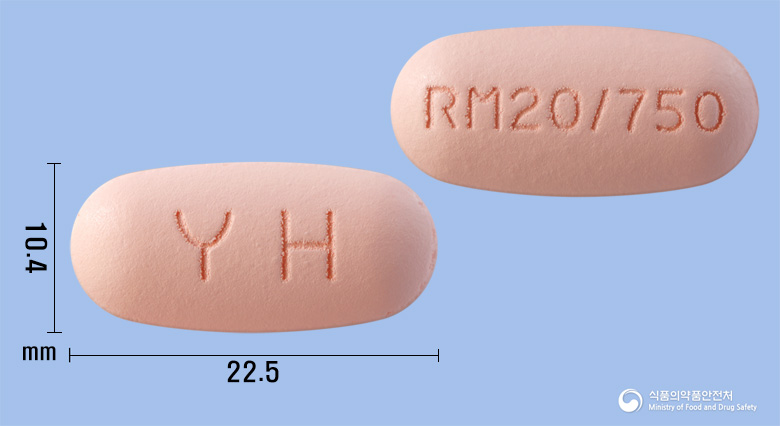
Metformin Hydrochloride 750mg · Rosuvastatin Calcium 20.8mg
Tablet · Prescription medication · Combination
Yuhan Corporation
 Combination
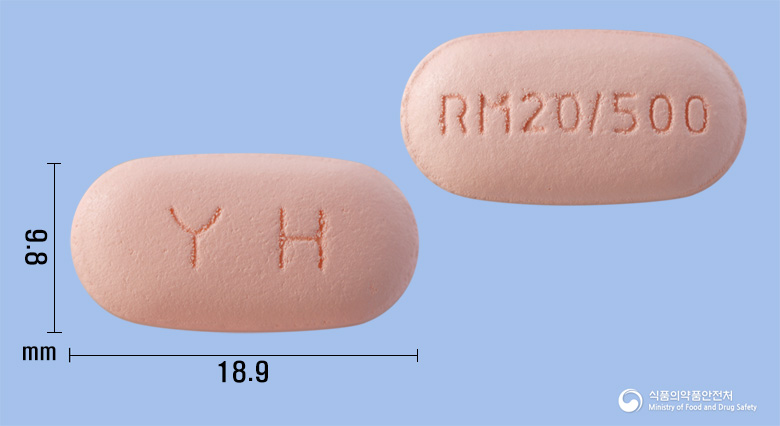
Metformin Hydrochloride 500mg · Rosuvastatin Calcium 20.8mg
Tablet · Prescription medication · Combination
Yuhan Corporation
 Combination
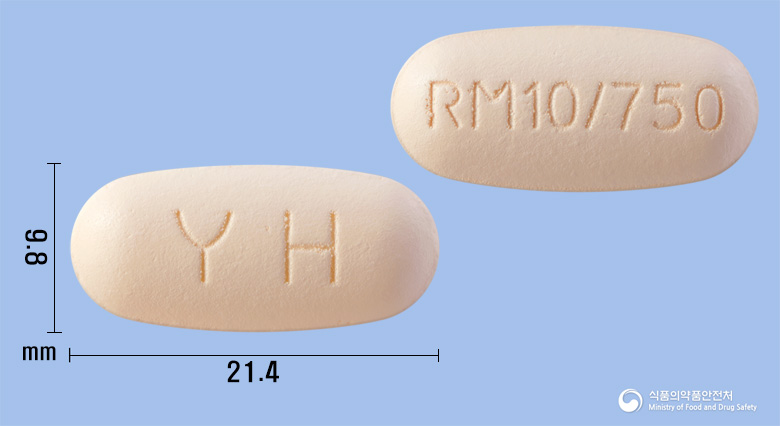
Metformin Hydrochloride 750mg · Rosuvastatin Calcium 10.4mg
Tablet · Prescription medication · Combination
Yuhan Corporation
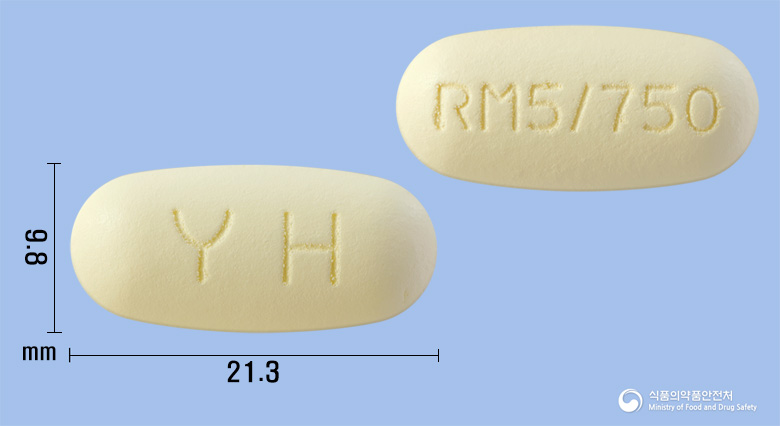 Combination
Metformin Hydrochloride 750mg · Rosuvastatin Calcium 5.2mg
Tablet · Prescription medication · Combination
Yuhan Corporation
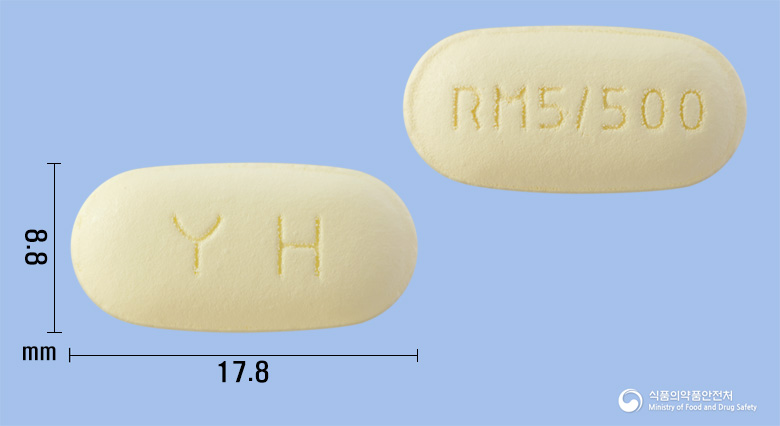 Combination
Metformin Hydrochloride 500mg · Rosuvastatin Calcium 5.2mg
Tablet · Prescription medication · Combination
Yuhan Corporation
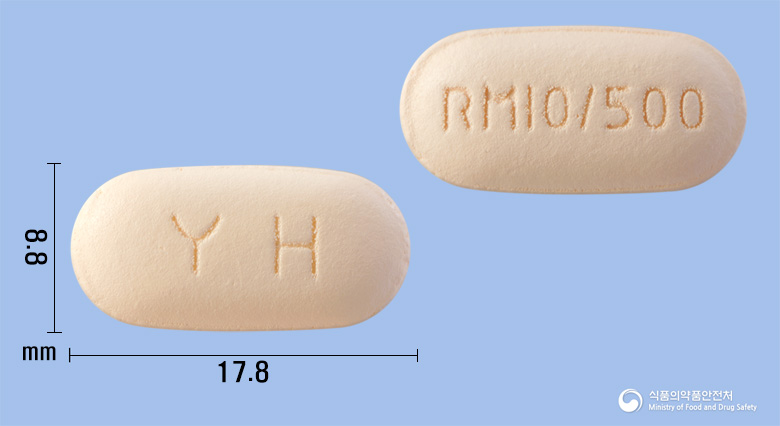 Combination
Metformin Hydrochloride 500mg · Rosuvastatin Calcium 10.4mg
Tablet · Prescription medication · Combination
Yuhansangyo Co., Ltd.
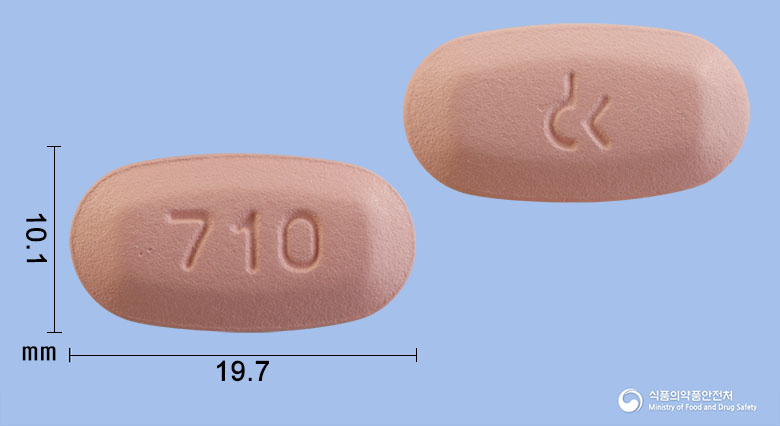 Combination
Metformin Hydrochloride 750mg · Rosuvastatin Calcium 10.4mg
Tablet · Prescription medication · Combination
Dongkuk Pharmaceutical Co., Ltd.
Even with the same ingredient, the dose and directions can differ by strength and dosage form. Talk to a doctor or pharmacist before switching from a medication you are already taking.
No questions yet.
For anything that needs medical judgment, consult a doctor or pharmacist.
This drug information is based on data provided by the Korea Ministry of Food and Drug Safety.
Consult a doctor or pharmacist for accurate dosage, administration, and usage instructions.