
 한국어
한국어 English
 日本語
日本語 中文(简体)
 Viewing nowCombination
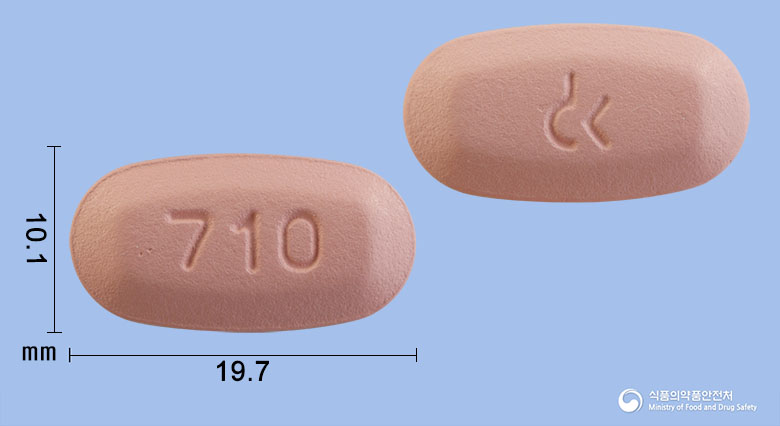
Rosutamet Tablet 750/10 mg
Metformin Hydrochloride 750mg · Rosuvastatin Calcium 10.4mg
Tablet · Prescription medication · Combination
Dongkuk Pharmaceutical Co., Ltd.
MFDS item code 201803962 · Approved 2018.10.10
Efficacy of combination therapy
This medication is used as a combination therapy for patients who need to take metformin hydrochloride and rosuvastatin calcium together. In other words, it is prescribed when there is a need to administer both medications simultaneously, and it is suitable for enhancing the therapeutic effects in patients.
This medication is administered to adults only, once daily with the evening meal.
This medication can rarely cause severe lactic acidosis, which has been reported to lead to fatalities. Caution is necessary if used in conjunction with other diabetes treatments, as severe hypoglycemia may occur. Patients with allergies to this medication's components or similar drugs should not take it. Patients with very poor liver function or liver disease should not use this medication safely. Use may also be prohibited in patients with muscle disorders or those taking certain medications together. Pregnant or breastfeeding women are advised not to take this medication, and women of childbearing age should use appropriate contraception. Certain health conditions, such as severe renal impairment, acute heart failure, or serious infections, warrant avoidance of this medication. It should be temporarily discontinued before and after using iodine contrast media for tests and restarted only after confirming normal kidney function. Caution is required in specific situations such as irregular meals, intense exercise, or taking other medications. If symptoms like muscle pain, muscle weakness, fatigue, or fever occur while taking this medication, immediate consultation with a healthcare professional is necessary. Regular kidney function tests should be conducted to prevent drug accumulation, especially in the elderly or those with impaired kidney function. Excessive alcohol intake may increase the risk of side effects from this medication, so it is advisable to avoid it. This medication can cause gastrointestinal disturbances, skin rashes, headaches, and dizziness in some patients. Particularly, if there is an elevation in liver function test results or signs of muscle-related abnormalities, immediate notification to a healthcare provider is required. This medication should not be used during pregnancy and is recommended to be avoided during breastfeeding. The safety and efficacy of this medication have not been established in pediatric patients and adolescents under 19 years of age. Elderly patients are often at risk for reduced kidney function, so frequent kidney function checks and possible dosage adjustments are required when administering this medication. In cases of overdose, blood dialysis may be helpful, and immediate contact with a medical institution for appropriate treatment is necessary. Dizziness may occur while taking this medication, so caution should be exercised when driving or operating machinery. This medication should be kept out of reach of children and stored securely sealed in its original container.
Not everyone experiences these, and they can vary from person to person.
This medication should be stored in a tightly closed container to protect it from air and moisture. It is best to maintain storage temperatures between 1°C and 30°C to preserve the drug's effectiveness for a longer period.
Pink oval film-coated tablet
30 tablets (10 tablets/PTP X 3), 30 tablets/bottle
Even with the same ingredient, strength, dosage form and how it is taken can differ.
Viewing nowCombinationMetformin Hydrochloride 750mg · Rosuvastatin Calcium 10.4mg
Tablet · Prescription medication · Combination
Dongkuk Pharmaceutical Co., Ltd.
 Combination
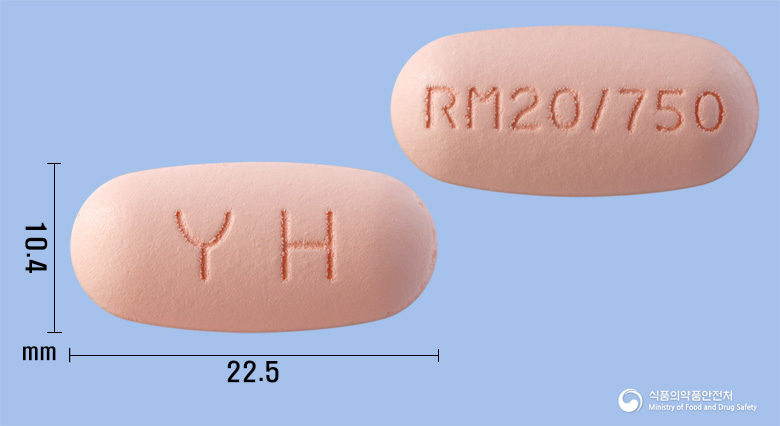
Metformin Hydrochloride 750mg · Rosuvastatin Calcium 20.8mg
Tablet · Prescription medication · Combination
Yuhan Corporation
 Combination
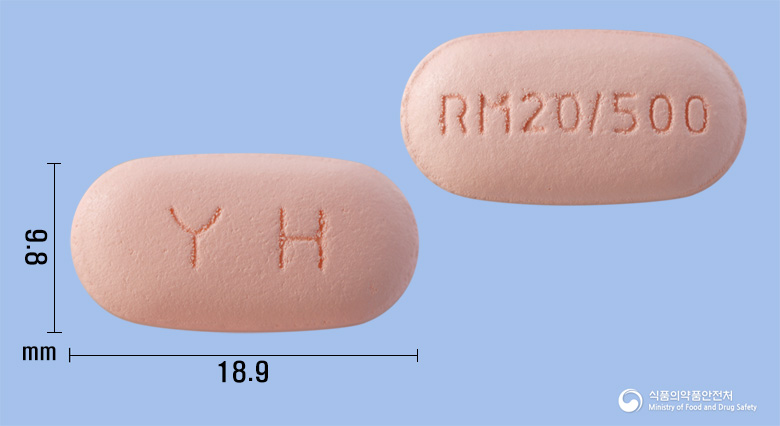
Metformin Hydrochloride 500mg · Rosuvastatin Calcium 20.8mg
Tablet · Prescription medication · Combination
Yuhan Corporation
 Combination
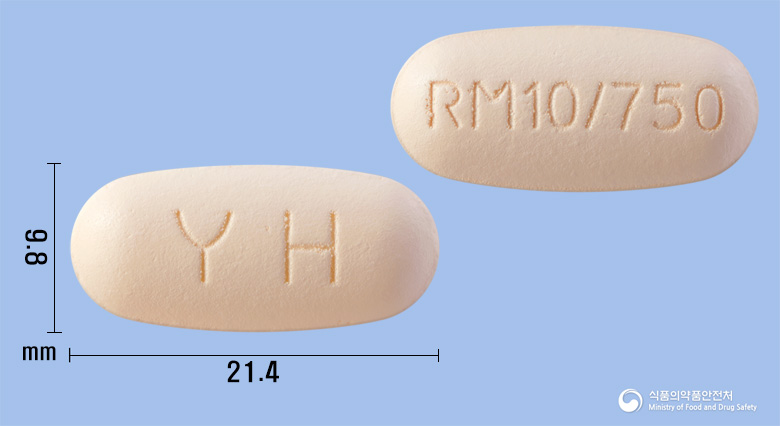
Metformin Hydrochloride 750mg · Rosuvastatin Calcium 10.4mg
Tablet · Prescription medication · Combination
Yuhan Corporation
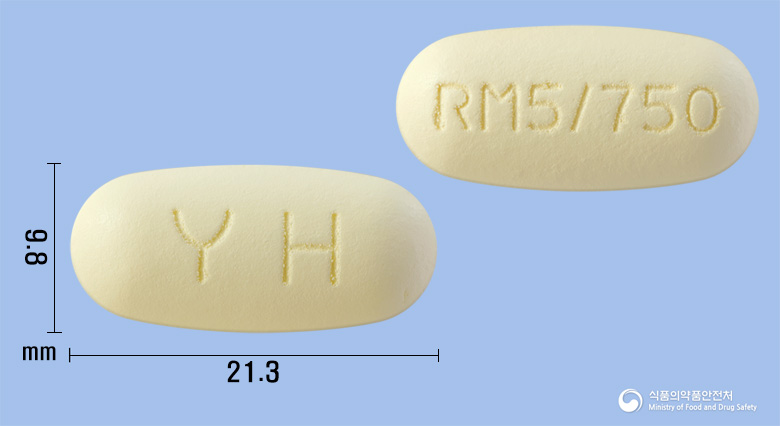 Combination
Metformin Hydrochloride 750mg · Rosuvastatin Calcium 5.2mg
Tablet · Prescription medication · Combination
Yuhan Corporation
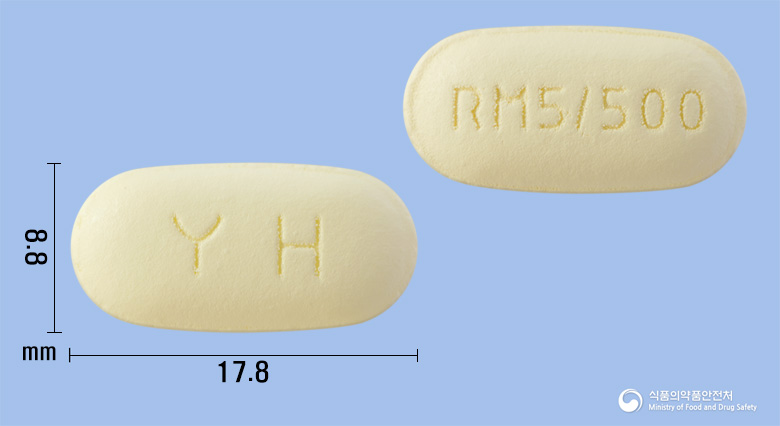 Combination
Metformin Hydrochloride 500mg · Rosuvastatin Calcium 5.2mg
Tablet · Prescription medication · Combination
Yuhan Corporation
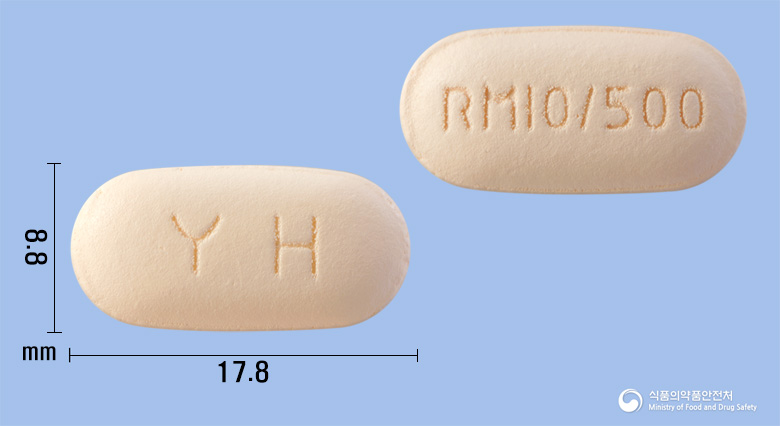 Combination
Metformin Hydrochloride 500mg · Rosuvastatin Calcium 10.4mg
Tablet · Prescription medication · Combination
Yuhansangyo Co., Ltd.
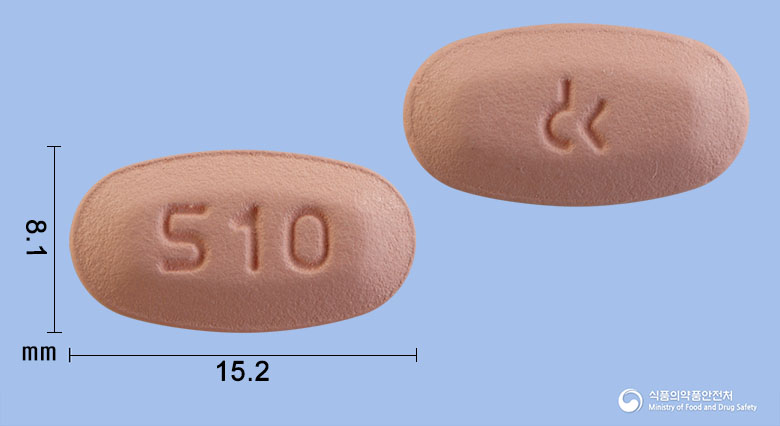 Combination
Metformin Hydrochloride 500mg · Rosuvastatin Calcium 10.4mg
Tablet · Prescription medication · Combination
Dongkook Pharmaceutical Co., Ltd.
Even with the same ingredient, the dose and directions can differ by strength and dosage form. Talk to a doctor or pharmacist before switching from a medication you are already taking.
No questions yet.
For anything that needs medical judgment, consult a doctor or pharmacist.
This drug information is based on data provided by the Korea Ministry of Food and Drug Safety.
Consult a doctor or pharmacist for accurate dosage, administration, and usage instructions.