
 한국어
한국어 English
 日本語
日本語 中文(简体)
 Viewing now
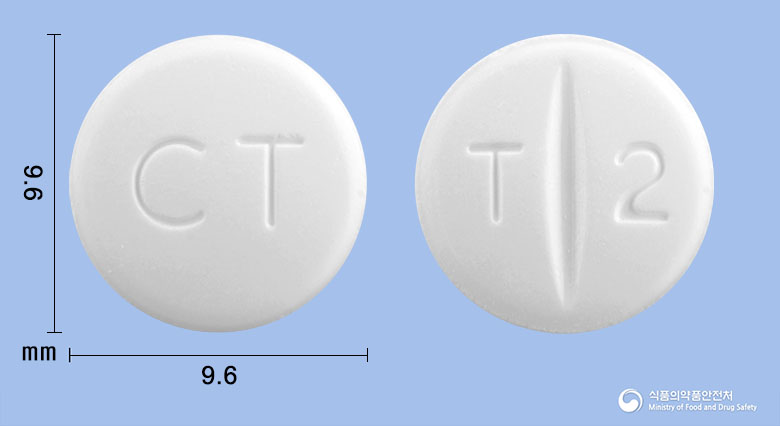
Sirtelmi Tablet 80 mg (Telmisartan)
Telmisartan 80mg
Tablet · Prescription medication
HLB Pharmaceuticals Co., Ltd.
MFDS item code 201803953 · Approved 2018.10.10 · Insurance code 647303480
Treatment of essential hypertension and reduction of cardiovascular disease risk
This medication is used to control blood pressure in patients with essential hypertension. It is also administered to patients aged 55 or older who are at high risk of cardiovascular disease to reduce the risk of myocardial infarction, stroke, and death due to cardiovascular disease. It is especially beneficial for patients with a history of major cardiovascular disease or evidence of end-organ damage due to diabetes. This medication helps protect cardiovascular health and contributes to the prevention of related complications.
For essential hypertension, Telmisartan should be administered orally once a day at a dose of 40 mg with water, and it can be taken regardless of meals. A dose of 20 mg once daily may be effective for some patients, and if necessary, the dose may be increased to 80 mg once daily. The maximum antihypertensive effect is observed 4 to 8 weeks after starting treatment. To reduce cardiovascular disease risk, 80 mg should be administered orally once daily with water.
This drug can cause serious harm to the fetus and newborn during pregnancy; therefore, it should be discontinued immediately if pregnancy is confirmed. It should not be used by individuals with allergies to this drug or its ingredients, pregnant or possibly pregnant women, nursing mothers, individuals with severe liver disease, patients with hereditary angioedema, or diabetic patients with severely impaired renal function. Elderly patients, those with hyperkalemia, mild to moderate liver impairment, heart valve disease, ischemic heart disease, gastrointestinal disease, renal artery stenosis, or severe renal impairment should use this medication cautiously. This medication lowers blood pressure but may occasionally result in side effects such as dizziness, hypotension, angioedema, renal dysfunction, and hyperkalemia; therefore, patients should consult their doctor immediately if abnormal symptoms occur. During treatment with this drug, it is essential to regularly check potassium levels in the blood and renal function, particularly when taken in conjunction with other antihypertensive drugs or potassium supplements. It is advisable to avoid taking this medication within 24 hours before surgery, and caution should be exercised when driving or operating machinery due to the risk of dizziness or fainting. This medication contains sorbitol and is not suitable for individuals with fructose intolerance. Diabetic patients are at risk for coronary artery disease, so appropriate cardiac evaluations are necessary before starting this medication. Interactions may occur when taken with other antihypertensive agents, diuretics, lithium preparations, non-steroidal anti-inflammatory drugs (NSAIDs), therefore informing the doctor or pharmacist is essential. This medication is not recommended for nursing mothers, and its safety for children has not been established, hence it is advisable not to administer it to individuals under 18. In cases of overdose, symptoms such as hypotension, dizziness, and acute renal failure may occur, requiring immediate medical attention, with close monitoring of blood pressure and renal function. This medication should be kept out of reach of children and stored sealed until use.
Hives, severe swelling (including angioedema, facial swelling, swelling of the lips, throat, larynx, and tongue), chest tightness, difficulty breathing, cold sweat, pallor, severe allergic reaction, severe rash with high fever, blisters, skin peeling, pain in oral/ocular mucosa, severe cutaneous adverse reactions, respiratory distress, asthma attacks, cough with fever and breathing difficulties, liver dysfunction, liver disease, yellowing of the skin or eyes (jaundice)
Not everyone experiences these, and they can vary from person to person.
This drug should be stored in a tightly closed container to prevent air and moisture ingress, ideally at room temperature between 1 to 30 degrees Celsius. Proper storage ensures the maintenance of the drug's effectiveness and safe use.
White or nearly white, double convex, round tablet
30 tablets/box [10 tablets/blister x 3]
Even with the same ingredient, strength, dosage form and how it is taken can differ.
Viewing nowTelmisartan 80mg
Tablet · Prescription medication
HLB Pharmaceuticals Co., Ltd.
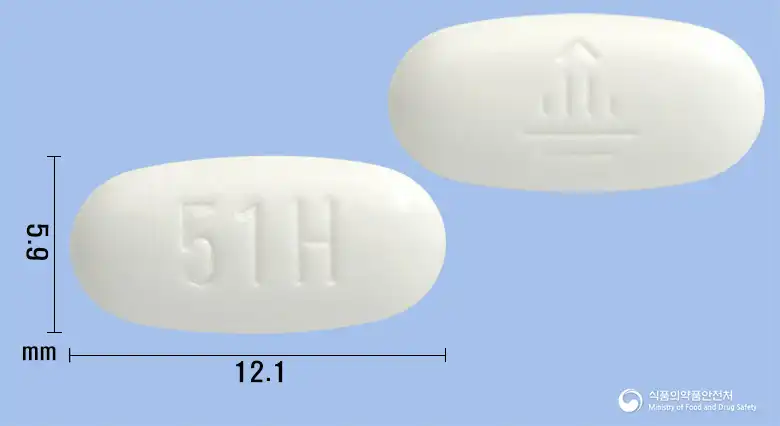
Telmisartan 40mg
Tablet · Prescription medication
Boehringer Ingelheim Korea Co., Ltd.
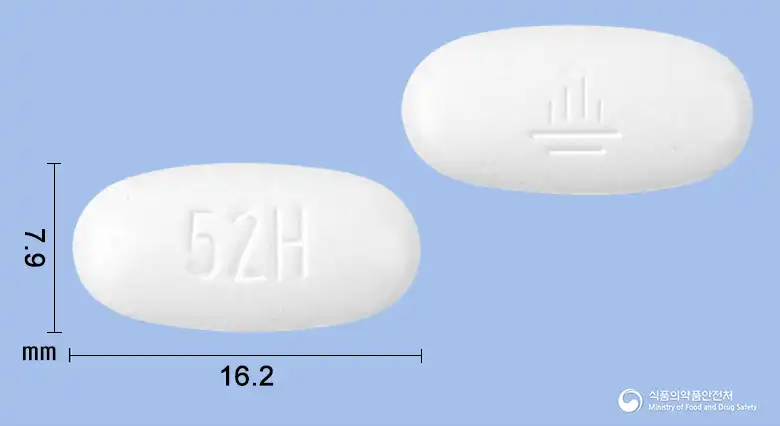
Telmisartan 80mg
Tablet · Prescription medication
Boehringer Ingelheim Korea Co., Ltd.
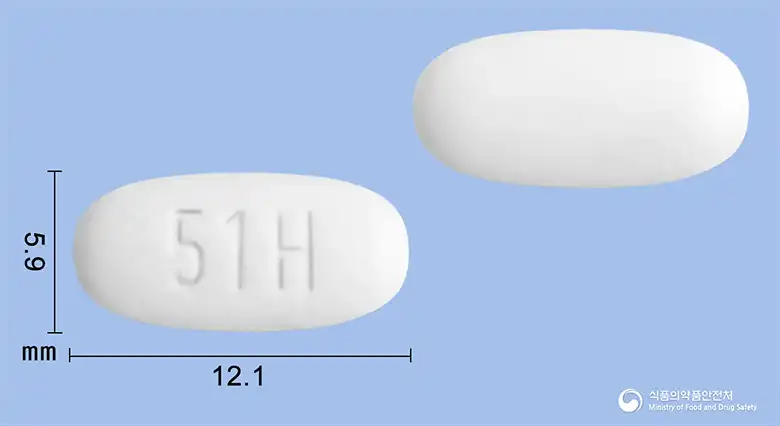
Telmisartan 40mg
Tablet · Prescription medication
Kwangdong Pharmaceutical Co., Ltd.
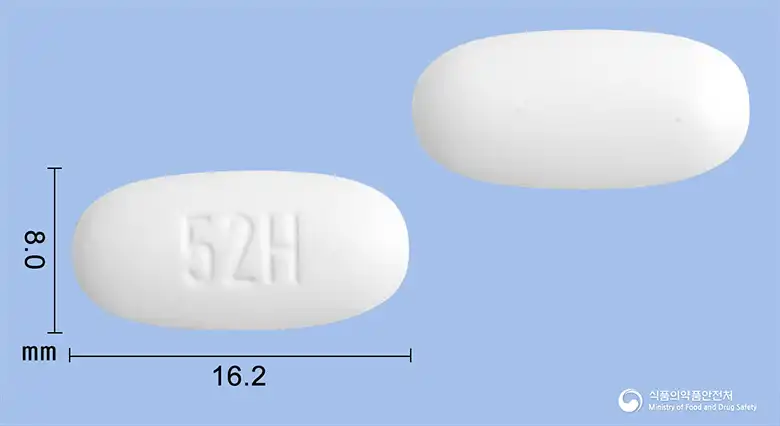
Telmisartan 80mg
Tablet · Prescription medication
Kwangdong Pharmaceutical Co., Ltd.
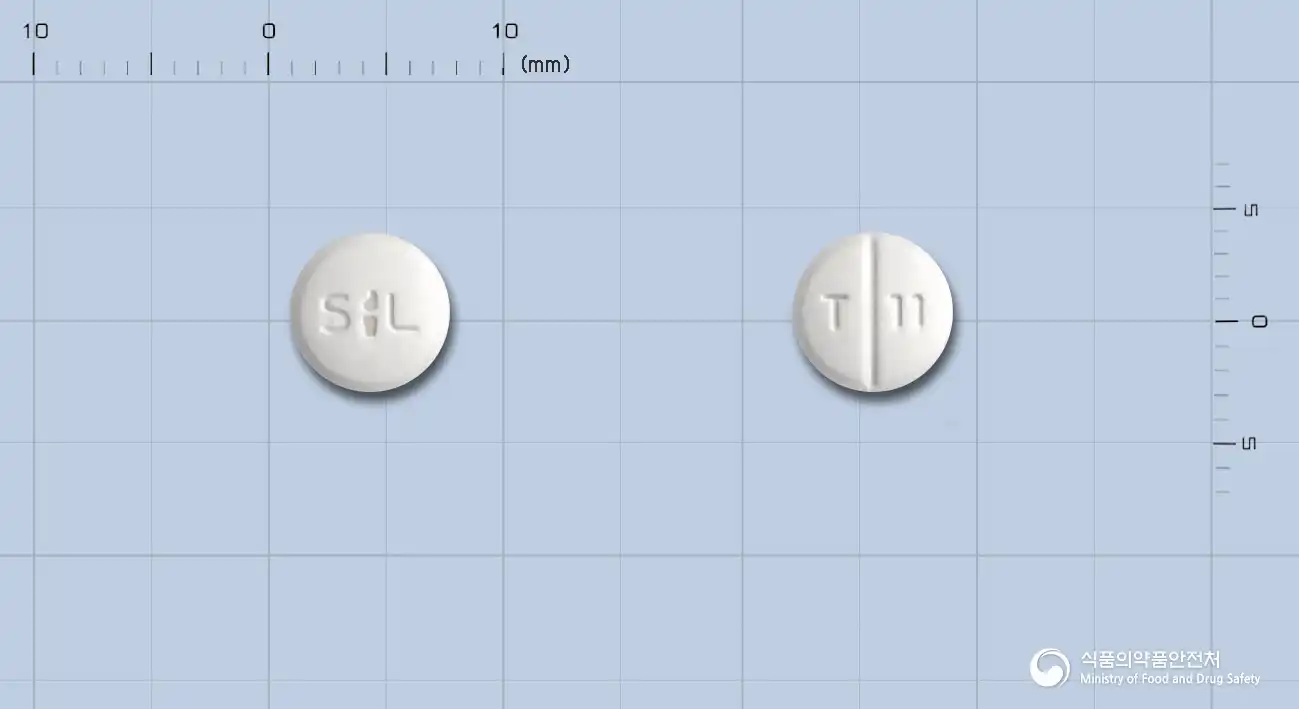
Telmisartan 40mg
Tablet · Prescription medication
Sam-il Pharmaceutical Co., Ltd.
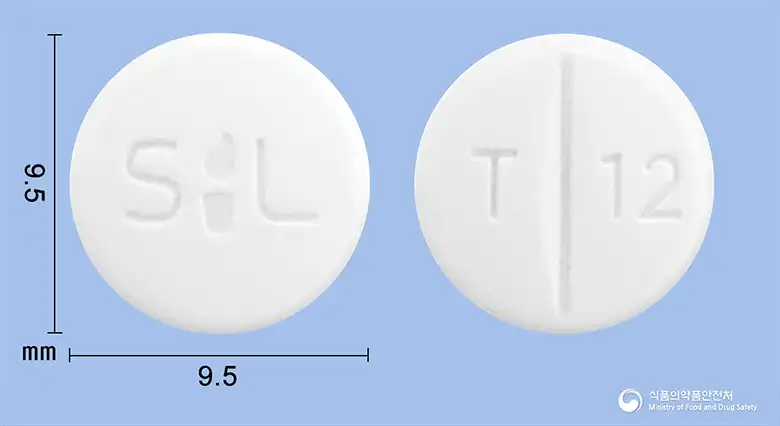
Telmisartan 80mg
Tablet · Prescription medication
Samil Pharmaceutical Co., Ltd.
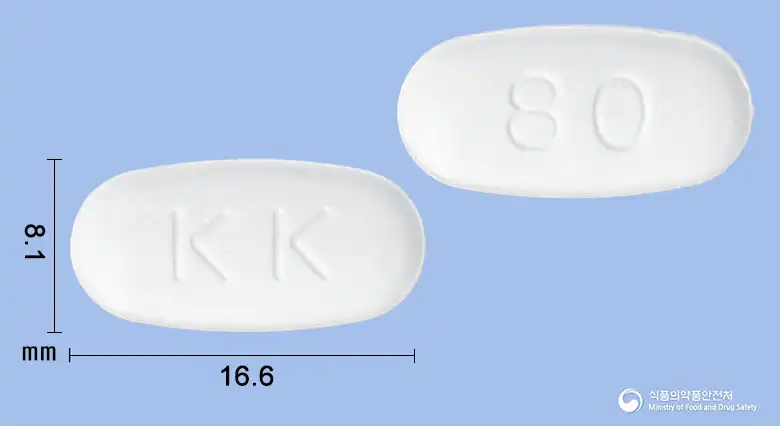
Telmisartan 80mg
Tablet · Prescription medication
Genewon Science Co., Ltd.
Even with the same ingredient, the dose and directions can differ by strength and dosage form. Talk to a doctor or pharmacist before switching from a medication you are already taking.
No questions yet.
For anything that needs medical judgment, consult a doctor or pharmacist.
This drug information is based on data provided by the Korea Ministry of Food and Drug Safety.
Consult a doctor or pharmacist for accurate dosage, administration, and usage instructions.