
 한국어
한국어 English
 日本語
日本語 中文(简体)
 Viewing now
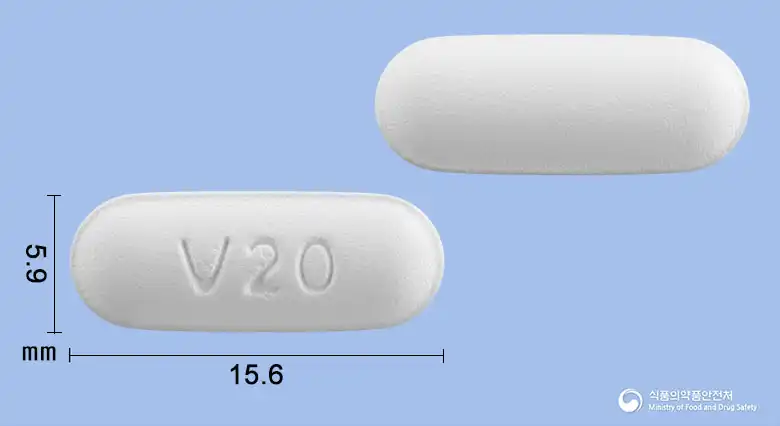
Venus Tablet 20mg (Bazedoxifene Acetate)
Bazedoxifene Acetate 22.6mg
Tablet · Prescription medication
Hanmi Pharmaceutical Co., Ltd.
MFDS item code 201803861 · Approved 2018.09.28 · Insurance code 649104040
Prevention of osteoporosis and vertebral fractures in postmenopausal women
This medication is used for the treatment and prevention of osteoporosis in postmenopausal women. It is particularly effective in reducing the occurrence of vertebral fractures. However, its efficacy for non-vertebral fractures has not been clearly established yet. Therefore, this drug is a beneficial therapy for patients at high risk of vertebral-related fractures.
Take 1 tablet (20mg as Bazedoxifene) once daily, regardless of meals.
This medication may increase the risk of venous thromboembolism, so it is advisable not to use it in women at high risk of thrombosis. Particularly, the risk is greater in elderly patients, those who are obese, have limited mobility, are in the recovery phase after surgery, or those with significant trauma or cancer. If limited mobility is anticipated, dosing should be discontinued and resumed when mobility is restored. Additionally, during long travels, frequent movement should be encouraged to reduce the risk of thrombosis. This drug should be used only in postmenopausal women and is not recommended for premenopausal women or those who could become pregnant. While there is no evidence that it causes endometrial hyperplasia, any occurrence of uterine bleeding must be evaluated by a specialist. Its safety in breast cancer patients has not been established, hence it should not be used for the prevention or treatment of breast cancer. Patients with allergies to this drug or its components, history of thromboembolism, pregnant women, nursing mothers, individuals with unexplained uterine bleeding, or symptoms of endometrial cancer should not use this medication. Additionally, patients with genetic issues like lactose intolerance should not receive it. Patients with hypertriglyceridemia, severe renal impairment, or liver impairment should exercise caution when using this medication, and its use is not recommended in patients with liver impairment. During the use of this drug, side effects such as flushing, leg cramps, drowsiness, dry mouth, skin rash, muscle cramps, peripheral edema, increased triglycerides, elevated alanine aminotransferase (ALT), elevated aspartate aminotransferase (AST), vision deterioration, blurred vision, photophobia, visual field defects, visual impairment, dry eyes, eyelid swelling, eyelid spasm, eye pain, eye swelling, vomiting, gastritis, colon polyps, belching, allergic reactions, and chest discomfort may occur, so it is advisable to consult with a doctor if any unusual symptoms appear. If there are any eye symptoms or vision disturbances, immediate medical attention should be sought, and it is recommended to avoid driving or operating machinery until symptoms resolve. The potential for drug interaction is low, but the concentration of some drugs may change when used in combination, so patients should consult with a doctor or pharmacist if they are on any other medication. Pregnant or nursing women should not take this medication and should discontinue it immediately if they become pregnant and consult a doctor. It should not be used in children, and elderly patients can use it without special dosage adjustments but should be cautious of liver function decline. In case of overdose, there is no specific antidote, so symptomatic treatment should be provided, and it should be kept out of the reach of children.
Drowsiness, flushing, leg cramps, dry mouth, rash, itching, muscle cramps, peripheral edema, increased triglycerides, elevated alanine aminotransferase (ALT), elevated aspartate aminotransferase (AST), vision deterioration, blurred vision, photophobia, visual field defects, visual impairment, dry eyes, eyelid swelling, eyelid spasm, eye pain, eye swelling, vomiting, gastritis, colon polyps, belching, allergic reactions, chest discomfort
Not everyone experiences these, and they can vary from person to person.
This medication should be stored in a tightly closed container to prevent exposure to air or moisture and is best kept in a cool place below 25 degrees Celsius. Proper storage will help maintain the drug's effectiveness for a longer period.
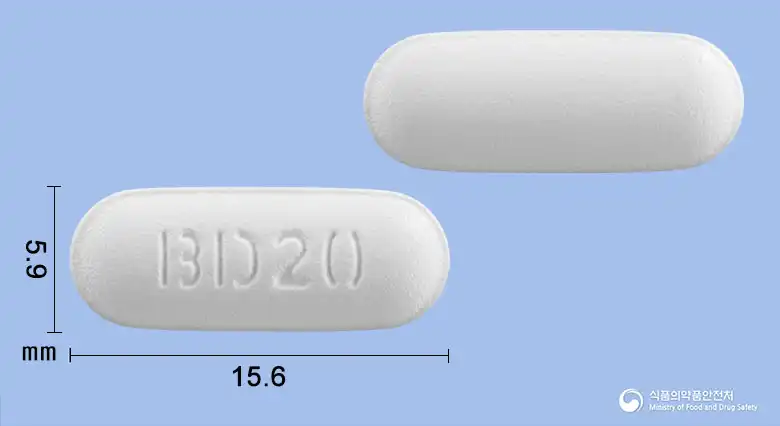
White oblong film-coated tablets
30 tablets ((PTPx10)x3)
Even with the same ingredient, strength, dosage form and how it is taken can differ.
Viewing nowBazedoxifene Acetate 22.6mg
Tablet · Prescription medication
Hanmi Pharmaceutical Co., Ltd.
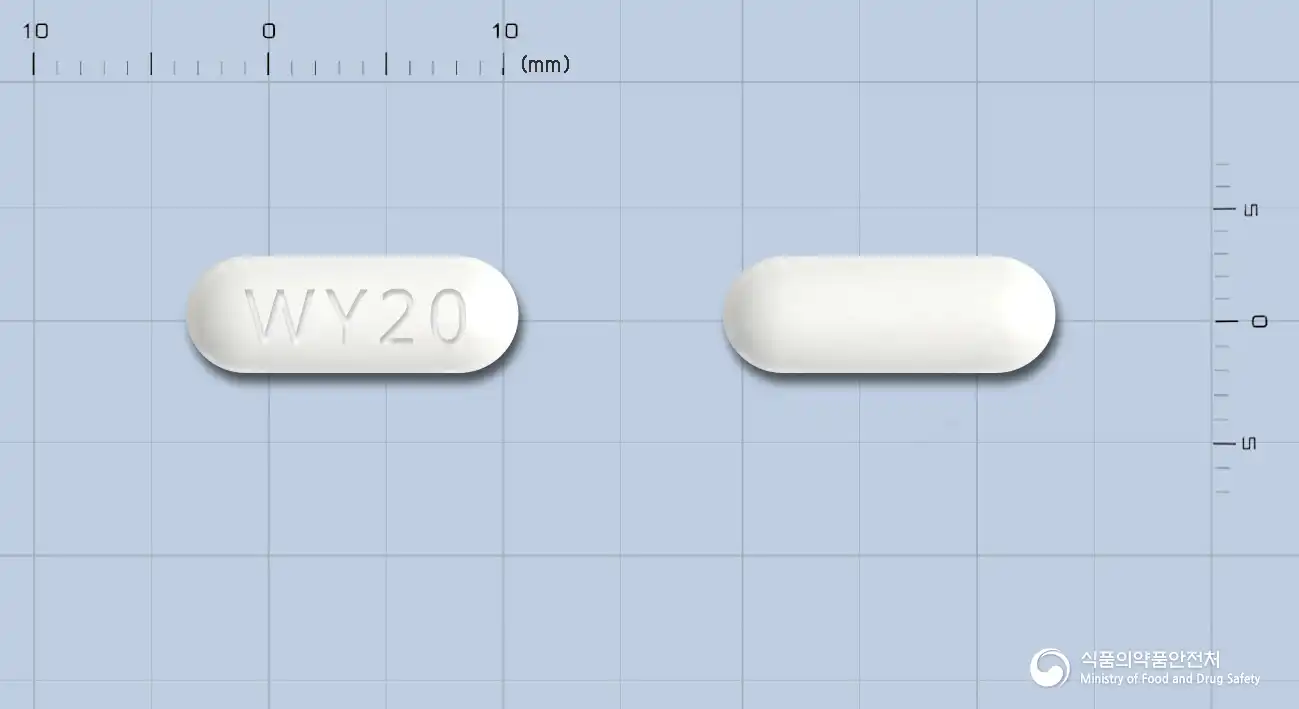
Bazedoxifene Acetate 22.6mg
Tablet · Prescription medication
Pfizer Korea Co., Ltd.
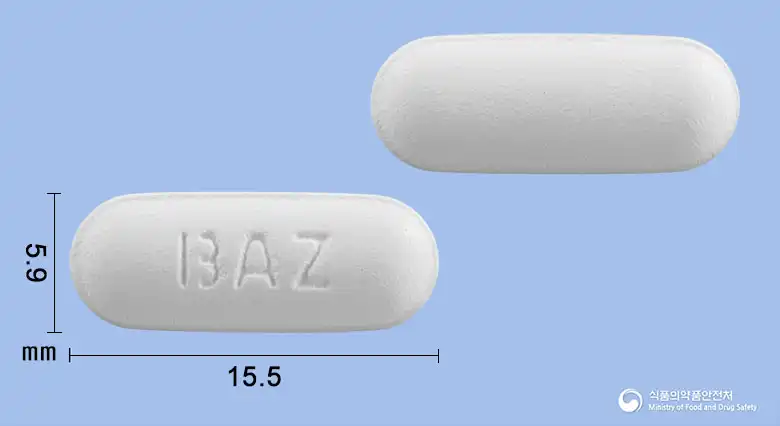
Bazedoxifene Acetate 22.6mg
Tablet · Prescription medication
Alvogen Korea Co., Ltd.
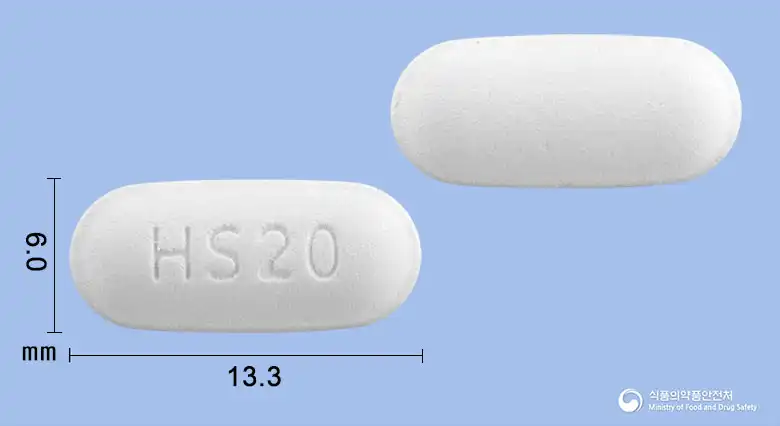
Bazedoxifene Acetate 22.6mg
Tablet · Prescription medication
Huons Co., Ltd.
Bazedoxifene Acetate
Tablet · Prescription medication
Hana Pharmaceutical Co., Ltd.
Bazedoxifene Acetate 22.6mg
Tablet · Prescription medication
Donggu Bio Pharmaceutical Co., Ltd.
Bazedoxifene Acetate 22.6mg
Tablet · Prescription medication
Medix Pharmaceuticals Co., Ltd.
Bazedoxifene Acetate 22.6mg
Tablet · Prescription medication
Korea Pavis Pharmaceutical Co., Ltd.
Even with the same ingredient, the dose and directions can differ by strength and dosage form. Talk to a doctor or pharmacist before switching from a medication you are already taking.
No questions yet.
For anything that needs medical judgment, consult a doctor or pharmacist.
This drug information is based on data provided by the Korea Ministry of Food and Drug Safety.
Consult a doctor or pharmacist for accurate dosage, administration, and usage instructions.