
 한국어
 English
 日本語
 中文(简体)
 Viewing now
Tamsolnal Capsule (Tamsulosin Hydrochloride)
Tamsulosin Hydrochloride 0.2mg
Prescription medication
Myungmoon Pharmaceutical Co., Ltd.
MFDS item code 201803706 · Approved 2018.09.13 · Insurance code 649807330
Improvement of voiding difficulties associated with benign prostatic hyperplasia
Urinary disturbances caused by benign prostatic hyperplasia occur when the prostate enlarges, leading to symptoms such as difficulty urinating, feelings of incomplete bladder emptying, and increased frequency of urination. This medication alleviates these urinary disturbance symptoms, facilitating urine flow and reducing discomfort in daily life. It is used to improve the symptoms and enhance the quality of life of patients.
Adults: Administer 0.2 mg of tamsulosin hydrochloride orally once daily after a meal. Swallow this medicine whole; do not crush or chew it. Adjust the dose appropriately according to symptoms.
This medication should not be used in certain patients. Patients who have had an allergy to this drug or its components, patients with symptoms of orthostatic hypotension, patients with severe liver impairment, and women who are pregnant or may become pregnant should not be administered this medication. It should be used cautiously in patients with severe renal impairment, the elderly, and those taking PDE5 inhibitors, CYP3A4 inhibitors, or antihypertensive medications. In particular, patients taking alpha-1 blockers or with a history of urinary syncope should preferably not be given this medication, but if necessary, it should only be administered with caution. This medication can lower blood pressure, potentially causing dizziness or fainting. Symptoms should be closely monitored during use, and if any unusual symptoms occur, the medication should be stopped immediately and medical attention sought. Symptoms such as dizziness, headache, drowsiness, insomnia, decreased libido, tachycardia, hypotension, and arrhythmia may occur. Adverse reactions such as skin rash, itching, and urticaria may also occur, and if such symptoms arise, use should be discontinued. Gastrointestinal issues such as nausea, vomiting, abdominal pain, appetite loss, diarrhea, and constipation may occur. Liver dysfunction or jaundice symptoms may also develop, and liver function should be closely monitored, stopping the medication if abnormalities arise. In addition, various adverse reactions such as throat burning sensation, nasal obstruction, edema, gynecomastia, priapism, and visual disturbances have been reported. There is a risk of significantly lowering blood pressure in case of overdose, so the dosage must be strictly adhered to. When taking this medication, blood pressure may drop upon sudden standing up, so it is advisable to rise slowly. While this medication helps alleviate symptoms, it is not a fundamental treatment method, so if it proves ineffective, other treatment options should be considered. Dizziness or drowsiness may occur, so caution is advised when driving or performing hazardous tasks. Benign prostatic hyperplasia and prostate cancer present similar symptoms, thus it is essential to confirm the absence of prostate cancer prior to administration. This medication may rarely induce priapism; if this symptom occurs, immediate notification to a physician is necessary. Patients scheduled for ophthalmic surgery should inform the doctor of this medication use due to the potential risk of eye complications during the operation. Patients with an allergy to sulfonamide drugs must use this medication with caution. The risk of hypotension may increase if this drug is taken with antihypertensives or PDE5 inhibitors, so consultation with a physician is recommended. Concomitant use with certain antibiotics, antifungals, or antidepressants may increase drug concentrations and should be approached with caution. This medication has not established safety and efficacy in women and pediatric patients under 18 years of age, therefore it is not used in these populations. The elderly may have reduced renal function, so starting at a low dose and adjusting based on condition is advisable. When taking, remove the medication from the PTP pack and swallow the capsule whole without chewing it.
Not everyone experiences these, and they can vary from person to person.
This medication should be stored in a tightly sealed container to avoid exposure to air or moisture. It is recommended to keep the storage temperature between 1 to 30 degrees Celsius. This will safely maintain the medication's effectiveness.
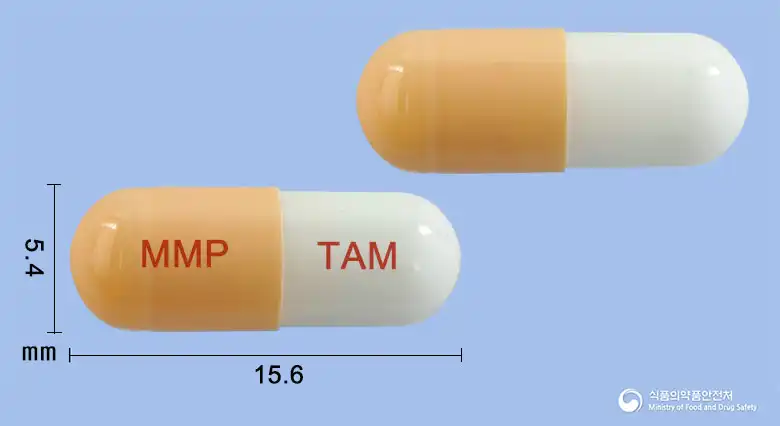
A peach-colored capsule with a white to light yellow pellet inside.
30 capsules/bottle, 100 capsules/bottle
Even with the same ingredient, strength, dosage form and how it is taken can differ.
Viewing nowTamsulosin Hydrochloride 0.2mg
Prescription medication
Myungmoon Pharmaceutical Co., Ltd.
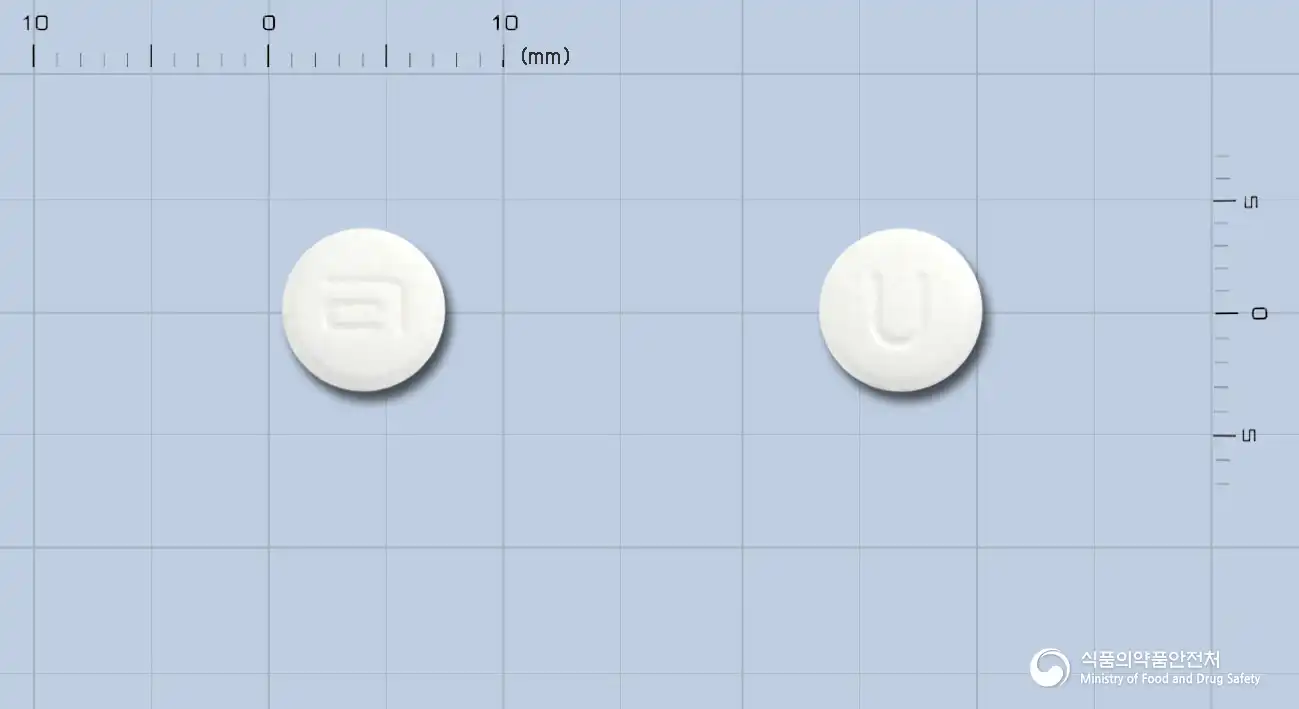
Tamsulosin Hydrochloride 0.2mg
Tablet · Prescription medication
Kyungdong Pharmaceutical Co., Ltd.
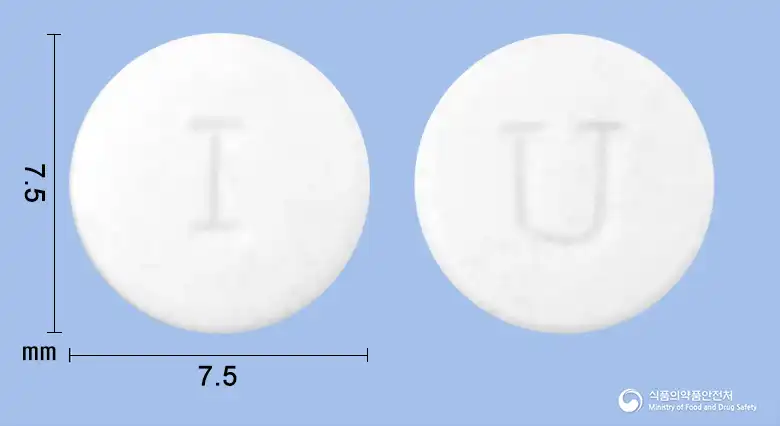
Tamsulosin Hydrochloride 0.2mg
Tablet · Prescription medication
Il Dong Pharmaceutical Co., Ltd.
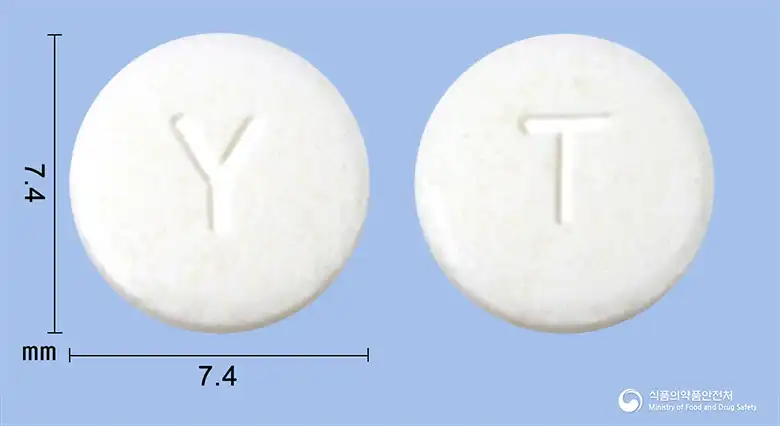
Tamsulosin Hydrochloride 0.2mg
Tablet · Prescription medication
Yuhan Corporation
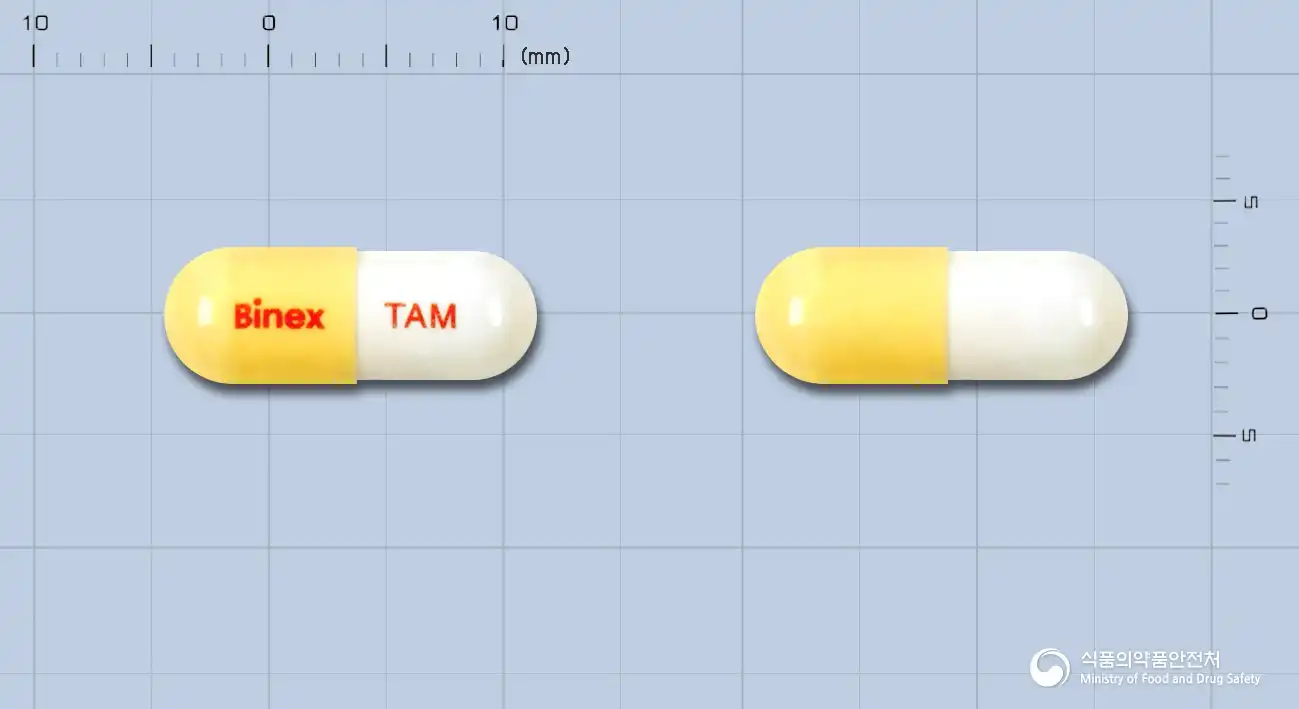
Tamsulosin Hydrochloride 0.2mg
Prescription medication
Bynex Co., Ltd.
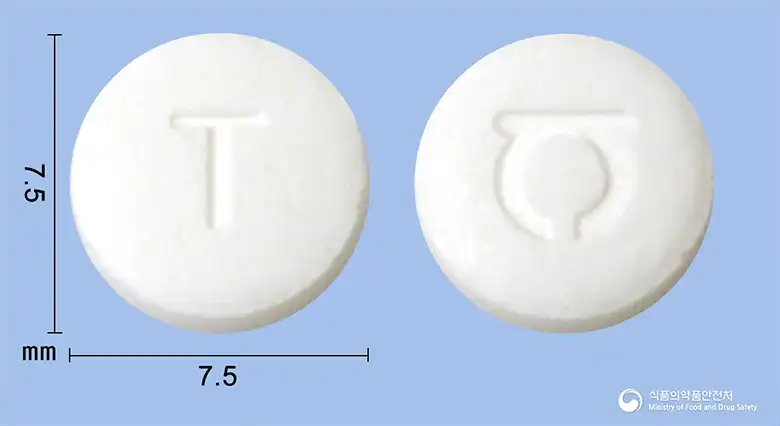
Tamsulosin Hydrochloride 0.2mg
Tablet · Prescription medication
Youngjin Pharmaceutical Co., Ltd.
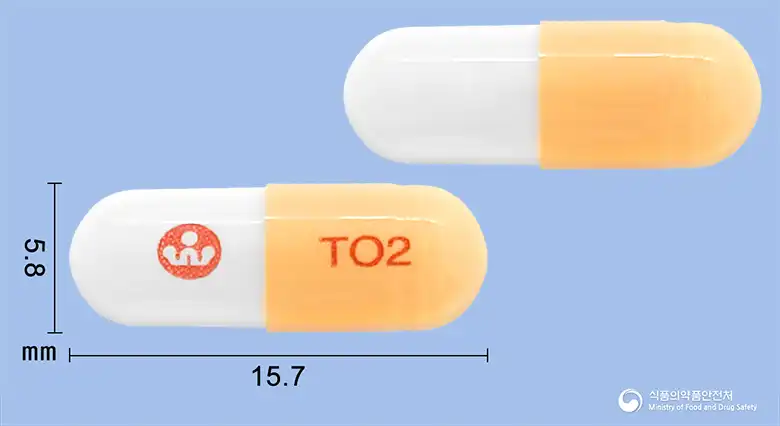
Tamsulosin Hydrochloride 0.2mg
Prescription medication
Han-in Pharmaceutical Co., Ltd.
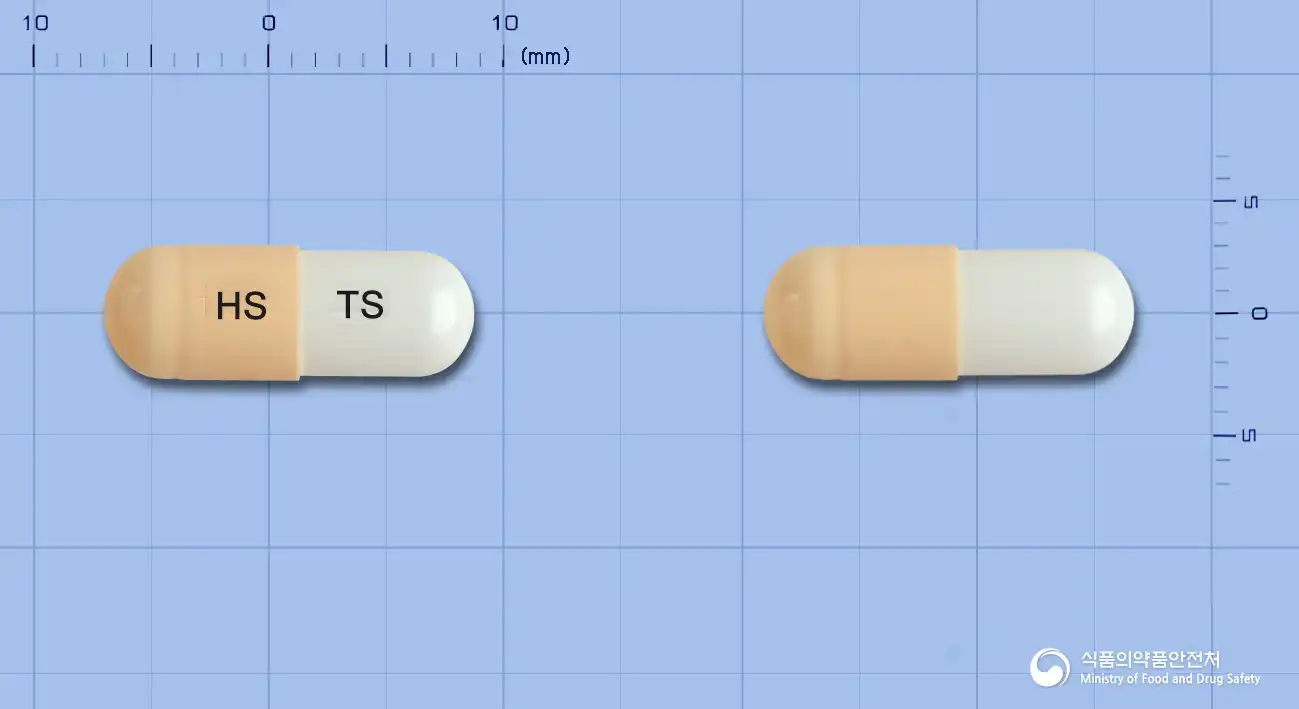
Tamsulosin Hydrochloride 0.2mg
Hard capsule · Prescription medication
Huons Co., Ltd.
Even with the same ingredient, the dose and directions can differ by strength and dosage form. Talk to a doctor or pharmacist before switching from a medication you are already taking.
No questions yet.
For anything that needs medical judgment, consult a doctor or pharmacist.
This drug information is based on data provided by the Korea Ministry of Food and Drug Safety.
Consult a doctor or pharmacist for accurate dosage, administration, and usage instructions.