
 한국어
한국어 English
 日本語
日本語 中文(简体)
Dosage form image
Viewing nowEsome-D 40mg (Esomeprazole Magnesium Trihydrate)
Esomeprazole Magnesium Dihydrate
Prescription medication
SPC Co., Ltd.
MFDS item code 201803570 · Approved 2018.08.31
This product's status changed to Expired on 2023.08.31. It may no longer be sold, so consult a doctor or pharmacist before taking it.
Treatment of gastroesophageal reflux disease (including erosive esophagitis), treatment and prevention of recurrence of Helicobacter pylori positive peptic ulcers, relief of gastrointestinal symptoms related to nonsteroidal anti-inflammatory drugs, treatment and prevention of gastric and duodenal ulcers, treatment of Zollinger-Ellison syndrome, effective maintenance therapy for prevention of rebleeding in gastric ulcers.
This medication is used to treat gastroesophageal reflux disease and erosive esophagitis, and can also be used for long-term maintenance therapy to prevent recurrence in patients with esophagitis. Additionally, it is effectively used in combination with antibiotics for the treatment and prevention of recurrence of duodenal ulcers and peptic ulcers caused by Helicobacter pylori infection. It treats upper gastrointestinal symptoms and gastric ulcers caused by the use of nonsteroidal anti-inflammatory drugs and helps prevent gastric ulcers and duodenal ulcers in patients for whom such medication is unavoidable. It is also applicable in the treatment of Zollinger-Ellison syndrome and the maintenance therapy for the prevention of rebleeding of gastric and duodenal ulcers post-intravenous administration. Overall, this medication is used for the treatment and prevention of various gastrointestinal diseases and related symptoms.
This medication should be swallowed with liquid such as water, and should not be chewed or crushed. 1. Gastroesophageal reflux disease (GERD) - Treatment of erosive esophagitis: 40 mg once daily for 4 weeks. - Maintenance therapy to prevent recurrence of esophagitis: 20 mg once daily. - Symptomatic treatment of gastroesophageal reflux disease without esophagitis: 20 mg once daily. - After symptom relief: 20 mg once daily as needed.
Adolescents aged 12 years and older: - Treatment of erosive esophagitis: 40 mg once daily for 4 weeks. - Symptomatic treatment of gastroesophageal reflux disease without esophagitis: 20 mg once daily.
This medication should not be administered to certain patients. For example, patients who are allergic to this medication or any of its components, or who have had hypersensitivity reactions to benzimidazole derivatives, should not take it. Additionally, it should not be used if there is an allergy to specific antibiotics that are used together during Helicobacter pylori eradication therapy. Furthermore, patients with a history of certain heart diseases or nursing mothers should also refrain from taking this medication. This medication can cause various adverse reactions, so careful monitoring for any abnormal symptoms in the body during use is necessary. Adverse effects such as blood-related problems, allergic reactions, neurological symptoms, gastrointestinal disorders, liver function abnormalities, and skin rashes have been reported. In particular, if muscle pain or weakness occurs, it may indicate a serious condition called rhabdomyolysis, and immediate consultation with a healthcare professional is required. Regular testing is necessary for long-term use of this medication, and if symptoms indicate malignant tumors, it must only be administered after consulting a specialist. Additionally, this medication may suppress gastric acid secretion, which can affect the normal flora balance in the stomach, increasing the risk of infection. If diarrhea persists, it should be reported to the healthcare professional. This medication has a high potential for drug interactions, so if other medications are being taken, the physician or pharmacist must be informed. For instance, caution is needed when taking it with blood thinners, antiviral medications, or antibiotics. Pregnant or nursing women should consult a physician before taking this medication, as special precautions are necessary. In cases of overdose, there is no specific antidote available, so immediate medical attention should be sought, and it should be stored out of reach of children.
Urticaria, angioedema, anaphylactic reactions, shock, severe hypomagnesemia, mental confusion, pancreatitis, jaundice, hepatitis, liver failure, erythema multiforme, Stevens-Johnson syndrome, toxic epidermal necrolysis (Lyell's syndrome), acute generalized exanthematous pustulosis, drug reaction with eosinophilia and systemic symptoms (DRESS syndrome), muscle weakness, interstitial nephritis, rhabdomyolysis, severe allergic reactions, severe skin reactions.
Headache, dizziness, abnormal sensation, drowsiness, taste disturbance, blurred vision, bronchospasm, abdominal pain, constipation, diarrhea, abdominal bloating, nausea, vomiting, dry mouth, stomatitis, gastrointestinal candidiasis, elevated liver enzymes, hepatitis, dermatitis, itching, rash, hair loss, photosensitivity, fractures, arthralgia, myalgia, interstitial nephritis, gynecomastia, weakness, increased sweating, clostridium difficile-associated diarrhea, allergic reactions, chest pain, facial swelling, facial eruptions.
Not everyone experiences these, and they can vary from person to person.
This medication may be sensitive to air and moisture, so it should be stored in a tightly sealed container. It is also advisable to store it at room temperature, between 1 degree and 30 degrees Celsius, avoiding excessively hot or cold conditions.
Pink oval film-coated tablet
28 tablets (14 tablets/ALU-ALU*2)
Even with the same ingredient, strength, dosage form and how it is taken can differ.
Esomeprazole Magnesium Dihydrate
Prescription medication
SPC Co., Ltd.
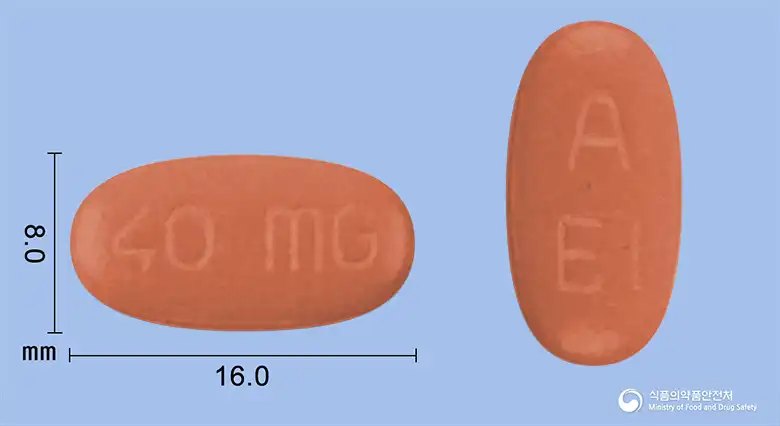
Esomeprazole Magnesium Trihydrate 44.5mg
Tablet · Prescription medication
AstraZeneca Korea Co., Ltd.
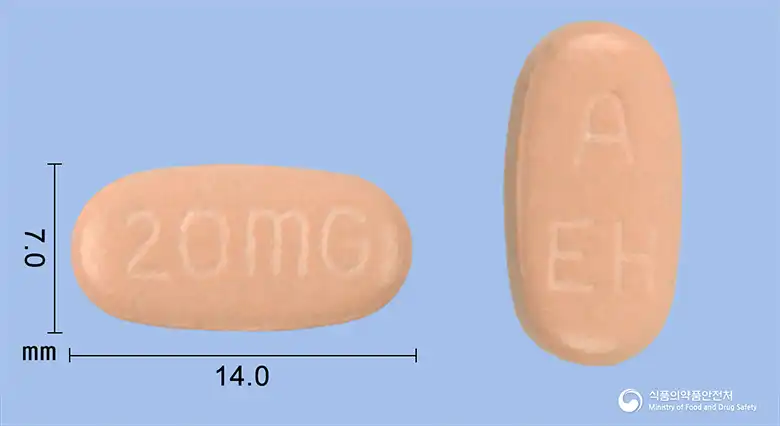
Esomeprazole Magnesium Trihydrate 22.3mg
Tablet · Prescription medication
AstraZeneca Korea Co., Ltd.
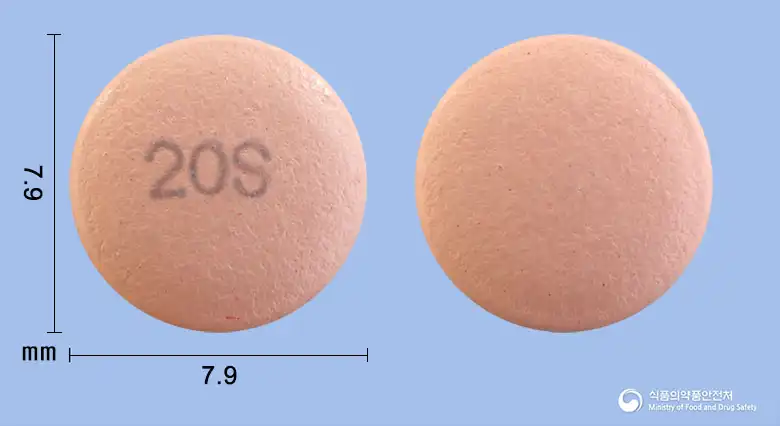
Esomeprazole Magnesium Trihydrate 22.3mg
Tablet · Prescription medication
Daewon Pharmaceutical Co., Ltd.
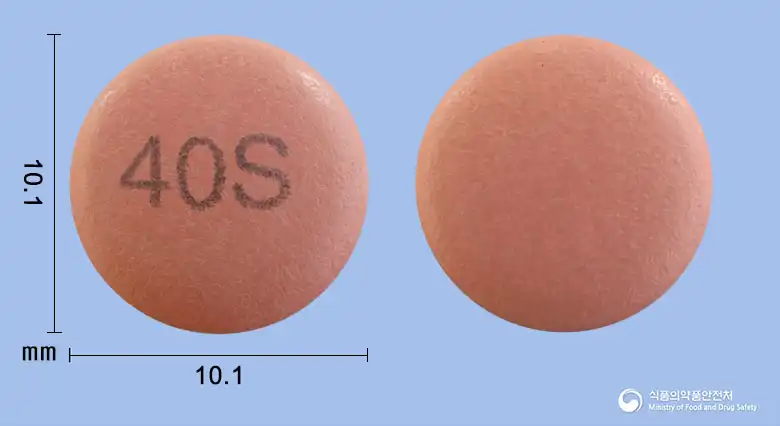
Esomeprazole Magnesium Trihydrate 44.5mg
Tablet · Prescription medication
Daewon Pharmaceutical Co., Ltd.
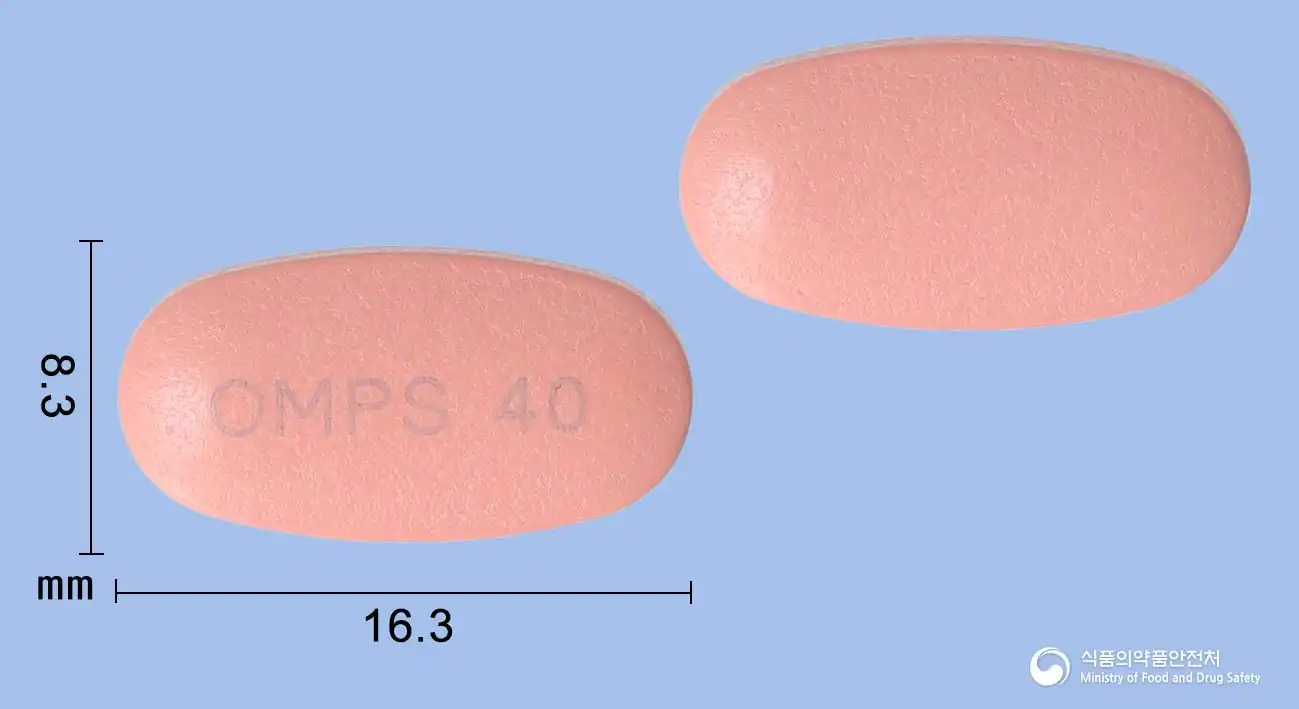
Esomeprazole Magnesium Dihydrate 43.38mg
Tablet · Prescription medication
Jongkundang Co., Ltd.
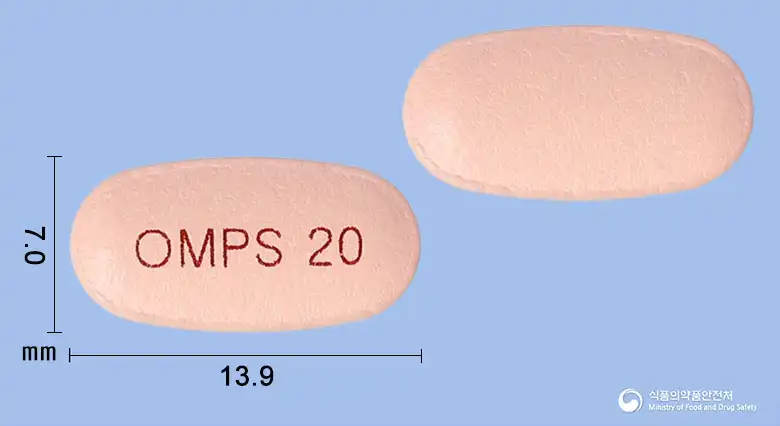
Esomeprazole Magnesium Dihydrate 21.69mg
Tablet · Prescription medication
Chong Kun Dang Pharmaceutical Corp.
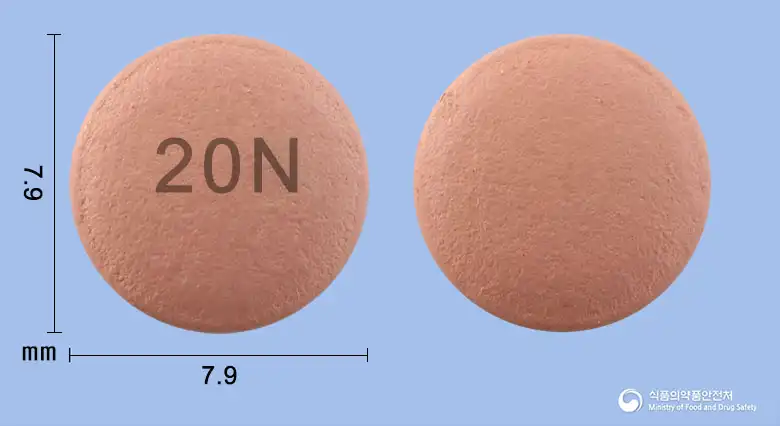
Esomeprazole Magnesium Trihydrate 22.3mg
Tablet · Prescription medication
Samjin Pharmaceutical Co., Ltd.
Even with the same ingredient, the dose and directions can differ by strength and dosage form. Talk to a doctor or pharmacist before switching from a medication you are already taking.
No questions yet.
For anything that needs medical judgment, consult a doctor or pharmacist.
This drug information is based on data provided by the Korea Ministry of Food and Drug Safety.
Consult a doctor or pharmacist for accurate dosage, administration, and usage instructions.