
 한국어
한국어 English
 日本語
日本語 中文(简体)
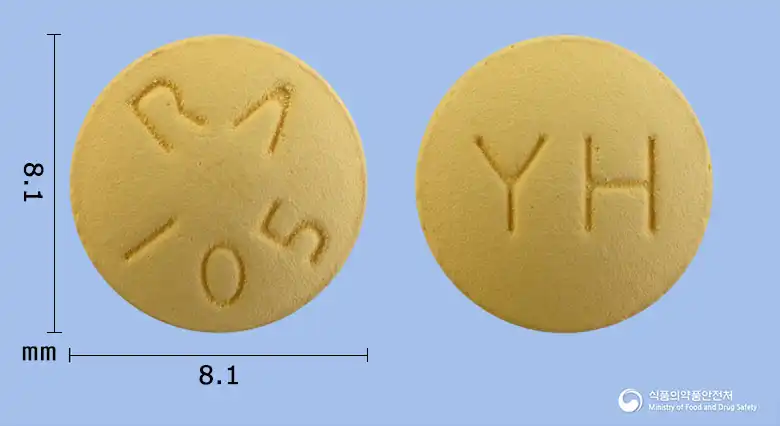 Viewing nowCombination
Rosuvastatin Ampicillin 10/5 mg
Rosuvastatin Calcium 10.4mg · Amlodipine Besylate 6.944mg
Tablet · Prescription medication · Combination
Yuhan Corporation
MFDS item code 201803560 · Approved 2018.08.31 · Insurance code 642105210
Improvement of myocardial ischemia (hypertension, angina) and inhibition of progression of atherosclerosis in hypercholesterolemia
This medication is used for patients who need to take both amlodipine and rosuvastatin simultaneously. Amlodipine improves symptoms of myocardial ischemia due to hypertension and stable or variant angina, and reduces the risk of hospitalization due to angina and risks after coronary artery revascularization in patients with coronary artery disease. Meanwhile, rosuvastatin is used as an adjunct to diet in patients with uncontrolled hypercholesterolemia and dyslipidemia, and lowers LDL cholesterol to slow the progression of atherosclerosis. Additionally, it has been shown to reduce the risk of stroke, myocardial infarction, and arterial revascularization in middle-aged patients with specific cardiovascular risk factors. In summary, this medication helps manage blood pressure and vascular health and reduces the risk of cardiovascular disease, improving heart health through the combined effects of both ingredients.
Amlodipine: Administer 5 mg orally once daily, with a maximum increase to 10 mg daily based on the patient's response. Adjust dosage as appropriate according to symptoms. Rosuvastatin: The initial dosage is 5 mg once daily, and it can be adjusted to a maintenance dose of up to 10 mg once daily if necessary. The maintenance dose should be adjusted at intervals of 4 weeks or more, with a maximum daily increase to 20 mg. The medication is for adults.
This medication should not be used in certain patients. For example, individuals allergic to any component of this medication or similar drugs must not take it. It is safe for pregnant or potentially pregnant women, those of childbearing age not using appropriate contraception, and breastfeeding women to refrain from taking this medication. It should only be used if there is low pregnancy risk and fetal risk description. Patients with severely impaired liver function or active liver disease, severe aortic stenosis, shock, muscular disorders, and severe renal failure must not take this medication. Patients prone to myopathy or rhabdomyolysis should also avoid high doses of this medication. Risk factors include moderate to severe renal impairment, hypothyroidism, history of genetic muscle disease, history of taking other muscle toxic medications, alcohol abuse, certain races (Asian), and concomitant use of fibrate drugs. Patients with severe hypotension, those on dialysis, the elderly, and those with severe myasthenia should use this medication with caution, and regular liver function tests and muscle-related tests should be conducted. If symptoms such as muscle pain, weakness, cramps, fatigue, fever occur during the use of this medication, immediately inform a healthcare professional and seek testing. If necessary, the medication can be stopped, and once symptoms improve, the dosage can be readjusted for future use. This medication may affect the liver and muscles, so if any signs of liver dysfunction or muscle-related abnormalities occur, consult a healthcare professional immediately. Additionally, since this medication may interact with other medications, ensure to inform your healthcare professional if you are taking any other prescriptions. Pregnant or breastfeeding women should not use this medication, and women who may become pregnant should use appropriate contraceptive methods. Safety in children or adolescents has not been established, so it is recommended not to use this medication in pediatric patients. In case of overdose, severe hypotension or heart problems may occur, requiring immediate emergency treatment, and follow the treatment direction of healthcare professionals. Store this medication out of the reach of children and keep it in its original container to prevent misuse or quality deterioration.
Hives, severe swelling (edema), tightness in the chest, difficulty breathing, cold sweat, pallor, severe rash with fever, blisters, skin peeling, pain in mucous membranes of mouth/eyes, shortness of breath or difficulty breathing, asthma attacks, cough accompanied by fever or respiratory distress, jaundice (yellowing of skin or eyes), extreme lethargy, sudden and severe headache, thunderclap headache, seizures, disorientation, visual disturbances, paralysis, urination
Not everyone experiences these, and they can vary from person to person.
Store this medication in a tightly closed container to avoid exposure to air or moisture. Additionally, it is best to store it at room temperature between 1°C to 30°C. This will help maintain the medication's effectiveness.
Yellow round film-coated tablet
30 tablets per bottle
Even with the same ingredient, strength, dosage form and how it is taken can differ.
Viewing nowCombinationRosuvastatin Calcium 10.4mg · Amlodipine Besylate 6.944mg
Tablet · Prescription medication · Combination
Yuhan Corporation
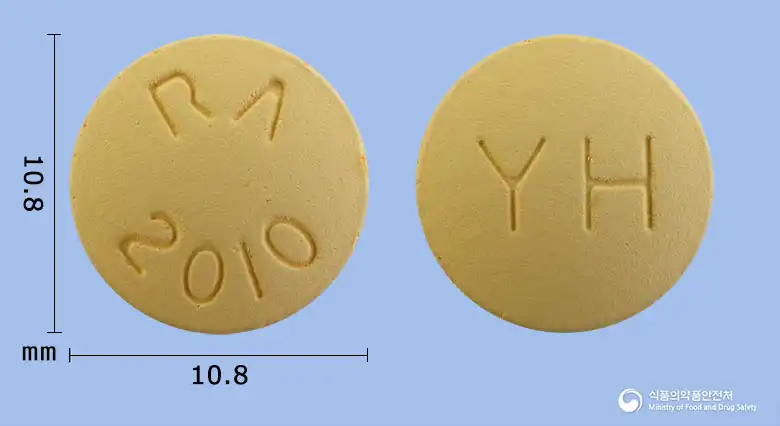 Combination
Rosuvastatin Calcium 20.8mg · Amlodipine Besylate 13.889mg
Tablet · Prescription medication · Combination
Yuhan Corporation
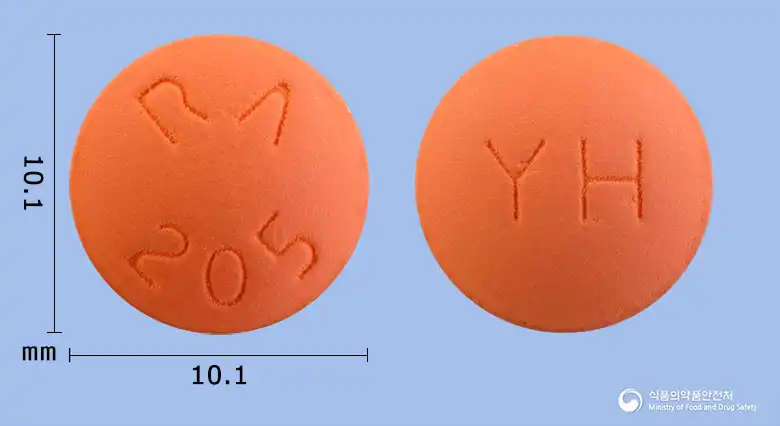 Combination
Rosuvastatin Calcium 20.8mg · Amlodipine Besylate 6.944mg
Tablet · Prescription medication · Combination
Yuhan Corporation
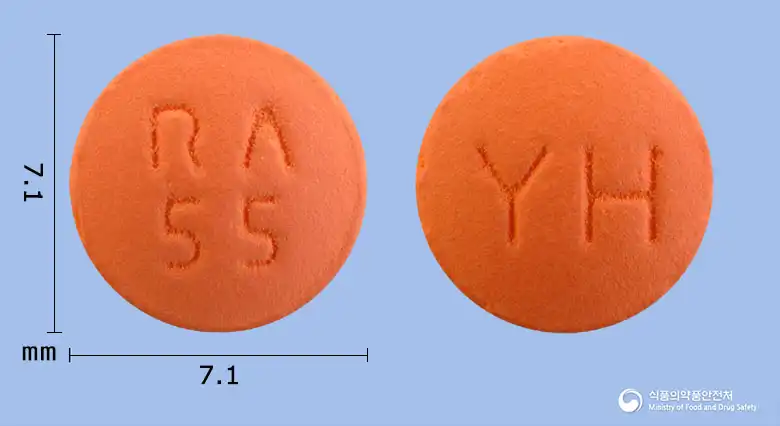 Combination
Rosuvastatin Calcium 5.2mg · Amlodipine Besylate 6.944mg
Tablet · Prescription medication · Combination
Yuhan Corporation
Rosuvastatin Calcium 5.2mg · Amlodipine Besylate 13.889mg
Tablet · Prescription medication · Combination
Yuhan Corporation
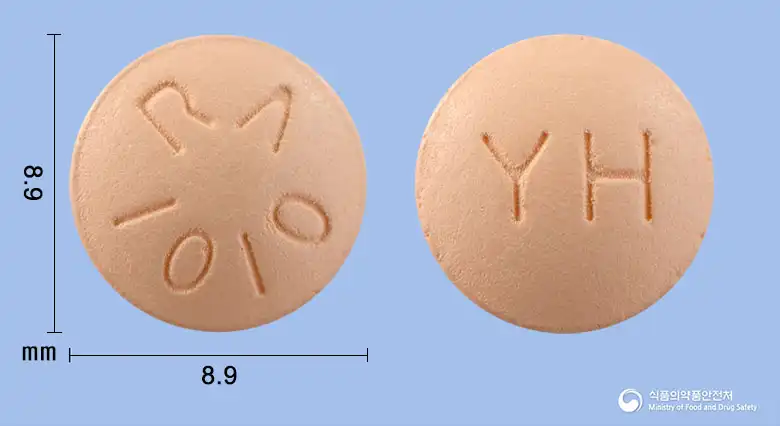 Combination
Rosuvastatin Calcium 10.4mg · Amlodipine Besylate 13.889mg
Tablet · Prescription medication · Combination
Yuhan Corporation
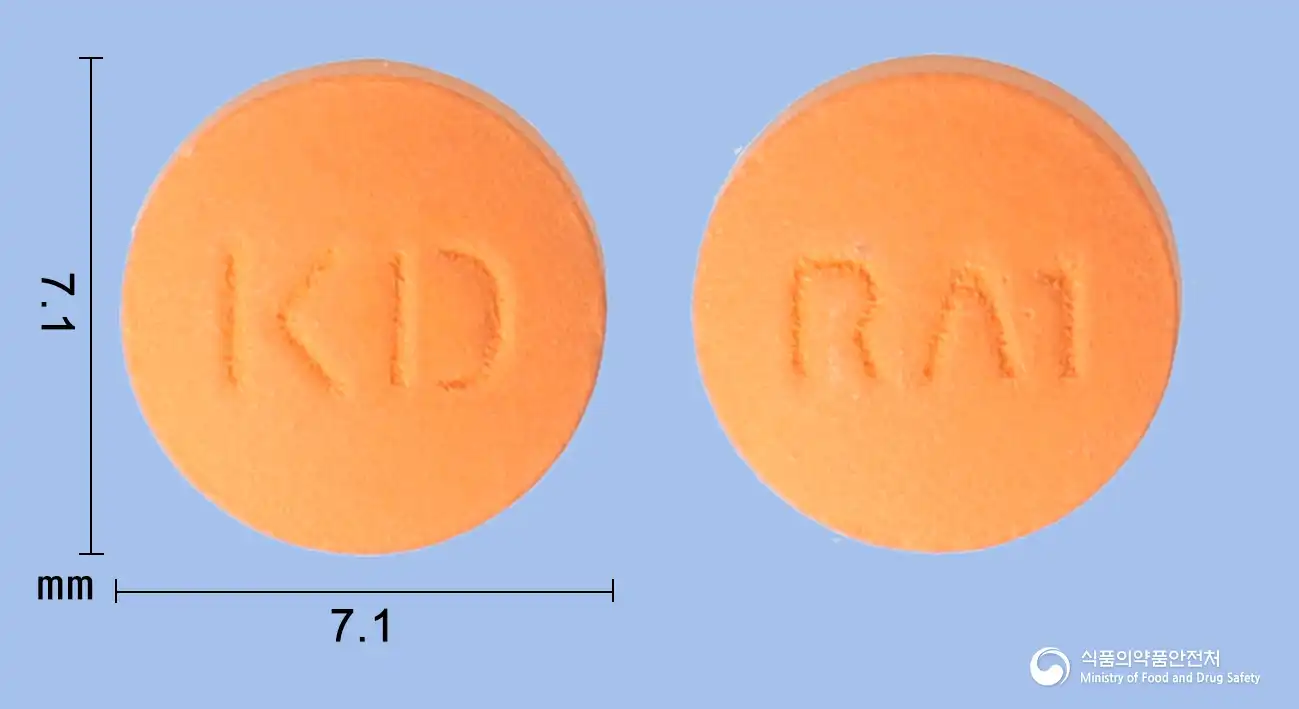 Combination
Rosuvastatin Calcium 5.2mg · Amlodipine Besylate 6.944mg
Tablet · Prescription medication · Combination
Kyungdong Pharmaceutical Co., Ltd.
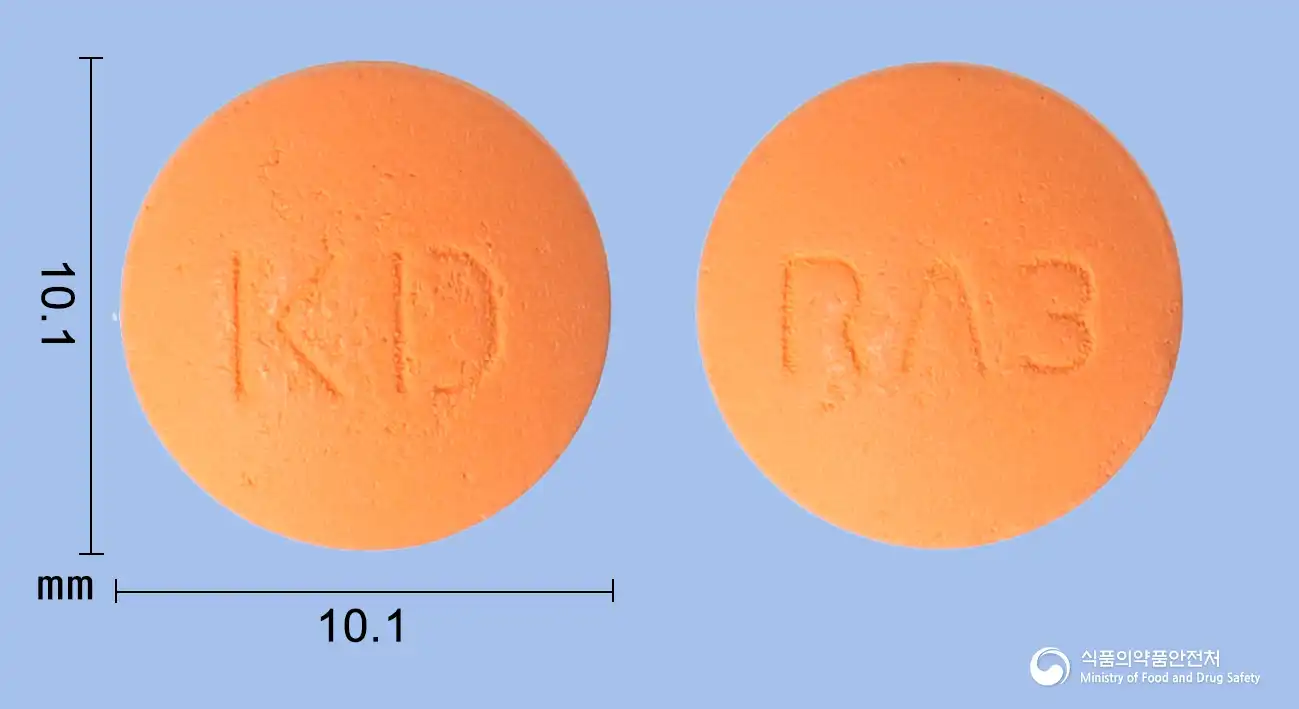 Combination
Rosuvastatin Calcium 20.8mg · Amlodipine Besylate 6.944mg
Tablet · Prescription medication · Combination
Kyungdong Pharmaceutical Co., Ltd.
Even with the same ingredient, the dose and directions can differ by strength and dosage form. Talk to a doctor or pharmacist before switching from a medication you are already taking.
No questions yet.
For anything that needs medical judgment, consult a doctor or pharmacist.
This drug information is based on data provided by the Korea Ministry of Food and Drug Safety.
Consult a doctor or pharmacist for accurate dosage, administration, and usage instructions.