
 한국어
 English
 日本語
 中文(简体)
Dosage form image
Viewing nowLightphorin Eye Drops (Cyclosporine) (Single Use)
Cyclosporine 0.5mg
Eye drops · Prescription medication
Lightpharmtech Co., Ltd.
MFDS item code 201803390 · Notified 2018.08.20 · Insurance code 690300721
Improvement of reduced tear production due to ocular inflammation associated with keratoconjunctivitis sicca
This medication helps alleviate symptoms by increasing tear production in cases where ocular inflammation such as dry keratoconjunctivitis occurs due to a lack of tears. It is used to improve discomfort related to eye dryness and to maintain eye health.
Instill 1 drop into each eye 2 times daily, approximately 12 hours apart. Before use, turn the container upside down and back to mix until the suspension is a uniform white, opaque emulsion. If using this medicine at the same time as artificial tears, administer them 15 minutes apart. Discard any remaining solution and the container after instillation.
This medication has not been sufficiently studied for use in patients with a history of herpetic keratitis, and caution is advised. Patients using local anti-inflammatory medications or tear duct plugs showed no increase in tear production. This medication should not be administered to patients with active ocular infections or those who have or are suspected to have allergies to this product's ingredients. The most commonly experienced side effect while using this medication may be a stinging sensation in the eye. Other possible side effects include conjunctival hyperemia, ocular discharge, tearing, eye pain, foreign body sensation, itching, irritation, and blurred vision. Rarely, serious reactions such as ocular swelling, severe allergic reactions, ocular surface damage, or hives have been reported. This medication should be used only for ophthalmic purposes and caution should be taken to avoid contact between the tip of the container and the eye. Vision may become temporarily blurred post-instillation, so driving or operating dangerous machinery is advised against. The safety of this medication has not been established during pregnancy, thus it should be used cautiously only if necessary. There is no research on whether this medication is excreted in breast milk, so it should be used carefully in nursing mothers. Safety and efficacy have not been established for children under 16 years old, so its use is not recommended. Open containers should be used only once, and any remaining medication discarded while ensuring the tip of the container does not become contaminated. This medication should not be used while wearing contact lenses; lenses should be removed prior to instillation and can be reinserted after 15 minutes post-administration. Medications should be kept out of reach of children, and expired medications should be disposed of properly. Systemic carcinogenic studies showed some tendency for cancer development in animal studies, but the dose of this medication used in the eyes is very low, suggesting minimal impact on humans. This medication has not shown mutagenic or genotoxic effects, and no infertility phenomena were reported in reproductive toxicity studies.
Not everyone experiences these, and they can vary from person to person.
This medication must be stored in a tightly sealed container to protect it from air and moisture exposure. It is also crucial to maintain a room temperature between 15 to 25 degrees Celsius when storing the medication to ensure its effectiveness over time.
A white opaque or slightly translucent homogeneous liquid contained in a white translucent plastic vial.
30 tubes / box [(0.4 milliliters / tube)]
Even with the same ingredient, strength, dosage form and how it is taken can differ.
Cyclosporine 0.5mg
Eye drops · Prescription medication
Lightpharmtech Co., Ltd.
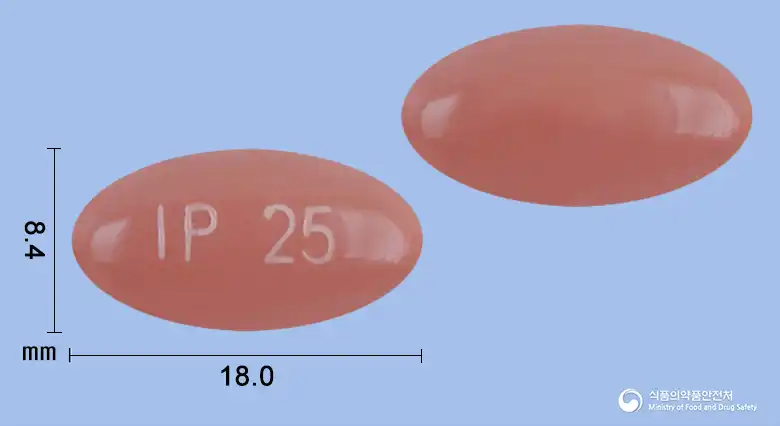
Cyclosporine 25mg
Soft capsule · Prescription medication
Hanmi Pharmaceutical Co., Ltd.
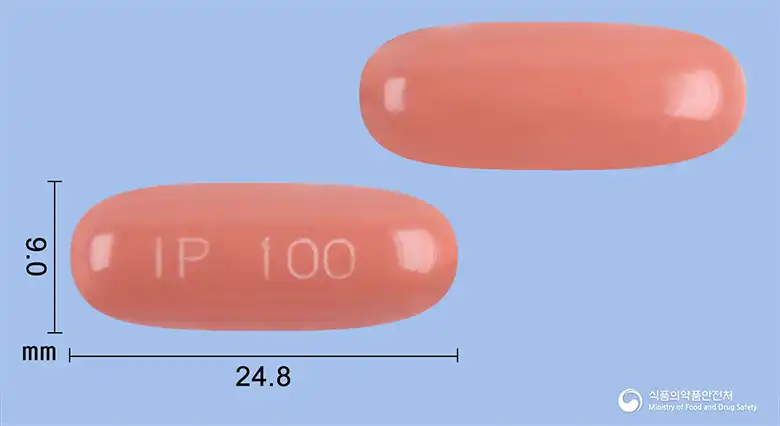
Cyclosporine 100mg
Soft capsule · Prescription medication
Hanmi Pharmaceutical Co., Ltd.
Cyclosporine 250mg
Injections · Prescription medication
Jongkundang Co., Ltd.
Cyclosporine 250mg
Injections · Prescription medication
Novartis Korea Co., Ltd.
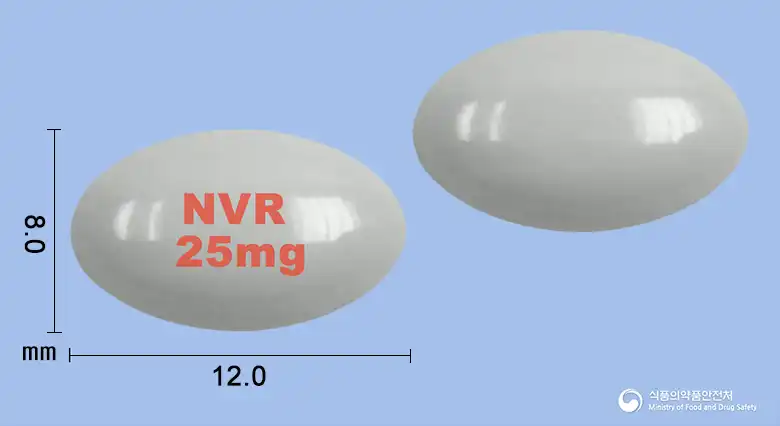
Cyclosporine 25mg
Soft capsule · Prescription medication
Novartis Korea Ltd.
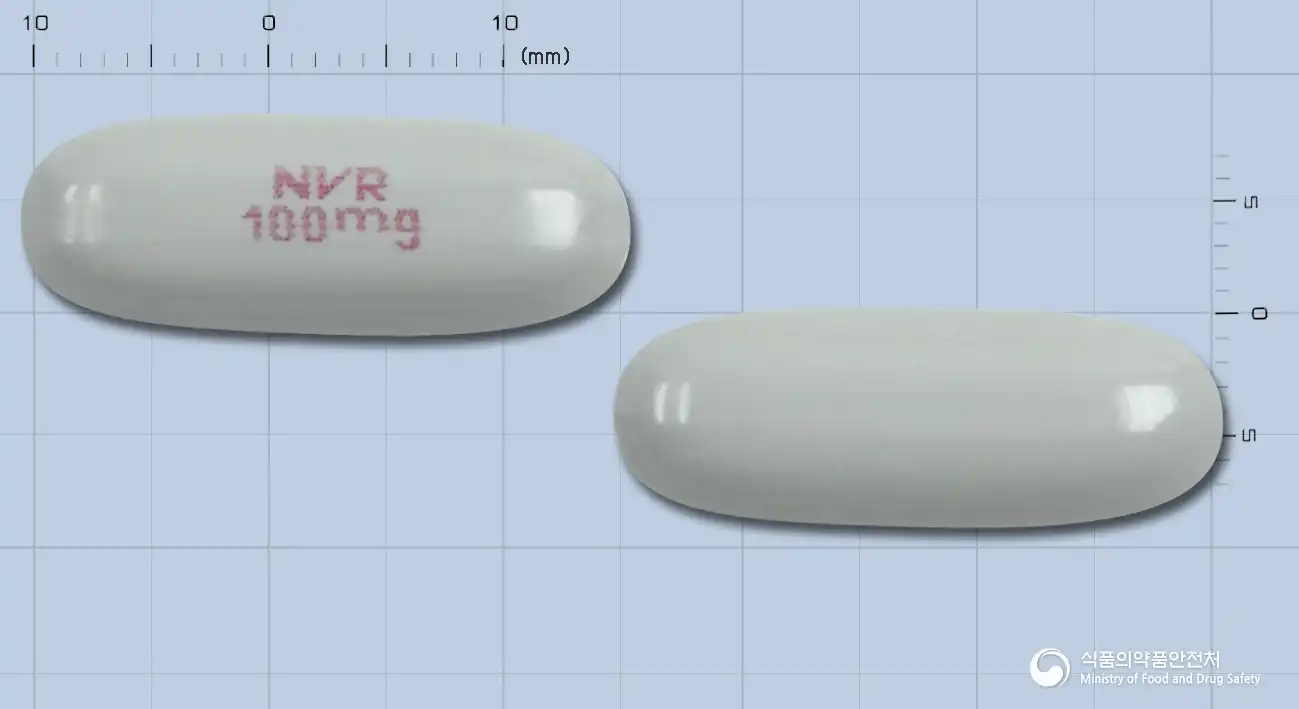
Cyclosporine 100mg
Soft capsule · Prescription medication
Novartis Korea Ltd.
Cyclosporine 10g
Prescription medication
Novartis Korea Co., Ltd.
Even with the same ingredient, the dose and directions can differ by strength and dosage form. Talk to a doctor or pharmacist before switching from a medication you are already taking.
No questions yet.
For anything that needs medical judgment, consult a doctor or pharmacist.
This drug information is based on data provided by the Korea Ministry of Food and Drug Safety.
Consult a doctor or pharmacist for accurate dosage, administration, and usage instructions.