
 한국어
한국어 English
 日本語
日本語 中文(简体)
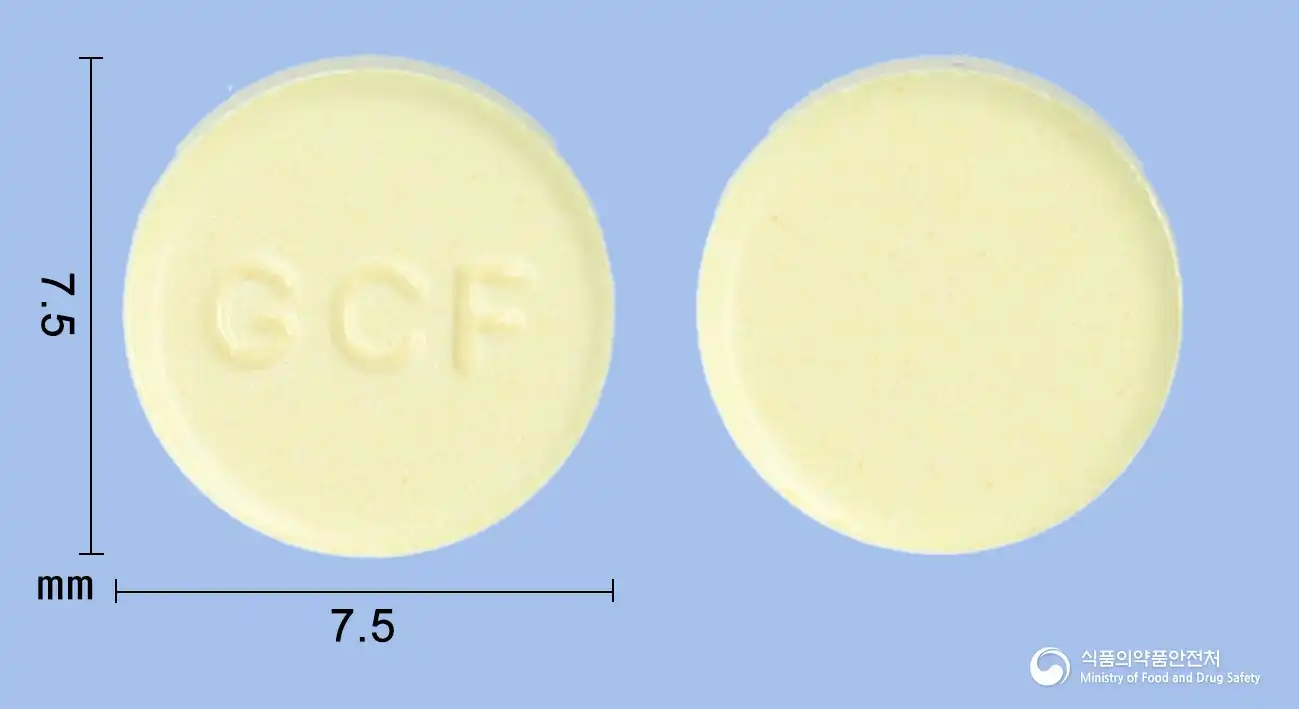 Viewing now
Green Cross Folic Acid Tablet
Folic Acid 1mg
Tablet · OTC medication
Green Cross Co., Ltd.
MFDS item code 201803375 · Notified 2018.08.17
Prevention and treatment of folic acid deficiency and anemia (nutritional, pregnancy-related, etc.)
This medication is used for the prevention and treatment of folic acid deficiency. It also helps meet the folic acid requirements, especially in cases of inadequate dietary intake, particularly for individuals with diseases that cause depletion or for women who are pregnant or breastfeeding. It is used as an adjunct in various types of anemia, especially nutritional deficiency anemia, pregnancy-related anemia, and childhood anemia, excluding pernicious anemia. It is also effective for anemia caused by the use of antiepileptic drugs for the treatment of epilepsy. It is helpful in treating megaloblastic anemia related to alcohol abuse or liver diseases. Overall, it is used to improve anemia and diseases resulting from folic acid deficiency or related metabolic disorders.
For treatment of folic acid deficiency or deficiencies caused by other medications, 0.25 to 1 mg per day is recommended. For prevention of folic acid deficiency and in various diseases where folic acid requirements are increased, 0.1 to 0.25 mg per day is recommended.
Children over 24 months should take the same dosage as adults, and for treatment of folic acid deficiency or deficiencies caused by other medications, 0.25 to 1 mg per day is recommended. For prevention of folic acid deficiency and increased folic acid requirements, 0.1 to 0.25 mg should be taken per day.
This medication should not be taken by individuals allergic to any specific ingredients. Patients with pernicious anemia or megaloblastic anemia caused by vitamin B12 deficiency should not take this medication. Additionally, as it contains lactose, individuals with genetic diseases such as galactose intolerance, Lapp lactase deficiency, or glucose-galactose malabsorption should not take this medication. Those undergoing treatment should consult with their doctor, dentist, or pharmacist before taking this medication. For patients with pernicious anemia, this medication alone will not be effective for neurological symptoms, so vitamin B12 preparations should be taken together, and caution is necessary in cases where the diagnosis is uncertain. Individuals taking medications such as aminosalicylates, oral contraceptives, methotrexate, or trimethoprim may experience interactions with this medication, necessitating consultation. Patients taking antiepileptic drugs such as phenytoin should be aware that this medication may lower blood concentrations, thereby increasing the risk of seizures. Moreover, individuals taking sulfasalazine or cholestyramine should be cautious, as these can interfere with absorption of this medication. If any allergic reactions occur during use, such as skin rash, itching, or difficulty breathing, discontinue use immediately and consult a professional. Symptoms like loss of appetite, vomiting, swelling, and weight loss should also be monitored, and high-dose use may exhibit central nervous system abnormalities such as reduced concentration, irritability, and depression. This medication must be used according to specified dosage and administration, and supervision by a guardian is necessary when administering to children. If symptoms do not improve or worsen even after one month of use, consult a professional. When storing, keep it out of reach of children, avoid direct sunlight, and store in a cool, dry place in a sealed container. To maintain quality, it is important not to transfer it to another container.
Shortness of breath
Not everyone experiences these, and they can vary from person to person.
This medication may interact with aminosalicylates, oral contraceptives, dihydrofolate reductase inhibitors (such as methotrexate, trimethoprim), phenytoin-type antiepileptic drugs, sulfasalazine, and cholestyramine. Consult your doctor or pharmacist if you are taking any of these medications.
This medication may be sensitive to air or moisture, so it must be stored in a tightly sealed container. Additionally, avoid very hot or very cold places and it is advisable to store it at room temperature between 1 to 30 degrees.
Yellow round tablets
30 T/PTP
Even with the same ingredient, strength, dosage form and how it is taken can differ.
Viewing nowFolic Acid 1mg
Tablet · OTC medication
Green Cross Co., Ltd.
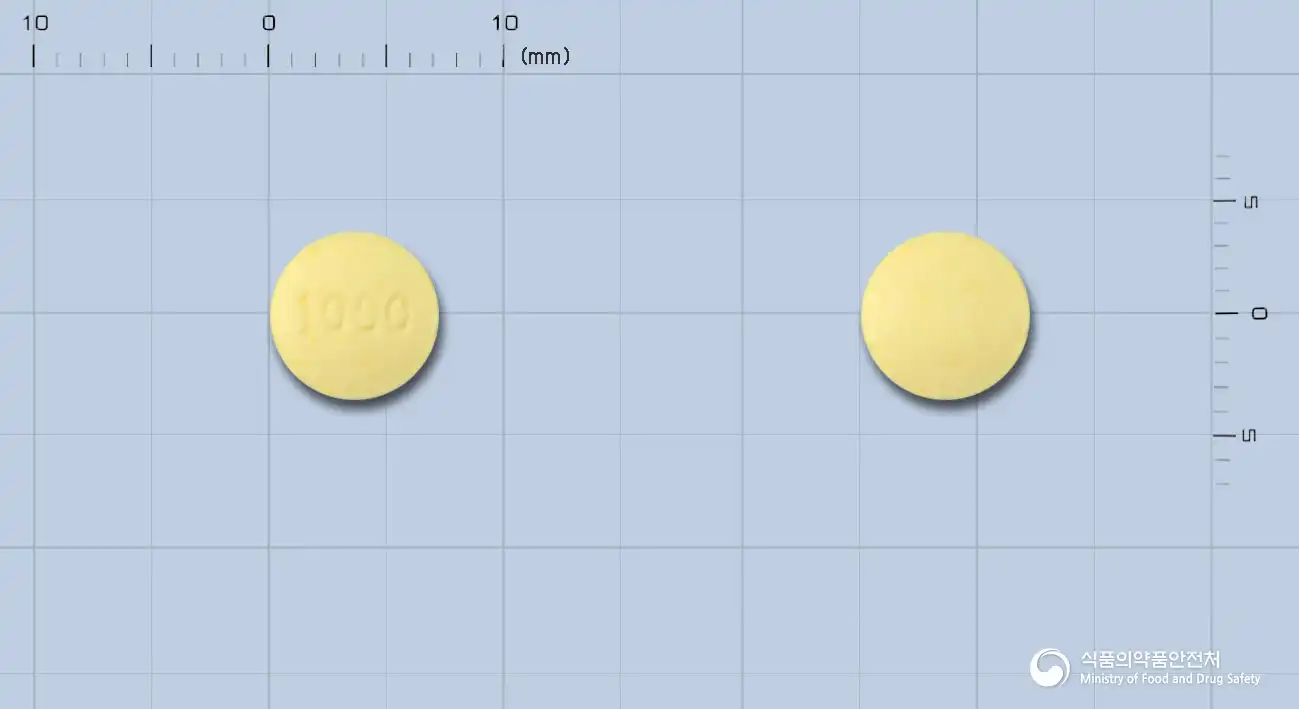
Folic Acid 1mg
Tablet · OTC medication
Shinil Pharmaceutical Co., Ltd.
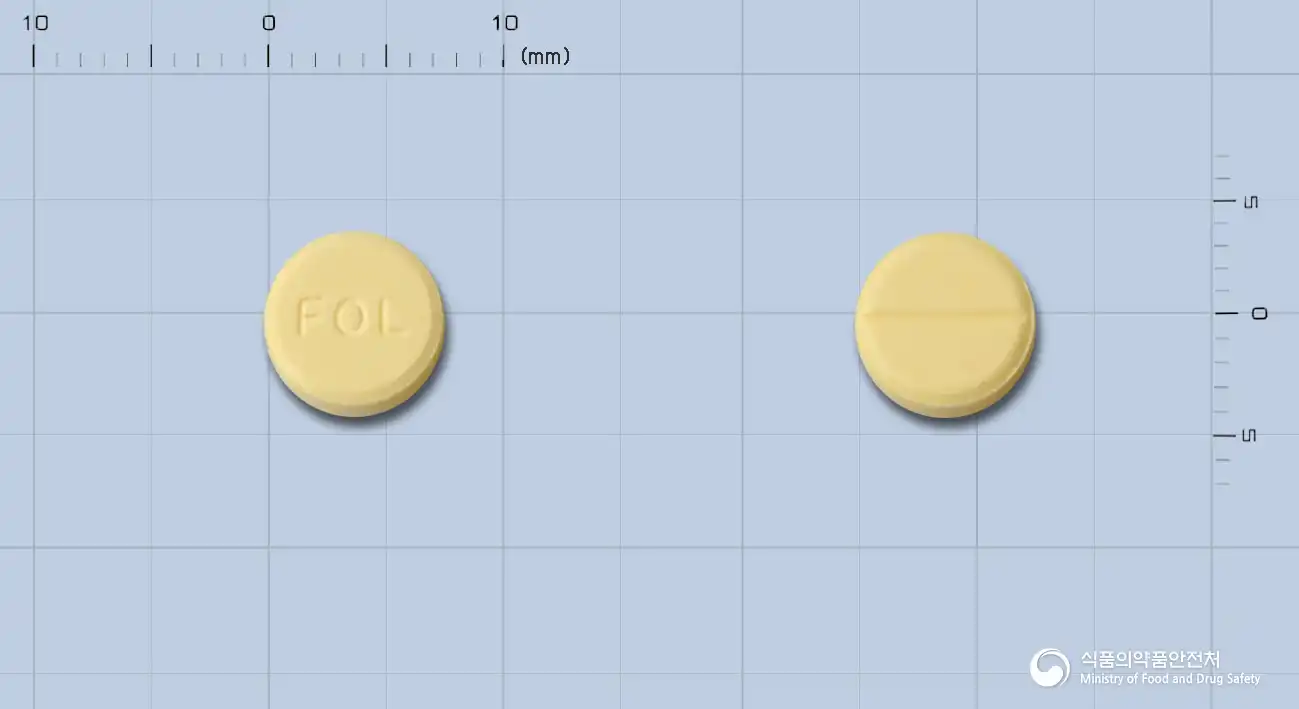
Folic Acid 1mg
Tablet · OTC medication
Joah Pharmaceutical Co., Ltd.
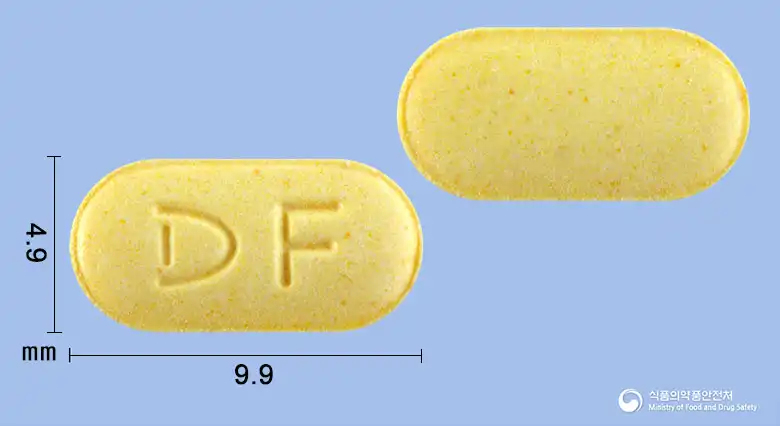
Folic Acid 5mg
Tablet · Prescription medication
Darim Biotech Co., Ltd.
Folic Acid 1mg
Soft capsule · OTC medication
RP Bio Co., Ltd.
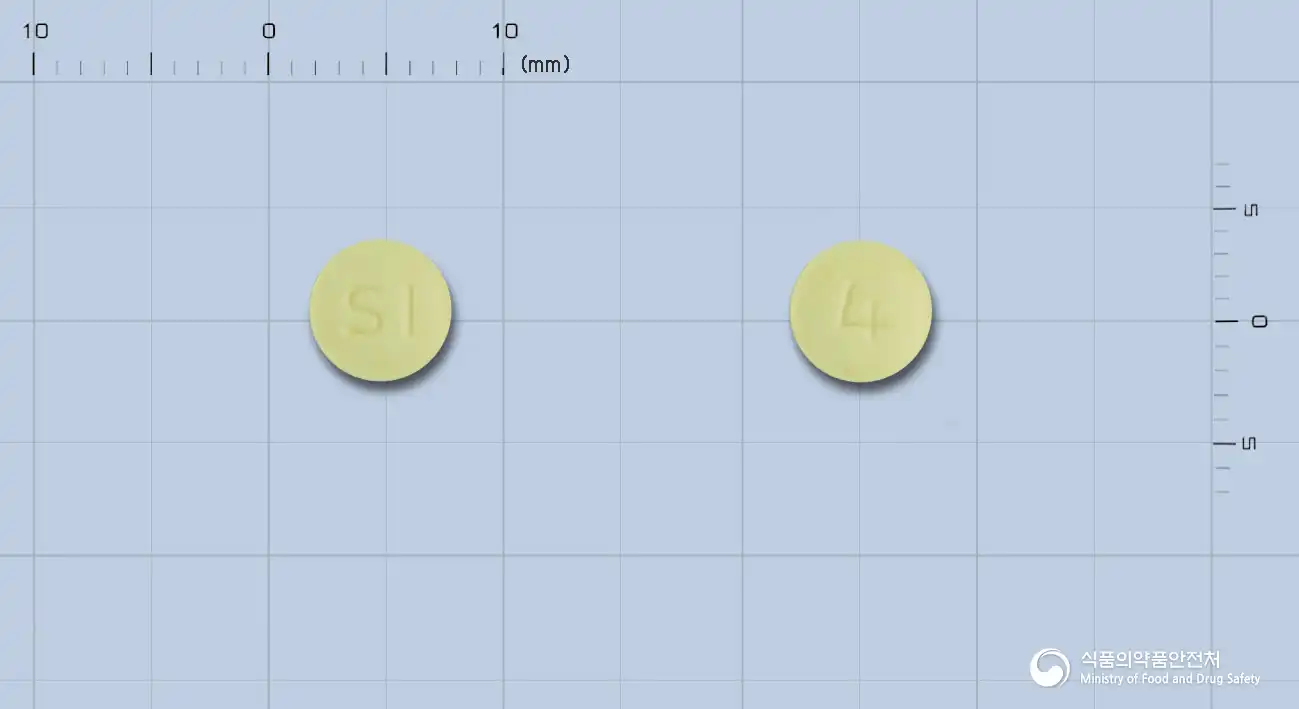
Folic Acid 0.4mg
Tablet · OTC medication
Shinil Pharmaceutical Co., Ltd.
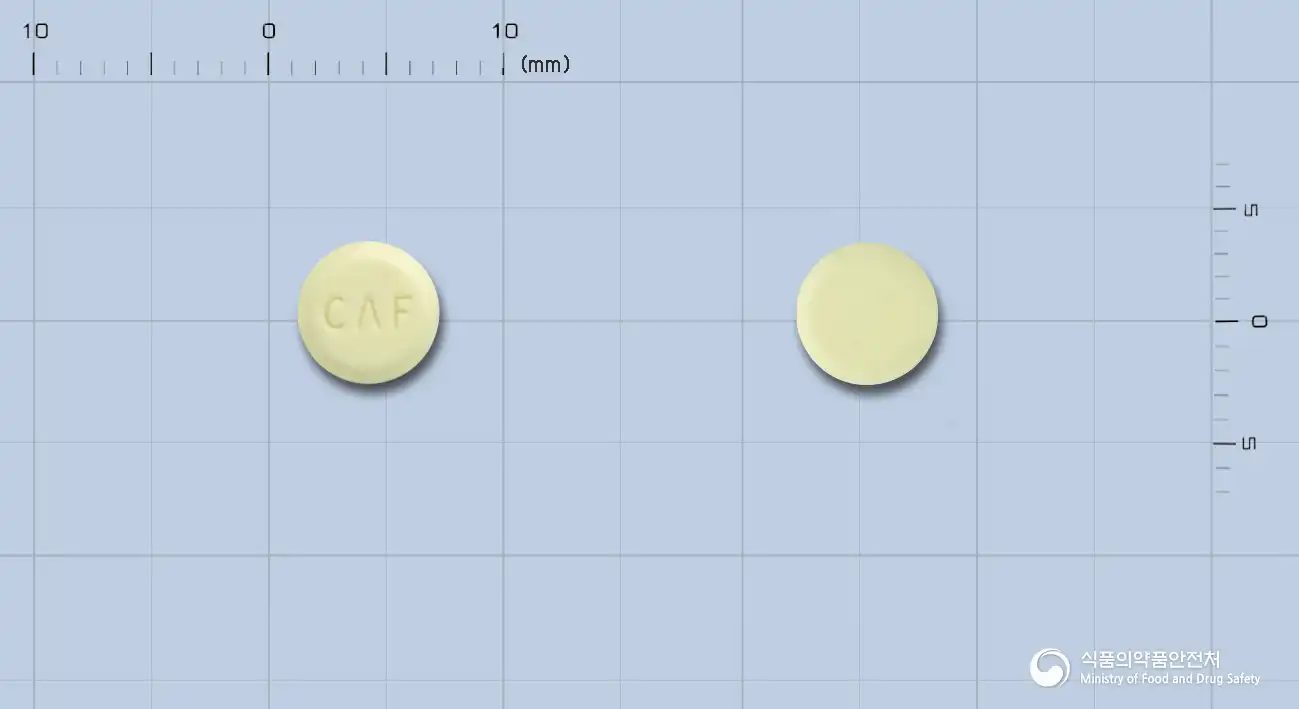
Folic Acid 0.4mg
Tablet · OTC medication
Joah Pharmaceutical Co., Ltd.
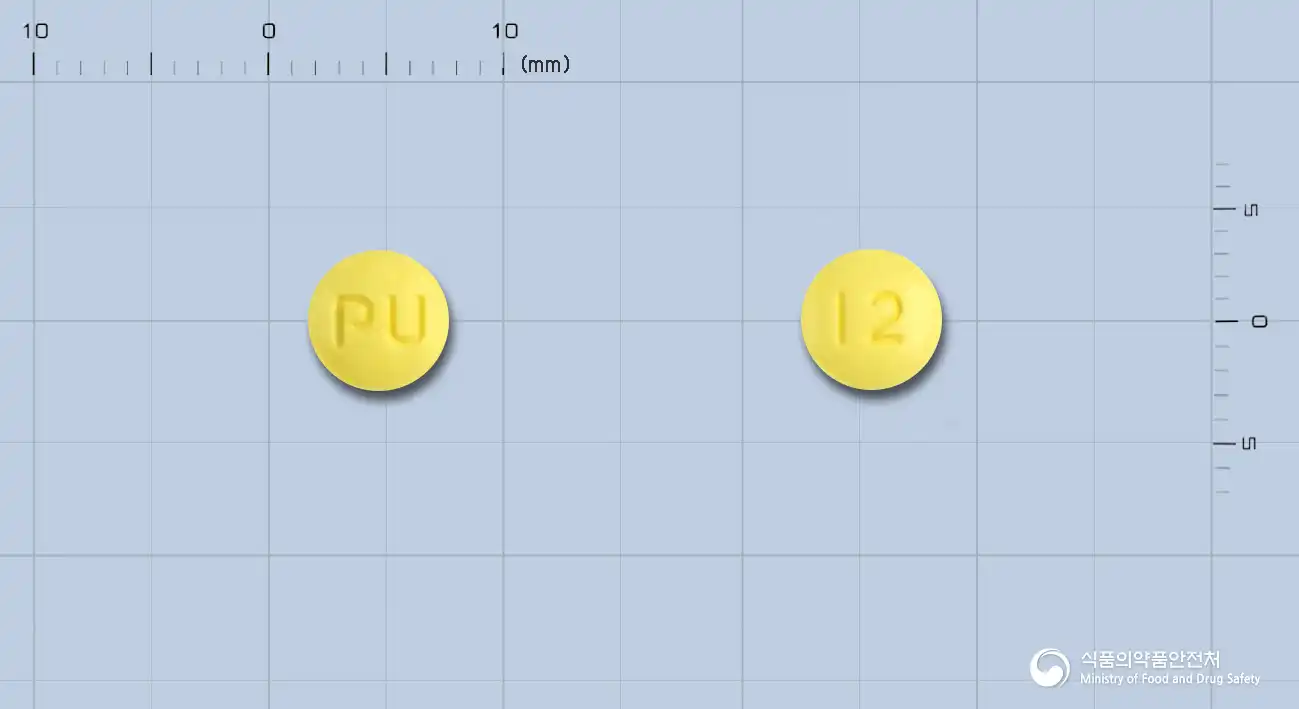
Folic Acid 1mg
Tablet · OTC medication
Korea PMG Pharmaceutical Co., Ltd.
Even with the same ingredient, the dose and directions can differ by strength and dosage form. Talk to a doctor or pharmacist before switching from a medication you are already taking.
No questions yet.
For anything that needs medical judgment, consult a doctor or pharmacist.
This drug information is based on data provided by the Korea Ministry of Food and Drug Safety.
Consult a doctor or pharmacist for accurate dosage, administration, and usage instructions.