
 한국어
 English
 日本語
 中文(简体)
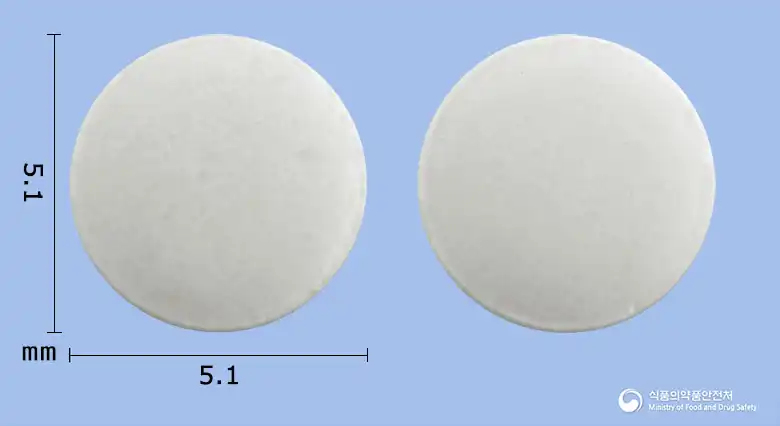 Viewing now
U & Jeong (Dienogest)
Dienogest Micronized 2mg
Tablet · Prescription medication
Korea Pharma Bio Co., Ltd.
MFDS item code 201803171 · Approved 2018.07.31 · Insurance code 659901410
Treatment of endometriosis
Endometriosis is a condition that occurs when endometrial tissue is located outside the uterus, which can primarily cause severe menstrual pain and pelvic pain. This medication helps relieve the symptoms of endometriosis and reduce the size of lesions. Treatment can improve pain and reduce discomfort in daily life. It is used for endometriosis.
Take 1 tablet daily without a break. If possible, take it at the same time each day with a little water; it may be taken with or without food. Continue taking the tablets consecutively regardless of vaginal bleeding. When you finish the pack, start the next pack without a break. There is no experience with treatment for endometriosis for longer than 15 months. Treatment may be started on any day of the menstrual cycle. The effect may be reduced if you forget a dose or experience vomiting or diarrhea within 3-4 hours after taking this medicine. If you have missed 1 or more tablets, take 1 tablet as soon as you remember and continue taking the tablets at the usual time the next day. If a dose was not absorbed due to vomiting or diarrhea, take 1 additional tablet in the same way. Patients with renal impairment: No dose adjustment is required in patients with renal impairment.
This medication should not be administered to patients who are pregnant or suspected of being pregnant. Patients with venous thromboembolism, cardiovascular disease, liver disease, or a history of hormone-dependent malignancies should also avoid taking this medication. Moreover, patients with hypersensitivity to any component of this medication or with genetic lactose intolerance should refrain from use. If severe or persistent uterine bleeding occurs during treatment, caution is required, and caution is also advised for patients with circulatory disorders or a risk of osteoporosis. Patients with a history of depression should be carefully monitored and should discontinue use if necessary. Diabetics should manage their blood sugar levels diligently while taking this medication, and those with ectopic pregnancies or tubal dysfunction must consult a physician thoroughly before use. Side effects such as headaches, breast discomfort, depressive mood, acne, etc., may commonly appear with this medication, and menstrual patterns may also change. Additionally, various adverse reactions have been reported, so if any abnormal symptoms occur during use, immediate consultation with medical personnel is advised. Before use, pregnancy status must be confirmed, and non-hormonal contraception is recommended during treatment. If blood pressure increases, drug discontinuation and appropriate treatment may be required. This medication is metabolized in the liver, so concurrent use with specific drugs may decrease effectiveness or increase side effects; therefore, if other medications are being taken, consultation with a doctor or pharmacist is essential. Do not use during pregnancy, and it is not recommended during breastfeeding. Do not administer to children, especially pre-menarchal girls, and elderly patients should also refrain from use. Use may affect some blood tests or liver function tests, so regular testing may be required. In case of overdose, there is no specific antidote, and it is crucial to adhere to the prescribed dosage and administration; therefore, it should be kept out of reach of children. Store the medication in its original container away from light, and avoid transferring it to other containers.
Not everyone experiences these, and they can vary from person to person.
This medication may be sensitive to air or moisture; it should be stored in a tightly sealed container. It is advisable to store it at room temperature between 1 and 30 degrees Celsius. This helps maintain the medication's effectiveness.
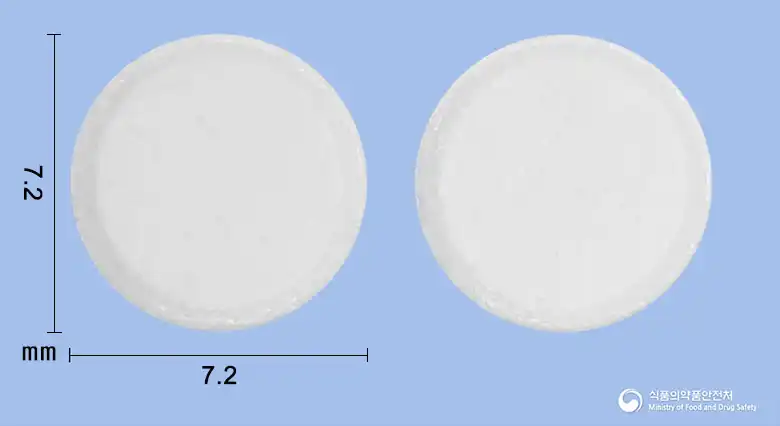
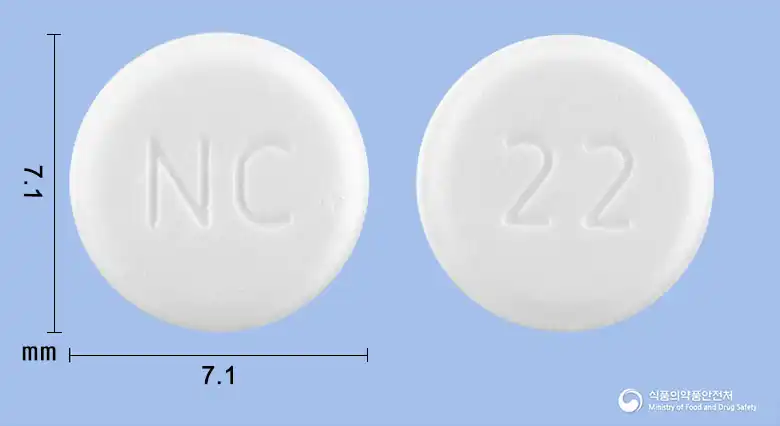
White round tablet
28 tablets/PTP/box
Even with the same ingredient, strength, dosage form and how it is taken can differ.
Viewing nowDienogest Micronized 2mg
Tablet · Prescription medication
Korea Pharma Bio Co., Ltd.
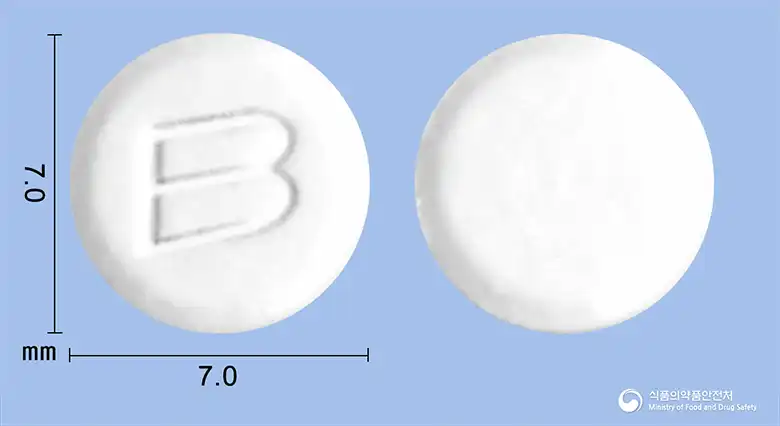
Dienogest Micronized 2mg
Tablet · Prescription medication
Bayer Korea Co., Ltd.
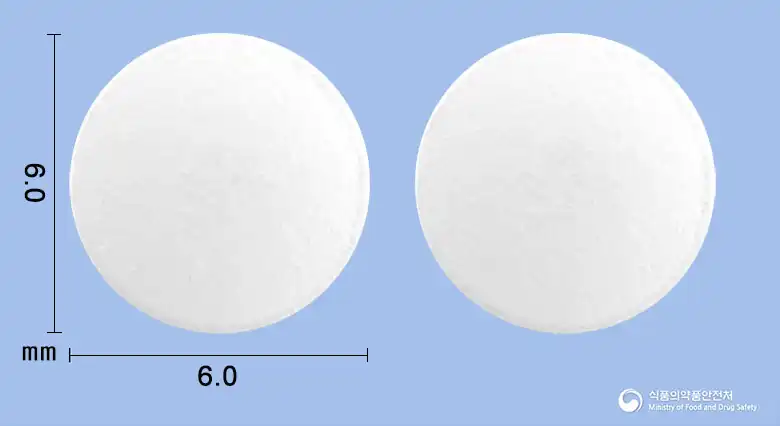
Dienogest Micronized 2mg
Tablet · Prescription medication
Shinpoong Pharmaceutical Co., Ltd.
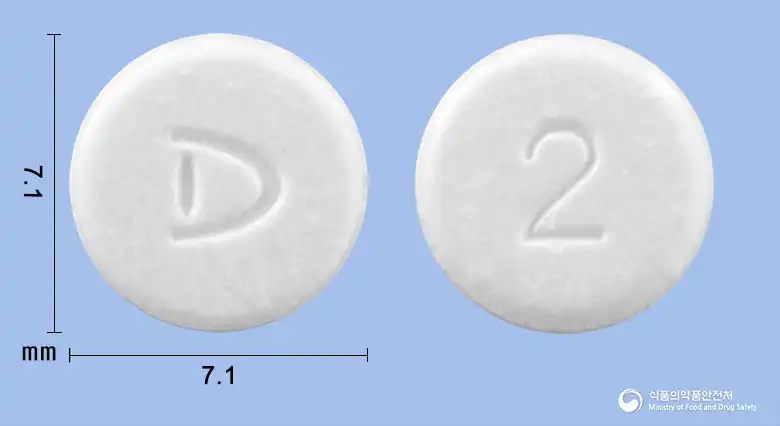
Dienogest Micronized 2mg
Tablet · Prescription medication
Darim Biotech Co., Ltd.
Dienogest Micronized 2mg
Tablet · Prescription medication
Pharmist Co., Ltd.
Dienogest Micronized 2mg
Tablet · Prescription medication
Hanwha Pharmaceuticals Co., Ltd.
Even with the same ingredient, the dose and directions can differ by strength and dosage form. Talk to a doctor or pharmacist before switching from a medication you are already taking.
No questions yet.
For anything that needs medical judgment, consult a doctor or pharmacist.
This drug information is based on data provided by the Korea Ministry of Food and Drug Safety.
Consult a doctor or pharmacist for accurate dosage, administration, and usage instructions.