
 한국어
한국어 English
 日本語
日本語 中文(简体)
 Viewing now
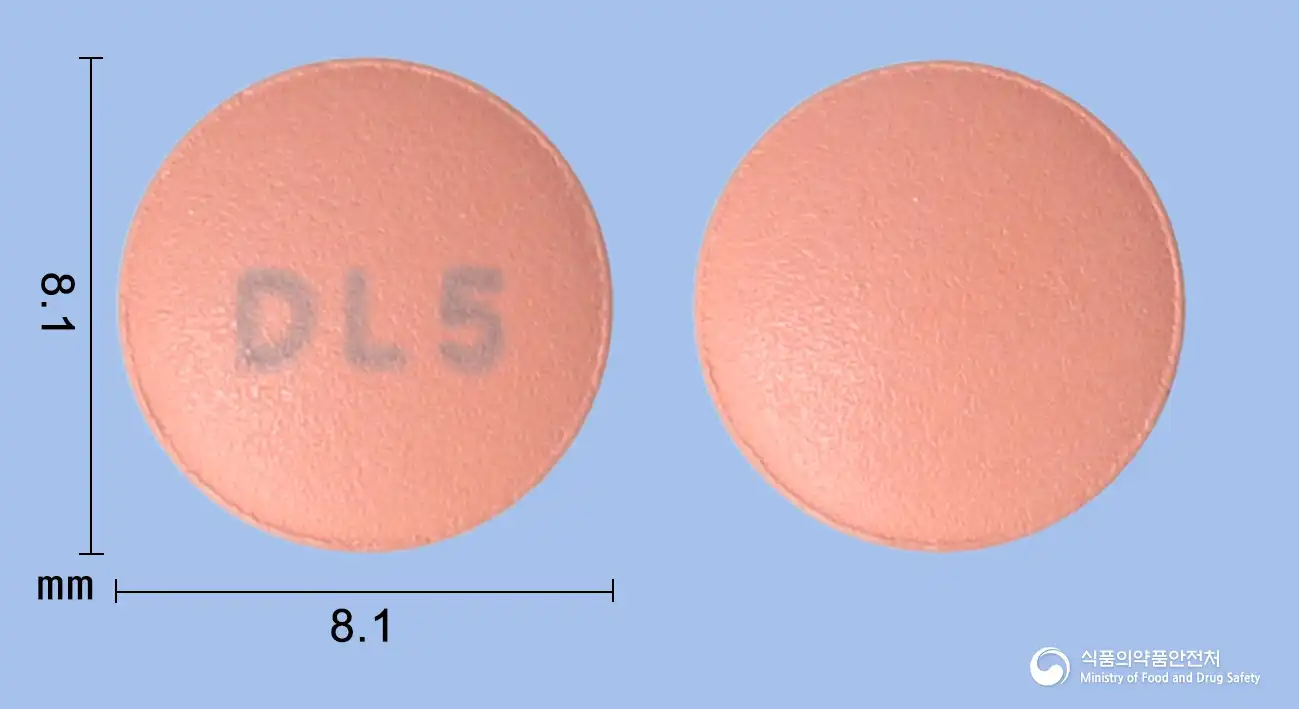
Traritine Tablet (Linagliptin)
Linagliptin Micronized 5mg
Tablet · Prescription medication
Daewon Pharmaceutical Co., Ltd.
MFDS item code 201803132 · Approved 2018.07.30 · Insurance code 671807650
Improvement of blood sugar control in type 2 diabetes
This medication is used together with dietary therapy and exercise to help control blood sugar in patients with type 2 diabetes. It can be used alone or in combination with other medications to effectively manage blood sugar levels.
The recommended dosage of this medication is 5 mg once daily. It can be administered regardless of meals.
This medication should not be used in patients with a known allergy to the active ingredient or any other component of this drug. It should also not be administered to patients with type 1 diabetes or diabetic ketoacidosis. Caution is required when taking this medication in combination with insulin or sulfonylurea drugs, as this may result in a risk of hypoglycemia. Adjustment of dosage may be necessary due to the increased risk of hypoglycemia when used in combination. Patients with heart failure should use this medication with caution, and if symptoms of pancreatitis occur, they should immediately stop taking it and consult a doctor. If continuous and severe abdominal pain occurs during the treatment, pancreatitis should be suspected. A skin condition known as bullous pemphigoid may occur, so if blisters or skin rash appear, notifying a doctor immediately is necessary. Various adverse reactions, including hypoglycemia, have been reported with this medication, particularly when used in combination with other diabetes treatments, where hypoglycemic symptoms may be more common. Severe joint pain may occur, and drug discontinuation should be considered if symptoms appear. Use during pregnancy or breastfeeding is not recommended; if pregnant or nursing, consultation with a doctor is essential before taking this medication. The safety and efficacy of this medication have not been established in children and adolescents, hence its use is not recommended in these populations. Elderly patients may use it without special dose adjustments, and patients with impaired kidney or liver function can also take it without dosage adjustment. In case of overdose, the absorption of the drug in the gastrointestinal tract should be reduced, symptoms should be observed, and appropriate treatment should be administered as necessary. This medication should be kept out of reach of children, and transferring it to another container is not advisable for safety and quality maintenance.
Urticaria, angioedema, pancreatitis, bullous pemphigoid, severe allergic reactions, acute pancreatitis, oral ulcers, severe rash, severe joint pain accompanied by disability, congestive heart failure, acute myocardial infarction, cardiac arrest, acute kidney injury, acute cholangitis, cholangitis, kidney transplant failure, death, sepsis, cerebral embolism, severe chest tightness, respiratory distress, asthma attacks, respiratory problems, severe hypoglycemia, elevated blood pressure
Hypoglycemia, hypertriglyceridemia, hyperlipidemia, cough, constipation, oral ulceration, rash, severe joint pain accompanied by disability, rhabdomyolysis, weight gain, increased lipase, increased amylase, dyspepsia, edema, facial edema, peripheral edema, weight loss, increased appetite, constipation, upper abdominal pain, small and large intestine inflammation, bowel obstruction, gastroenteritis, shingles, cystitis, acute pyelonephritis, bronchitis, vestibular neuronitis, sepsis, pneumonia, decreased appetite
Not everyone experiences these, and they can vary from person to person.
This medication should be stored in a tightly closed container to protect it from air and moisture. It is advisable to maintain storage temperature between 1 to 30 degrees Celsius at room temperature. Proper storage helps maintain the effectiveness of the medication and prevents degradation.
Pink, biconvex, round film-coated tablet
30 tablets (10 tablets/PTP × 3)
Even with the same ingredient, strength, dosage form and how it is taken can differ.
Viewing nowLinagliptin Micronized 5mg
Tablet · Prescription medication
Daewon Pharmaceutical Co., Ltd.
Linagliptin Micronized 5mg
Tablet · Prescription medication
Samjin Pharmaceutical Co., Ltd.
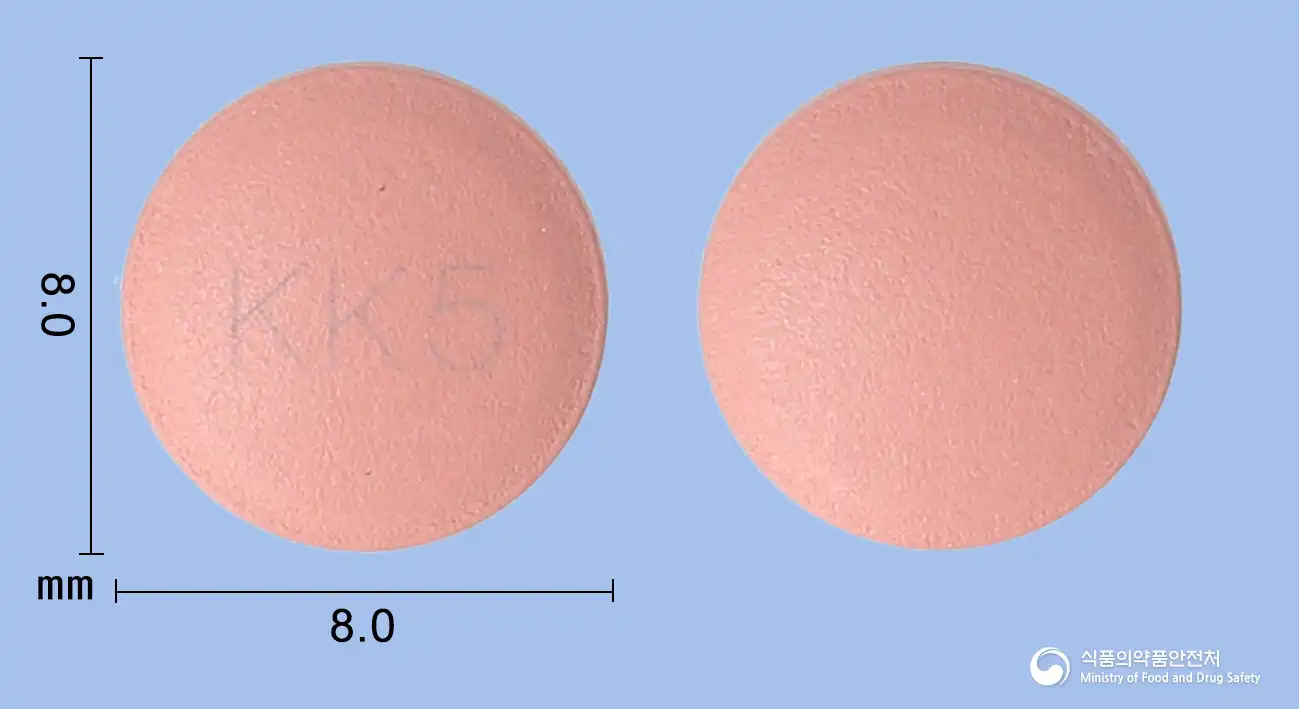
Linagliptin Micronized 5mg
Tablet · Prescription medication
Genewon Science Co., Ltd.
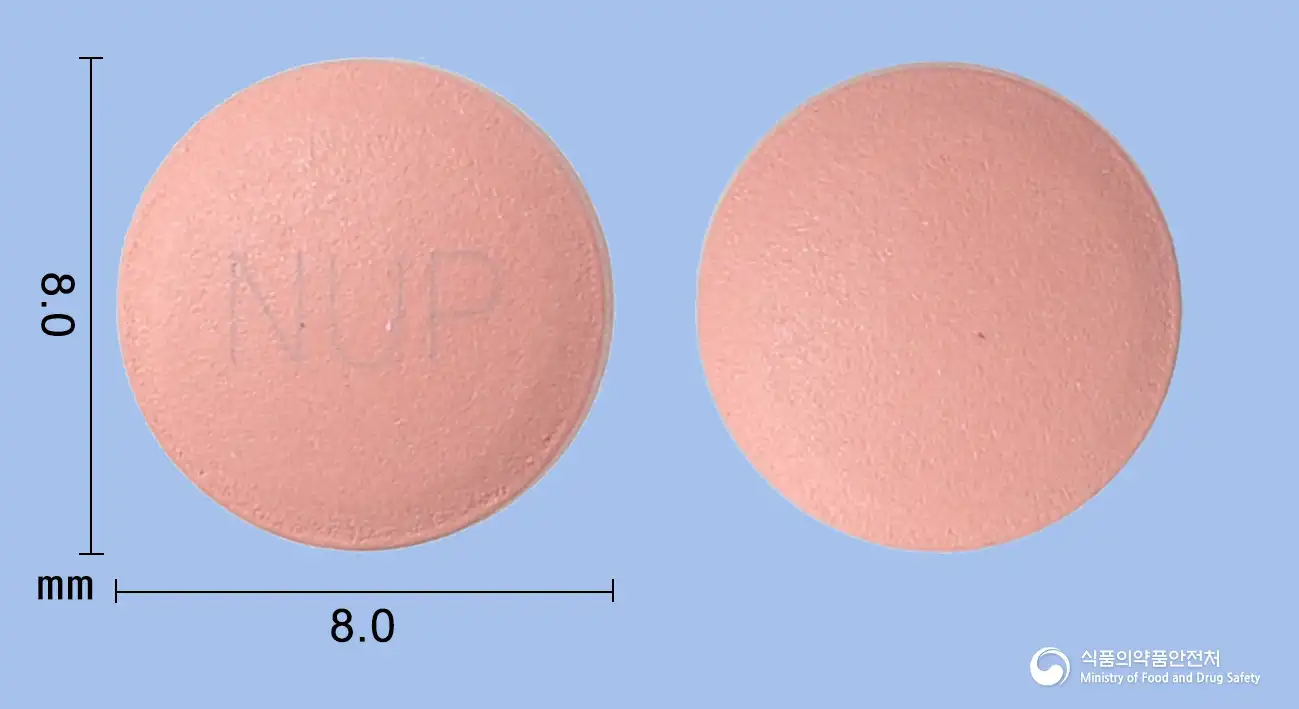
Linagliptin Micronized 5mg
Tablet · Prescription medication
Genupharm Co., Ltd.
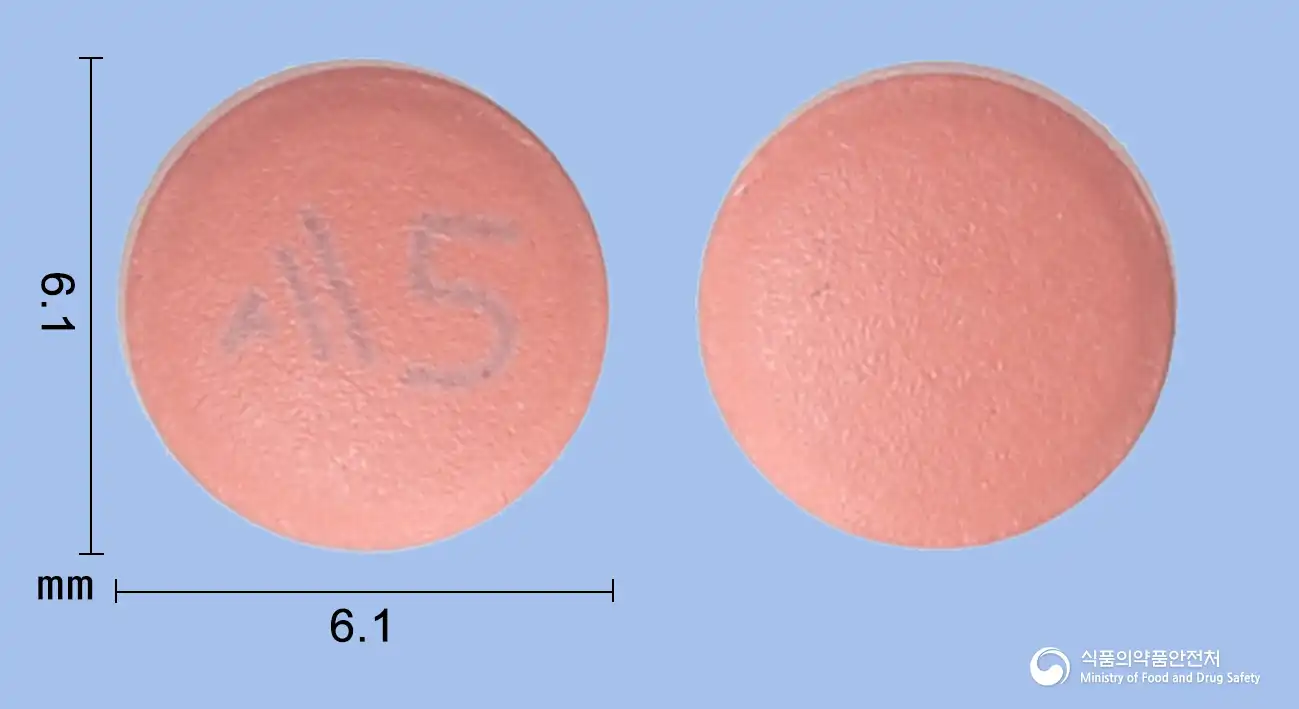
Linagliptin Micronized 5mg
Tablet · Prescription medication
Aprogen Pharmaceuticals, Co., Ltd.
Even with the same ingredient, the dose and directions can differ by strength and dosage form. Talk to a doctor or pharmacist before switching from a medication you are already taking.
No questions yet.
For anything that needs medical judgment, consult a doctor or pharmacist.
This drug information is based on data provided by the Korea Ministry of Food and Drug Safety.
Consult a doctor or pharmacist for accurate dosage, administration, and usage instructions.