
 한국어
 English
 日本語
 中文(简体)
 Viewing now
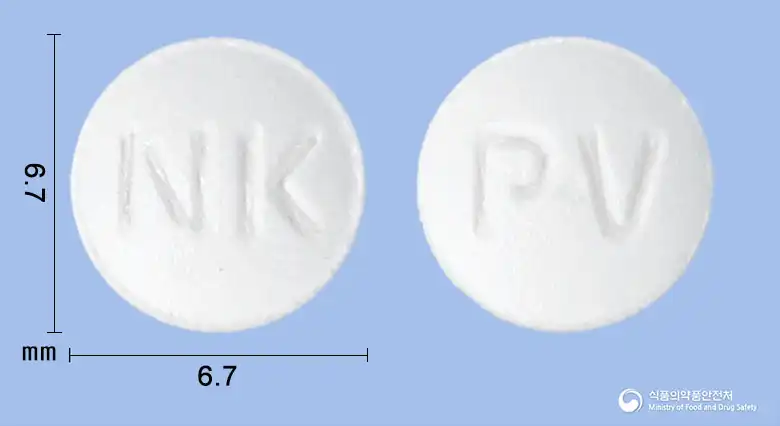
Nexverin Tablet 20mg (Propiverine Hydrochloride)
Propiverine Hydrochloride 20mg
Tablet · Prescription medication
Nexpharm Korea Co., Ltd.
MFDS item code 201803081 · Approved 2018.07.25 · Insurance code 662503980
Relief of overactive bladder (urgency, frequent urination, etc.) and frequent urination and urinary incontinence due to bladder disease
This medication is effective for frequent urination and incontinence caused by the following diseases or conditions. Specifically, it is used for neurogenic bladder, neurogenic frequent urination, unstable bladder, chronic cystitis, and chronic prostatitis which result in bladder irritability. It also helps treat urgency, frequency, and urge incontinence resulting from overactive bladder. By alleviating these symptoms, it helps reduce discomfort in daily life and improves quality of life. Therefore, it is used to improve various symptoms associated with bladder dysfunction.
Adults: Administer propiverine hydrochloride 20 mg orally once daily after a meal. The dose may be adjusted as appropriate according to symptoms; however, if the effect is insufficient and there are no safety concerns, 20 mg may be taken up to twice daily.
This medication should not be used in certain patients. For example, individuals allergic to this medication or any of its components should not take it. Additionally, patients with gastrointestinal obstruction or issues affecting intestinal motility should avoid this medication, as it may worsen symptoms. Patients with difficulties in bladder urination, glaucoma, myasthenia gravis, or heart disease may also have exacerbated symptoms with this medication. Patients with severely impaired liver or kidney function, as well as those with specific genetic lactose intolerance, should not take this medication. Some patients require caution while using this medication. Those with difficulty urinating should use it cautiously as their symptoms may worsen. Patients with liver or kidney issues, Parkinson's disease, or hyperthyroidism should also be careful. Elderly patients, as well as those with autonomic nervous system disorders, heart issues, or glaucoma, should be closely monitored while using this medication. This medication may have various side effects. Hallucinations or delusions may occur, and if such symptoms appear, use should be discontinued immediately. Gastrointestinal issues may manifest as severe constipation or abdominal distension, and cardiac side effects may occur as palpitations or arrhythmia. If severe rash or allergic reactions appear, use should be stopped immediately. Eye pain or vision impairment may indicate an acute attack of glaucoma, in which case quick action is required. Liver and kidney dysfunction may also occur, so regular check-ups are necessary, and use should be stopped if any signs of abnormalities appear. When taking this medication, it is essential to consult thoroughly with a doctor for an accurate diagnosis and to check for other diseases that may have similar symptoms. Especially in cases of lower urinary tract obstruction diseases, treatment of that condition should take precedence, and while taking this medication, drowsiness or dizziness may occur, so driving or operating hazardous machinery should be avoided. Caution is also necessary when taking this medication with other drugs. Taking it with anticholinergics or specific antidepressants and psychiatric medications may exacerbate side effects. Women who are pregnant or may become pregnant should avoid taking this medication. Additionally, breastfeeding mothers should preferably stop breastfeeding while taking this medication. The safety of this medication has not been adequately established for use in children, so it is recommended not to use it. For the elderly, liver and kidney functions may be impaired, so it should be started cautiously at a lower dose. In cases of overdose, symptoms such as hallucinations, seizures, gait disturbances, and heart abnormalities may occur, and immediate medical attention is required.
Not everyone experiences these, and they can vary from person to person.
This medication is sensitive to air and moisture, so it must be stored in a tightly closed container. It is advisable to maintain storage temperatures between 1 and 30 degrees Celsius at room temperature. This helps preserve the medication's effectiveness and safety for a long time.
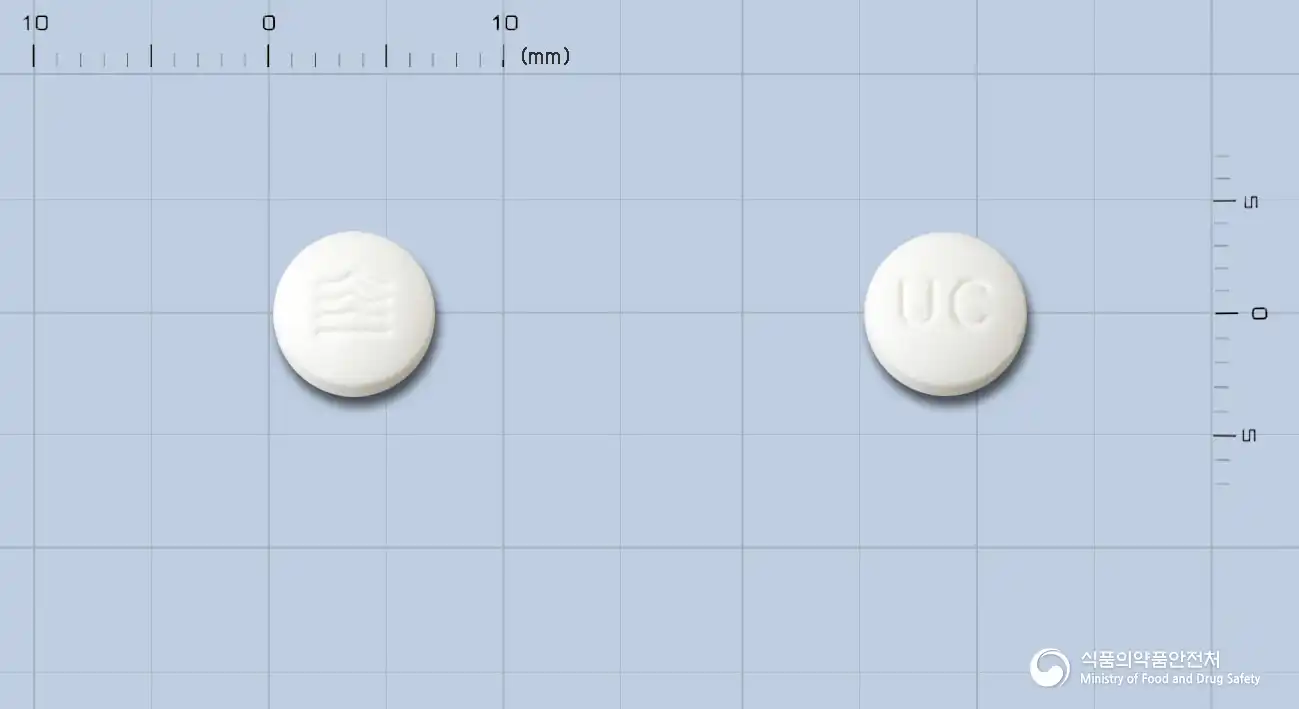
White round film-coated tablet
30 tablets/bottle, 100 tablets/bottle
Even with the same ingredient, strength, dosage form and how it is taken can differ.
Viewing nowPropiverine Hydrochloride 20mg
Tablet · Prescription medication
Nexpharm Korea Co., Ltd.
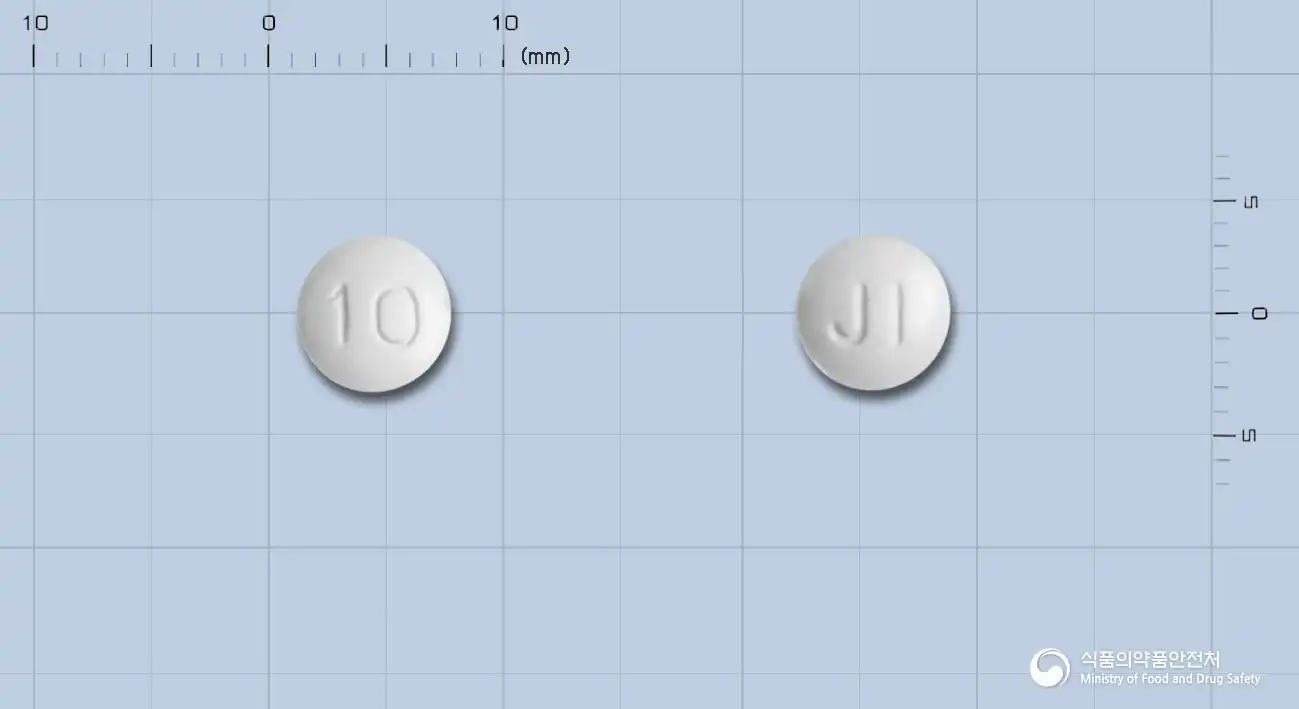
Propiverine Hydrochloride 10mg
Tablet · Prescription medication
Chaeil Pharmaceutical Co., Ltd.

Propiverine Hydrochloride 20mg
Tablet · Prescription medication
Jeil Pharmaceutical Co., Ltd.

Propiverine Hydrochloride 20mg
Tablet · Prescription medication
Shinpoong Pharmaceutical Co., Ltd.

Propiverine Hydrochloride 20mg
Tablet · Prescription medication
Dongguk Pharmaceutical Co., Ltd.
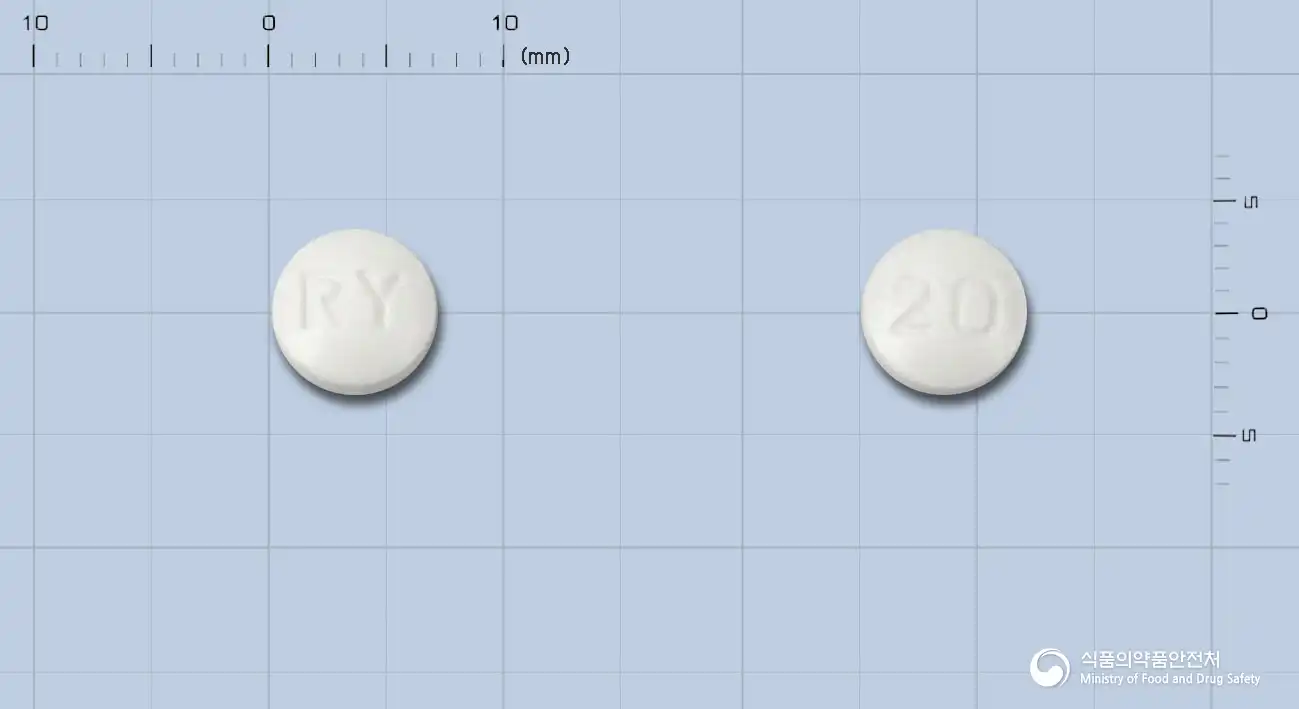
Propiverine Hydrochloride 20mg
Tablet · Prescription medication
Iyeon Pharmaceutical Co., Ltd.
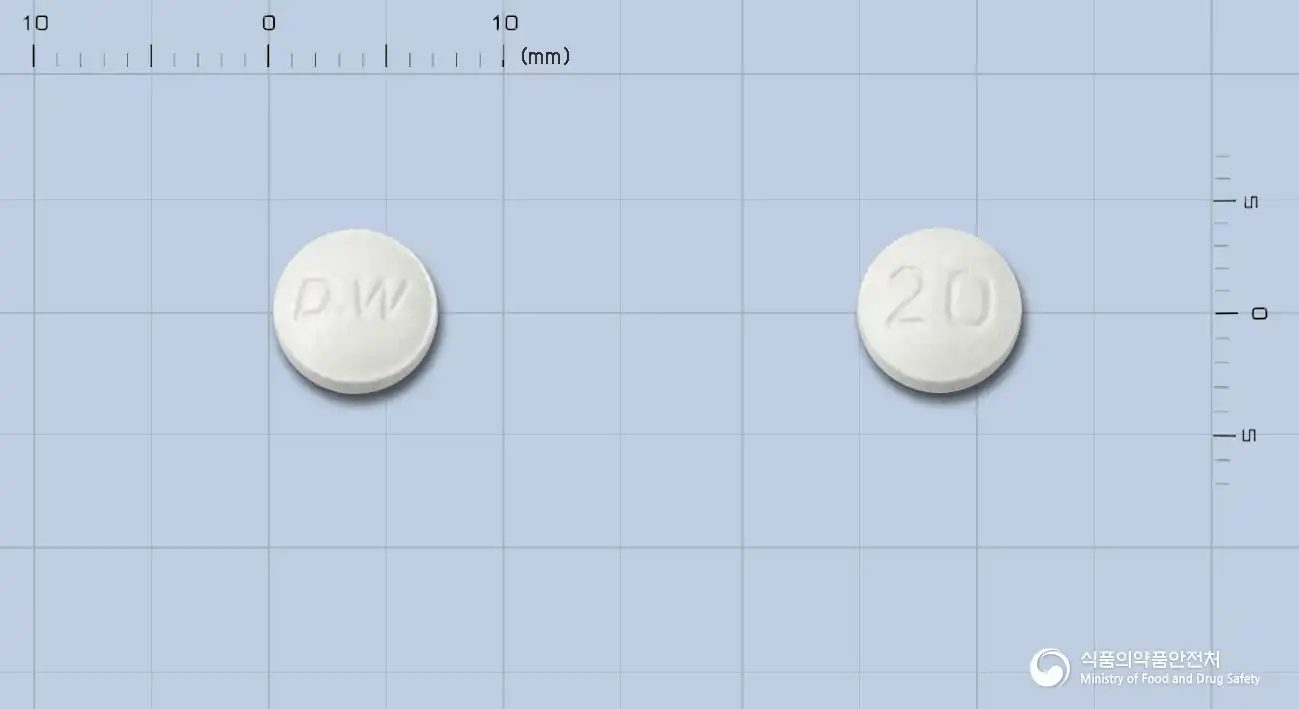
Propiverine Hydrochloride 20mg
Tablet · Prescription medication
Daewoong Pharmaceutical Co., Ltd.
Propiverine Hydrochloride 20mg
Tablet · Prescription medication
Bionex Co., Ltd.
Even with the same ingredient, the dose and directions can differ by strength and dosage form. Talk to a doctor or pharmacist before switching from a medication you are already taking.
No questions yet.
For anything that needs medical judgment, consult a doctor or pharmacist.
This drug information is based on data provided by the Korea Ministry of Food and Drug Safety.
Consult a doctor or pharmacist for accurate dosage, administration, and usage instructions.