
 한국어
한국어 English
 日本語
日本語 中文(简体)
 Viewing now
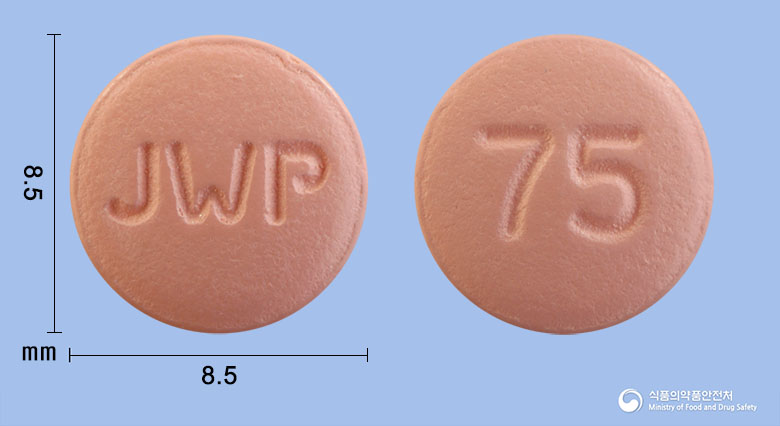
J-Grel Tablets (Clopidogrel Sulfate)
Clopidogrel Bisulfate 97.875mg
Tablet · Prescription medication
JW Pharmaceutical Co., Ltd.
MFDS item code 201803080 · Approved 2018.07.25 · Insurance code 644914580
Improvement of atherosclerotic symptoms such as ischemic stroke and myocardial infarction and reduction of the risk of stroke and thrombosis.
This medication is used to improve symptoms in adult patients with atherosclerotic symptoms such as ischemic stroke, myocardial infarction, and peripheral artery disease. It also helps to reduce the risk of death, myocardial infarction, and stroke caused by cardiovascular anomalies in patients with acute coronary syndrome and alleviates symptoms. For patients with atrial fibrillation where vitamin K antagonists are not appropriate and the risk of bleeding is low, it also reduces the risk of stroke and thrombosis. This medication is very effective in preventing cardiovascular diseases and thrombotic complications and is used for symptom improvement and prevention of disease recurrence.
For patients with ischemic stroke, myocardial infarction, or peripheral artery disease, administer clopidogrel 75 mg orally once daily. For patients with acute coronary syndrome (unstable angina or non-Q wave myocardial infarction), start with a loading dose of 300 mg orally once daily on the first day of treatment, then maintain 75 mg orally once daily. In this case, aspirin 75 – 325 mg should be taken once daily in combination.
This medication prevents the aggregation of platelets in the blood and the formation of blood clots. The effectiveness may be reduced in individuals with genetically decreased function of a specific enzyme (CYP2C19), and alternative treatment options should be considered in such cases. It is advisable not to combine this medication with drugs that increase enzyme activity, as it could increase the risk of bleeding. Patients with allergies to this medication or its components, those with bleeding, severe liver damage, breastfeeding women, and those with lactose intolerance should not take this medication. Patients at risk for bleeding or those scheduled for surgery must consult a physician before taking this medication, and discontinuation is recommended 5 to 7 days prior to surgery. This medication may increase the risk of bleeding when used with other anticoagulant medications, so caution is required. If any bleeding symptoms or adverse reactions occur during use, medical personnel must be informed immediately, and regular blood tests may be necessary. Common side effects include gastrointestinal bleeding, skin rashes, headache, dizziness, abdominal pain, indigestion, diarrhea, nausea, high cholesterol, joint pain, low back pain, ecchymosis/bruising, nasal bleeding, depression, upper respiratory infections, rhinitis, bronchitis, cough, pruritus, urinary tract infections, chest pain, weight loss, weight gain, flushing, weakness, rigidity, facial swelling, syncope, reduced motor function, tremors, speech disorders, Particularly cautious use is required in elderly, underweight, liver disease, and kidney disorder patients, who should take it according to the physician's instructions. Women who are pregnant or breastfeeding should consult a physician before taking this medication and consider discontinuation or alternative treatment if necessary. Exceeding the recommended dose increases the risk of bleeding, so the specified dosage must be adhered to, and if overdose occurs, immediate hospital visit is necessary. This medication should be kept out of reach of children and should not be transferred to another container for safety.
Hives, angioedema, itching, bleeding, severe bleeding (intracranial hemorrhage, gastrointestinal bleeding, retroperitoneal bleeding, ocular hemorrhage, pulmonary hemorrhage, hemoptysis), thrombocytopenia, agranulocytosis, aplastic anemia, thrombotic thrombocytopenic purpura (TTP), severe allergic reactions, anaphylaxis, hemorrhagic stroke, fatal bleeding, liver abnormalities (including jaundice), acute liver failure, acute kidney failure, vasculitis, hypotension, bronchospasm, interstitial pneumonia.
Not everyone experiences these, and they can vary from person to person.
This medication may be sensitive to air and moisture, so it should be stored in a tightly sealed container. It is recommended to maintain a storage temperature between 1 and 30 degrees Celsius. Proper storage helps to preserve the medication's effectiveness over time.
Pink round film-coated tablet
30 tablets/bottle, 100 tablets/bottle
Even with the same ingredient, strength, dosage form and how it is taken can differ.
Viewing nowClopidogrel Bisulfate 97.875mg
Tablet · Prescription medication
JW Pharmaceutical Co., Ltd.
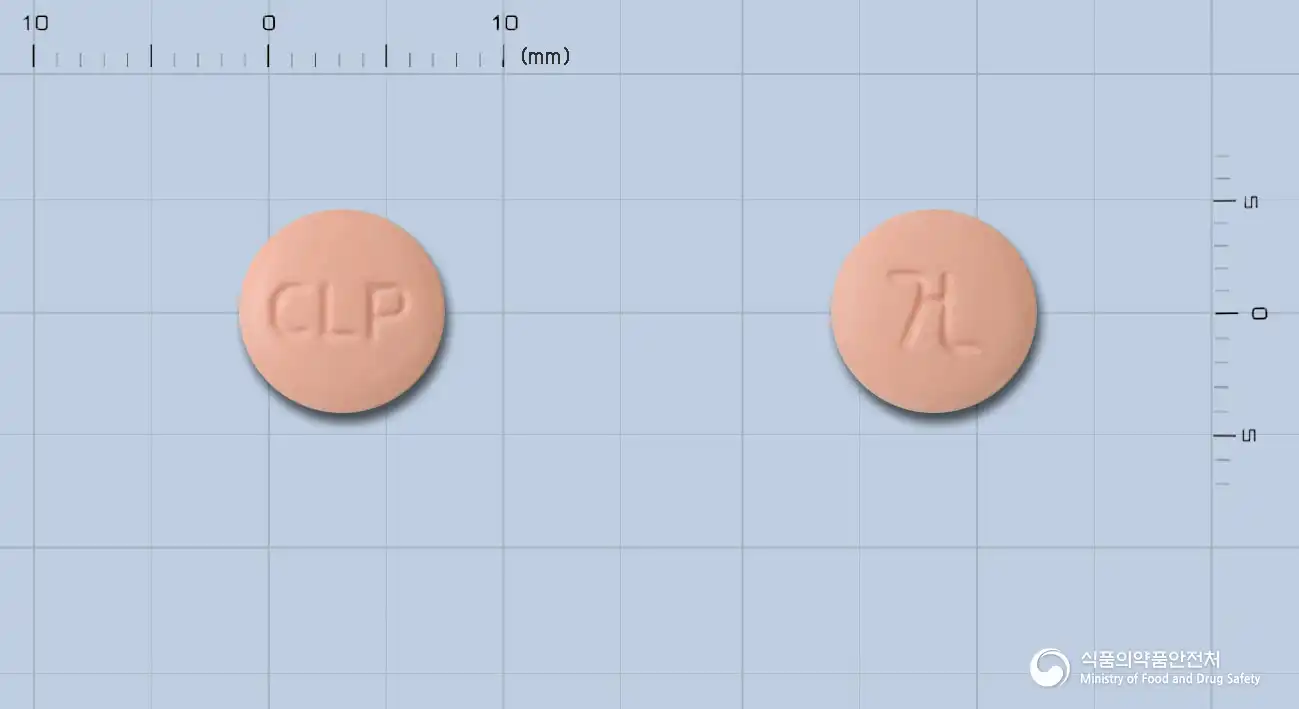
Clopidogrel Bisulfate 97.875mg
Tablet · Prescription medication
Geonil Pharmaceutical Co., Ltd.
Clopidogrel Bisulfate 97.875mg
Tablet · Prescription medication
Sama Pharmaceutical Co., Ltd.
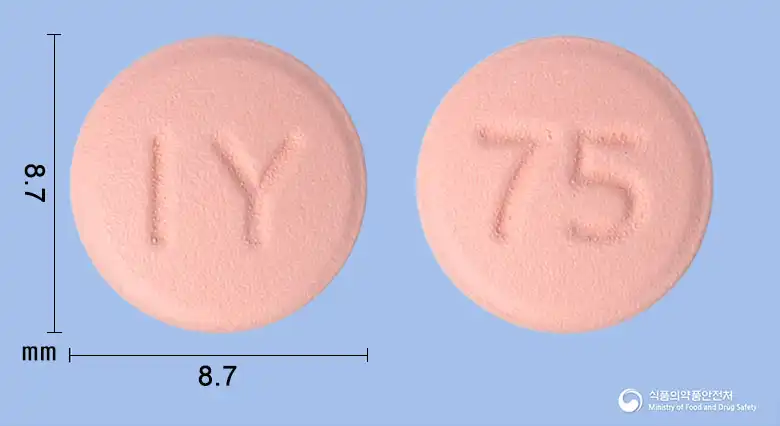
Clopidogrel Bisulfate 97.875mg
Tablet · Prescription medication
Il Yang Pharmaceutical Co., Ltd.
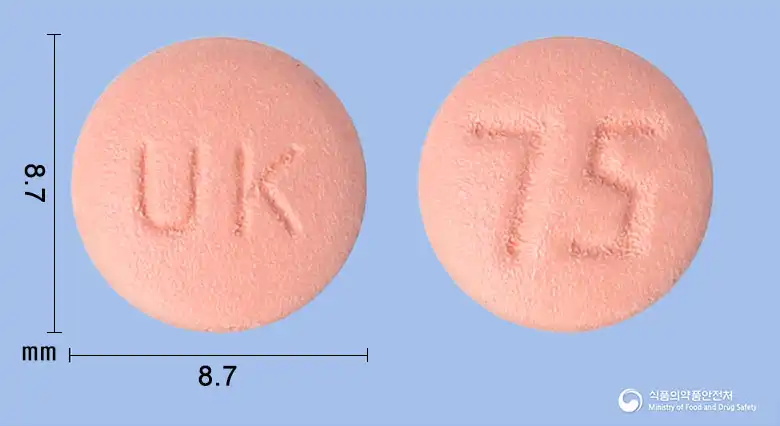
Clopidogrel Bisulfate 97.875mg
Tablet · Prescription medication
Korea Union Pharmaceutical Co., Ltd.
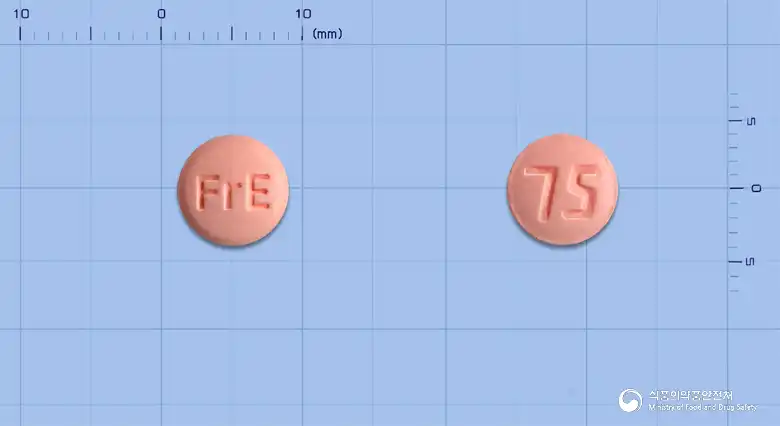
Clopidogrel Bisulfate 97.875mg
Tablet · Prescription medication
(Co., Ltd.) Korea Pharma
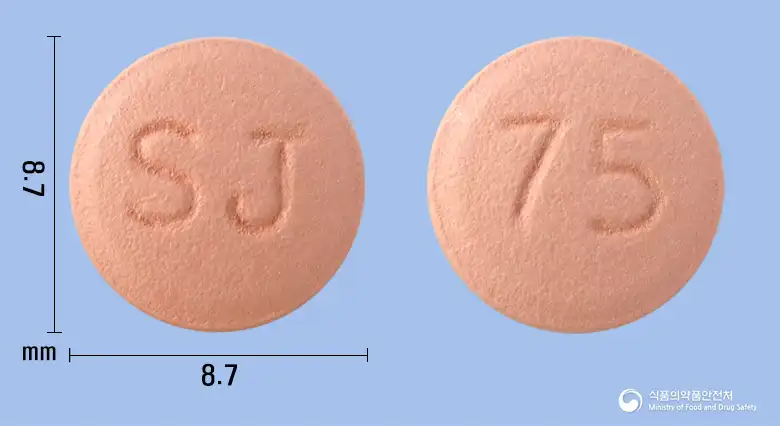
Clopidogrel Bisulfate 97.875mg
Tablet · Prescription medication
Samjin Pharmaceutical Co., Ltd.
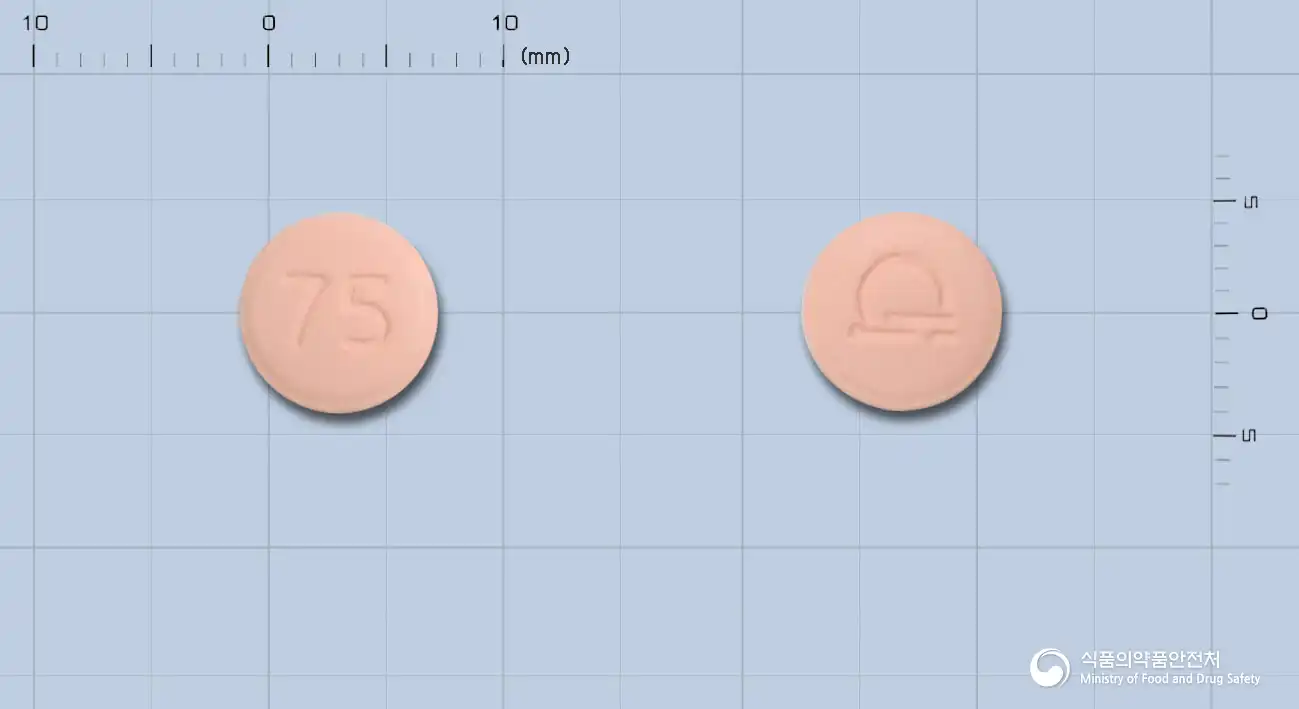
Clopidogrel Bisulfate 97.875mg
Tablet · Prescription medication
Daewon Pharmaceutical Co., Ltd.
Even with the same ingredient, the dose and directions can differ by strength and dosage form. Talk to a doctor or pharmacist before switching from a medication you are already taking.
No questions yet.
For anything that needs medical judgment, consult a doctor or pharmacist.
This drug information is based on data provided by the Korea Ministry of Food and Drug Safety.
Consult a doctor or pharmacist for accurate dosage, administration, and usage instructions.