
 한국어
한국어 English
 日本語
日本語 中文(简体)
 Viewing nowCombination
Piotmin Tablet 15/850 mg
Metformin Hydrochloride 850mg · Pioglitazone Hydrochloride 16.53mg
Tablet · Prescription medication · Combination
Hubist Pharmaceutical Co., Ltd.
MFDS item code 201802894 · Approved 2018.07.11 · Insurance code 628801150
Improvement in blood sugar control for Type 2 diabetes
This medication is used to help control blood sugar levels in patients with Type 2 diabetes. It is designed to manage blood sugar levels effectively by supporting dietary and exercise regimens through the combined use of Pioglitazone and Metformin. This helps improve diabetes management and reduces the risk of complications.
For the treatment of patients with Type 2 diabetes, the dosage should be individualized based on efficacy and tolerability not exceeding Pioglitazone 30 mg and Metformin 2500 mg. The initial dosage should be based on the patient's current treatment regimen, starting with one tablet daily for patients on monotherapy with Metformin or Pioglitazone, adjusting the dosage gradually based on therapeutic response. For patients transitioning from combination therapy, the existing dosing regimen of the medications must be considered.
This medication helps lower blood sugar levels. However, it can rarely cause a serious condition known as lactic acidosis, which can occur when lactate builds up excessively in the body and can be dangerous. The risk of lactic acidosis increases, especially in patients with impaired kidney function, heart or lung problems, dehydration, or infections. Additionally, patients with impaired liver function should avoid using this medication, and excessive alcohol consumption can increase the risk of lactic acidosis, so alcohol should be avoided. This medication should not be used in patients with severely reduced heart function, and if symptoms of heart failure occur, you should consult a doctor immediately. Patients with a history of bladder cancer or current bladder cancer should also avoid using this medication. Women who are pregnant or breastfeeding should not use this medication, and the safety of this medication in pediatric patients has not been established. Elderly patients are likely to have impaired kidney function, so the dosage of this medication should be carefully adjusted, and kidney function should be regularly monitored. During treatment with this medication, regular blood sugar and kidney function tests, liver function tests, and blood tests should be conducted, and if any abnormal symptoms occur, you should inform your doctor immediately. If severe vomiting, diarrhea, dehydration, acute illness, or other issues arise, temporary suspension of this medication should be discussed with healthcare professionals. Furthermore, since there may be interactions with other medications, inform your healthcare provider of all medications you are taking, especially those affecting the kidneys or lowering blood sugar levels. Symptoms of hypoglycemia or lactic acidosis may present, so symptoms should be carefully monitored, and if abnormalities occur, consult your healthcare provider immediately. It is also recommended to maintain regular meals and appropriate exercise during treatment with this medication, and to limit alcohol consumption for safety.
Severe lactic acidosis, hypoglycemia, congestive heart failure, symptoms and signs of heart failure (excessive weight change, difficulty breathing, edema), acute deterioration of kidney function, liver failure, severe renal impairment, acute myocardial infarction, sepsis, liver abnormalities (jaundice), acute myocardial infarction, acute coronary syndrome, acute pulmonary disease, acute renal failure, difficulty breathing, hypotension, resistant bradyarrhythmias, confusion, seizures, visual disturbances, paralysis, severe neurological symptoms, fever
Upper respiratory infections, diarrhea, nausea, headache, urinary tract infections, sinusitis, dizziness, lower limb edema, weight gain, myalgia, dental disorders, worsening diabetes, pharyngitis, anemia, dyspepsia, insomnia, dry mouth, constipation, abdominal bloating, gastroesophageal reflux disease, air swallowing in the gastrointestinal tract, increased serum creatinine, increased blood urea, decreased vision, fractures
Not everyone experiences these, and they can vary from person to person.
This medication should be stored in a tightly closed container to protect it from air and moisture. It is recommended to maintain a storage temperature between 1 to 30 degrees Celsius.
White to grayish-white oblong film-coated tablet
30 tablets (10 tablets/PTP*3)
Even with the same ingredient, strength, dosage form and how it is taken can differ.
Viewing nowCombinationMetformin Hydrochloride 850mg · Pioglitazone Hydrochloride 16.53mg
Tablet · Prescription medication · Combination
Hubist Pharmaceutical Co., Ltd.
Pioglitazone Hydrochloride 16.53mg · Metformin Hydrochloride 850mg
Tablet · Prescription medication · Combination
Celltrion Pharmaceutical Co., Ltd.
 Combination
Metformin Hydrochloride 850mg · Pioglitazone Hydrochloride 16.53mg
Tablet · Prescription medication · Combination
Genewon Science Co., Ltd.
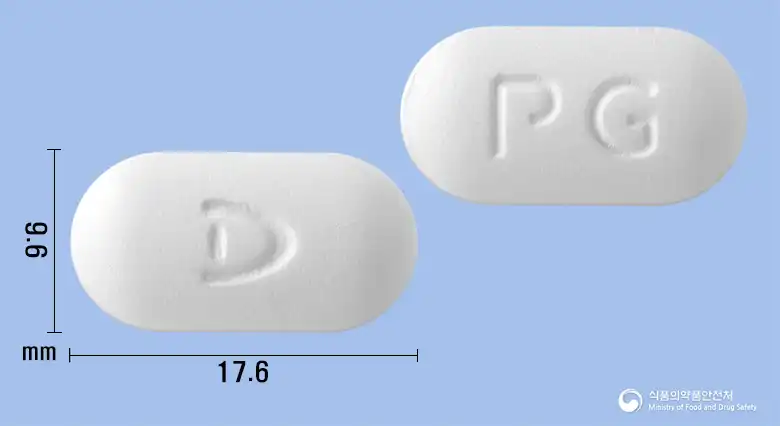 Combination
Metformin Hydrochloride 850mg · Pioglitazone Hydrochloride 16.53mg
Tablet · Prescription medication · Combination
Dalim Biotech Co., Ltd.
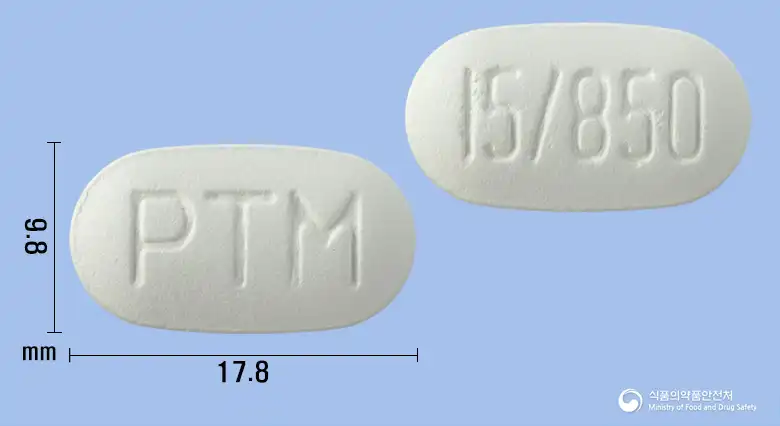 Combination
Pioglitazone Hydrochloride 16.53mg · Metformin Hydrochloride 850mg
Tablet · Prescription medication · Combination
Kyungdong Pharmaceutical Co., Ltd.
Metformin Hydrochloride · Pioglitazone Hydrochloride
Prescription medication · Combination
Nexpam Korea Co., Ltd.
 Combination
Pioglitazone Hydrochloride 16.53mg · Metformin Hydrochloride 850mg
Tablet · Prescription medication · Combination
Korea Prime Pharmaceutical Co., Ltd.
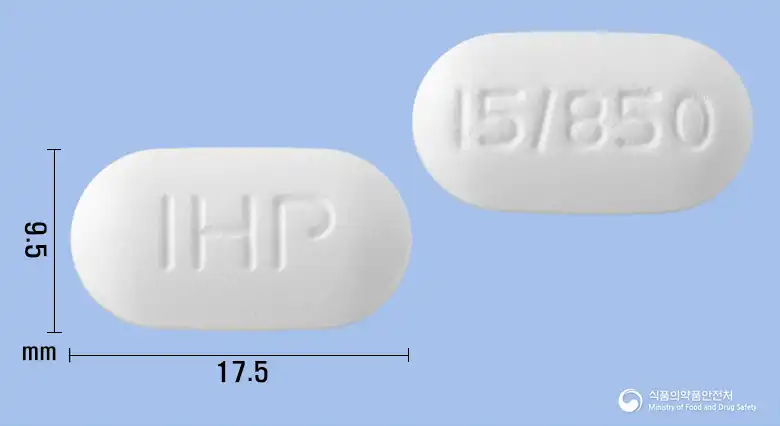 Combination
Metformin Hydrochloride 850mg · Pioglitazone Hydrochloride 16.53mg
Tablet · Prescription medication · Combination
Ilhwa Co., Ltd.
Even with the same ingredient, the dose and directions can differ by strength and dosage form. Talk to a doctor or pharmacist before switching from a medication you are already taking.
No questions yet.
For anything that needs medical judgment, consult a doctor or pharmacist.
This drug information is based on data provided by the Korea Ministry of Food and Drug Safety.
Consult a doctor or pharmacist for accurate dosage, administration, and usage instructions.