
 한국어
 English
 日本語
 中文(简体)
Dosage form image
Viewing nowStofrazole Tablets 20mg (S-Pantoprazole Sodium Trihydrate)
S-Pantoprazole Sodium Trihydrate
Prescription medication
Joah Pharmaceutical Co., Ltd.
MFDS item code 201802762 · Approved 2018.07.02
This product's status changed to Expired on 2023.07.02. It may no longer be sold, so consult a doctor or pharmacist before taking it.
Treatment of moderate to severe reflux esophagitis and peptic ulcers (gastric and duodenal)
This medication is used for gastrointestinal diseases such as duodenal ulcers, gastric ulcers, and moderate to severe gastroesophageal reflux disease.
1. Gastric ulcer and moderate-to-severe reflux esophagitis Usually, adults take 1 tablet (equivalent to esomeprazole 20mg) once daily in the morning before breakfast with water, without chewing or crushing. Healing can usually be achieved within 4 weeks, although the healing period may vary in some patients. If healing is incomplete after the first 4 weeks of treatment, continue treatment for an additional 4 weeks. If there has been no response to other treatments, the dose may be doubled (to esomeprazole 40 mg daily). 2. Duodenal ulcer Usually, adults take 1 tablet (equivalent to esomeprazole 20 mg) once daily in the morning before breakfast with water, without chewing or crushing. Healing can usually be achieved within 2 weeks, although the healing period may vary in some patients. If healing is incomplete after the first 2 weeks of treatment, continue treatment for an additional 2 weeks. If there has been no response to other treatments, the dose may be doubled (to esomeprazole 40 mg daily). Older adults or patients with renal impairment should not exceed esomeprazole 20mg daily. Patients with severe hepatic impairment should reduce the dose and take 1 tablet (equivalent to esomeprazole 20mg) once every other day.
This medication should not be administered to patients with certain liver or kidney function impairments as its safety and efficacy have not been adequately confirmed. Individuals with allergies or a history of hypersensitivity reactions to this medication or any of its components should not use it, as there is a risk of severe allergic reactions. This medication should not be used in conjunction with certain other medications; particularly, patients taking atazanavir or rilpivirine should not use it concurrently. It is advisable for women in early pregnancy or those who may become pregnant, as well as breastfeeding women, not to use this medication. This medication contains the pigment Yellow No. 5, and caution should be taken if there is an allergy or hypersensitivity to this component. If using this medication for an extended period, regular monitoring of liver function and magnesium levels is necessary. Since this medication may lower gastric acidity, there may be a slightly increased risk of gastrointestinal bacterial infections; therefore, if diarrhea persists, medical consultation is essential. Symptoms such as dizziness or visual disturbances may occur, so caution should be exercised when driving or operating machinery. This medication is indicated only for certain gastrointestinal diseases like gastric ulcers or gastroesophageal reflux disease and is not recommended for mild stomach or intestinal pain. Prolonged use at high doses may increase the risk of fractures, so it should be administered at the minimum dose and duration necessary. It is generally considered safe to avoid administering this medication during pregnancy, particularly in the first three months, and it is also not recommended for breastfeeding. The safety and efficacy in children have not been established, so it is preferable not to use it in pediatric patients. When taking this medication, it should be swallowed whole without chewing or breaking, and kept out of reach of children.
Anaphylaxis, anaphylactic shock, angioedema, bronchospasm, acute interstitial nephritis, urticaria, constipation, diarrhea, gastritis, gastric polyp, hiatal hernia, loose stools, chest pain, dyspepsia, nausea, vomiting, abdominal distension, enteritis, edema, fatigue, fever, sweating, hypertension, tachycardia, eustachian tube dysfunction, dry eyes, vision disorders, cold, elevated liver enzymes, insomnia, dizziness, neuropathy, drowsiness, lumbago, limb pain, headache, stomachache, furuncle, itching, rash, nosebleed, elevated creatine phosphokinase, elevated liver enzymes (AST), decreased appetite, stomatitis, nasal congestion, runny nose, sore throat, upper respiratory infection, neutropenia, skin laceration, abdominal pain, numbness, increased sputum, bladder residual urine, amputation, upper abdominal pain, bloating, nausea, dry mouth, asthenia, lethargy, elevated body temperature, fever, elevated bilirubin, liver failure, jaundice, anaphylactic shock, arthralgia, myalgia, rhabdomyolysis, bone fracture, headache, dizziness, dysgeusia, sleep disturbances, depression, hallucinations, confusion, disorientation, interstitial nephritis, pruritus, skin erythema, urticaria, angioedema, mucous membrane syndrome, erythema multiforme, toxic epidermal necrolysis, photosensitivity, hyperglycemia, agranulocytosis, leukopenia, thrombocytopenia, panleukopenia, gynecomastia, hyperlipidemia, elevated lipids, weight changes, hyponatremia, hypomagnesemia, elevated CK, anxiety, bronchitis, increased cough, dyspnea, flu-like symptoms, gastroenteritis, gastrointestinal disturbances, tension headaches, infections, migraines, cervical pain, pain, pharyngitis, rectal disturbances, rhinitis, elevated AST, sinusitis, upper respiratory infection, frequency of urination, urinary tract infection, furuncle, allergic reaction, chills, abscess, facial swelling, generalized edema, heat sensation, hernia, abnormal clinical laboratory tests, malaise, moniliasis, tumor, nonspecific drug reactions, ECG abnormalities, angina, arrhythmia, atrial fibrillation, coronary artery disease, congestive heart failure, bleeding, hypotension, myocardial infarction, myocardial ischemia, palpitations, retinal vascular disease, syncope, phlebitis, thrombosis, vasodilation, decreased appetite, aphthous stomatitis, colitis, duodenitis, swallowing difficulties, esophageal hemorrhage, esophagitis, gastric-duodenal tumor, gastric-duodenal hemorrhage, gastric-duodenal moniliasis, gingivitis, halitosis, hematemesis, increased appetite, melena, oral ulcer, oral moniliasis, periodontal abscess, periodontitis, rectal bleeding, gastric ulcer, bowel abnormalities, tongue discoloration, ulcerative colitis, diabetes, goiter, cholecystalgia, hyperbilirubinemia, cholecystitis, cholelithiasis, hepatitis, elevated ALP, anemia, petechial hemorrhage, eosinophilia, iron deficiency anemia, leukocytosis, thrombocytopenia, dehydration, gout, thirst, weight gain, weight loss, arthritis, bone disease, joint disease, leg cramps, bursitis, tendinitis, abnormal dream, confusion, seizures, dry mouth, dysarthria, hyperactivity, decreased libido, anxiety, neuralgia, neuritis, neurological disorder, dysesthesia, reduced reflex action, altered perception, tremors, asthma, hiccups, laryngitis, respiratory disorders, pneumonia, voice changes, acne, alopecia, contact dermatitis, eczema, fungal dermatitis, bleeding, herpes simplex, shingles, lichenoid dermatitis, papular rash, skin disorders, skin ulcers, sweating, amblyopia, cataracts, hearing loss, diplopia, otalgia, paralysis, glaucoma, otitis externa, dysgeusia, tinnitus, albuminuria, balanitis, breast pain, cystitis, menstrual irregularities, dysuria, epididymitis, hematuria, erectile dysfunction, nephrolithiasis, renal pain, nocturia, prostatism, pyelonephritis, scrotal swelling, urethral pain, urological disorders, vaginitis, Clostridium difficile-associated diarrhea, hypomagnesemia, DRESS syndrome, systemic lupus erythematosus, cutaneous lupus erythematosus, gastric mucosal polyps
Not everyone experiences these, and they can vary from person to person.
This medication is sensitive to light and should be stored in a container that protects it from light. It is also best stored at room temperature between 1 and 30 degrees Celsius. Proper storage will maintain the effectiveness and safety of the medication.
Yellow oval enteric-coated tablet
28 tablets/bottle
Even with the same ingredient, strength, dosage form and how it is taken can differ.
S-Pantoprazole Sodium Trihydrate
Prescription medication
Joah Pharmaceutical Co., Ltd.
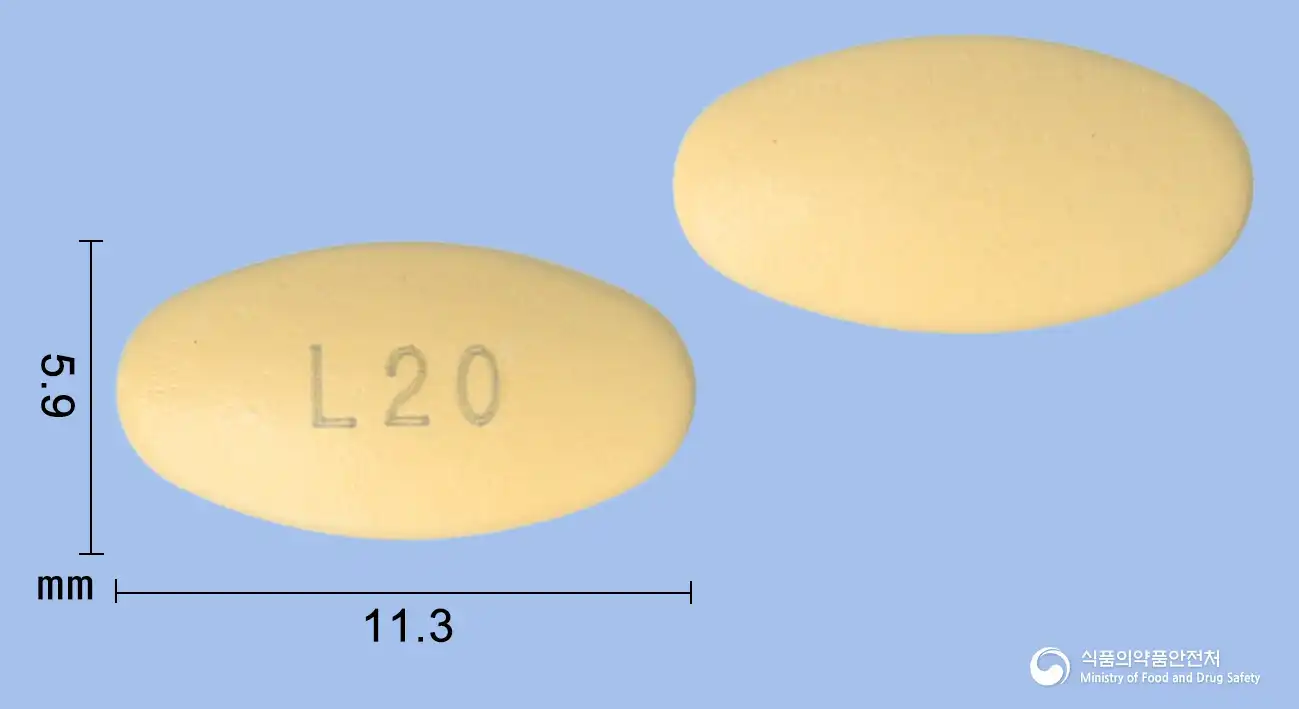
S-Pantoprazole Sodium Trihydrate 23.96mg
Tablet · Prescription medication
Anguk Pharmaceutical Co., Ltd.
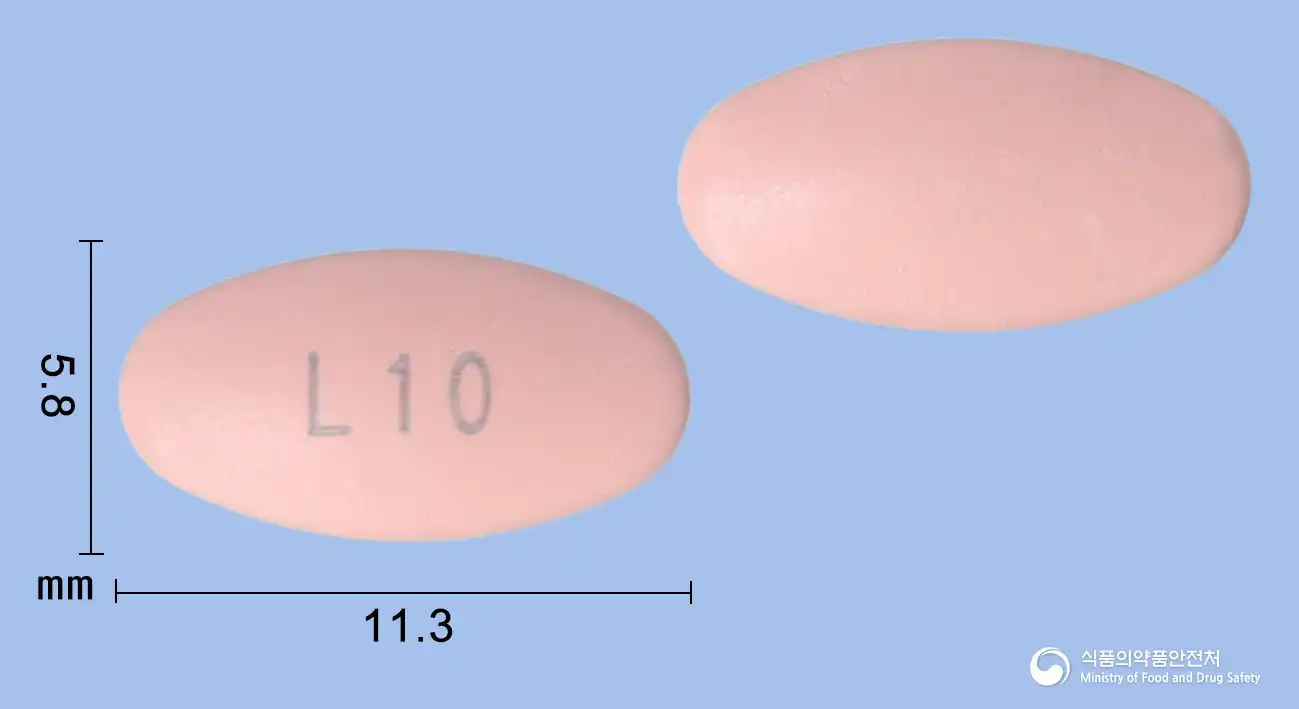
S-Pantoprazole Sodium Trihydrate 11.98mg
Tablet · Prescription medication
Anguk Pharmaceutical Co., Ltd.
S-Pantoprazole Sodium Trihydrate
Prescription medication
Sama Pharmaceutical Co., Ltd.
S-Pantoprazole Sodium Trihydrate
Prescription medication
Sama Pharmaceutical Co., Ltd.
S-Pantoprazole Sodium Trihydrate
Prescription medication
CMG Pharmaceutical Co., Ltd.
S-Pantoprazole Sodium Trihydrate
Prescription medication
Hawon Pharmaceutical Co., Ltd.
S-Pantoprazole Sodium Trihydrate
Prescription medication
Daehan New Pharm Co., Ltd.
Even with the same ingredient, the dose and directions can differ by strength and dosage form. Talk to a doctor or pharmacist before switching from a medication you are already taking.
No questions yet.
For anything that needs medical judgment, consult a doctor or pharmacist.
This drug information is based on data provided by the Korea Ministry of Food and Drug Safety.
Consult a doctor or pharmacist for accurate dosage, administration, and usage instructions.