
 한국어
 English
 日本語
 中文(简体)
 Viewing now
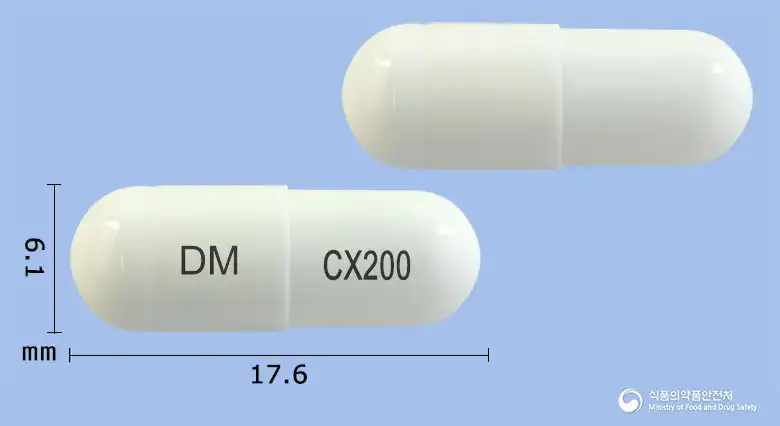
Celecoxib Capsule 200 mg (Celecoxib)
Celecoxib 200mg
Hard capsule · Prescription medication
Dasan Pharmaceutical Co., Ltd.
MFDS item code 201802747 · Approved 2018.06.29 · Insurance code 678601080
Relief of joint and spinal inflammation (including osteoarthritis and rheumatoid arthritis), acute pain, and menstrual pain
This medication helps alleviate the symptoms and signs of arthritis-related conditions such as osteoarthritis, rheumatoid arthritis, and ankylosing spondylitis. It also effectively relieves acute pain that occurs after surgery or tooth extraction, and is used for primary dysmenorrhea symptoms in adults. It is utilized to reduce various pains and inflammation, thereby improving the discomfort of patients.
The minimum recommended dose of this medicine should be adjusted according to the patient, and it may be administered with or without food. ○ Adults 1. Osteoarthritis (degenerative arthritis) : Take celecoxib 200 mg once daily, or 100 mg twice daily in divided doses. 2. Rheumatoid arthritis : Take celecoxib 100 mg or 200 mg twice daily. 3. Ankylosing spondylitis (AS) : Administer celecoxib 200 mg once daily, or 100 mg twice daily in divided doses. If no effect is observed after 6 weeks, the dose may be increased to 400 mg daily. If no effect is observed after 6 weeks of treatment at 400 mg daily, other treatment options should be considered. 4. Acute pain and primary dysmenorrhea : The recommended initial dose is celecoxib 400 mg, with an additional 200 mg on the first day of treatment if needed. From the second day of treatment, the recommended dose, if needed, is 200 mg twice daily. ○ Patients with hepatic impairment : For patients with moderate hepatic impairment (Child-Pugh Class II), the dose should be reduced to approximately 50% of the recommended daily dose.
This medication should be discussed with a doctor or pharmacist before use by those who consume a large amount of alcohol daily. This medication may increase the risk of cardiovascular issues such as heart attack or stroke, so it should be used at the minimum effective dose for the shortest duration possible. It may cause gastrointestinal problems such as bleeding or ulcers, so those with a history of gastrointestinal disorders should exercise caution. Individuals who have allergic reactions or hypersensitivity to specific medications should not take this drug. Patients with severely impaired liver or kidney function, those with heart diseases, and pregnant or breastfeeding women should avoid using this medication. This drug should be administered cautiously in patients with a history of hypertension, heart failure, asthma, or diabetes. While on this medication, regular check-ups for blood pressure, liver function, and kidney function should be done, and if any unusual symptoms occur, consult a doctor immediately. This medication may interact with several drugs, so inform your doctor if you are taking any other medications. Women planning to get pregnant should be cautious as this medication may affect reproductive functions. Dizziness or drowsiness may occur while on this medication, so it is advisable to avoid driving or operating machinery. The safety and efficacy of this drug in children or adolescents have not been established. Elderly patients may have reduced kidney and liver function, so heightened caution is required when prescribing this medication. In case of overdose, symptoms may include nausea, vomiting, drowsiness, etc., and prompt medical attention is necessary. This medication should be kept out of reach of children and should not be transferred to other containers.
Gastrointestinal bleeding, cardiovascular thrombotic reactions, myocardial infarction, stroke, perforation of the upper and lower gastrointestinal tract, ulcers, bleeding, bronchitis, sinusitis, upper respiratory tract infections, urinary tract infections, pharyngitis, rhinitis, anemia, thrombocytopenia, hypersensitivity, insomnia, anxiety, confusion, dizziness, muscle tension, drowsiness, blurred vision, tinnitus, palpitations, congestive heart failure, arrhythmia, tachycardia, hypertension, flushing, cough, vomiting, abdominal pain, diarrhea, indigestion, bloating, gastric ulcer, dental disease, duodenal ulcer, esophageal ulcer, bowel perforation, pancreatitis, elevated liver enzymes, itching, rash, urticaria, petechiae, angioedema, alopecia, blistering dermatitis, peripheral edema, facial swelling, influenza-like illness, damage, taste disturbance, albuminuria, cystitis, hematuria, dysuria, polyuria, nephrolithiasis, urinary incontinence, urinary tract infection, blurred vision, cataracts, conjunctivitis, eye pain, glaucoma, ocular hemorrhage, retinal artery or vein occlusion, increased serum creatinine, increased β2-microglobulin, increased NAG, positive urine hematuria, positive urine protein, renal dysfunction, acute renal failure, interstitial nephritis, increased serum sodium, increased serum potassium, elevated BUN, elevated CPK, diabetes, hypercholesterolemia, hyperglycemia, hypokalemia, hyperkalemia, increased NPN, increased creatinine, increased alkaline phosphatase, weight gain, loss of appetite, elevated LDH, hypoglycemia, hyponatremia, bursitis, arthralgia, arthritis, skeletal abnormalities, myalgia, cervical tension, synovitis, tendinitis, myositis, leg cramps, fractures, tendon rupture, pain in various regions, muscle rigidity, decreased hematocrit, increased hemoglobin, petechiae, nosebleeds, thrombocytopenic purpura, agranulocytosis, aplastic anemia, pancytopenia, leukopenia, eosinophilic inflammation, contact dermatitis, injection site reactions, skin nodules, headache, leg cramps, sensory disturbances, migraines, neuralgia, neuropathy, sensory abnormalities, cerebral infarction, aseptic meningitis, ataxia, suicidal ideation, loss of smell, loss of taste, exacerbation of allergies, allergic reactions, weakness, chest pain, fluid retention, generalized edema, facial swelling, fatigue, malaise, fever, facial flushing, influenza-like syndrome, pain, peripheral pain, sepsis, sudden death, anaphylaxis-like reactions, angioedema, insomnia, loss of appetite, increased appetite, depression, neuroexcitability, drowsiness, fatal intracranial hemorrhage, hallucinations, exacerbation of epilepsy, upper respiratory tract infection, bronchospasm, exacerbation of bronchospasm, dyspnea, laryngitis, pneumonia, nosebleeds, voice disorders, vesicular dermatitis, eczema, nail disorders, photosensitivity reactions, pruritus, erythematous rashes, maculopapular eruptions, skin disorders, dry skin, increased sweating, erythema multiforme, exfoliative dermatitis, skin and mucous membrane syndrome, Stevens-Johnson syndrome, toxic epidermal necrolysis, eczema, lipoma, drug rash, vasculitis, pulmonary embolism, interstitial pneumonia, hepatitis, liver failure, fulminant hepatitis, liver necrosis, cholestasis, cholestatic hepatitis, jaundice, acute renal failure, tubular-interstitial nephritis, nephrotic syndrome, minimal change disease.
Not everyone experiences these, and they can vary from person to person.
This medication may be sensitive to air or moisture, so it should be stored in a tightly sealed container. Additionally, it is recommended to store it at room temperature between 15°C and 30°C, away from extremes of heat or cold.
White opaque hard capsule containing white to slightly yellowish powder
30 capsules/bottle, 100 capsules/bottle
Even with the same ingredient, strength, dosage form and how it is taken can differ.
Viewing nowCelecoxib 200mg
Hard capsule · Prescription medication
Dasan Pharmaceutical Co., Ltd.

Celecoxib 200mg
Hard capsule · Prescription medication
Viatris Korea Co., Ltd.
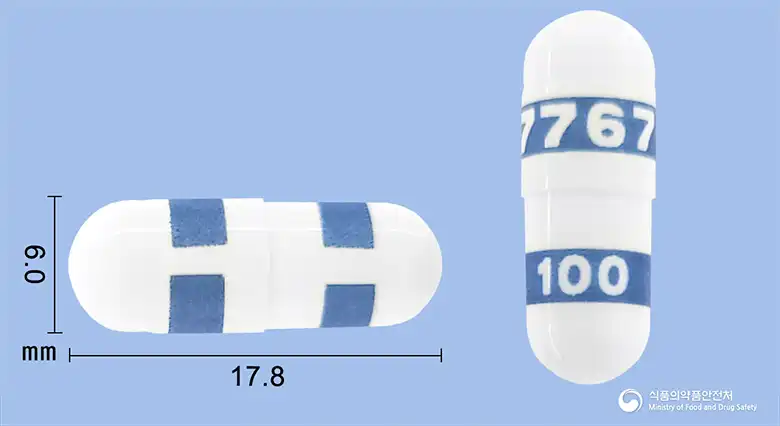
Celecoxib 100mg
Hard capsule · Prescription medication
Viatris Korea Co., Ltd.
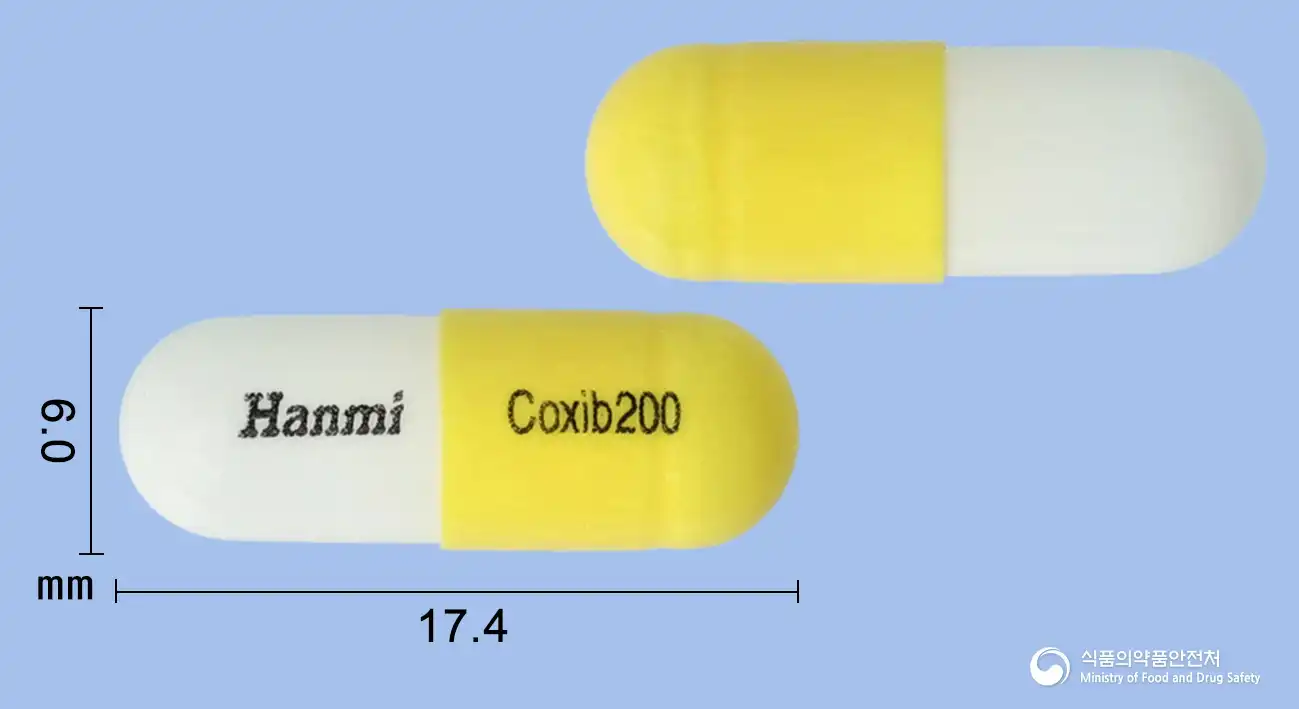
Celecoxib 200mg
Hard capsule · Prescription medication
Hanmi Pharmaceutical Co., Ltd.

Celecoxib 200mg
Hard capsule · Prescription medication
Jonggu C(A) Co., Ltd.

Celecoxib 200mg
Hard capsule · Prescription medication
Samjin Pharmaceutical Co., Ltd.
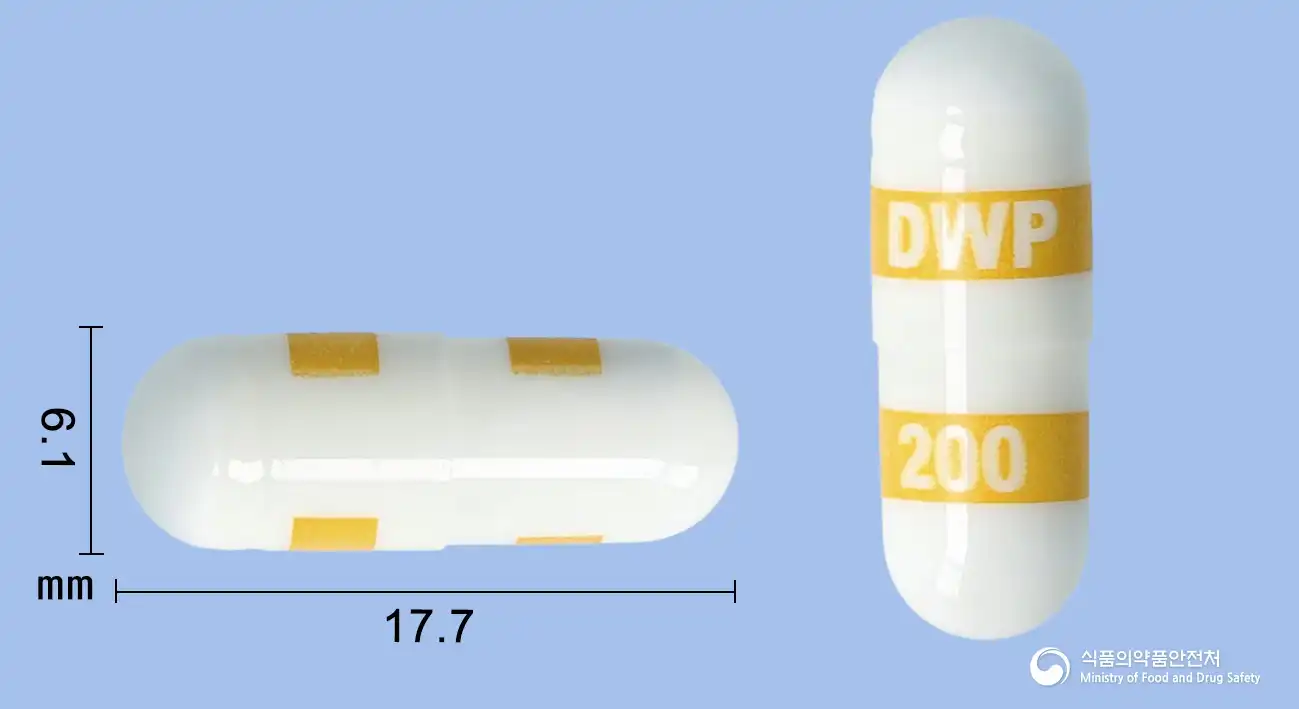
Celecoxib 200mg
Hard capsule · Prescription medication
Daewon Pharmaceutical Co., Ltd.
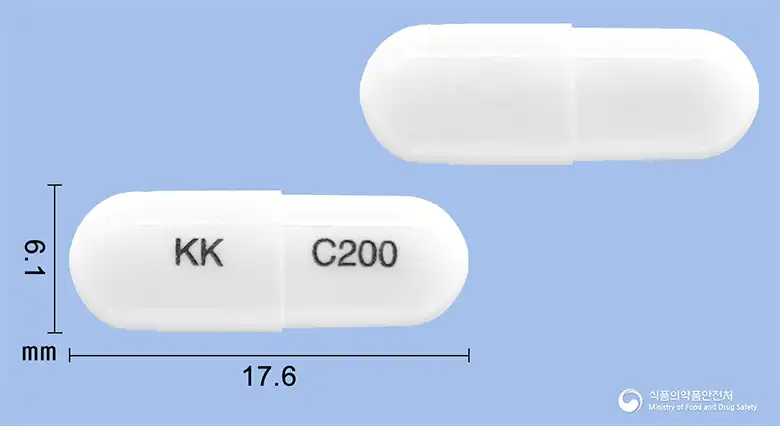
Celecoxib 200mg
Hard capsule · Prescription medication
Genewon Science Co., Ltd.
Even with the same ingredient, the dose and directions can differ by strength and dosage form. Talk to a doctor or pharmacist before switching from a medication you are already taking.
No questions yet.
For anything that needs medical judgment, consult a doctor or pharmacist.
This drug information is based on data provided by the Korea Ministry of Food and Drug Safety.
Consult a doctor or pharmacist for accurate dosage, administration, and usage instructions.