
 한국어
한국어 English
 日本語
日本語 中文(简体)
 Viewing nowCombination
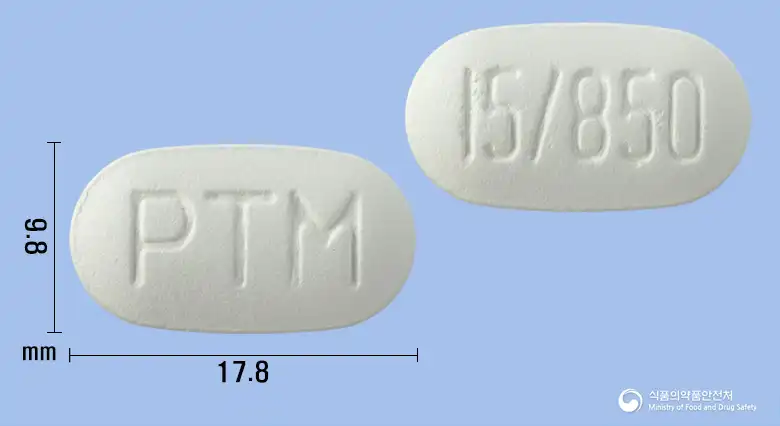
Actopin Met Tablet 15/850 mg
Metformin Hydrochloride 850mg · Pioglitazone Hydrochloride 16.53mg
Tablet · Prescription medication · Combination
Youngpoong Pharmaceutical Co., Ltd.
MFDS item code 201802737 · Approved 2018.06.29 · Insurance code 661905120
Improvement of blood sugar control in type 2 diabetes
This medication is used for helping patients with type 2 diabetes control their blood sugar when combined with diet and exercise. The combination of pioglitazone and metformin contributes to more effective management of blood sugar levels, thereby alleviating symptoms of diabetes.
For the treatment of type 2 diabetes, the dosage of this medication must be individualized based on the efficacy and tolerability within the maximum dosages of pioglitazone 30 mg and metformin 2500 mg. The initial dose should be based on the patient's current treatment regimen, starting with 1 tablet daily and gradually adjusting the dose according to the therapeutic response. This medication should generally be taken with meals to reduce gastrointestinal side effects associated with metformin.
This medication may cause severe lactic acidosis and hypoglycemia, so caution is essential. Lactic acidosis is a rare but potentially fatal condition, with a higher risk in patients with poor kidney function or in those with heart and lung diseases. If dehydration, hypoxia, or signs of sepsis occur during treatment, use of this medication should be discontinued immediately. Patients with impaired liver function should avoid this medication, and alcohol intake should also be avoided. In patients with heart failure, this medication may exacerbate symptoms, so special care is needed if heart failure is present. Patients with severe heart failure, significantly reduced kidney function, or active bladder cancer should not use this medication. Pregnant or breastfeeding women should also avoid this medication. While this medication helps control blood sugar, there may be interactions when taken with other medications, so patients should discuss current medications with their doctor. Elderly patients may have diminished kidney function, necessitating dosage adjustments and regular kidney function tests. Patients should undergo regular blood sugar and blood tests, as well as kidney and liver function tests during treatment, and should inform healthcare providers of any abnormal symptoms. In case of overdose, seek medical attention immediately for appropriate treatment, and if necessary, the drug can be removed through hemodialysis.
Severe lactic acidosis, hypoglycemia, heart failure, congestive heart failure, acute renal function deterioration, liver failure, jaundice, liver dysfunction, severe edema, hypertension, acute myocardial infarction, sepsis, severe allergic reactions, bladder cancer, serious neurological symptoms, hypoxia, respiratory distress, asthma attacks, severe skin reaction, acute crisis state, symptoms of lactic acidosis (malaise, myalgia, dyspnea, weakness, abdominal pain, hypothermia, hypotension).
Upper respiratory tract infection, diarrhea, nausea, headache, urinary tract infection, sinusitis, dizziness, lower limb edema, weight gain, myalgia, dental disorders, worsening diabetes, pharyngitis, anemia, dyspepsia, insomnia, dry mouth, constipation, abdominal distension, gastroesophageal reflux disease, intraluminal gas in the gastrointestinal tract, increased serum creatinine, elevated blood urea nitrogen.
Not everyone experiences these, and they can vary from person to person.
This medication may be sensitive to air and moisture, so it must be stored in a tightly sealed container. The recommended storage temperature is between 1 to 30 degrees Celsius at room temperature to safely maintain the medication's efficacy.
White to grayish-white oblong film-coated tablet
30 tablets (10 tablets/PTP × 3)
Even with the same ingredient, strength, dosage form and how it is taken can differ.
Viewing nowCombinationMetformin Hydrochloride 850mg · Pioglitazone Hydrochloride 16.53mg
Tablet · Prescription medication · Combination
Youngpoong Pharmaceutical Co., Ltd.
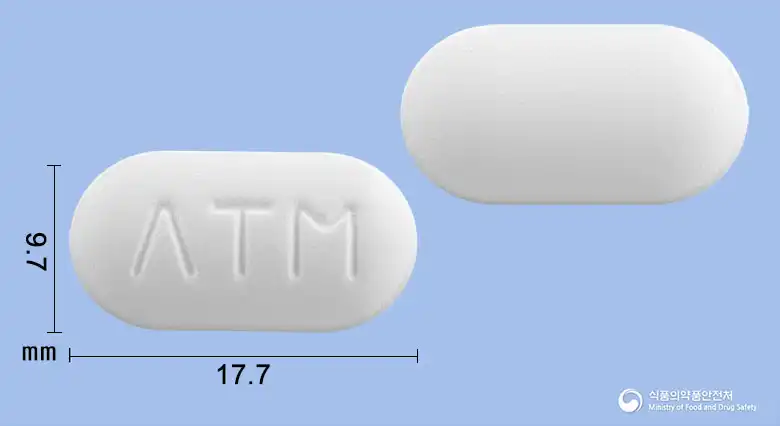
Pioglitazone Hydrochloride 16.53mg · Metformin Hydrochloride 850mg
Tablet · Prescription medication · Combination
Celltrion Pharmaceutical Co., Ltd.
 Combination
Metformin Hydrochloride 850mg · Pioglitazone Hydrochloride 16.53mg
Tablet · Prescription medication · Combination
Genewon Science Co., Ltd.
 Combination
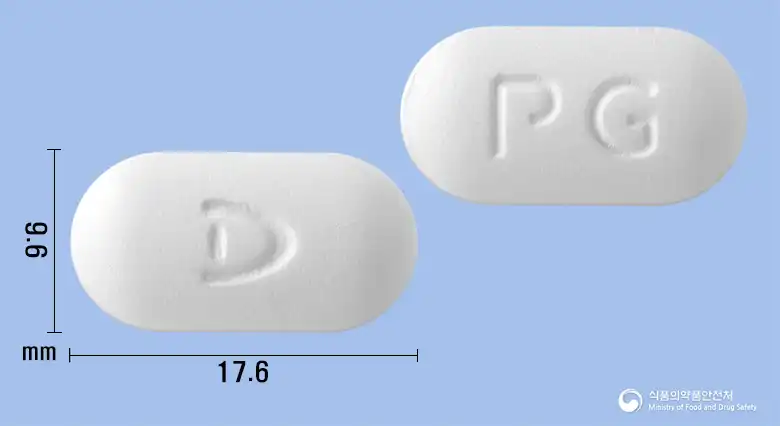
Metformin Hydrochloride 850mg · Pioglitazone Hydrochloride 16.53mg
Tablet · Prescription medication · Combination
Dalim Biotech Co., Ltd.
 Combination
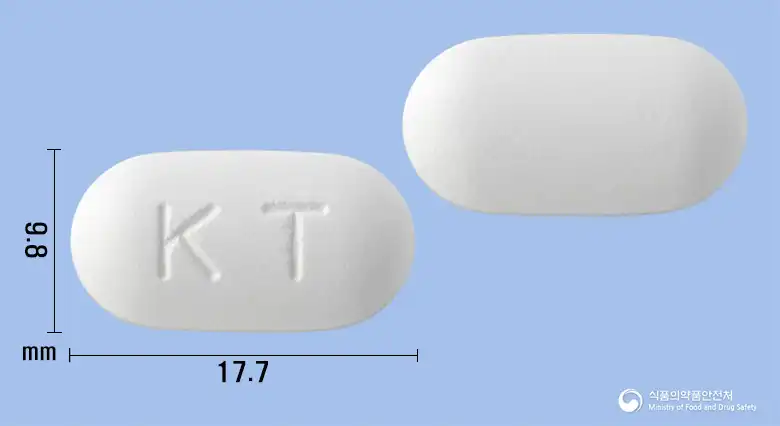
Pioglitazone Hydrochloride 16.53mg · Metformin Hydrochloride 850mg
Tablet · Prescription medication · Combination
Kyungdong Pharmaceutical Co., Ltd.
Metformin Hydrochloride · Pioglitazone Hydrochloride
Prescription medication · Combination
Nexpam Korea Co., Ltd.
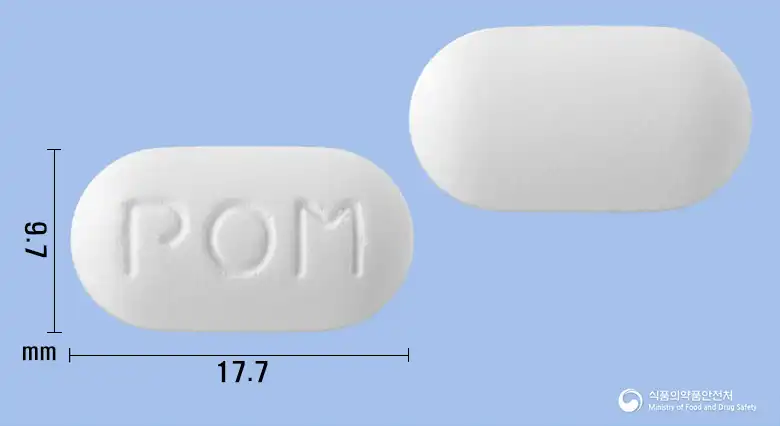 Combination
Pioglitazone Hydrochloride 16.53mg · Metformin Hydrochloride 850mg
Tablet · Prescription medication · Combination
Korea Prime Pharmaceutical Co., Ltd.
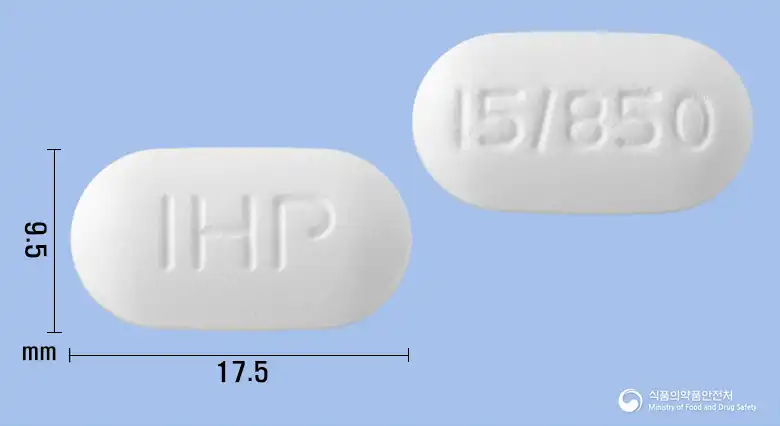 Combination
Metformin Hydrochloride 850mg · Pioglitazone Hydrochloride 16.53mg
Tablet · Prescription medication · Combination
Ilhwa Co., Ltd.
Even with the same ingredient, the dose and directions can differ by strength and dosage form. Talk to a doctor or pharmacist before switching from a medication you are already taking.
No questions yet.
For anything that needs medical judgment, consult a doctor or pharmacist.
This drug information is based on data provided by the Korea Ministry of Food and Drug Safety.
Consult a doctor or pharmacist for accurate dosage, administration, and usage instructions.