
 한국어
 English
 日本語
 中文(简体)
Dosage form image
Viewing nowPantorex Tablets (S-Pantoprazole Sodium Trihydrate)
S-Pantoprazole Sodium Trihydrate
Prescription medication
Hawon Pharmaceutical Co., Ltd.
MFDS item code 201802731 · Approved 2018.06.29
This product's status changed to Expired on 2023.06.29. It may no longer be sold, so consult a doctor or pharmacist before taking it.
Treatment of non-erosive gastroesophageal reflux disease; prevention of recurrence of reflux esophagitis
This medication is used for the treatment of non-erosive gastroesophageal reflux disease and as long-term maintenance therapy to prevent the recurrence of reflux esophagitis.
1. Treatment of non-erosive gastroesophageal reflux disease: Administer 10mg of S-pantoprazole orally once daily before breakfast. Symptom relief generally occurs within 2 ~ 4 weeks, and healing can usually be achieved with 4 weeks of treatment. 2. Long-term maintenance therapy to prevent recurrence of reflux esophagitis: Take 1 tablet (equivalent to 10mg of S-pantoprazole) once daily before breakfast. If recurrence occurs, increase the dose to 20mg of S-pantoprazole per day, then reduce it to 10mg per day again after healing.
This medication should not be used by patients with moderate to severe impairment of liver or kidney function, as safety and efficacy have not been sufficiently established. Patients with hypersensitivity to this drug or its components, or to benzimidazole derivatives, should not be administered this medication due to the potential for serious allergic reactions. Additionally, this medication cannot be used in conjunction with specific antiviral drugs, Atazanavir and Nelfinavir, and concomitant administration should be avoided. It is safe to avoid this medication in women during early pregnancy or those who may become pregnant, and in nursing mothers. Patients taking medications that contain Rilpivirine should also not combine them with this medication. Regular monitoring is required during long-term use of this medication, particularly periodic liver function tests should be conducted. Dosage adjustments should be made for elderly patients or those with impaired kidney function, and overdose should be avoided. This medication reduces gastric acid secretion, which may increase bacterial growth in the gastrointestinal tract and rarely raises the risk of diarrhea or infection, so if symptoms of diarrhea persist, medical consultation is necessary. Caution should be exercised when driving or operating machinery as dizziness or visual disturbances may occur during the course of taking the medication. Long-term high-dose use may increase the risk of fractures, so patients at risk of fractures should exercise caution. This medication may interact with other drugs, thus it is essential to inform healthcare providers of all medications being taken, especially when combining with anticoagulants, antiviral drugs, or immunosuppressants. Avoid use during pregnancy or lactation unless necessary, and consult healthcare professionals if needed. It is recommended not to use this medication in children as safety and efficacy have not been established. In case of overdose, there is no specific antidote available, and appropriate treatment should be received based on symptoms, and the medication should be taken whole without chewing or crushing. Careful consideration of benefits and risks is crucial for long-term administration, with use of the minimum effective dose for the appropriate duration. This medication should be kept out of reach of children, and attention should be paid to temperature and humidity during storage.
Anaphylaxis, anaphylactic shock, angioedema, bronchospasm, acute interstitial nephritis, urticaria, constipation, diarrhea, gastritis, gastric polyps, hiatal hernia, soft stool, chest pain, dyspepsia, nausea, vomiting, abdominal bloating, enteritis, sentinel polyps, edema, fatigue, fever, sweating, hypertension, tachycardia, ear-nose-throat dysfunction, dry eyes, vision disturbances, cold, elevated liver enzymes, hyperlipidemia, insomnia, dizziness, sensory neuropathy, drowsiness, low back pain, limb pain, headache, facial pain, boil, itching, nosebleed, elevated creatine phosphokinase, increased liver enzymes (AST), decreased appetite, stomatitis, nasal congestion, runny nose, sore throat, upper respiratory infection, neutropenia, skin laceration, blood in stool, atrophic vulvovaginitis, ovarian cyst, bile duct stones, musculoskeletal chest pain, Stevens-Johnson syndrome, toxic epidermal necrolysis, Riel syndrome, photosensitivity, agranulocytosis, leukopenia, thrombocytopenia, pancytopenia, gynecomastia, hyperglycemia, anemia, purpura, eosinophilia, iron deficiency anemia, leukocytosis, dehydration, gout, thirst, weight gain, weight loss, arthralgia, myalgia, rhabdomyolysis, bone fracture, headache, taste disturbance, insomnia, sleep disorder, depression, hallucinations, confusion, spatial disorientation, interstitial nephritis, itching, skin reddening, urticaria, angioedema, hyperbilirubinemia, cholecystitis, cholelithiasis, jaundice, hepatitis, elevated bilirubin, liver failure, aphthous stomatitis, colitis, duodenitis, swallowing disorder, esophageal bleeding, esophagitis, gastric and duodenal tumors, gastric and duodenal bleeding, gastric and duodenal candidiasis, gingivitis, halitosis, hematemesis, increased appetite, melena, oral ulcer, oral candidiasis, periodontal abscess, periodontitis, rectal bleeding, gastric ulcer, bowel irregularities, tongue discoloration, ulcerative colitis, diabetes, goiter, gallbladder pain, elevated ALP, electrocardiogram abnormalities, angina, arrhythmia, atrial fibrillation, coronary artery disease, congestive heart failure, bleeding, hypotension, myocardial infarction, myocardial ischemia, palpitations, retinal vascular disease, syncope, phlebitis, thrombosis, vasodilation, decreased appetite, allergic reaction, chills, cyst, facial edema, general edema, warmth, hernia, abnormal clinical laboratory tests, lethargy, candidiasis, tumors, nonspecific drug reactions, myocardial infarction, increased sputum, residual urine, amputation, Clostridium difficile-associated diarrhea, hypomagnesemia, DRESS syndrome, systemic lupus erythematosus, cutaneous lupus erythematosus, gastric gland polyps
Not everyone experiences these, and they can vary from person to person.
This medication is sensitive to light and should be stored in a container that protects from light. Additionally, it should be stored at a cool room temperature, between 1 and 30 degrees Celsius.
Pink, rectangular, enteric-coated film-coated tablet
28 tablets/bottle
Even with the same ingredient, strength, dosage form and how it is taken can differ.
S-Pantoprazole Sodium Trihydrate
Prescription medication
Hawon Pharmaceutical Co., Ltd.
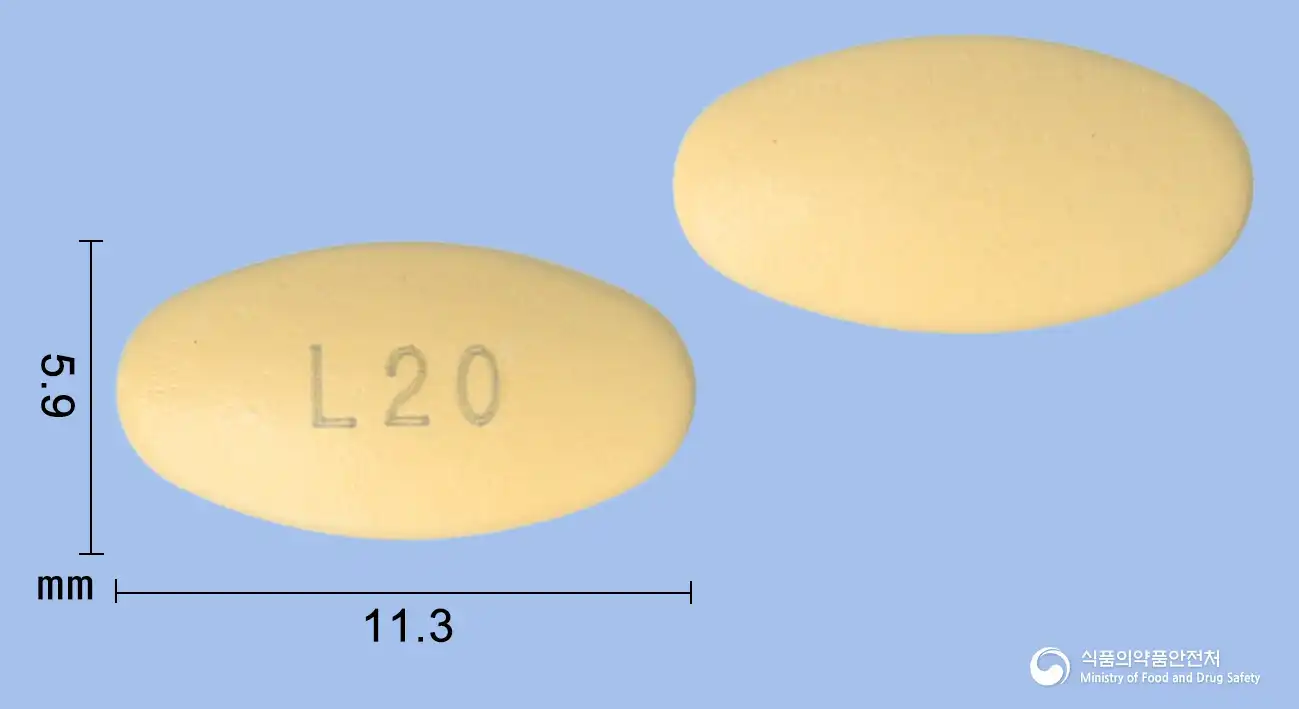
S-Pantoprazole Sodium Trihydrate 23.96mg
Tablet · Prescription medication
Anguk Pharmaceutical Co., Ltd.
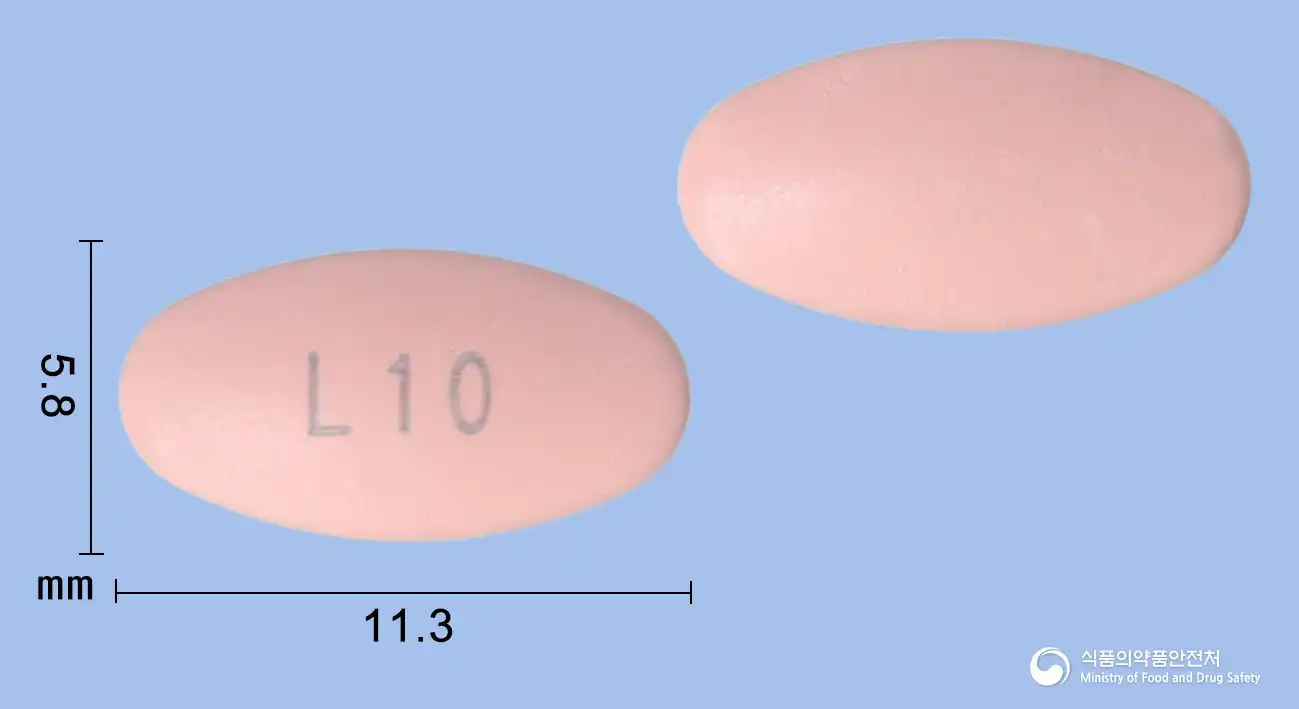
S-Pantoprazole Sodium Trihydrate 11.98mg
Tablet · Prescription medication
Anguk Pharmaceutical Co., Ltd.
S-Pantoprazole Sodium Trihydrate
Prescription medication
Sama Pharmaceutical Co., Ltd.
S-Pantoprazole Sodium Trihydrate
Prescription medication
Sama Pharmaceutical Co., Ltd.
S-Pantoprazole Sodium Trihydrate
Prescription medication
CMG Pharmaceutical Co., Ltd.
S-Pantoprazole Sodium Trihydrate
Prescription medication
Hawon Pharmaceutical Co., Ltd.
S-Pantoprazole Sodium Trihydrate
Prescription medication
Daehan New Pharm Co., Ltd.
Even with the same ingredient, the dose and directions can differ by strength and dosage form. Talk to a doctor or pharmacist before switching from a medication you are already taking.
No questions yet.
For anything that needs medical judgment, consult a doctor or pharmacist.
This drug information is based on data provided by the Korea Ministry of Food and Drug Safety.
Consult a doctor or pharmacist for accurate dosage, administration, and usage instructions.