
 한국어
 English
 日本語
 中文(简体)
Dosage form image
Viewing nowPantorus Tablet 10mg (S-Pantoprazole Sodium Trihydrate)
S-Pantoprazole Sodium Trihydrate
Prescription medication
Sama Pharmaceutical Co., Ltd.
MFDS item code 201802692 · Approved 2018.06.28
This product's status changed to Expired on 2023.06.28. It may no longer be sold, so consult a doctor or pharmacist before taking it.
Treatment of non-erosive gastroesophageal reflux disease; prevention of recurrence of reflux esophagitis
This medication is used as a long-term maintenance therapy for the treatment of non-erosive gastroesophageal reflux disease and prevention of recurrence of reflux esophagitis.
1. Treatment of non-erosive gastroesophageal reflux disease: Administer 10mg of S-pantoprazole orally once daily before breakfast. Symptom relief generally occurs within 2~4 weeks, and healing can usually be achieved with 4 weeks of treatment. 2. Long-term maintenance therapy to prevent recurrence of reflux esophagitis: Take 1 tablet once daily (equivalent to 10mg of S-pantoprazole) before breakfast. If recurrence occurs, increase the dose to 20mg of S-pantoprazole daily, then reduce it back to 10mg daily after healing.
This medication should not be administered to patients with moderate to severe impairment of liver or kidney function. Do not use if there is an allergy to this drug or its components or a history of hypersensitivity. Additionally, this medication cannot be taken with certain antiviral drugs, so combination therapy should be avoided. Do not use in women who are in early pregnancy or may become pregnant, and in nursing mothers. Care should be taken since various side effects may occur when using this medicine. Gastrointestinal side effects may include constipation, diarrhea, gastritis, abdominal pain, nausea, and vomiting. Systemically, fatigue, edema, and fever may occur, and cardiac symptoms such as high blood pressure or tachycardia may arise. Severe reactions, including skin rash or itching, and in severe cases, urticaria or mucosal injury may develop. Prolonged use may lead to nutrient deficiencies such as vitamin B12 malabsorption or hypomagnesemia, therefore regular check-ups are necessary. There may be an increased risk of fractures with long-term use, so caution is needed, especially for patients at higher risk for fractures. This medication may slightly increase the risk of bacterial overgrowth in the stomach by inhibiting gastric acid secretion; therefore, if diarrhea persists, consult a doctor. Dizziness or visual disturbances may occur, so caution is needed when driving or operating machinery. This medication should not be chewed or crushed and should be taken as is; it is important to use the minimum dosage and duration as prescribed by a physician for long-term use. If pregnant or nursing, do not use this medication, and it has not been confirmed safe for children, so do not administer to them. In case of overdose, there is no specific antidote; appropriate treatment should be provided based on symptoms. As there may be potential interactions with other medications, inform your healthcare provider if you are taking any other drugs. Store out of reach of children, and regularly monitor your health status if taking long-term.
Anaphylaxis, anaphylactic shock, angioedema, bronchospasm, acute interstitial nephritis, urticaria, constipation, diarrhea, gastritis, gastric polyp, hiatal hernia, soft stool, chest pain, dyspepsia, nausea, vomiting, abdominal bloating, enteritis, edema, fatigue, fever, sweating, hypertension, tachycardia, ear and throat duct dysfunction, dry eyes, vision disturbances, cold, elevated liver enzymes, dizziness, sensory neuropathy, drowsiness, low back pain, limb pain, headache, facial pain, furuncle, itching, rash, nosebleed, increased creatine kinase, elevated liver enzymes (AST), decreased appetite, stomatitis, nasal congestion, runny nose, sore throat, upper respiratory infection, neutropenia, skin laceration, blood in stool, atrophic vulvovaginitis, ovarian cyst, biliary stones, musculoskeletal chest pain, urticaria, increased sputum, residual urine in the bladder, amputation, upper abdominal pain, distension, belching, dry mouth, asthenia, malaise, increased body temperature, fever, elevated bilirubin, liver failure, jaundice, anaphylactic shock, arthralgia, myalgia, rhabdomyolysis, bone fracture, headache, blurred vision, taste disturbance, insomnia, sleep disorder, depression, hallucinations, confusion, orientation disturbance, interstitial nephritis, pruritus, skin erythema, angioedema, Stevens-Johnson syndrome, erythema multiforme, toxic epidermal necrolysis, Reiter's syndrome, photosensitivity, hyperglycemia, agranulocytosis, leukopenia, thrombocytopenia, pancytopenia, gynecomastia, hyperlipidemia, increased lipids, weight change, hyponatremia, hypomagnesemia, CK elevation, anxiety, lethargy, bronchitis, chest pain, increased cough, dyspnea, flu-like symptoms, gastroenteritis, gastrointestinal disorders, tension, infection, migraine, cervical pain, pain, pharyngitis, rectal dysfunction, rhinitis, elevated AST, sinusitis, upper respiratory infection, frequent urination, urinary tract infection, furuncle, allergic reaction, chills, priapism, facial edema, general edema, heat sensation, hernia, abnormal clinical laboratory test results, lethargy, moniliasis, tumor, non-specific drug reaction, electrocardiogram abnormalities, angina, arrhythmia, atrial fibrillation, coronary artery disease, congestive heart failure, bleeding, hypotension, myocardial infarction, myocardial ischemia, palpitations, retinal vascular disease, syncope, phlebitis, thrombosis, vasodilation, decreased appetite, aphthous stomatitis, colitis, duodenitis, swallowing disorder, esophageal bleeding, esophagitis, gastric and duodenal tumor, gastric and duodenal bleeding, gastric and duodenal moniliasis, gingivitis, halitosis, hematemesis, increased appetite, melena, oral ulcers, oral moniliasis, periodontal abscess, periodontitis, rectal bleeding, gastric ulcer, bowel movement abnormalities, tongue discoloration, ulcerative colitis, diabetes, goiter, gallbladder pain, hyperbilirubinemia, cholecystitis, cholelithiasis, jaundice, hepatitis, elevated ALP, anemia, purpura, eosinophilia, iron deficiency anemia, leukocytosis, thrombocytopenia, dehydration, gout, thirst, weight gain, weight loss, arthritis, bone disease, joint disease, leg cramps, bursitis, tendinitis, abnormal dream, confusion, seizures, dry mouth, dysphasia, hyperactivity, decreased libido, restlessness, neuralgia, neuritis, neurosis, abnormal sensations, decreased reflexes, perceptual disturbances, tremors, asthma, hiccups, laryngitis, respiratory dysfunction, pneumonia, voice changes, acne, alopecia, contact dermatitis, eczema, fungal dermatitis, bleeding, herpes simplex, shingles, lichen planus dermatitis, papular rash, skin disease, skin ulcer, sweating, amblyopia, cataract, hearing loss, diplopia, otalgia, paralysis, glaucoma, otitis externa, taste disturbance, tinnitus, albuminuria, balanitis, mastalgia, cystitis, irregular menstruation, dysuria, epididymitis, hematuria, erectile dysfunction, kidney stones, renal colic, nocturia, prostate disorder, pyelonephritis, scrotal edema, urethral pain, urethral disease, urogenital abnormalities, vaginitis, Clostridium difficile-associated diarrhea, DRESS syndrome, systemic lupus erythematosus, cutaneous lupus erythematosus, gastric polyps
Not everyone experiences these, and they can vary from person to person.
This medication may be sensitive to light, so it should be stored in a tightly closed container that is well-protected from light. Additionally, it is important to store it at room temperature, between 1 to 30 degrees Celsius, to maintain its efficacy.
Pink, rectangular enteric-coated tablet
28 tablets/bottle
Even with the same ingredient, strength, dosage form and how it is taken can differ.
S-Pantoprazole Sodium Trihydrate
Prescription medication
Sama Pharmaceutical Co., Ltd.
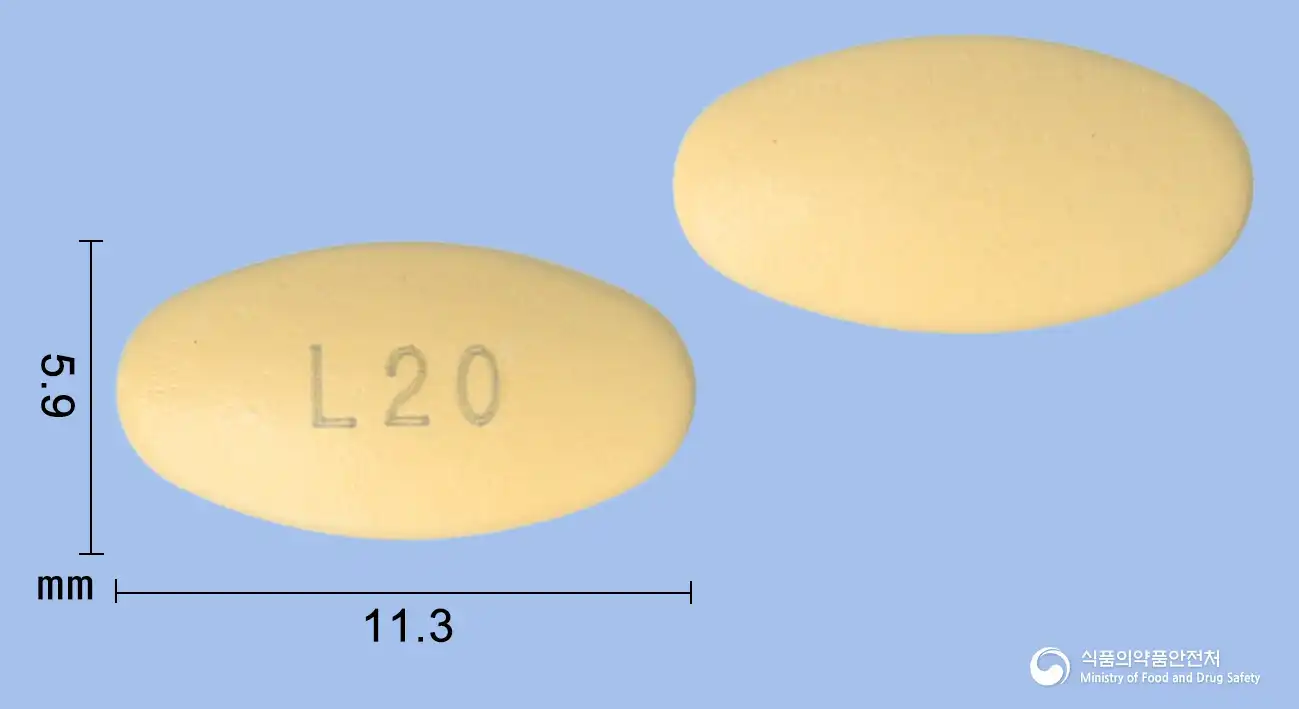
S-Pantoprazole Sodium Trihydrate 23.96mg
Tablet · Prescription medication
Anguk Pharmaceutical Co., Ltd.
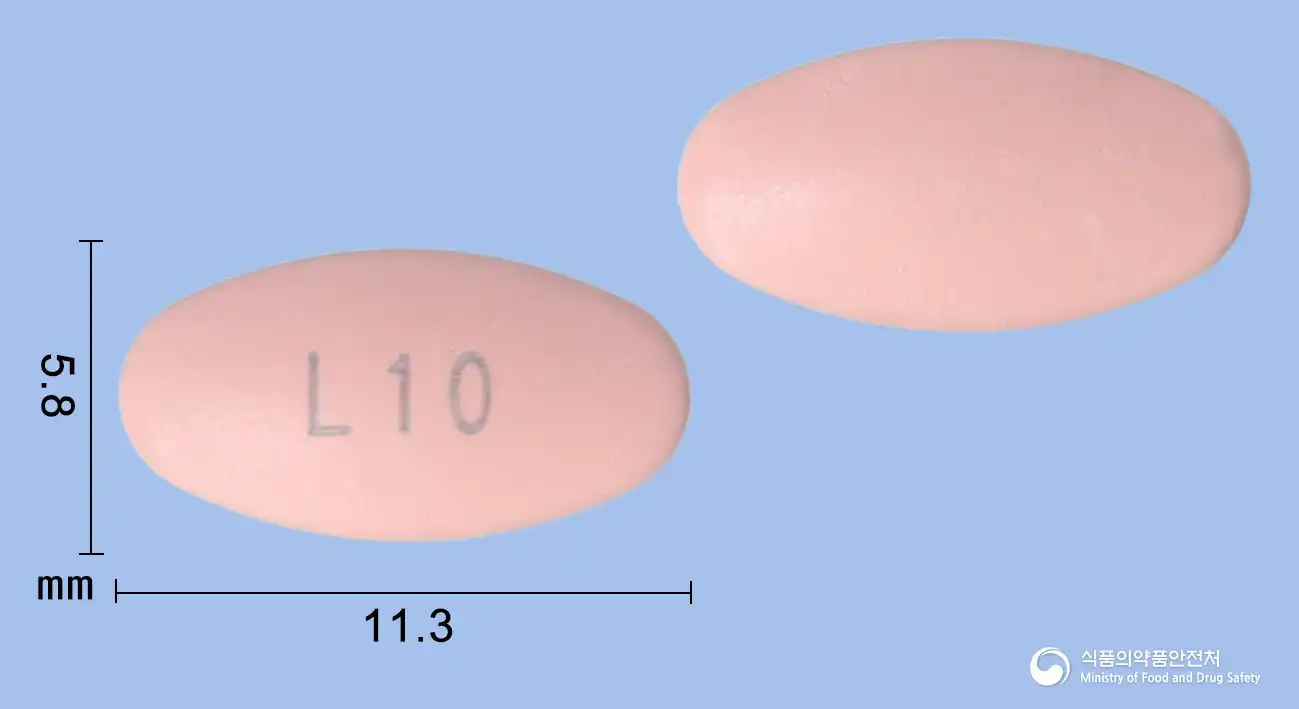
S-Pantoprazole Sodium Trihydrate 11.98mg
Tablet · Prescription medication
Anguk Pharmaceutical Co., Ltd.
S-Pantoprazole Sodium Trihydrate
Prescription medication
Sama Pharmaceutical Co., Ltd.
S-Pantoprazole Sodium Trihydrate
Prescription medication
CMG Pharmaceutical Co., Ltd.
S-Pantoprazole Sodium Trihydrate
Prescription medication
Hawon Pharmaceutical Co., Ltd.
S-Pantoprazole Sodium Trihydrate
Prescription medication
Daehan New Pharm Co., Ltd.
S-Pantoprazole Sodium Trihydrate
Prescription medication
Daehan New Pharm Co., Ltd.
Even with the same ingredient, the dose and directions can differ by strength and dosage form. Talk to a doctor or pharmacist before switching from a medication you are already taking.
No questions yet.
For anything that needs medical judgment, consult a doctor or pharmacist.
This drug information is based on data provided by the Korea Ministry of Food and Drug Safety.
Consult a doctor or pharmacist for accurate dosage, administration, and usage instructions.