
 한국어
한국어 English
 日本語
日本語 中文(简体)
Dosage form image
Viewing nowNew Olmesartan Tablet 20 mg (Olmesartan Medoxomil)
Olmesartan Medoxomil
Prescription medication
Anguk New Pharm Co., Ltd.
MFDS item code 201802689 · Approved 2018.06.28
This product's status changed to Expired on 2023.06.28. It may no longer be sold, so consult a doctor or pharmacist before taking it.
Improvement of essential hypertension
Essential hypertension is a treatment focused on controlling blood pressure to normal range to reduce the risk of cardiovascular diseases and prevent long-term complications. This medication lowers blood pressure, alleviating strain on the heart and blood vessels and is used to reduce risks such as stroke and heart attack. Therefore, it is effectively used for the treatment of essential hypertension.
Adults should take the recommended initial dose of 10 mg once daily, regardless of meals. If blood pressure is not adequately controlled at this dose, it can be increased to 20 mg once daily, and if necessary, it can be further increased to a maximum of 40 mg once daily. The blood pressure-lowering effect appears within 2 weeks after starting treatment, with maximum effect observed around 8 weeks. If blood pressure remains uncontrolled, it may be administered in conjunction with thiazide diuretics.
The safety and efficacy in pediatric patients have not been established.
This medication can cause serious harm or death to the fetus or newborn if taken during the second and third trimesters of pregnancy, so it should be discontinued immediately upon confirmation of pregnancy. Patients with allergies to any of the ingredients in this drug or who are pregnant, nursing, undergoing renal dialysis, have severe liver impairment, biliary obstruction, or lactose intolerance should not take this medication. In patients with reduced blood volume or salt, hypotension may occur, so the state should be carefully assessed before taking the medication, and appropriate measures should be taken if hypotension occurs. Patients with severe congestive heart failure, where kidney function relies on the renin-angiotensin-aldosterone system, should be cautious as there may be changes in kidney function. Patients with poor kidney function or kidney transplant recipients should have their potassium and creatinine levels regularly examined, and it is not recommended for patients with severe renal impairment. Patients with renovascular hypertension should also be cautious as the use of this drug may worsen kidney function. This medication may increase potassium levels in the blood, so patients with heart failure or kidney disease should closely monitor their potassium levels. Special caution is needed for patients with aortic or mitral valve stenosis, obstructive or hypertrophic heart disease. Patients with primary aldosteronism may not respond to this medication, so it is not recommended. Dizziness may occur while taking this medication, so it is advisable to avoid driving or operating dangerous machinery. The blood pressure-lowering effect of this medication may be somewhat less in Black patients. Possible side effects include dizziness, headache, palpitations, hypercholesterolemia, hyperlipidemia, hyperuricemia, arthralgia, arthritis, myalgia, rash, nausea, abdominal pain, dyspepsia, gastroenteritis, diarrhea, hematuria, flu-like symptoms, pharyngitis, rhinitis, sinusitis, low back pain, bronchitis, increased creatine phosphokinase, cough, pruritus, hair loss, epistaxis, and upper respiratory infections, most of which are mild and temporary. Rarely, serious side effects may occur such as angioedema, liver dysfunction (increased liver enzymes or bilirubin levels, jaundice), severe skin adverse reactions (severe rash, blisters, skin peeling, pain in oral/ocular mucosa), respiratory problems (asthma attacks, difficulty breathing, cough with fever), severe edema, acute renal failure, increased serum creatinine, and severe neurological symptoms (severe dizziness). If chronic diarrhea or significant weight loss occurs while taking this medication, it may indicate a chronic malabsorption disease similar to intestinal disorders, and discontinuation should be considered. Drug interactions with potassium-sparing diuretics, potassium supplements, lithium, and non-steroidal anti-inflammatory drugs may increase the risk of side effects, so it is essential to inform healthcare providers and exercise caution. Pregnant women should not take this medication as it may pose a risk to the fetus, and nursing mothers should discontinue breastfeeding or the medication if using this medication. Safety in pediatric patients has not been established, and its use is not recommended. Elderly patients may experience increased drug concentration in the body, so caution is needed upon administration. In cases of overdose, symptoms such as hypotension, palpitations, and bradycardia may occur, and appropriate treatment is necessary according to the symptoms.
Hives, severe swelling (edema), chest pain (tightness in the chest), angioedema, anaphylactic reaction, liver dysfunction (increased liver enzymes or bilirubin levels, jaundice), severe skin adverse reactions (severe rash, blisters, skin peeling, pain in oral/ocular mucosa), breathing problems (asthma attacks, difficulty breathing, cough with fever), severe edema, acute renal failure, increased serum creatinine, severe neurological symptoms (severe dizziness
Not everyone experiences these, and they can vary from person to person.
This medication may be sensitive to air or moisture, so it should be stored in a tightly sealed container. It is recommended to maintain the storage temperature between 1 and 25 degrees Celsius. This will help preserve the medication's effectiveness for a longer duration.
White round film-coated tablet
30 tablets/bottle, 300 tablets/bottle
Even with the same ingredient, strength, dosage form and how it is taken can differ.
Olmesartan Medoxomil
Prescription medication
Anguk New Pharm Co., Ltd.
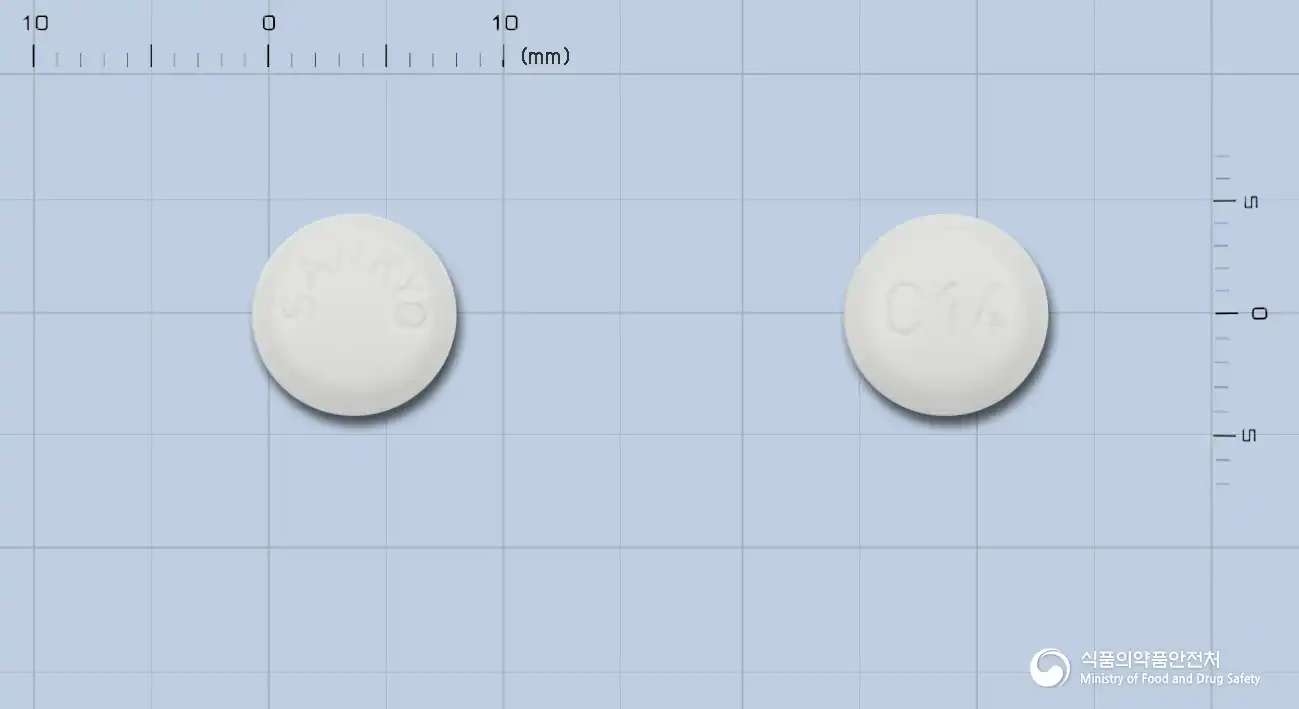
Olmesartan Medoxomil 20mg
Tablet · Prescription medication
Daewoong Pharmaceutical Co., Ltd.
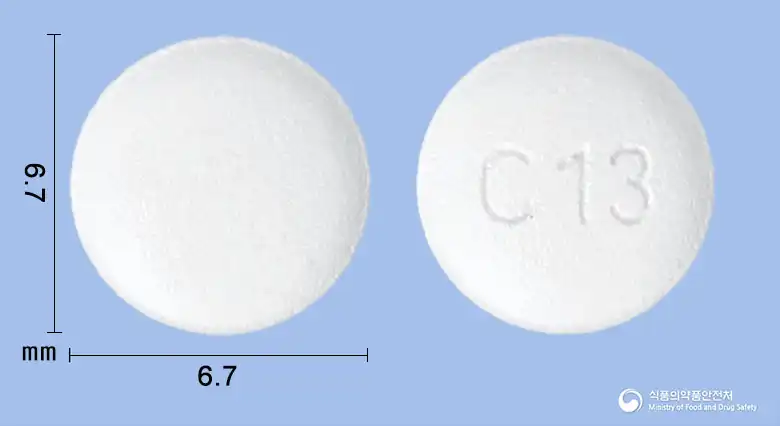
Olmesartan Medoxomil 10mg
Tablet · Prescription medication
Daewoong Pharmaceutical Co., Ltd.
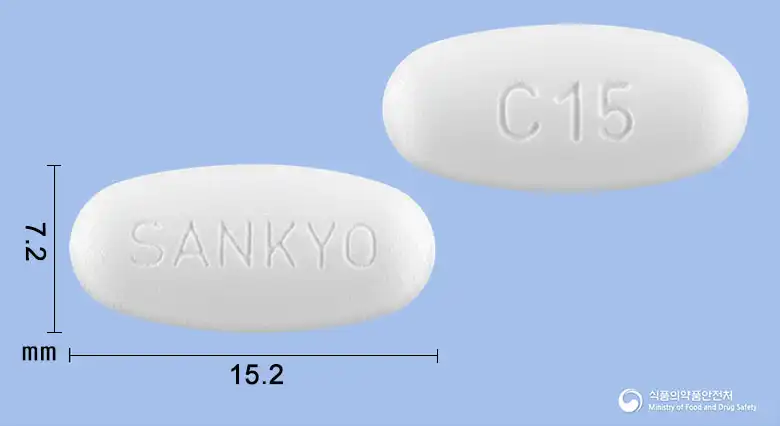
Olmesartan Medoxomil 40mg
Tablet · Prescription medication
Daewoong Pharmaceutical Co., Ltd.
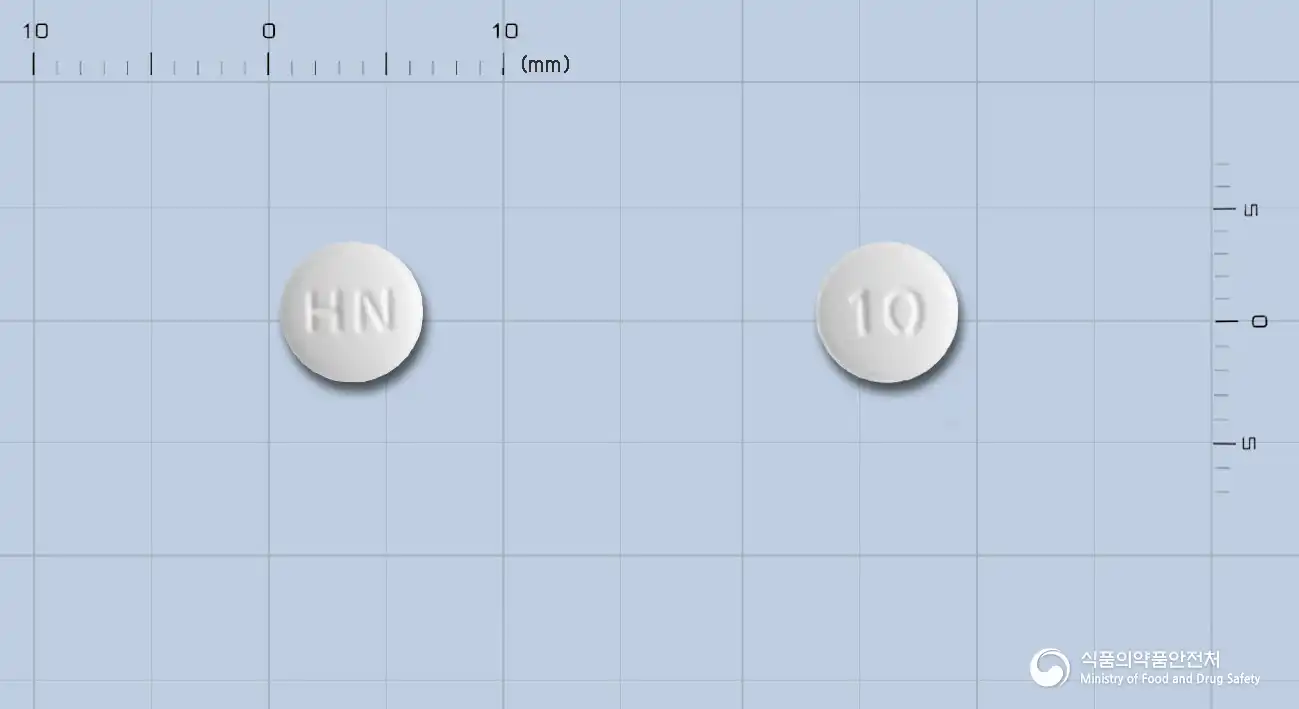
Olmesartan Medoxomil 10mg
Tablet · Prescription medication
Hana Pharmaceutical Co., Ltd.
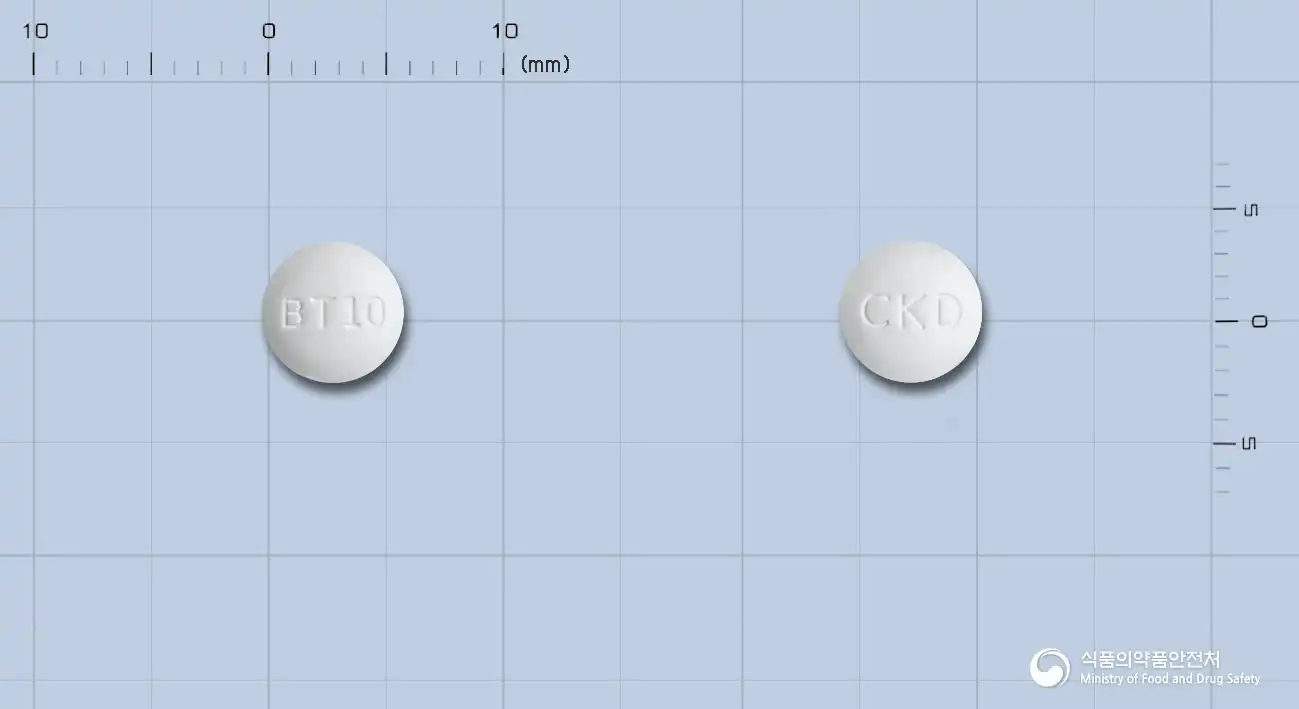
Olmesartan Medoxomil 10mg
Tablet · Prescription medication
Jongkeundang Co., Ltd.
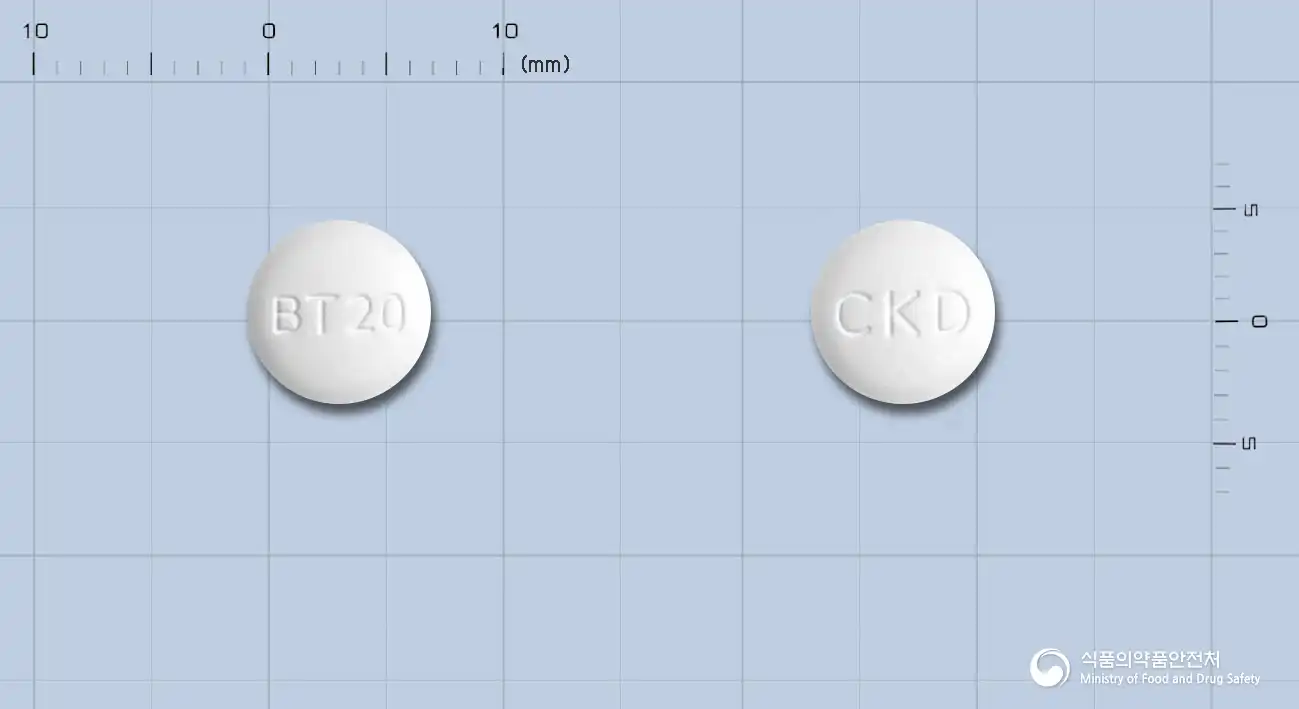
Olmesartan Medoxomil 20mg
Tablet · Prescription medication
Jongkundang Co., Ltd.
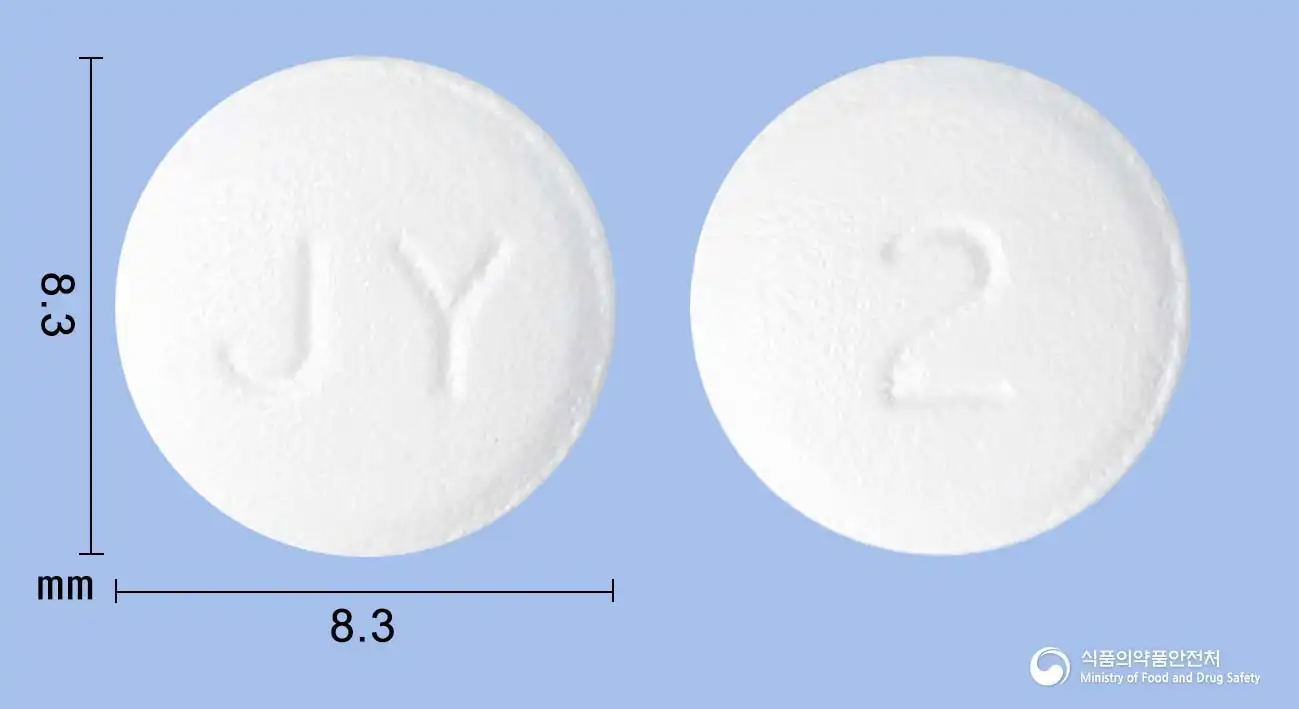
Olmesartan Medoxomil 20mg
Tablet · Prescription medication
Jinyang Pharmaceutical Co., Ltd.
Even with the same ingredient, the dose and directions can differ by strength and dosage form. Talk to a doctor or pharmacist before switching from a medication you are already taking.
No questions yet.
For anything that needs medical judgment, consult a doctor or pharmacist.
This drug information is based on data provided by the Korea Ministry of Food and Drug Safety.
Consult a doctor or pharmacist for accurate dosage, administration, and usage instructions.