
 한국어
한국어 English
 日本語
日本語 中文(简体)
 Viewing now
LC Pen Soft Capsule 400 mg (Ibuprofen)
Ibuprofen 400mg
Soft capsule · OTC medication
Kuju Pharmaceutical Co., Ltd.
MFDS item code 201802556 · Notified 2018.06.19
Pain relief and anti-inflammatory effects related to cold and arthritis (rheumatoid arthritis, osteoarthritis)
This medication helps alleviate various pains, from fever and pain caused by colds to everyday pains such as back pain and menstrual pain, as well as chronic joint diseases like rheumatoid arthritis and osteoarthritis. It is also effective for pain following surgery and can be used to relieve various pain symptoms such as headaches, migraines, toothaches, muscle pain, and neuralgia. Additionally, it is used for symptom control of various non-joint rheumatic diseases, including ankylosing spondylitis, acute gout, psoriatic arthritis, soft tissue injury, and tendonitis. It is used to improve a wide range of pain and inflammation.
Rheumatoid arthritis, osteoarthritis, ankylosing spondylitis, soft tissue injury, non-joint rheumatism, acute gout, psoriatic arthritis: As ibuprofen, take 200-600 mg in one dose 3-4 times daily. A maximum of 3200 mg can be administered per day. Mild to moderate pain, cold: Take 200-400 mg in one dose 3-4 times daily, adjusting as appropriate according to age and symptoms. Migraine:
Inflammatory rheumatoid arthritis: Administer 30-40 mg per kg of body weight divided into 3-4 oral doses per day.
This drug may cause gastric bleeding if taken by persons who regularly consume more than three glasses of alcohol daily; therefore, it is essential to consult with a doctor or pharmacist. Taking this drug may increase the risk of cardiovascular issues such as myocardial infarction and stroke, especially in patients with existing cardiovascular conditions or those taking it for a prolonged period. This drug can cause severe gastrointestinal issues such as bleeding, ulcers, and perforation; thus, elderly patients or long-term users should be monitored more carefully. Patients with a history of gastrointestinal ulcers or bleeding, or severe blood, liver, kidney, or heart disease should not take this medication. Those who have an allergy to this drug or have asthma or aspirin hypersensitivity should also avoid it. It should not be used in the later stages of pregnancy as it may harm the fetus, and those undergoing cancer treatment should refrain from using it. Care should be taken not to exceed the recommended dosage, and it is safer not to take it in conjunction with other non-steroidal anti-inflammatory drugs (NSAIDs). While breastfeeding, it may be transmitted through breast milk and could cause adverse reactions in the baby, so breastfeeding should be stopped or medication should be discontinued. If there are blood disorders, liver or kidney dysfunction, heart disease, or hypertension, consulting a healthcare professional before taking this drug is essential. This medication may reduce the effects of aspirin and increase the risk of gastric bleeding if taken together, so caution is required. Interactions may occur if taken with specific antihypertensive medications, lithium, diuretics, anticancer drugs, anticoagulants, serotonin reuptake inhibitors, so it is advisable to consult a professional. Those allergic to the pigments included in this medication should take it cautiously. If severe allergic reactions, skin rashes, breathing difficulties, severe abdominal pain, bleeding, or abnormal liver function occur while taking this medication, discontinue use immediately and consult medical personnel. This medication should be taken for the shortest duration and at the minimum dose possible, and regular blood, liver, and kidney tests should be conducted during long-term use. During pregnancy, especially after 20 weeks, it can affect fetal kidney function; therefore, it should only be taken at minimum doses when necessary, and amniotic fluid status should be monitored through ultrasound. Keep out of reach of children, and store securely in the original container.
Not everyone experiences these, and they can vary from person to person.
Do not take this medication with other non-steroidal anti-inflammatory drugs, low-dose aspirin, or high-dose methotrexate. Consult a doctor or pharmacist if taking with ACE inhibitors, lithium, furosemide and thiazide diuretics, low-dose methotrexate, anticoagulants (such as warfarin), and selective serotonin reuptake inhibitors.
This medication should be stored in a tightly sealed container to protect it from air and moisture. It is recommended to maintain a storage temperature between 1 and 30 degrees Celsius.
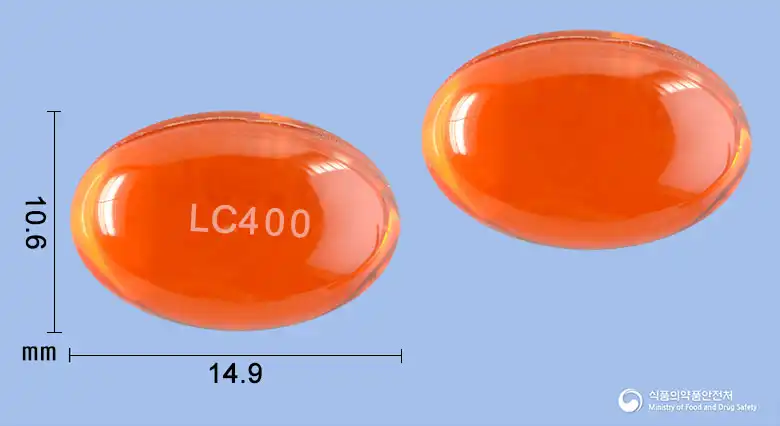
Orange transparent oval soft capsule containing a colorless or orange content
10 capsules (10 capsules in PTP packaging * 1)
Even with the same ingredient, strength, dosage form and how it is taken can differ.
Viewing nowIbuprofen 400mg
Soft capsule · OTC medication
Kuju Pharmaceutical Co., Ltd.

Ibuprofen 200mg
Tablet · OTC medication
Samil Pharmaceutical Co., Ltd.

Ibuprofen 400mg
Tablet · OTC medication
Samil Pharmaceutical Co., Ltd.

Ibuprofen 400mg
Tablet · OTC medication
(Company) AProgen Biologics
Ibuprofen 200mg
Tablet · OTC medication
Taeguk Pharmaceutical Co., Ltd.
Ibuprofen 400mg
OTC medication
Youngpoong Pharmaceutical Co., Ltd.
Ibuprofen 2g
Suspension · OTC medication
Samil Pharmaceutical Co., Ltd.
Ibuprofen 2g
Suspension · OTC medication
Il Dong Pharmaceutical Co., Ltd.
Even with the same ingredient, the dose and directions can differ by strength and dosage form. Talk to a doctor or pharmacist before switching from a medication you are already taking.
No questions yet.
For anything that needs medical judgment, consult a doctor or pharmacist.
This drug information is based on data provided by the Korea Ministry of Food and Drug Safety.
Consult a doctor or pharmacist for accurate dosage, administration, and usage instructions.