
 한국어
 English
 日本語
 中文(简体)
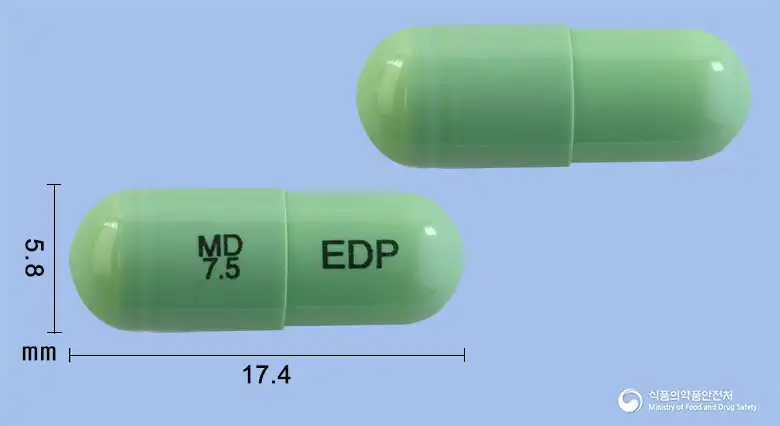 Viewing now
Mobiden Capsule (Meloxicam)
Meloxicam 7.5mg
Hard capsule · Prescription medication
Eden Pharma Co., Ltd.
MFDS item code 201802418 · Approved 2018.06.11 · Insurance code 628901060
Treatment of rheumatoid arthritis, short-term treatment of acute exacerbations of osteoarthritis, and symptomatic treatment of ankylosing spondylitis
This medication helps relieve symptoms during the acute exacerbation of osteoarthritis, which is accompanied by pain and mobility difficulties. It is also effective in alleviating symptoms in patients with rheumatoid arthritis and ankylosing spondylitis. In other words, it is used to treat symptoms of arthritic conditions such as osteoarthritis, rheumatoid arthritis, and ankylosing spondylitis.
1. Acute exacerbation of osteoarthritis (degenerative arthritis): ○ Adults: Administer meloxicam 7.5 mg orally once daily. If symptoms do not improve, the dose may be increased to 15 mg per day as needed. 2. Rheumatoid arthritis, ankylosing spondylitis: ○ Adults: Administer 15 mg of this medicine orally once daily. The dose may be reduced to 7.5 mg per day according to the response to treatment. Do not administer more than 15 mg of this medicine per day. Take it with water or another beverage during a meal. ○ For elderly patients or those at increased risk of adverse reactions, treatment is usually started at a dose of 7.5 mg per day. ○ Patients with severe renal failure receiving hemodialysis should not receive more than 7.5 mg per day.
This medicine may cause gastric bleeding if taken by individuals who regularly consume more than three alcoholic drinks daily; therefore, consultation with a physician or pharmacist is essential. Non-steroidal anti-inflammatory drugs, including this medication, may increase the risk of cardiovascular diseases; serious issues such as myocardial infarction or stroke may occur, so caution is particularly necessary for those with cardiovascular diseases or risk factors. If symptoms such as chest pain, shortness of breath, weakness, or stuttering appear while taking this medication, stop taking it immediately and consult with a healthcare professional. This medication can cause serious gastrointestinal adverse effects such as gastric bleeding, ulcers, and perforations; thus, those with a history of gastrointestinal diseases or the elderly should exercise increased caution. If gastrointestinal-related symptoms occur, inform a healthcare professional immediately and undergo necessary examinations; in severe cases, discontinuation of the medication may be required. This medication can cause serious skin reactions such as severe allergic reactions, dermatitis, or mucosal damage, so if a rash or mucosal damage occurs, stop taking it immediately. It may affect kidney function; therefore, patients with kidney disease or hypertension, heart failure should closely monitor kidney function while taking it. Women who are pregnant or may become pregnant should not take this medication, and it is advisable to avoid it even when planning for pregnancy. This medication should not be administered to breastfeeding women. If there is a hypersensitivity to this medication or allergies to aspirin or other non-steroidal anti-inflammatory drugs, it should not be used. The elderly may experience weakened kidney, liver, or heart functions, so it should be taken cautiously at the minimum dose, and special care should be taken regarding adverse reactions. This medication has significant interactions with other drugs, and caution is necessary when taken with anticoagulants, lithium, methotrexate, diuretics, antihypertensives, etc., and it is important to consult with healthcare professionals during use. In case of overdose, symptoms may include drowsiness, nausea, vomiting, gastric bleeding, and in severe cases, renal failure, liver failure, and a coma may occur; therefore, appropriate treatment should be sought immediately at a medical facility. This medication should be taken at the minimum effective dose for the shortest duration possible, and it is essential to undergo regular blood tests and examinations of liver and kidney functions to monitor for abnormalities. If symptoms like visual disturbances, dizziness, or drowsiness occur while taking this medication, avoid driving or operating machinery. This medication should be stored out of the reach of children, and kept sealed in its original container.
Gastrointestinal bleeding, cardiovascular thrombotic reactions, myocardial infarction, stroke, bleeding from the stomach or intestines, ulcers, perforation, exfoliative dermatitis, Stevens-Johnson syndrome, toxic epidermal necrolysis, anaphylactic reaction, interstitial nephritis, glomerulonephritis, renal medullary necrosis, nephrotic syndrome, elevated serum transaminases, elevated liver function tests, increased plasma creatinine, increased blood urea nitrogen, aplastic anemia, bone marrow suppression, blood cell count changes, leukopenia, thrombocytopenia, anemia, decreased plasma iron, decreased hemoglobin, decreased hematocrit, increased neutrophils, increased eosinophils, increased basophils, increased monocytes, agranulocytosis, anaphylaxis, anaphylactoid reaction, discomfort, confusion, loss of directional sense, mood changes, mood disorders, insomnia, nightmares, anxiety, increased appetite, depression, nervous irritability, dizziness, drowsiness, headache, head heaviness, fatigue, lethargy, taste dysfunction, mental cloudiness, convulsions, sensory disturbances, tremors, blurred vision, visual impairment, conjunctivitis, foreign body sensation in the eye, subconjunctival hemorrhage, tinnitus, palpitations, increased blood pressure, flushing, facial flushing, arrhythmia, tachycardia, hypotension, hypertension, myocardial infarction, angina, heart failure, vasculitis, cough, upper respiratory infection, asthma, bronchial spasm, dyspnea, allergic reactions to aspirin and other non-steroidal anti-inflammatory drugs, dyspepsia, nausea, vomiting, abdominal pain, constipation, bloating, diarrhea, loss of appetite, peptic ulcer, occult gastrointestinal bleeding, gross gastrointestinal bleeding, stomatitis, gastritis, esophagitis, belching, dry mouth, thirst, angular cheilitis, occult blood in stool, gastrointestinal perforation, colitis, pancreatitis, melena, perforated peptic ulcer, hepatitis, elevated plasma transaminase levels, elevated bilirubin, jaundice, liver failure, skin rash, urticaria, itching, angioedema, vesicular dermatitis, erythema multiforme, photosensitive reactions, contact dermatitis, fixed drug eruption, urinary retention, elevated plasma creatinine levels, elevated urea levels, decreased total protein, decreased albumin, proteinuria, glycosuria, increased urinary sediment, hematuria, sodium retention, fluid retention, hyperkalemia, acute renal failure, reduced urine output, frequent urination, urinary tract infection, interstitial nephritis, edema, lower limb edema, fatigue, fever, facial swelling, syncope, weight loss, weight gain, axillary pain, breast pain, joint pain, lower back pain, axillary pain, chest pain, stiffness, lower limb weakness, decreased female reproductive capacity, dehydration, drowsiness, nausea, vomiting, epigastric pain, hypertension, acute renal failure, liver failure, respiratory depression, coma, convulsions, cardiovascular collapse, cardiac arrest
Not everyone experiences these, and they can vary from person to person.
This medication may be light-sensitive, so it should be stored in an airtight container that blocks light. The storage temperature should be maintained between 1 degree and 30 degrees Celsius at room temperature. Proper storage will help maintain the efficacy and safety of the medication.
Hard capsules of green color filled with yellow powder
30 capsules/bottle, 300 capsules/bottle
Even with the same ingredient, strength, dosage form and how it is taken can differ.
Viewing nowMeloxicam 7.5mg
Hard capsule · Prescription medication
Eden Pharma Co., Ltd.

Meloxicam 7.5mg
Hard capsule · Prescription medication
Shinpoong Pharmaceutical Co., Ltd.
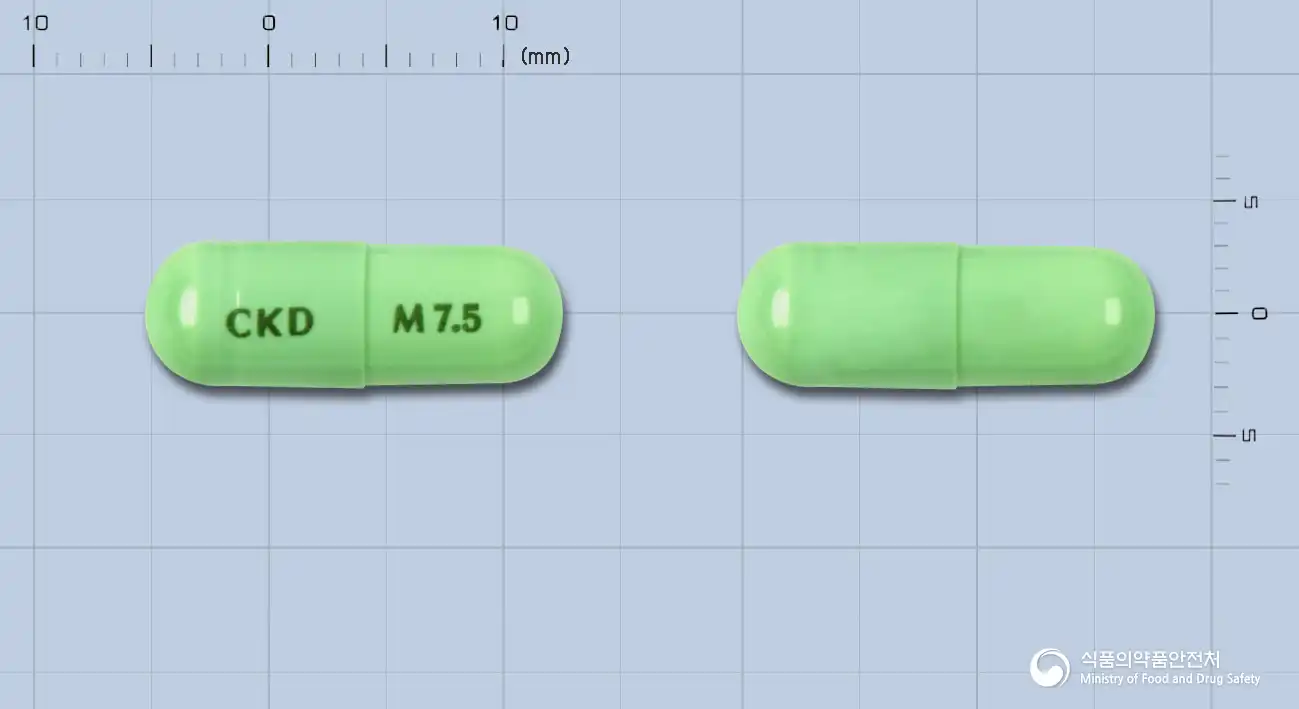
Meloxicam 7.5mg
Hard capsule · Prescription medication
Jongkundang Co., Ltd.
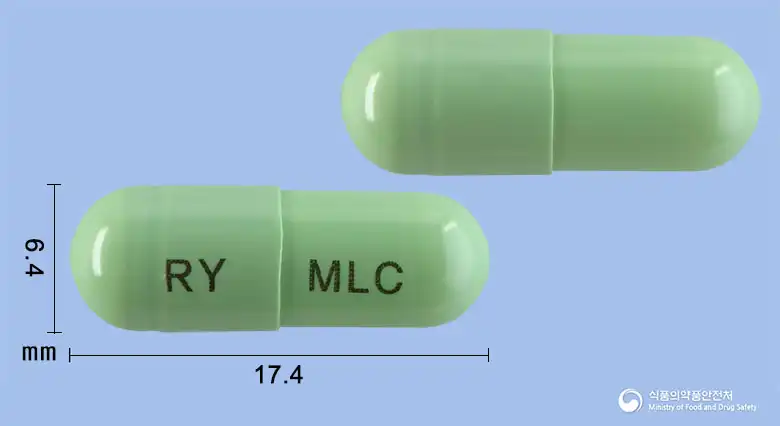
Meloxicam 7.5mg
Hard capsule · Prescription medication
IYUN Pharmaceutical Co., Ltd.
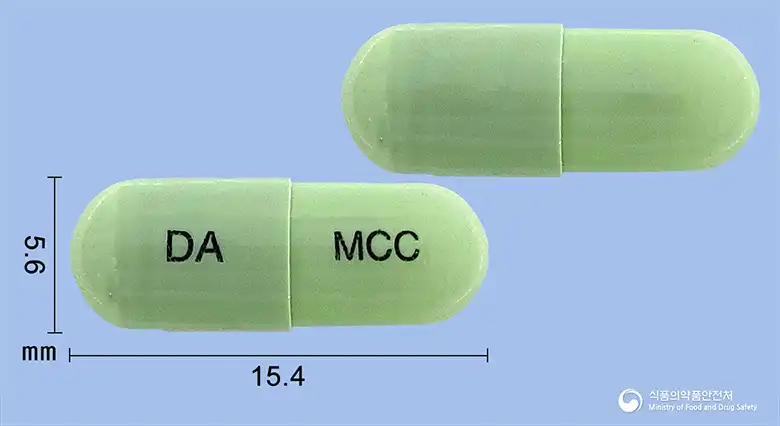
Meloxicam 7.5mg
Hard capsule · Prescription medication
Dong-A ST Co., Ltd.
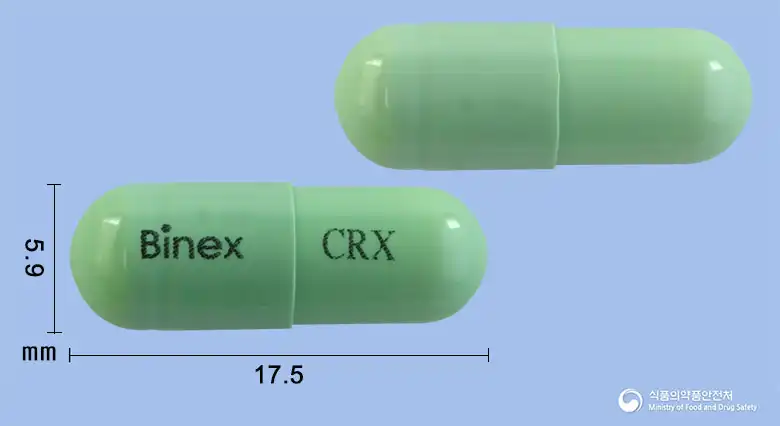
Meloxicam 7.5mg
Hard capsule · Prescription medication
Bionex Co., Ltd.
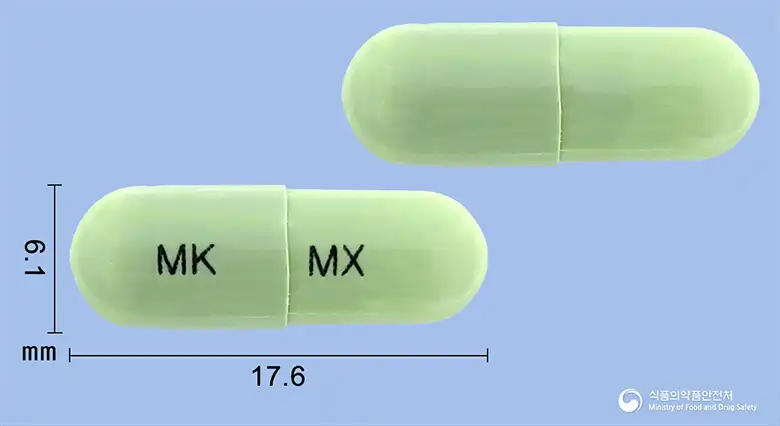
Meloxicam 7.5mg
Hard capsule · Prescription medication
Medica Korea Co., Ltd.
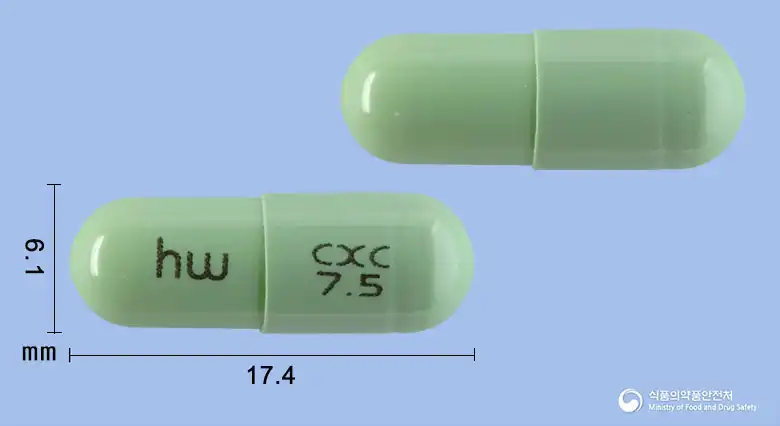
Meloxicam 7.5mg
Hard capsule · Prescription medication
Hawon Pharmaceutical Co., Ltd.
Even with the same ingredient, the dose and directions can differ by strength and dosage form. Talk to a doctor or pharmacist before switching from a medication you are already taking.
No questions yet.
For anything that needs medical judgment, consult a doctor or pharmacist.
This drug information is based on data provided by the Korea Ministry of Food and Drug Safety.
Consult a doctor or pharmacist for accurate dosage, administration, and usage instructions.