
 한국어
한국어 English
 日本語
日本語 中文(简体)
 Viewing nowCombination
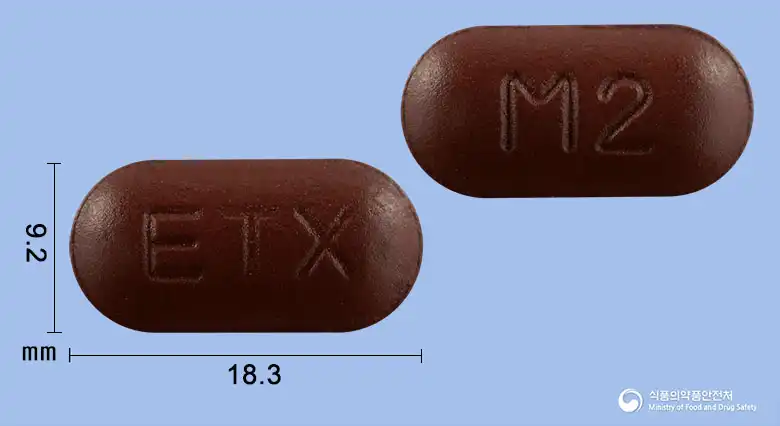
Teracon 600F Tablets
Sodium Chondroitin Sulfate 600mg · Fursultiamine 50mg +9 more
Tablet · OTC medication · Combination
Teragen Etex Co., Ltd.
MFDS item code 201802301 · Notified 2018.06.01
Improvement of physical fatigue, support for physical strength during pregnancy and lactation, and relief of neuralgia and muscle pain
This medication is used to alleviate physical fatigue or physical strength deficits during pregnancy, lactation, convalescence, growth periods, and old age by supplying vitamins D, B1, B2, and B6. It also aids in relieving pains such as neuralgia, muscle pain, and joint pain, as well as improving fatigue in the eyes. It effectively treats various symptoms that arise across different ages and situations.
Once a day, 1 tablet after meals
Once a day, 1 tablet after meals
This medication should not be taken by patients with hypercalcemia or sarcoidosis, a systemic inflammatory disease of unknown origin, and those with kidney disorders. Additionally, individuals with allergic reactions to this medication or its ingredients should avoid taking it. It is also safer for infants under 3 months old and patients with kidney stones to avoid this medication. During treatment with this medication, do not take levodopa simultaneously. Infants under 1 year of age, patients undergoing treatment from a doctor, children exposed to sunlight who are eating normally, pregnant women or women who may become pregnant, nursing mothers, premature infants, and young children should consult a doctor or pharmacist before taking this medication. Particularly, caution is needed as vitamin D can be secreted in breast milk and cause hypercalcemia in newborns. Individuals with a history of kidney stones should also consult a specialist before taking this medication. If symptoms such as nausea, vomiting, diarrhea, oral inflammation, constipation, loss of appetite, skin rash, itching, or edema appear during treatment, discontinue use immediately and consult a doctor or pharmacist. Long-term high-dose use of pyridoxine can lead to nerve disorders, and patients with a deficiency of folic acid may experience abnormal blood reactions from excessive intake of vitamin B12. High-dose use may pose risks such as worsening gastric ulcers, impaired blood sugar control, increased blood uric acid, and liver damage. If too much medication is taken or if symptoms do not improve after a month of use, consult a specialist. This medication must be taken according to the prescribed method and dose, and parental supervision is required when administered to children. Be aware that urine may turn yellow upon taking this medication, which could affect clinical test results. Finally, this medication should be stored out of reach of children, protected from direct sunlight, and kept in a cool, dry, airtight container to prevent exposure to moisture and air. For quality maintenance, it is important not to transfer the medication to another container.
Hives, edema, severe swelling, or urinary abnormalities (fluid retention)
Nausea, vomiting, diarrhea, loose stools, stomatitis (oral inflammation), constipation, loss of appetite, erythema, hives, eczema, rash, papular rash, itching, edema, swelling and fluid retention (in patients with renal insufficiency or heart failure)
Not everyone experiences these, and they can vary from person to person.
Do not take this medication with levodopa.
This medication must be stored in a tightly sealed container to prevent exposure to air or moisture. It is important to maintain a storage temperature between 1 and 30 degrees Celsius to safely preserve the efficacy of the medication.
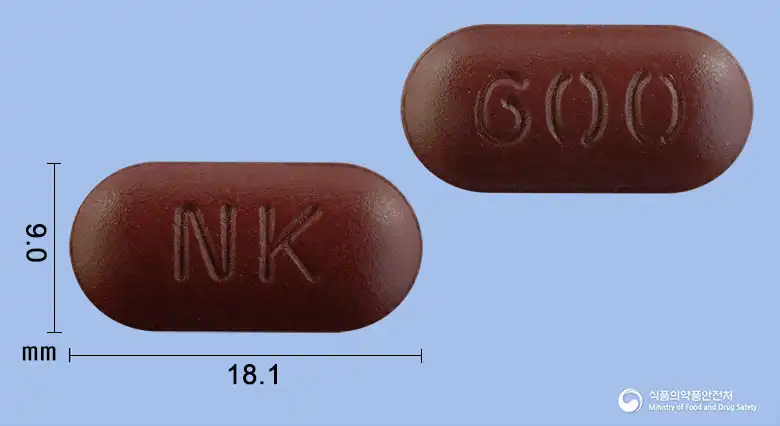
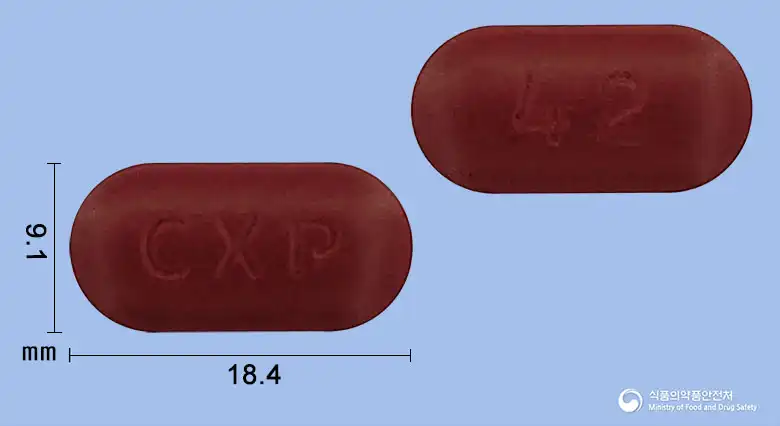
Brown oblong film-coated tablet
45 tablets/bottle, 90 tablets/bottle [45 tablets/bottle × 2]
Even with the same ingredient, strength, dosage form and how it is taken can differ.
Viewing nowCombinationSodium Chondroitin Sulfate 600mg · Fursultiamine 50mg +9 more
Tablet · OTC medication · Combination
Teragen Etex Co., Ltd.
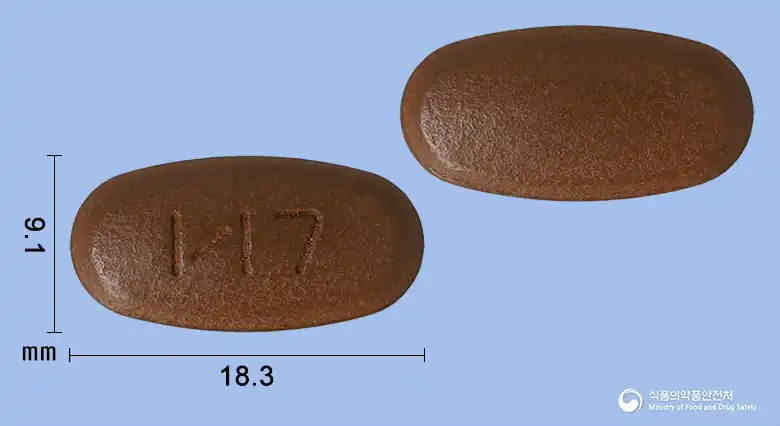 Combination
Sodium Chondroitin Sulfate 600mg · Fursultiamine 50mg +9 more
Tablet · OTC medication · Combination
NovaM Healthcare Co., Ltd.
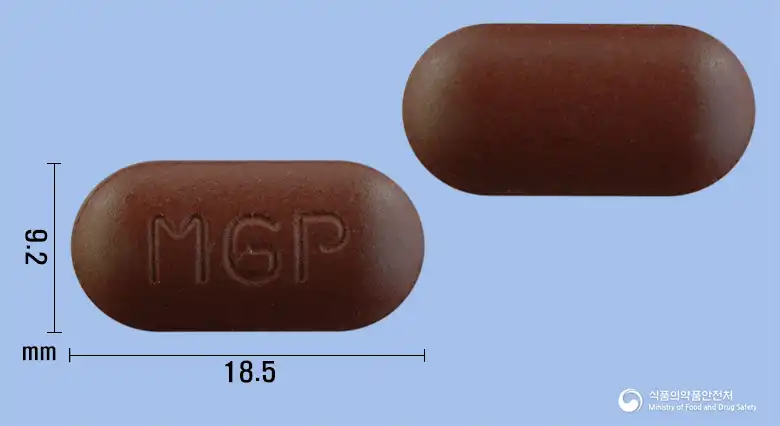 Combination
Sodium Chondroitin Sulfate 600mg · Fursultiamine 50mg +9 more
Tablet · OTC medication · Combination
Korea Chorus Co., Ltd.
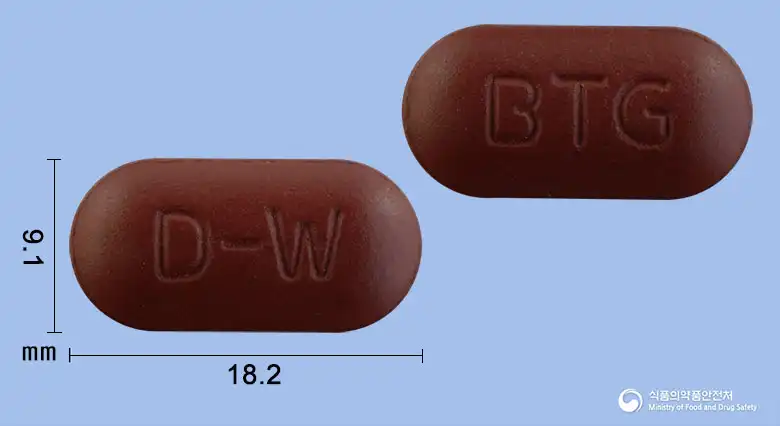 Combination
Sodium Chondroitin Sulfate 600mg · Fursultiamine 50mg +9 more
Tablet · OTC medication · Combination
Dongwha Pharmaceutical Co., Ltd.
 Combination
Sodium Chondroitin Sulfate 600mg · Fursultiamine 50mg +9 more
Tablet · OTC medication · Combination
Nexpharm Korea Co., Ltd.
Sodium Chondroitin Sulfate 600mg · Fursultiamine 50mg +9 more
Tablet · OTC medication · Combination
Edenpharma Co., Ltd.
 Combination
Sodium Chondroitin Sulfate 600mg · Fursultiamine 50mg +9 more
Tablet · OTC medication · Combination
Cosmax Pharma Co., Ltd.
Sodium Chondroitin Sulfate 600mg · Fursultiamine 50mg +9 more
Tablet · OTC medication · Combination
Nova M Healthcare Co., Ltd.
Even with the same ingredient, the dose and directions can differ by strength and dosage form. Talk to a doctor or pharmacist before switching from a medication you are already taking.
No questions yet.
For anything that needs medical judgment, consult a doctor or pharmacist.
This drug information is based on data provided by the Korea Ministry of Food and Drug Safety.
Consult a doctor or pharmacist for accurate dosage, administration, and usage instructions.