
 한국어
 English
 日本語
 中文(简体)
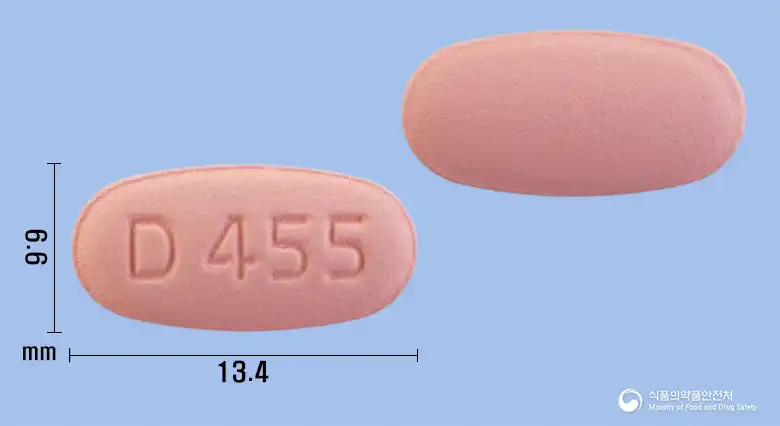
Dosage form image
Viewing nowCombinationTriinwon Tablet 80/10/20mg
Amlodipine Besylate 13.87mg · Rosuvastatin Calcium 20.8mg +1 more
Tablet · Prescription medication · Combination
Daewon Pharmaceutical Co., Ltd.
MFDS item code 201802231 · Approved 2018.05.30
Treatment of hypertension and dyslipidemia, inhibition of atherosclerosis progression, and prevention of cardiovascular disease
This medication is used for patients with essential hypertension whose blood pressure is not adequately controlled and who need to take Rosuvastatin for the treatment of hypercholesterolemia. Telmisartan and Amlodipine effectively control blood pressure, while Rosuvastatin helps to lower cholesterol levels in patients with hypercholesterolemia not controlled by diet and in those with familial hypercholesterolemia. Additionally, Rosuvastatin delays the progression of atherosclerosis, reduces the risk of cardiovascular disease, and contributes to decreasing the risk of stroke and myocardial infarction as well as recurrence after endovascular surgery. Therefore, this medication is used to improve the condition of patients with concurrent hypertension and hyperlipidemia.
Take 1 tablet once daily with water, regardless of meals. If possible, it is recommended that the medicine be taken at the same time each day (e.g., in the morning). This medicine is for use in adults only. The dose should be individualized for each patient based on the efficacy and tolerability of the telmisartan/amlodipine combination and rosuvastatin. For patients taking a telmisartan/amlodipine combination and rosuvastatin as separate products, switching to this medicine (a combination product containing the same amounts of each active ingredient) may be considered for convenience. ○ Telmisartan/amlodipine combination Before administering the telmisartan/amlodipine combination, it is recommended that the dose be adjusted using the individual components (amlodipine or telmisartan). However, if blood pressure is not controlled with the individual components, switching directly to the telmisartan/amlodipine combination may be considered as follows. - 40/5 mg: For patients whose blood pressure is not adequately controlled with amlodipine 5 mg or telmisartan 40 mg. - 80/5 mg: For patients whose blood pressure is not adequately controlled with amlodipine 5 mg or this medicine 40/5 mg. - 40/10 mg: For patients whose blood pressure is not adequately controlled with amlodipine 10 mg. - 80/10 mg: For patients whose blood pressure is not adequately controlled with amlodipine 10 mg or this medicine 40/10 mg. ◦ Patients with renal impairment: No dose adjustment is necessary in patients with mild or moderate renal impairment. In patients with severe renal impairment, however, it is recommended to start treatment at a low dose and increase the dose gradually. Periodic monitoring of serum potassium and creatinine levels is also recommended. ◦ Patients with hepatic impairment: The daily dose of telmisartan should not exceed 40 mg in patients with mild or moderate hepatic impairment. ◦ Older adults: In patients aged 75 years or older, amlodipine clearance is reduced; therefore, treatment should be initiated at a low dose and the dose increased gradually. ○ Rosuvastatin 1. Primary hypercholesterolemia (type IIa, including heterozygous familial hypercholesterolemia), mixed dyslipidemia (type IIb), primary dysbetalipoproteinemia (type III), and homozygous familial hypercholesterolemia Patients should follow a standard cholesterol-lowering diet before and during treatment with rosuvastatin and continue it throughout the treatment period. Rosuvastatin may be taken at any time of day, regardless of meals. The initial dose is 5 mg once daily. If a greater reduction in LDL cholesterol is needed, the dose may be adjusted to the maintenance dose. The maintenance dose is 10 mg once daily, which is adequate for most patients. The maintenance dose should be appropriately adjusted at intervals of 4 weeks or longer based on LDL cholesterol levels, treatment goals, and the patient's response; it may be increased up to a maximum of 20 mg once daily. 2. Older adults: No dose adjustment is necessary. 3. Patients with renal impairment: No dose adjustment is necessary in patients with mild or moderate renal impairment. Do not administer to patients with severe renal impairment. Particular caution is required when administering rosuvastatin 20mg to patients with moderate renal impairment. 4. Patients with hepatic impairment: No increase in systemic exposure to rosuvastatin was observed in patients with a Child-Pugh score of 7 or less, but an increase was observed in patients with a Child-Pugh score of 8 or 9. Renal function testing should be considered in these patients. There is no experience with administration to patients with a Child-Pugh score above 9. Do not administer rosuvastatin to patients with active liver disease. 5. Race: Because systemic exposure to rosuvastatin is increased in Asian patients, the recommended initial dose is 5 mg. Administration of the 40 mg dose is contraindicated. 6. Patients predisposed to myopathy: The recommended initial dose for patients predisposed to myopathy is 5 mg. Administration of rosuvastatin at a dose of 40 mg is contraindicated in some of these patients. In a drug interaction study of the active ingredients in this medicine, telmisartan/amlodipine 80/10mg and rosuvastatin 20mg, in the presence of telmisartan/amlodipine, rosuvastatin Cmax increased approximately 2.4-fold and AUC increased approximately 1.3-fold. Therefore, when administering this medicine, assess the potential risk associated with the increase in rosuvastatin Cmax and monitor patients closely.
This medication can cause serious harm to the fetus and newborn during pregnancy; therefore, it should be discontinued immediately if pregnancy is confirmed. Patients who are allergic to this medication or similar drugs, those with certain hereditary disorders, patients with severely impaired liver or kidney function, and patients with specific heart diseases should not take this medication. Patients with hypertension, liver or kidney disease, elderly patients, or those with certain muscle disorders should use this medication with caution and may require close monitoring and examination by their physician, if necessary. This medication may cause side effects such as muscle pain, muscle weakness, impaired liver function, and low blood pressure; hence, patients should consult a doctor immediately if symptoms occur. Drug interactions may occur when taken with other medications. Therefore, it is essential to inform the physician or pharmacist of any medications currently being taken. Women of childbearing potential must use adequate contraception while taking this medication, and breastfeeding mothers are advised not to take it. Safety and efficacy have not been adequately established in children or patients under 18 years; hence, its use is not recommended. In case of overdose, symptoms such as low blood pressure, cardiac arrhythmias, and dizziness may appear, so appropriate treatment should be sought immediately from a medical institution. This medication should be kept out of reach of children and should not be transferred to another container.
Viral upper respiratory inflammation, dyspnea, rectal bleeding, dyspepsia, atopic dermatitis, peripheral edema, chronic gastritis, various gastrointestinal disorders, hiatal hernia, infection, fungal infection, abscess, otitis media, erectile dysfunction, lower back pain, sinusitis, diarrhea, pharyngitis, influenza-like symptoms, dyspepsia, myalgia, urinary tract infection, abdominal pain, headache, dizziness, pain, fatigue, cough, hypertension, chest pain, nausea, fever, leg pain, malaise, palpitations, dependent edema, angina, rapid pulse, leg swelling, abnormal ECG, insomnia, drowsiness, migraine, vertigo, paresthesia, muscle contraction, sensory loss, flatulence, constipation, gastritis, vomiting, dry mouth, hemorrhoids, gastroenteritis, enteritis, gastroesophageal reflux, toothache, nonspecific gastrointestinal disease, gout, hypercholesterolemia, diabetes, arthritis, arthralgia, leg numbness, anxiety, depression, nerve irritability, vascular edema, dermatitis, rash, eczema, pruritus, frequent urination, cystitis, cerebrovascular disease, visual disturbances, conjunctivitis, tinnitus, ear pain, vascular edema, erythema multiforme, rash, erythematous rash, papular rash, thrombocytopenia, jaundice, hepatitis, transaminase elevation, Stevens-Johnson syndrome, drug reaction with eosinophilia and systemic symptoms, myalgia, myopathy, rhabdomyolysis, asthenia, constipation, nausea, abdominal pain, skeletal pain, osteoporosis, sensory loss, movement disorders, dysuria, rhinitis, pharyngeal discomfort, lung disease, unspecified bowel disease, benign gastrointestinal neoplasm, hemorrhoids, tinnitus, hearing loss, halitosis, fatty liver, headache, fatigue, drowsiness, arrhythmia, bradycardia, chest pain, peripheral ischemia, syncope, orthostatic hypotension, vasculitis, peripheral neuropathy, tremors, anorexia, dysphagia, pancreatitis, gingival hyperplasia, allergic reaction, burning sensation, malaise, rigidity, weight gain, weight loss, sexual dysfunction, insomnia, abnormal dreams, dissociation, dyspnea, epistaxis, vascular edema, thrombocytopenia, anemia, CPK elevation, anaphylactic reaction, tendon pain, serum potassium increase, creatinine increase, abnormal liver function, liver disease, acute renal failure, thrombocytopenia, increased serum creatinine, acute renal failure, oliguria, arthralgia, numbness, paresthesia, chest discomfort, anorexia, abdominal distension, abnormal liver function tests, syncope, generalized pain, muscle cramps, gout, erectile dysfunction
Not everyone experiences these, and they can vary from person to person.
This medication is sensitive to light and should be stored in a container that protects it from light. It is also recommended to store the medication at room temperature, maintaining a temperature range of 1 to 30 degrees Celsius. Proper storage will ensure the safety and effectiveness of the medication.
White oval film-coated tablet
30 tablets (10 tablets x 3) / PTP
Even with the same ingredient, strength, dosage form and how it is taken can differ.
Amlodipine Besylate 13.87mg · Rosuvastatin Calcium 20.8mg +1 more
Tablet · Prescription medication · Combination
Daewon Pharmaceutical Co., Ltd.
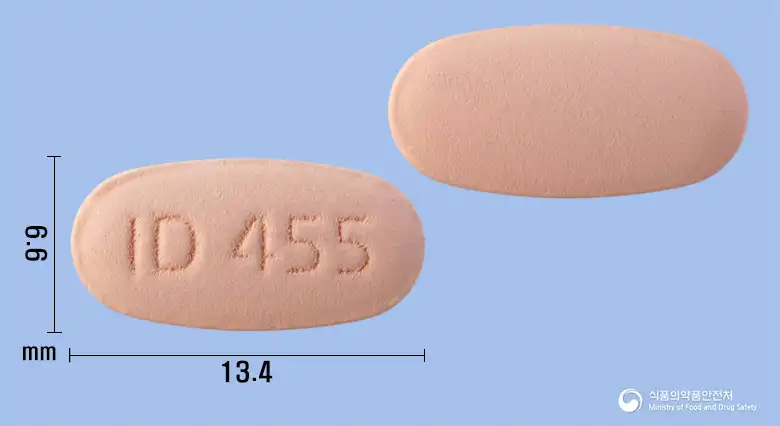 Combination
Telmisartan 40mg · Amlodipine Besylate 6.935mg +1 more
Tablet · Prescription medication · Combination
Ildong Pharmaceutical Co., Ltd.
Telmisartan 80mg · Amlodipine Besylate 13.87mg +1 more
Tablet · Prescription medication · Combination
Ildong Pharmaceutical Co., Ltd.
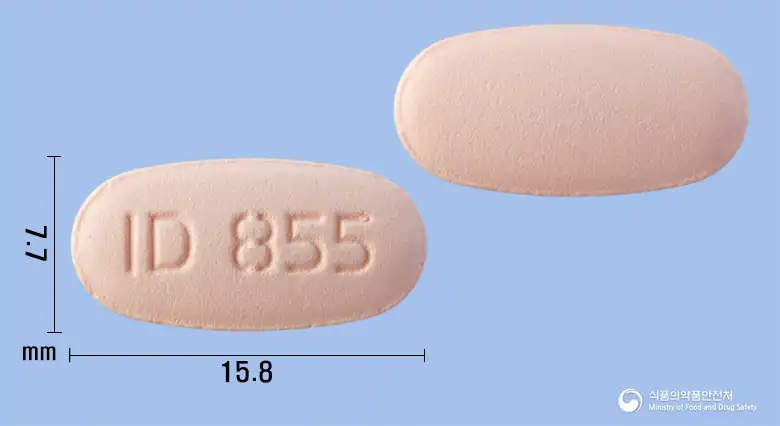 Combination
Telmisartan 80mg · Amlodipine Besylate 6.935mg +1 more
Tablet · Prescription medication · Combination
Il Dong Pharmaceutical Co., Ltd.
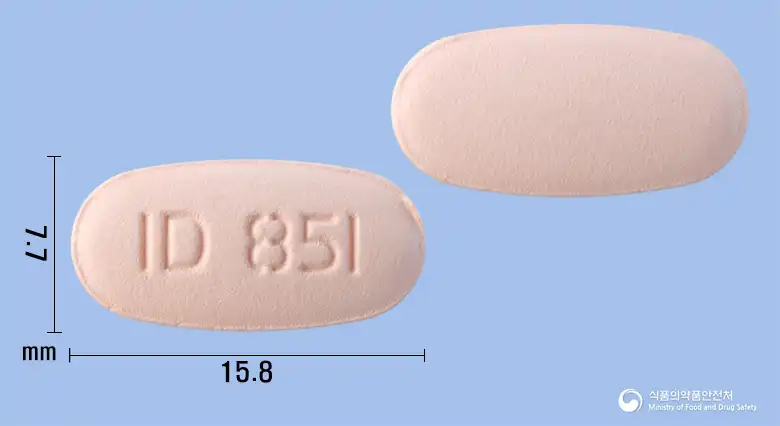 Combination
Telmisartan 80mg · Amlodipine Besylate 6.935mg +1 more
Tablet · Prescription medication · Combination
Ildong Pharmaceutical Co., Ltd.
Telmisartan 80mg · Amlodipine Besylate 13.87mg +1 more
Tablet · Prescription medication · Combination
Ildong Pharmaceutical Co., Ltd.
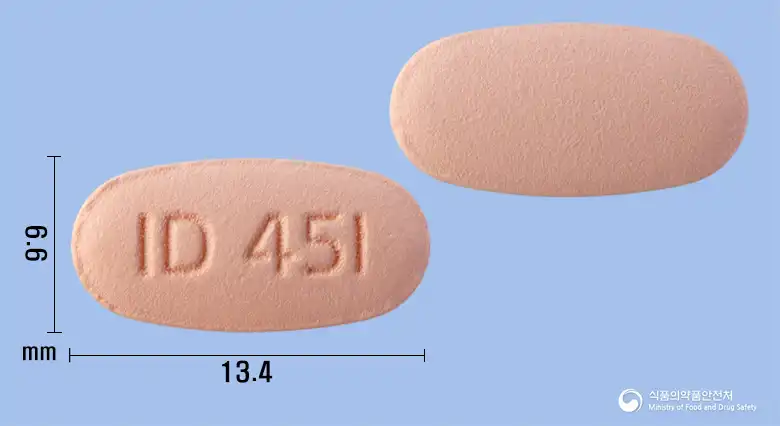 Combination
Telmisartan 40mg · Amlodipine Besylate 6.935mg +1 more
Tablet · Prescription medication · Combination
Ildong Pharmaceutical Co., Ltd.
 Combination
Telmisartan 40mg · Amlodipine Besylate 6.935mg +1 more
Tablet · Prescription medication · Combination
Daewon Pharmaceutical Co., Ltd.
Even with the same ingredient, the dose and directions can differ by strength and dosage form. Talk to a doctor or pharmacist before switching from a medication you are already taking.
No questions yet.
For anything that needs medical judgment, consult a doctor or pharmacist.
This drug information is based on data provided by the Korea Ministry of Food and Drug Safety.
Consult a doctor or pharmacist for accurate dosage, administration, and usage instructions.