
 한국어
 English
 日本語
 中文(简体)
Dosage form image
Viewing nowSamsung R-Tiocotic Acid Tablet (R-Tiocotic Acid Trometamol)
R-Thioctic Acid Tromethamine
Prescription medication
Samsung Pharmaceutical Co., Ltd.
MFDS item code 201802195 · Approved 2018.05.28
This product's status changed to Expired on 2023.05.28. It may no longer be sold, so consult a doctor or pharmacist before taking it.
Relief of diabetic polyneuritis
This medication helps relieve pain and sensory disturbances caused by diabetic peripheral neuropathy. It alleviates symptoms related to nerve damage and improves the quality of life for patients. This medication protects nerve function and prevents the worsening of symptoms. It is used to treat nerve-related issues caused by diabetes.
Adults take 480 milligrams of thioctic acid tromethamine salt once daily with plenty of water, approximately 30 minutes before breakfast.
This medication should not be used in patients with hypersensitivity to R-Tiocotic Acid Trometamol, Thioctic Acid, or other excipients. When taking this medication, symptoms such as sensory disturbances, pain, headaches, constipation, abdominal discomfort, dry mouth, coughing, cystitis, diarrhea, and a burning sensation may occur, and rarely, serious adverse reactions such as nephrolithiasis may also happen. Some patients have reported symptoms such as dry mouth, myalgia, nausea, loss of appetite, arthralgia, palpitations, and insomnia. This medication can lead to the onset and worsening of neuropathic symptoms when taken with habitual alcohol consumption, so patients with diabetic peripheral neuropathy should avoid alcohol intake. This medication can form insoluble complexes in the body when taken together with iron, magnesium preparations, or milk, so they should not be taken together, and it is necessary to have an interval between doses. Additionally, when used with insulin or other oral hypoglycemic agents, the blood sugar-lowering effect may be increased, so blood glucose levels should be monitored periodically, and symptoms of hypoglycemia should be noted. Pregnant or breastfeeding women should carefully consider the benefits and risks of this medication and use it under the judgment of a physician, and it should not be used in children under 18 as safety has not been established. In case of overdose, severe toxic symptoms and systemic seizures, lactic acidosis, etc., may arise, so immediate hospital visit for appropriate treatment is necessary. This medication should be stored in a tightly sealed container to prevent air or moisture exposure, and it is safe to keep it at room temperature between 1 to 30 degrees Celsius. Proper storage will help maintain the medication’s effectiveness for a longer period.
Not everyone experiences these, and they can vary from person to person.
This medication should be stored in a tightly sealed container to prevent air and moisture exposure, and it is safe to store it at room temperature between 1 to 30 degrees Celsius. Proper storage will help maintain the medication’s effectiveness for a longer period.
Light green rectangular film-coated tablet
30 tablets/bottle, 100 tablets/bottle
Even with the same ingredient, strength, dosage form and how it is taken can differ.
R-Thioctic Acid Tromethamine
Prescription medication
Samsung Pharmaceutical Co., Ltd.
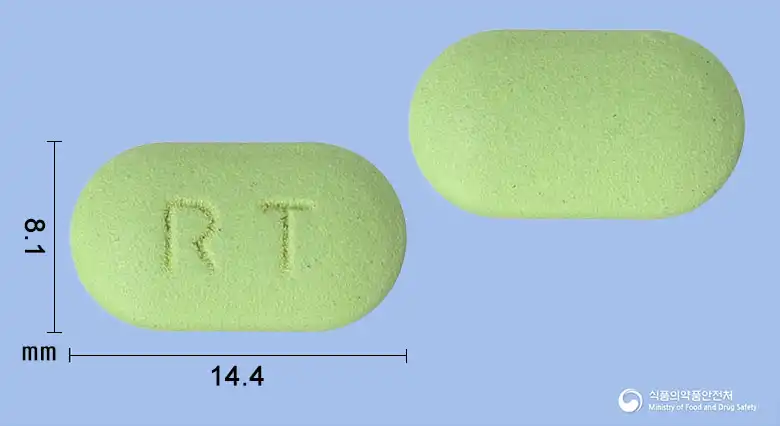
R-Thioctic Acid Tromethamine 480mg
Tablet · Prescription medication
Bukwang Pharmaceutical Co., Ltd.
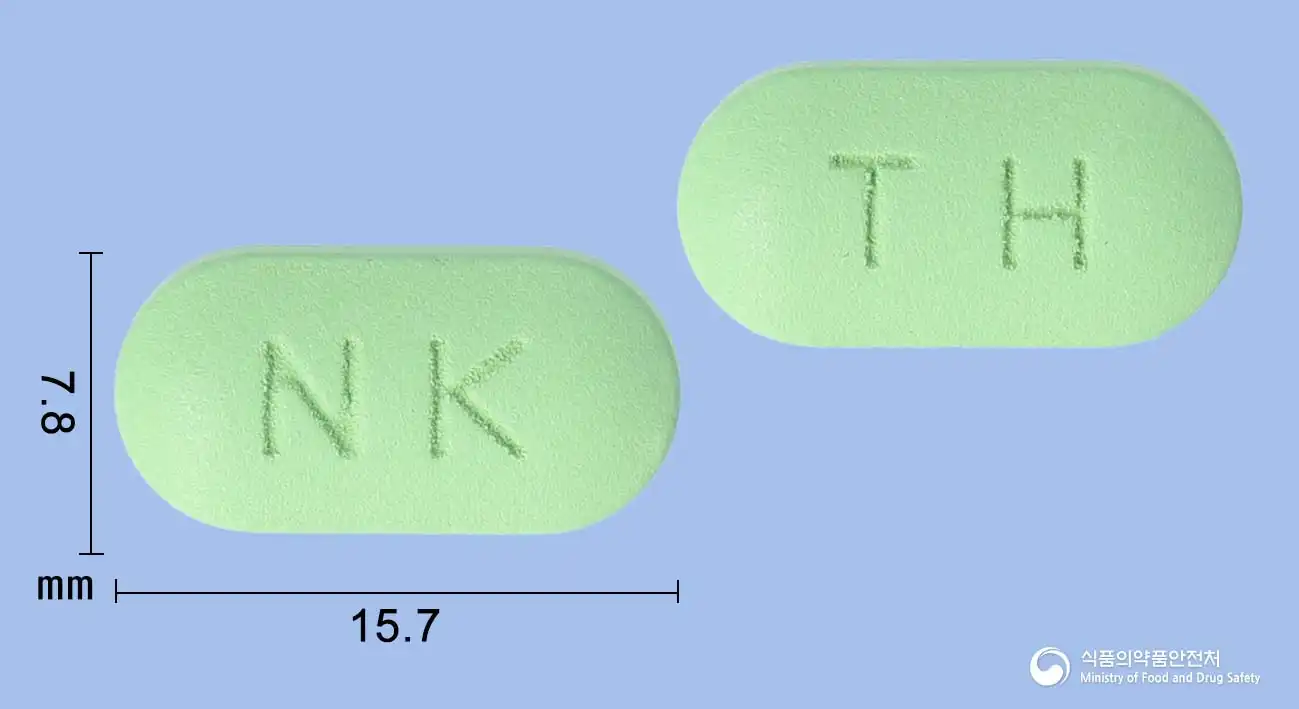
R-Thioctic Acid Tromethamine 480mg
Tablet · Prescription medication
NexPharm Korea Co., Ltd.
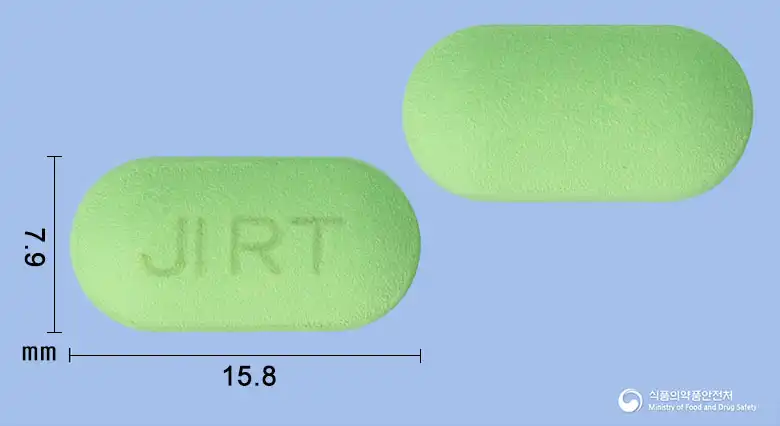
R-Thioctic Acid Tromethamine 480mg
Tablet · Prescription medication
Jeil Pharmaceutical Co., Ltd.
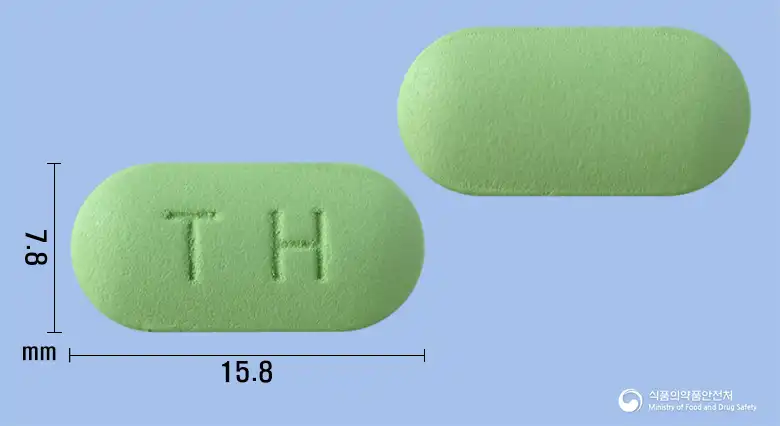
R-Thioctic Acid Tromethamine 480mg
Tablet · Prescription medication
Korea Prime Pharm, Co., Ltd.
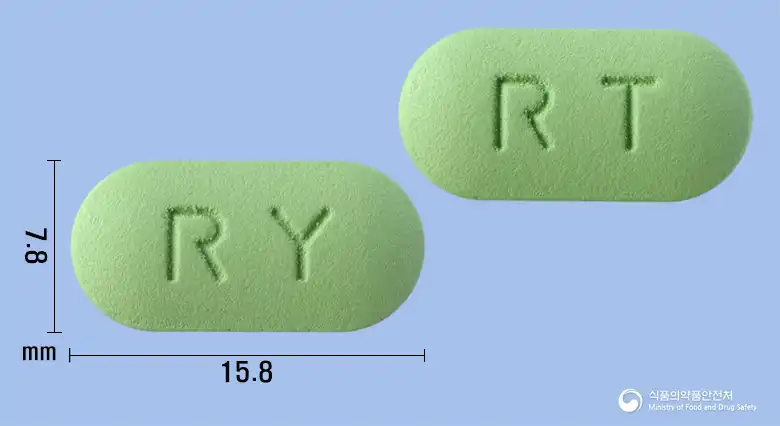
R-Thioctic Acid Tromethamine 480mg
Tablet · Prescription medication
IYON Pharmaceutical Co., Ltd.
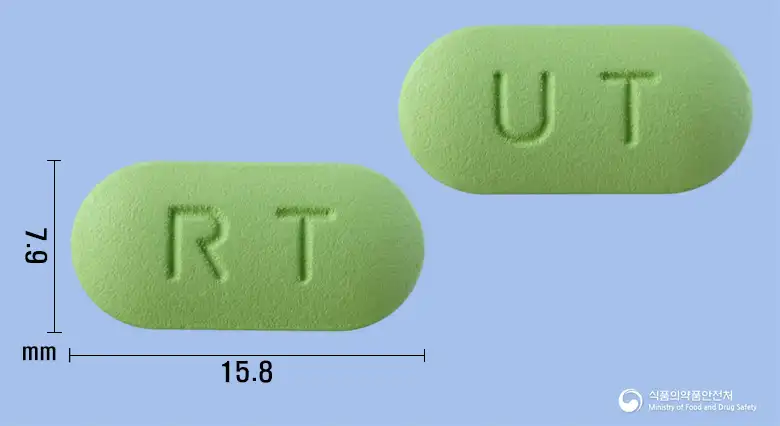
R-Thioctic Acid Tromethamine 480mg
Tablet · Prescription medication
Korea United Pharmaceutical Co., Ltd.
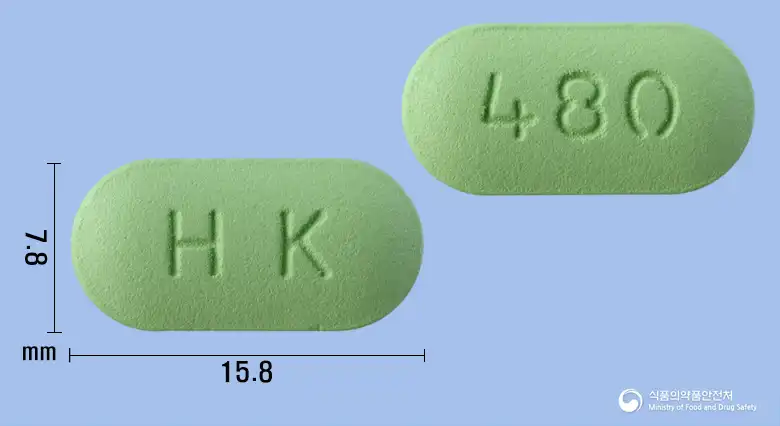
R-Thioctic Acid Tromethamine 480mg
Tablet · Prescription medication
Korea Chorus Co., Ltd.
Even with the same ingredient, the dose and directions can differ by strength and dosage form. Talk to a doctor or pharmacist before switching from a medication you are already taking.
No questions yet.
For anything that needs medical judgment, consult a doctor or pharmacist.
This drug information is based on data provided by the Korea Ministry of Food and Drug Safety.
Consult a doctor or pharmacist for accurate dosage, administration, and usage instructions.