
 한국어
한국어 English
 日本語
日本語 中文(简体)
Dosage form image
Viewing nowCoplag 100 mg (Sarpogrelate Hydrochloride)
Sarpogrelate Hydrochloride
Prescription medication
Kolon Pharmaceutical Co., Ltd.
MFDS item code 201802176 · Approved 2018.05.25
This product's status changed to Expired on 2023.05.25. It may no longer be sold, so consult a doctor or pharmacist before taking it.
Improvement of ischemic symptoms in chronic arterial occlusive disease (ulcers, pain, etc.)
Used to improve ischemic symptoms such as ulcers, pain, and cold sensations caused by chronic arterial occlusive disease, Buerger's disease, occlusive atherosclerosis, and diabetic peripheral vascular disease.
As Sarpogrelate Hydrochloride, the usual adult dose is 100 mg taken orally three times a day after meals. The dose may be appropriately adjusted according to age and symptoms.
This medication should not be used in patients with bleeding, as it may exacerbate bleeding. It is safest not to use this medication in women who are pregnant or may become pregnant. Women during menstruation or those with a tendency to bleed should use this medication cautiously as the risk of bleeding may increase. Patients taking anticoagulants or antiplatelet agents may be at higher risk for bleeding, thus caution is needed. Patients with severely impaired renal function should use this medication carefully, as it may affect the excretion of the drug. During treatment with this medication, side effects such as liver dysfunction, rash, gastrointestinal symptoms, palpitations, drowsiness, renal abnormalities, blood abnormalities, and bleeding may occur; if symptoms appear, consult a doctor immediately. It is advisable to undergo regular blood tests to check for adverse reactions. This medication may increase the risk of bleeding when taken with other anticoagulants or antiplatelet agents, so caution should be exercised during co-administration. Pregnant or lactating women are advised to avoid this medication, and if it must be used, it is preferable to discontinue breastfeeding. The safety of this medication in children has not been established, so use should be carefully considered. Elderly patients may have decreased liver and kidney function, so they should start at a lower dose and be closely monitored.
Hives, severe swelling (edema), chest tightness, difficulty breathing → severe allergic reaction. Liver dysfunction and jaundice → liver abnormalities (jaundice). Gastrointestinal bleeding (hematemesis and melena, etc.), cerebral hemorrhage, nasal bleeding, subcutaneous bleeding → severe edema or urinary abnormalities. Shortness of breath, chest pain → respiratory problems. Paralysis → severe neurological symptoms.
Not everyone experiences these, and they can vary from person to person.
This medication should be stored in a tightly sealed container to prevent exposure to air and moisture. It is best to maintain a storage temperature between 1 degree and 30 degrees Celsius.
White, round, film-coated tablet with a score line
30 tablets/bottle, 100 tablets/bottle
Even with the same ingredient, strength, dosage form and how it is taken can differ.
Sarpogrelate Hydrochloride
Prescription medication
Kolon Pharmaceutical Co., Ltd.
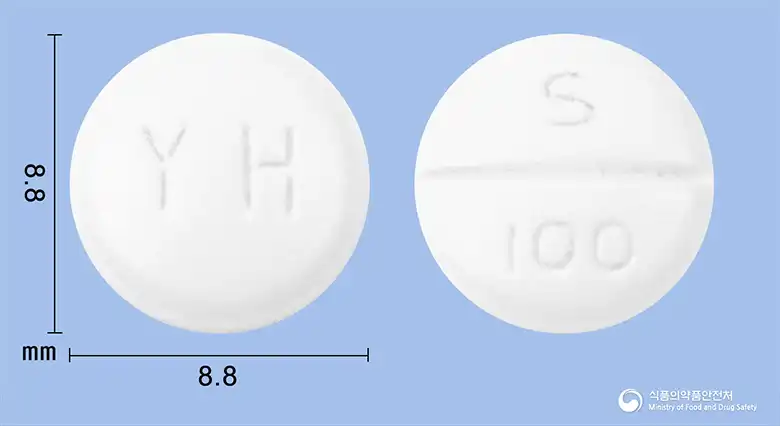
Sarpogrelate Hydrochloride 100mg
Tablet · Prescription medication
Yuhan Corporation
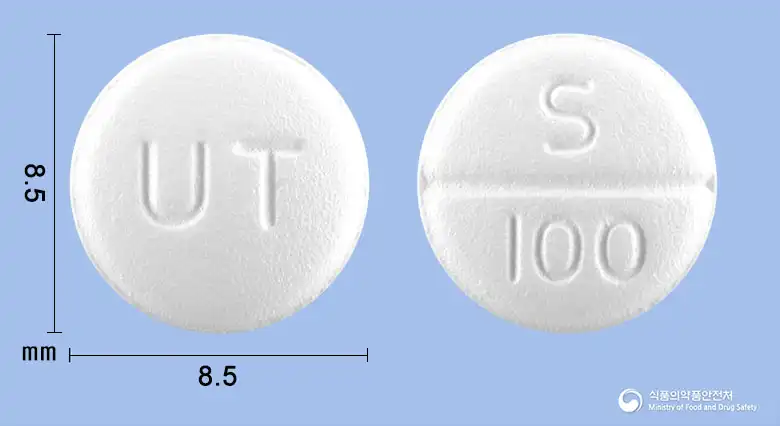
Sarpogrelate Hydrochloride 100mg
Tablet · Prescription medication
Korea United Pharmaceutical Co., Ltd.
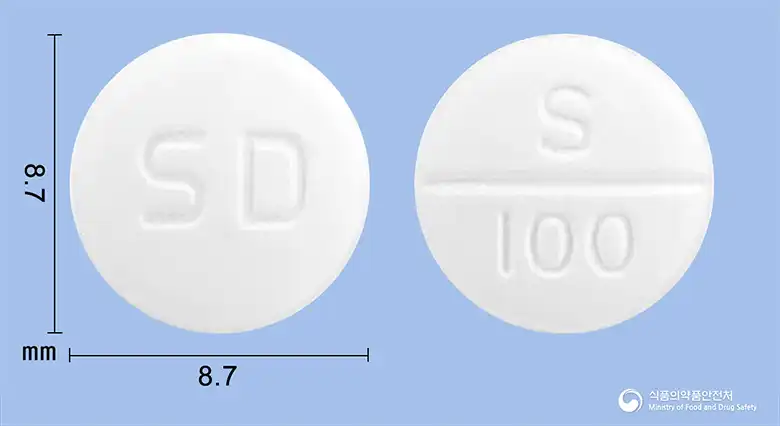
Sarpogrelate Hydrochloride 100mg
Tablet · Prescription medication
(Co., Ltd.) Pharmgen Science
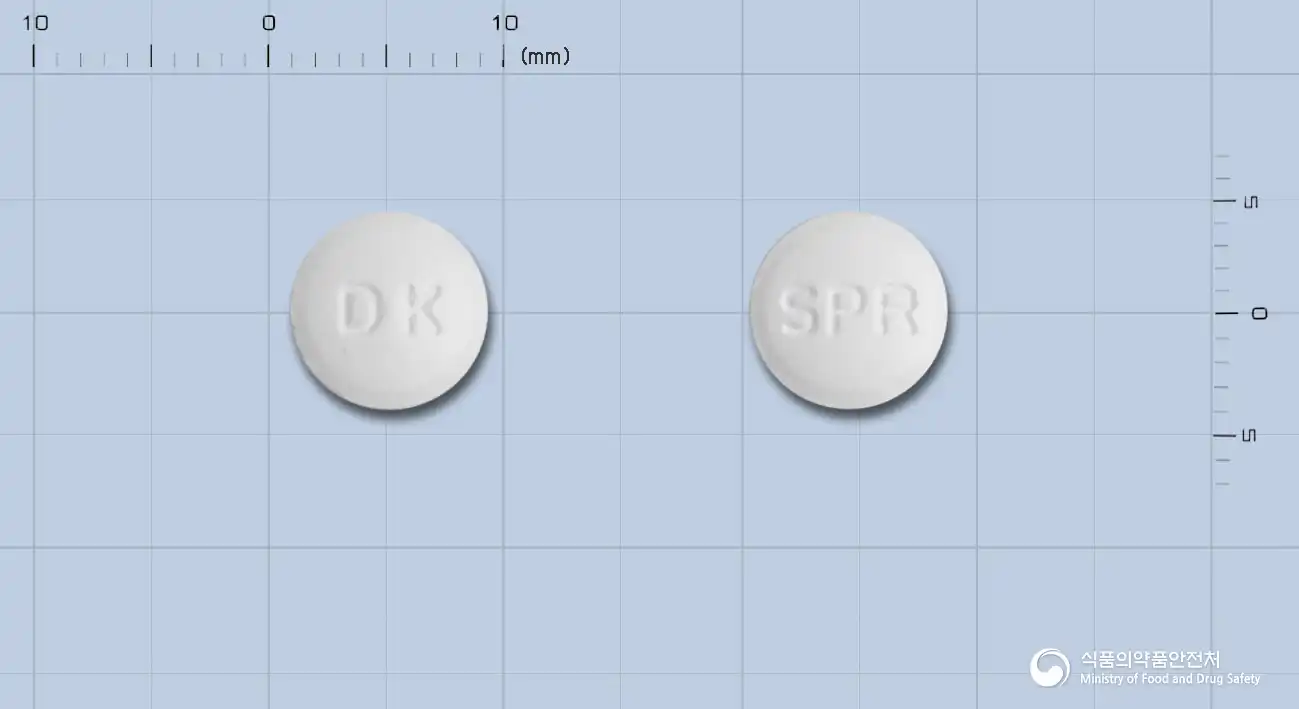
Sarpogrelate Hydrochloride 100mg
Tablet · Prescription medication
Dongkook Pharmaceutical Co., Ltd.
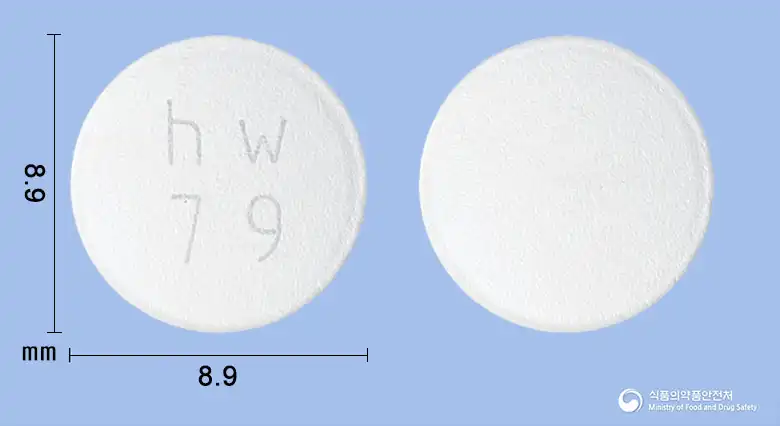
Sarpogrelate Hydrochloride 100mg
Tablet · Prescription medication
Haewon Pharmaceutical Co., Ltd.
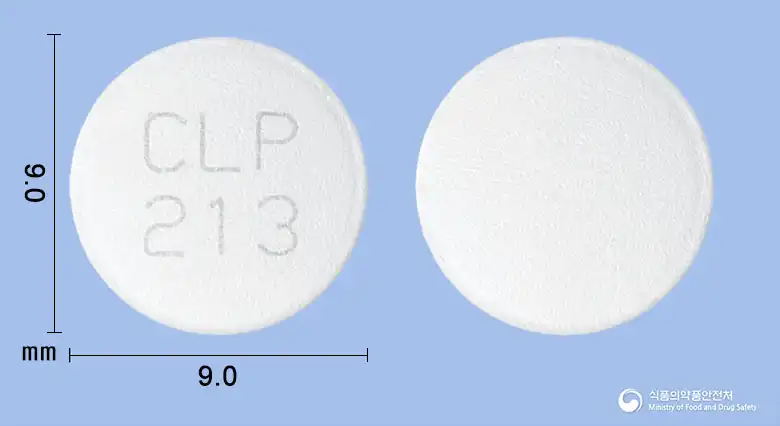
Sarpogrelate Hydrochloride 100mg
Tablet · Prescription medication
Celltrion Pharmaceutical Co., Ltd.
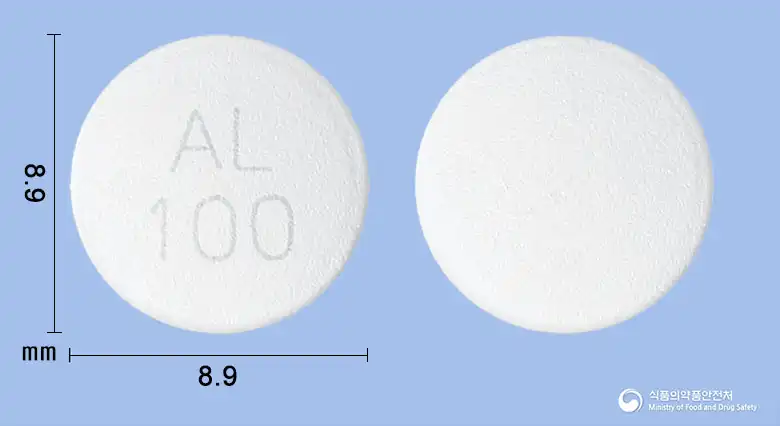
Sarpogrelate Hydrochloride 100mg
Tablet · Prescription medication
Allico Pharmaceuticals Co., Ltd.
Even with the same ingredient, the dose and directions can differ by strength and dosage form. Talk to a doctor or pharmacist before switching from a medication you are already taking.
No questions yet.
For anything that needs medical judgment, consult a doctor or pharmacist.
This drug information is based on data provided by the Korea Ministry of Food and Drug Safety.
Consult a doctor or pharmacist for accurate dosage, administration, and usage instructions.