
 한국어
한국어 English
 日本語
日本語 中文(简体)
 Viewing now
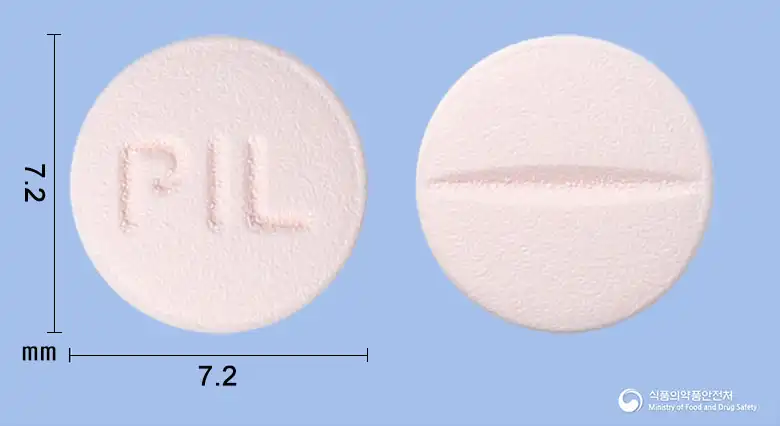
Pitavaron Tablets (Pitavastatin Calcium)
Pitavastatin Calcium 2mg
Tablet · Prescription medication
Dongkuk Pharmaceutical Co., Ltd.
MFDS item code 201802146 · Approved 2018.05.23 · Insurance code 653404040
Improvement of hypercholesterolemia and dyslipidemia
This medication lowers total cholesterol, LDL cholesterol, apolipoprotein B, and triglyceride levels in patients with primary hypercholesterolemia and mixed dyslipidemia while raising HDL cholesterol levels. It is effective when used in conjunction with dietary measures and aids in the management of dyslipidemia. In other words, it is a medication that contributes to the prevention of cardiovascular diseases by improving blood lipid levels.
For adults, 1 to 2 milligrams of pitavastatin calcium is taken once a day. If LDL cholesterol levels are not sufficiently lowered, the dosage may be increased up to 4 milligrams per day. Dosage adjustments should be made appropriately with intervals of at least 4 weeks.
This medicine should not be used by individuals who have had allergic reactions to specific components. Patients with impaired liver function or persistently high liver enzyme levels of unclear origin should not take this medication. Individuals with severe liver disorders, bile duct obstruction, or cholestasis should avoid this medicine as well. It should not be used concomitantly by those taking the medication cyclosporine. Patients with myopathy, those who are pregnant or may become pregnant, and nursing mothers should not take this medication. Safety and efficacy have not been established in children, so it should not be used in that population. Additionally, individuals with lactose intolerance or certain genetic disorders should not use this medication. Patients with impaired kidney function should be cautious, as muscle damage and deterioration in kidney function may occur when this medication is used with other specific drugs. Those with poor liver function or excessive alcohol consumption, hypothyroidism, or genetic muscle diseases should use this medication carefully. Special attention is needed for elderly patients and those with severe muscular dystrophy when taking this medication. Various side effects such as muscle pain, weakness, abdominal pain, rash, itching, etc., may occur during treatment; therefore, patients should consult medical professionals immediately if they experience symptoms. Particularly, if muscle-related symptoms or liver dysfunction are suspected, treatment should be discontinued and laboratory tests should be performed. This medication can cause elevated liver enzyme and muscle enzyme levels in blood tests, thereby necessitating regular examinations. There may be drug interactions with this medication that can increase the risk of side effects when taken with certain other drugs; hence, patients must inform their healthcare provider about the medications they are taking. Elderly patients may experience side effects more easily due to decreased bodily function, and dosage adjustments may be needed. Pregnant or breastfeeding women should not take this medication as it may harm the fetus or baby. This medicine has not been proven safe for children, so it should not be used. Medicines should be stored out of reach of children, and it is important to keep them in their original containers instead of transferring to different ones.
Hives, severe swelling (edema), chest tightness, difficulty breathing, cold sweat, pallor, severe rash along with fever, blistering, skin peeling, pain in mouth/eye mucosa, shortness of breath or difficulty breathing, asthma attack, respiratory abnormalities with cough and fever, yellowing of the skin or eyes (jaundice), extreme fatigue, sudden and severe headache, thunderclap headache, seizures, altered consciousness, vision problems, paralysis, urination.
Not everyone experiences these, and they can vary from person to person.
This medicine should be stored in a tightly closed container that can block light, at a temperature between 1 and 30 degrees Celsius at room temperature. Proper storage helps maintain the efficacy of the medication and prevents degradation.
Very light yellowish-red round film-coated tablet
30 tablets/bottle, 100 tablets/bottle
Even with the same ingredient, strength, dosage form and how it is taken can differ.
Viewing nowPitavastatin Calcium 2mg
Tablet · Prescription medication
Dongkuk Pharmaceutical Co., Ltd.
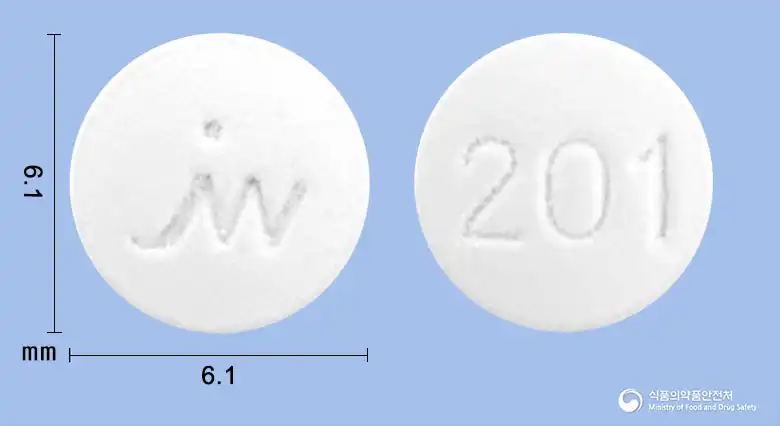
Pitavastatin Calcium Hydrate 1mg
Tablet · Prescription medication
JW Pharmaceutical Corporation
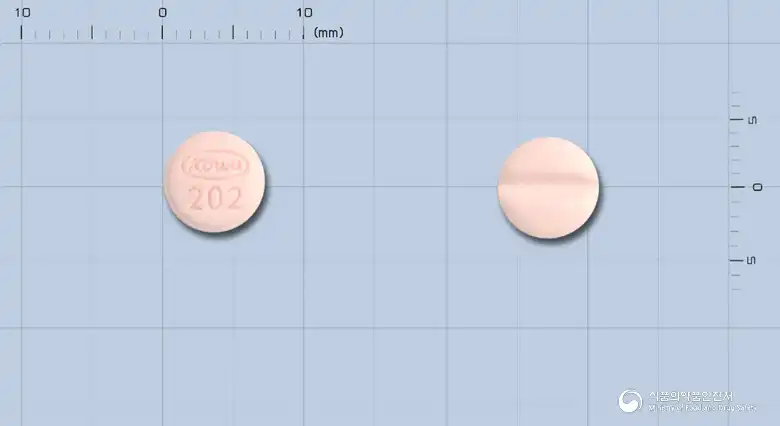
Pitavastatin Calcium Hydrate 2mg
Tablet · Prescription medication
JW Pharmaceutical Corporation
Pitavastatin Calcium 2mg
Tablet · Prescription medication
Youngjin Pharmaceutical Co., Ltd.
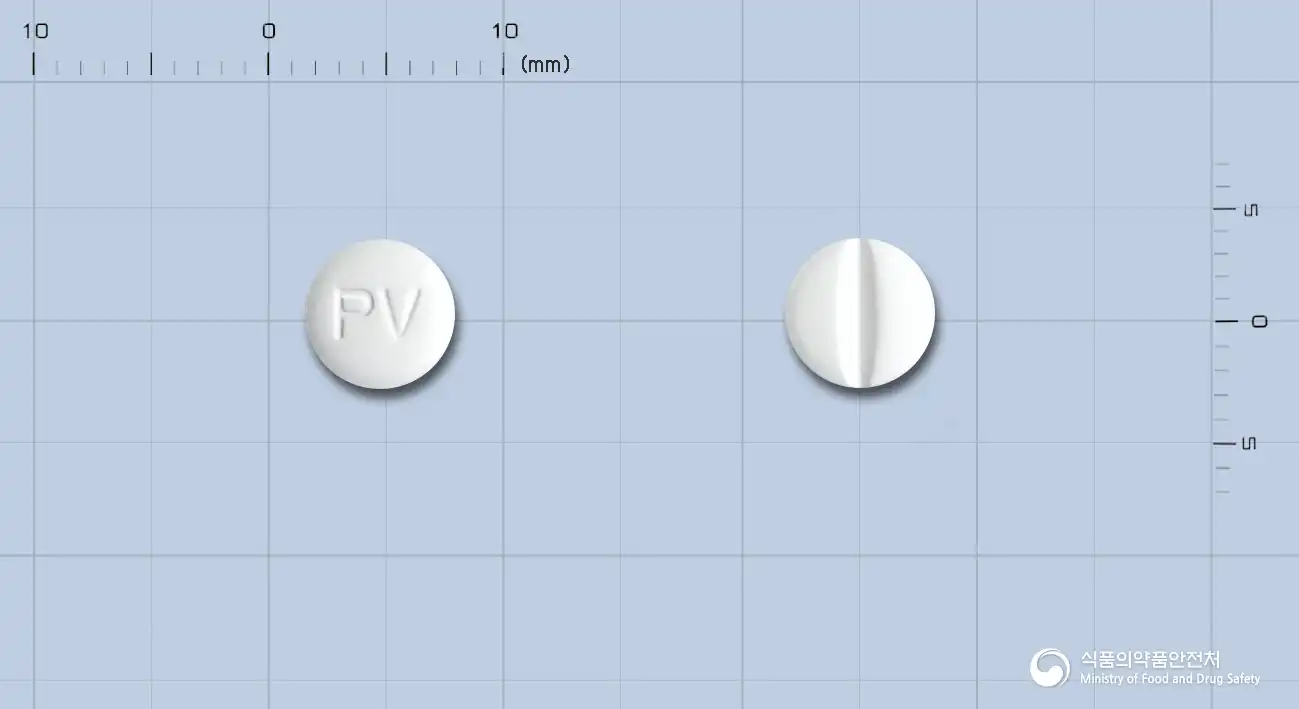
Pitavastatin Calcium 2mg
Tablet · Prescription medication
Samchundang Pharmaceutical Co., Ltd.
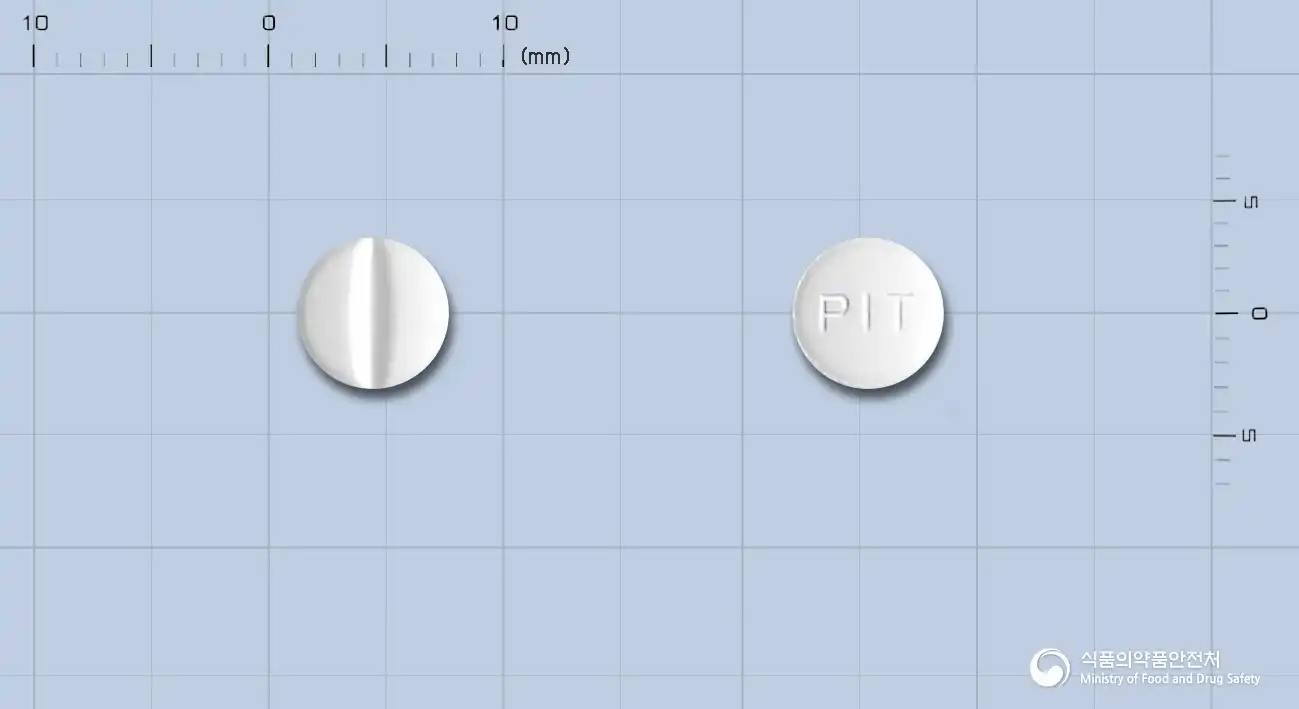
Pitavastatin Calcium 2mg
Tablet · Prescription medication
Daewon Pharmaceutical Co., Ltd.
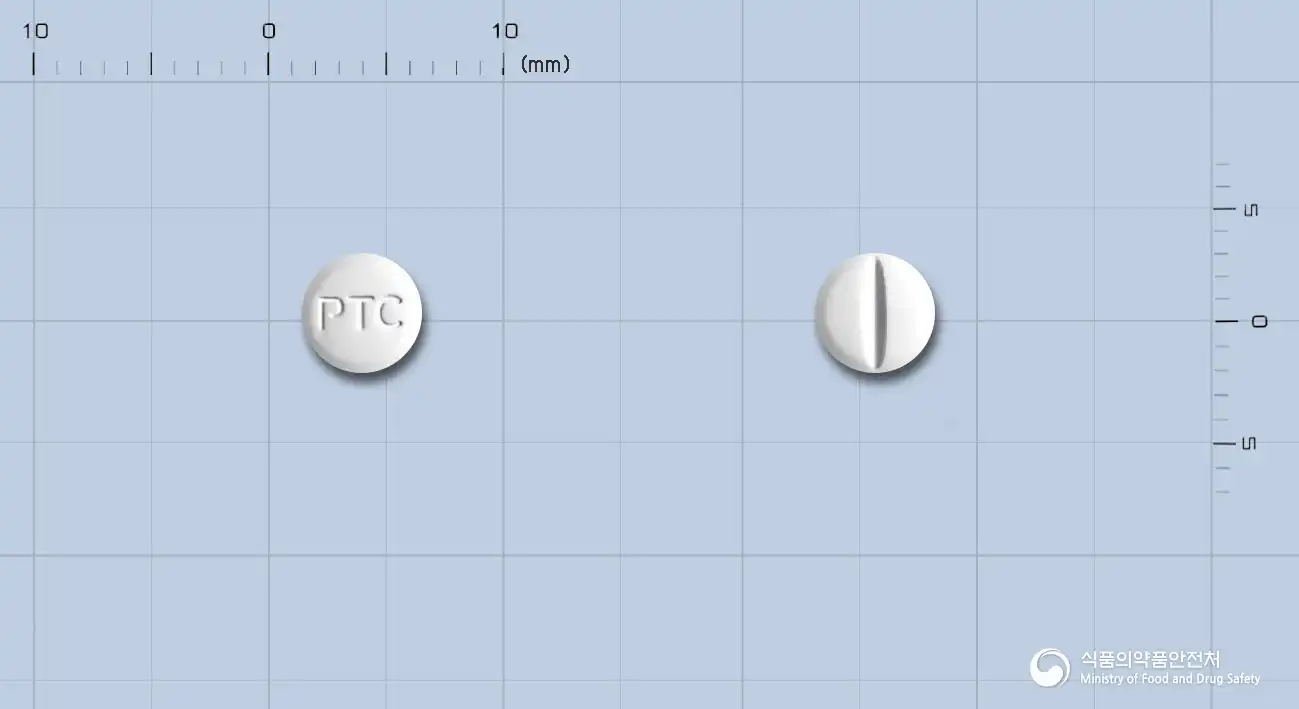
Pitavastatin Calcium 2mg
Tablet · Prescription medication
Samnam Pharmaceutical Co., Ltd.
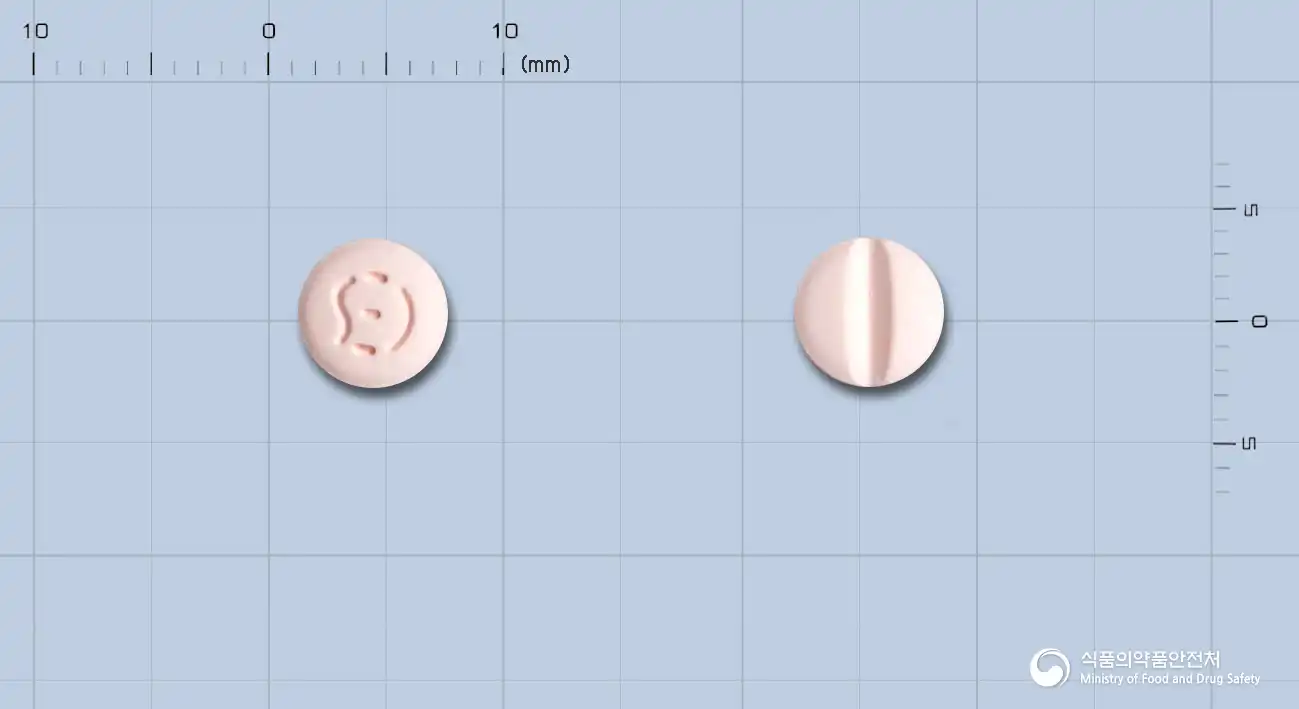
Pitavastatin Calcium 2mg
Tablet · Prescription medication
Seoul Pharmaceutical Co., Ltd.
Even with the same ingredient, the dose and directions can differ by strength and dosage form. Talk to a doctor or pharmacist before switching from a medication you are already taking.
No questions yet.
For anything that needs medical judgment, consult a doctor or pharmacist.
This drug information is based on data provided by the Korea Ministry of Food and Drug Safety.
Consult a doctor or pharmacist for accurate dosage, administration, and usage instructions.