
 한국어
 English
 日本語
 中文(简体)
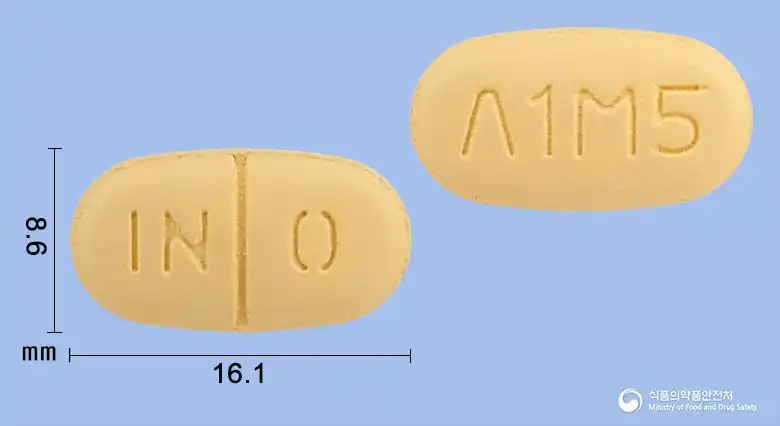 Viewing nowCombination
Atomet Extended-Release Tablets 10/500 mg
Metformin Hydrochloride 500mg · Atorvastatin Calcium Hydrate 10.85mg
Tablet · Prescription medication · Combination
HK inno.N Co., Ltd.
MFDS item code 201801998 · Approved 2018.05.10 · Insurance code 640007260
Substitution therapy for patients requiring concomitant administration of both ingredients
This medication is used for patients who need to receive metformin hydrochloride and atorvastatin calcium hydrate simultaneously as a combined substitution therapy.
This medicine is administered to adults only once daily with the evening meal. For patients taking metformin hydrochloride and atorvastatin calcium hydrate as separate products concomitantly, switch to this medicine (a combination product containing the same amount of each active ingredient) for convenience of administration. The safety and efficacy of this medicine have been established at doses of metformin hydrochloride 1500mg and atorvastatin 40mg.
This medication may rarely cause metabolic abnormalities such as severe lactic acidosis; therefore, any symptoms should be reported to medical personnel immediately. When used in combination with other diabetes medications, there may be a risk of hypoglycemia, so blood glucose levels should be closely monitored. If muscle pain or any muscle-related abnormal symptoms occur, the medication should be discontinued immediately, and a physician should be consulted. In particular, prompt examination is necessary in cases of severe muscle pain or muscle weakness. This medication should not be used in patients with moderate or severe renal impairment or acute renal problems. Patients with unstable heart conditions, such as heart failure or acute myocardial infarction, should also avoid this medication. The administration of this medication should be temporarily suspended before and after examinations using iodinated contrast agents, and it may only be resumed once renal function has been confirmed to be normal. Patients with allergies to the ingredients of this medication or certain metabolic disorders should avoid taking it. Pregnant women, women who may become pregnant, and nursing mothers should not use this medication. This medication has not been confirmed to be safe for children, especially for those under 10 years of age, and should not be administered. Excessive alcohol consumption should be avoided as it increases the risk of side effects from this medication, and caution is also needed with intense exercise or irregular dietary habits. Regular liver and kidney function tests should be conducted to detect any abnormalities early, and dosage adjustments or discontinuation of the medication should be made as necessary. There may be interactions with other medications; therefore, all medications being taken should be reported to healthcare providers, and careful observation is required. This medication may cause side effects such as gastrointestinal disturbances, muscle pain, and liver function abnormalities. If symptoms persist or worsen, a healthcare professional should be consulted immediately. When taking this medication, it is important to swallow the tablets whole without crushing or chewing them, and keep them out of reach of children.
Not everyone experiences these, and they can vary from person to person.
This medication should be stored in a tightly closed container to protect it from air and moisture, and it is recommended to keep it at a temperature between 1 and 30 degrees Celsius. Storing it this way will help maintain the efficacy and ensure safe use of the medication.
Light yellow, biconvex, egg-shaped film-coated tablets
7 tablets/bottle, 30 tablets/bottle
Even with the same ingredient, strength, dosage form and how it is taken can differ.
Viewing nowCombinationMetformin Hydrochloride 500mg · Atorvastatin Calcium Hydrate 10.85mg
Tablet · Prescription medication · Combination
HK inno.N Co., Ltd.
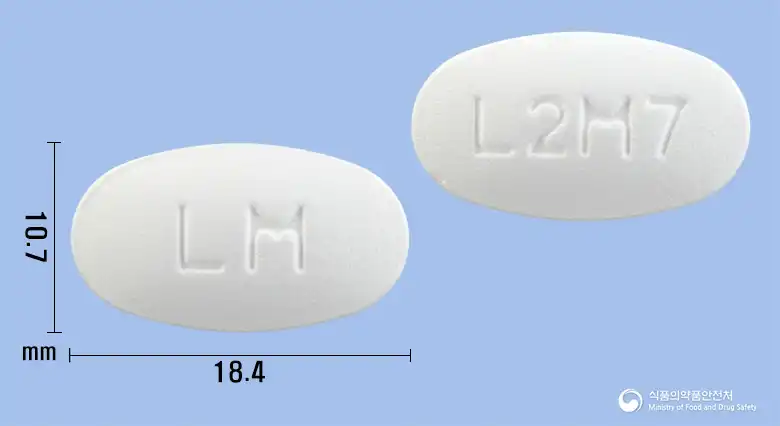 Combination
Metformin Hydrochloride 750mg · Atorvastatin Calcium Hydrate 21.7mg
Tablet · Prescription medication · Combination
Chaeil Pharmaceutical Co., Ltd.
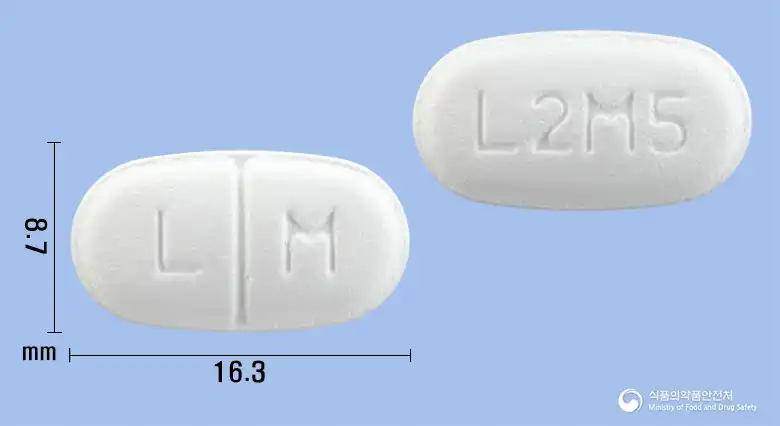 Combination
Metformin Hydrochloride 500mg · Atorvastatin Calcium Hydrate 21.7mg
Tablet · Prescription medication · Combination
Jeil Pharmaceutical Co., Ltd.
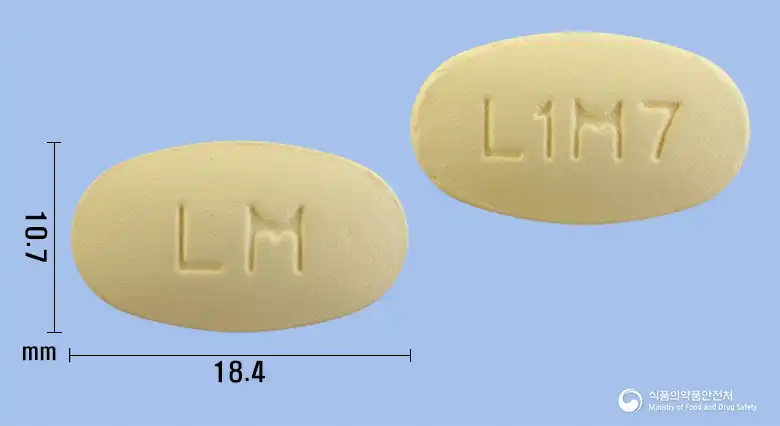 Combination
Metformin Hydrochloride 750mg · Atorvastatin Calcium Hydrate 10.85mg
Tablet · Prescription medication · Combination
Jeil Pharmaceutical Co., Ltd.
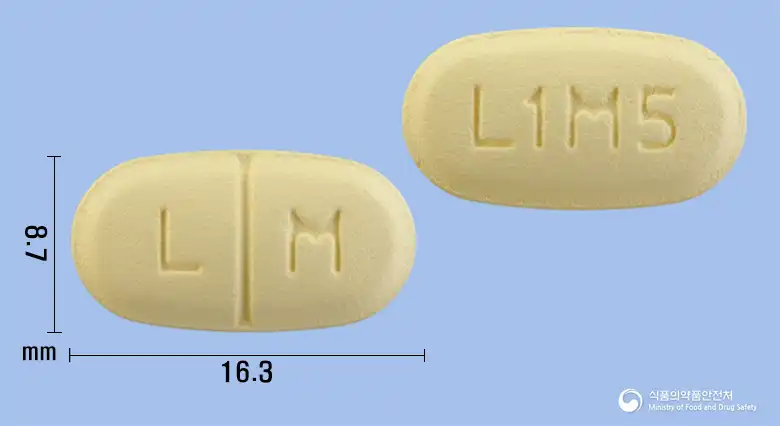 Combination
Metformin Hydrochloride 500mg · Atorvastatin Calcium Hydrate 10.85mg
Tablet · Prescription medication · Combination
Jeil Pharmaceutical Co., Ltd.
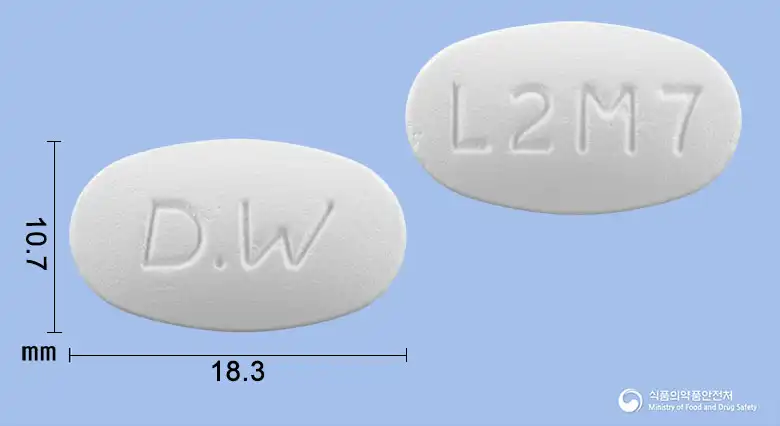 Combination
Metformin Hydrochloride 750mg · Atorvastatin Calcium Hydrate 21.7mg
Tablet · Prescription medication · Combination
Daewoong Pharmaceutical Co., Ltd.
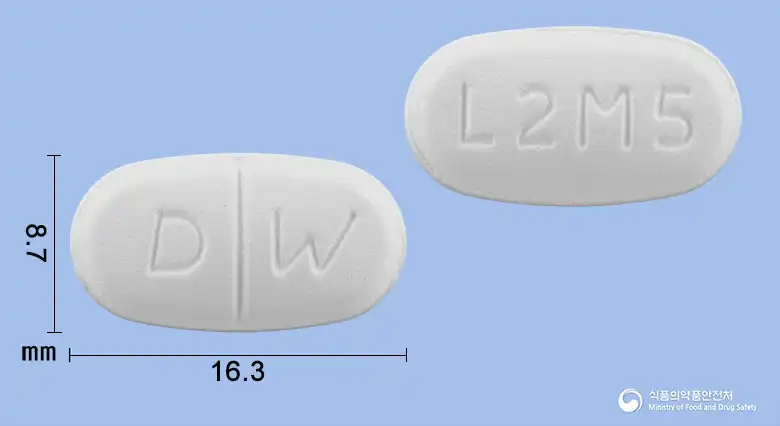 Combination
Metformin Hydrochloride 500mg · Atorvastatin Calcium Hydrate 21.7mg
Tablet · Prescription medication · Combination
Daewoong Pharmaceutical Co., Ltd.
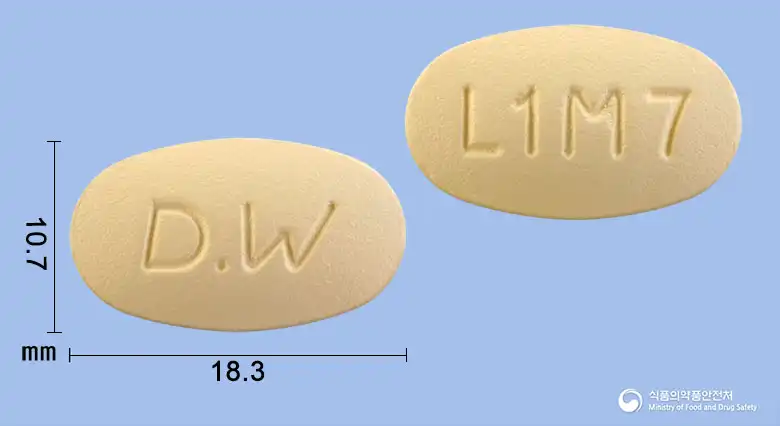 Combination
Metformin Hydrochloride 750mg · Atorvastatin Calcium Hydrate 10.85mg
Tablet · Prescription medication · Combination
Daiwon Pharmaceutical Co., Ltd.
Even with the same ingredient, the dose and directions can differ by strength and dosage form. Talk to a doctor or pharmacist before switching from a medication you are already taking.
No questions yet.
For anything that needs medical judgment, consult a doctor or pharmacist.
This drug information is based on data provided by the Korea Ministry of Food and Drug Safety.
Consult a doctor or pharmacist for accurate dosage, administration, and usage instructions.