
 한국어
 English
 日本語
 中文(简体)
 Viewing nowCombination
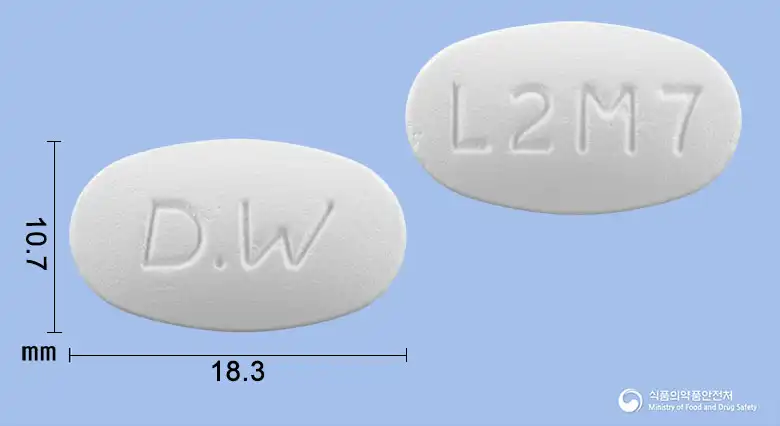
Lipimet Extended-release Tablet 20/750 mg
Metformin Hydrochloride 750mg · Atorvastatin Calcium Hydrate 21.7mg
Tablet · Prescription medication · Combination
Daewoong Pharmaceutical Co., Ltd.
MFDS item code 201801991 · Approved 2018.05.10
Substitution therapy for patients receiving concomitant metformin and atorvastatin
This medication is used for patients who require a combination therapy of Metformin Hydrochloride and Atorvastatin Calcium Hydrate. In other words, it can be effectively utilized when two medications need to be taken simultaneously.
This medication should be administered to adults only once daily with the evening meal. For convenience, patients taking metformin hydrochloride and atorvastatin calcium hydrate as separate medications in combination may be switched to this medication (a combination product containing the same amount of each active ingredient). The safety and efficacy of this medication have been established at doses of metformin hydrochloride 1500mg and atorvastatin 40mg.
This medication may rarely cause a serious condition called lactic acidosis, which has been reported to lead to death. Caution is required when used with other antidiabetic agents as severe hypoglycemia may occur. If symptoms related to muscles appear or muscle enzyme levels increase, this medication should be discontinued immediately. This medication should not be used in patients with severely impaired kidney function or in states such as acute heart failure and serious infections. Before and after tests using radiocontrast iodine agents, the administration of this medication should be temporarily stopped and resumed only after kidney function returns to normal. Patients with allergies to this drug or any of its components should not use it. It is also not administered to patients with Type 1 diabetes or those experiencing lactic acidosis or diabetic ketoacidosis. In cases of severe infection, trauma, or before and after surgery, the administration of this medication should be temporarily stopped, and it should be resumed only after the patient can eat normally and kidney function has recovered. Patients with extremely poor nutritional status or liver dysfunction, as well as women who are pregnant or breastfeeding, should not use this medication. The safety and efficacy of this drug have not been confirmed for children under 10 years of age, thus it is not administered. Regular monitoring of kidney function is necessary during the course of treatment to prevent drug accumulation and associated risks. Acute alcohol intoxication or excessive alcohol consumption may increase the risk of lactic acidosis, so it should be avoided. Do not crush or chew the tablets; swallow them whole, as taking them with food can reduce gastrointestinal disturbances. During treatment, if symptoms such as muscle pain, muscle weakness, fatigue, or fever occur, the healthcare provider should be informed immediately for evaluation. If taken with certain medications, drug interactions may occur, so it is essential to inform the healthcare provider of any other medications being taken. Women who are pregnant or may become pregnant should not take this medication and should use appropriate contraception during treatment. It is also recommended that breastfeeding women do not use this medication. Elderly patients are at higher risk of kidney function decline, necessitating dose adjustments and regular monitoring. In case of overdose, immediate medical attention is required, and blood dialysis might be necessary. Keep this medication out of reach of children and store it in its original container to maintain quality.
Severe lactic acidosis, severe hypoglycemia, significant increase in creatine kinase levels, myopathy, rhabdomyolysis, nausea, diarrhea, dyspepsia, epigastric pain, constipation, gastritis, gastrointestinal disorders, vomiting, irritable bowel syndrome, hypoglycemia, abnormal liver function, myalgia, lower abdominal pain, erosive gastritis, hemorrhoids, sensitive teeth, nasopharyngitis, upper respiratory tract infection, herpes simplex, liver abscess, chronic otitis media, fluid imbalance, hypomagnesemia, back pain, tendon rupture, benign prostatic hyperplasia, conjunctival injection, blurred vision, elevation of alanine aminotransferase, elevation of creatine phosphokinase, dizziness, facial spasms, hypertension, hypotension, fever, urgency, positional dizziness, tinnitus, dental implant, erythema, itching, urticaria, rash, weakness, fatigue, chest pain, peripheral edema, fatigue, fever, hyperglycemia, weight gain, anorexia, constipation, abdominal distension, nausea, postnasal pain, nosebleed, insomnia, nightmares, headache, paresthesia, sensory loss, dysgeusia, amnesia, peripheral neuropathy, arthralgia, limb pain, musculoskeletal pain, muscle cramps, joint swelling, neck pain, muscle fatigue, complications due to rupture, myositis, tendon disorders, muscle rupture, lupus-like syndrome, immune-mediated necrotizing myopathy, thrombocytopenia, allergic reactions, anaphylaxis, hepatitis, cholestasis, liver failure, visual impairment, hearing loss, hair loss, angioedema, vascular neurogenic edema, erythema multiforme, Stevens-Johnson syndrome, toxic epidermal necrolysis, gynecomastia, positive urinary leukocytes, vomiting, abdominal abnormalities, cholestasis, cholestatic jaundice, abnormal liver function test results, gastroenteritis, enteritis, dry mouth, rectal bleeding, esophagitis, belching, glossitis, oral ulcers, stomatitis, biliary colic, cheilitis, gastric duodenal ulcer, dysphagia, melena, gingival bleeding, fetal position, bronchitis, rhinitis, pneumonia, dyspnea, asthma, drowsiness, forgetfulness, abnormal dreams, decreased libido, emotional lability, ataxia, torticollis, facial paralysis, hyperactivity, depression, anxiety, myositis, muscle disease, arthritis, bursitis, tendinitis, myasthenia, tendon contracture, elevated serum myoglobin, itching, contact dermatitis, dry skin, sweating, acne, dermatitis, seborrhea, skin ulcers, erectile dysfunction, urinary tract infection, frequent urination, cystitis, hematuria, dysuria, kidney stones, nocturia, epididymitis, fibrocystic breast disease, vaginal bleeding, albuminuria, breast enlargement, cervical discharge, nephritis, urinary incontinence, urinary retention, urgency, abnormal ejaculation, uterine bleeding, pigmentation in urine, hypoglycemia, appetite stimulation, vasomotor edema, chest pain, angina pectoris, facial edema, neck stiffness, generalized edema, amblyopia, dry eyes, refractive disorders, ocular hemorrhage, hearing loss, glaucoma, pigmentation, loss of taste, taste disorder, leukopenia, anemia, decreased testosterone, increased cholinesterase, elevated TSH, elevated ACTH, decreased aldosterone, increased potassium, elevated BUN, cerebral infarction, palpitations, tachycardia
Not everyone experiences these, and they can vary from person to person.
This medication may be sensitive to air and moisture; therefore, it must be stored in a tightly sealed container. It is best to maintain storage temperatures between 1 degree and 30 degrees Celsius at room temperature to preserve its effectiveness.
White, oval-shaped film-coated tablet with a biconvex surface
7 tablets/bottle, 30 tablets/bottle
Even with the same ingredient, strength, dosage form and how it is taken can differ.
Viewing nowCombinationMetformin Hydrochloride 750mg · Atorvastatin Calcium Hydrate 21.7mg
Tablet · Prescription medication · Combination
Daewoong Pharmaceutical Co., Ltd.
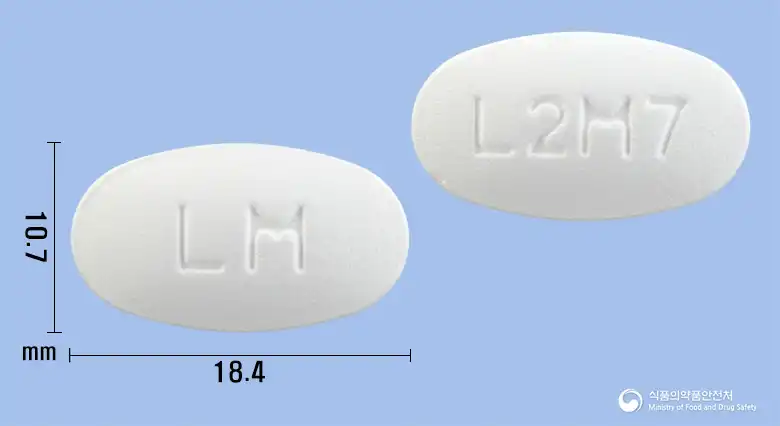 Combination
Metformin Hydrochloride 750mg · Atorvastatin Calcium Hydrate 21.7mg
Tablet · Prescription medication · Combination
Chaeil Pharmaceutical Co., Ltd.
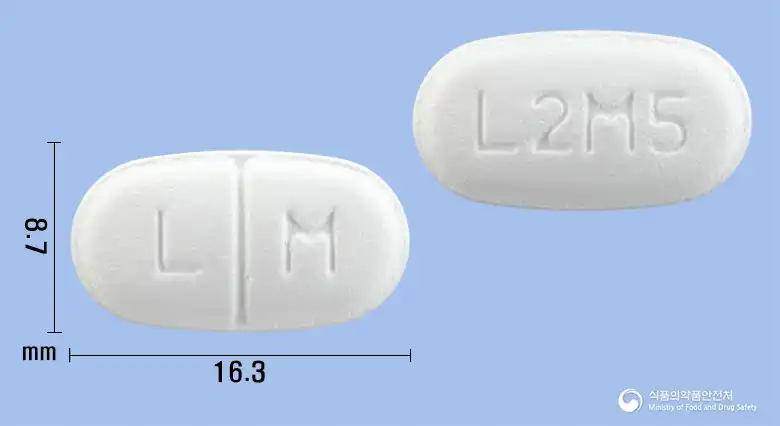 Combination
Metformin Hydrochloride 500mg · Atorvastatin Calcium Hydrate 21.7mg
Tablet · Prescription medication · Combination
Jeil Pharmaceutical Co., Ltd.
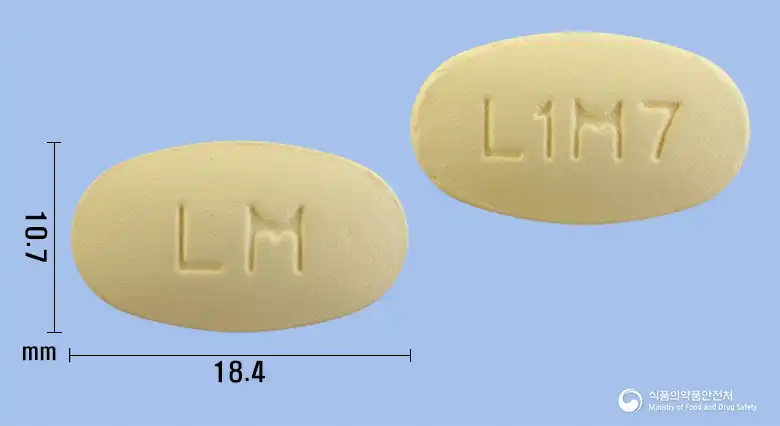 Combination
Metformin Hydrochloride 750mg · Atorvastatin Calcium Hydrate 10.85mg
Tablet · Prescription medication · Combination
Jeil Pharmaceutical Co., Ltd.
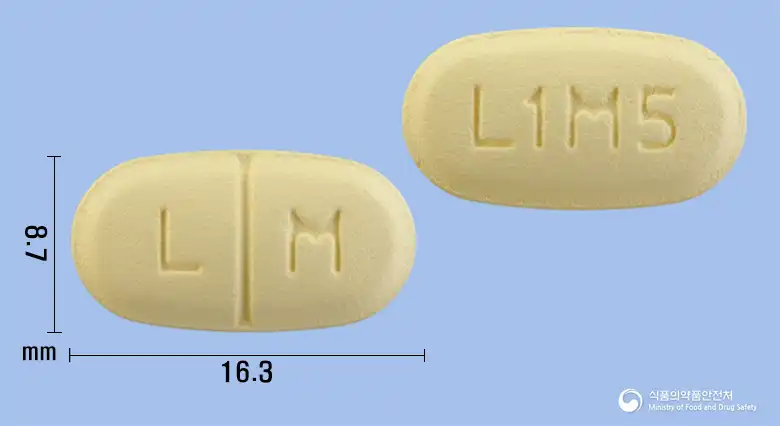 Combination
Metformin Hydrochloride 500mg · Atorvastatin Calcium Hydrate 10.85mg
Tablet · Prescription medication · Combination
Jeil Pharmaceutical Co., Ltd.
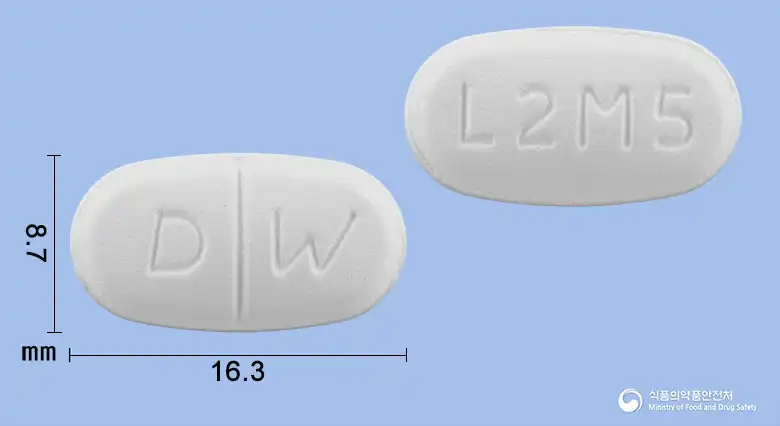 Combination
Metformin Hydrochloride 500mg · Atorvastatin Calcium Hydrate 21.7mg
Tablet · Prescription medication · Combination
Daewoong Pharmaceutical Co., Ltd.
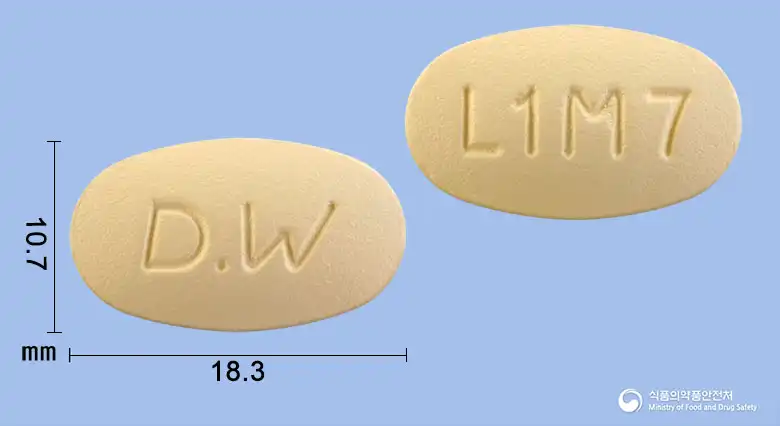 Combination
Metformin Hydrochloride 750mg · Atorvastatin Calcium Hydrate 10.85mg
Tablet · Prescription medication · Combination
Daiwon Pharmaceutical Co., Ltd.
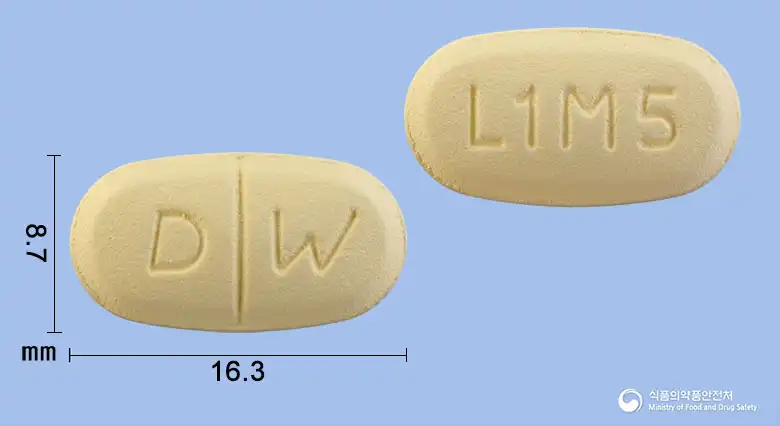 Combination
Metformin Hydrochloride 500mg · Atorvastatin Calcium Hydrate 10.85mg
Tablet · Prescription medication · Combination
Daewoong Pharmaceutical Co., Ltd.
Even with the same ingredient, the dose and directions can differ by strength and dosage form. Talk to a doctor or pharmacist before switching from a medication you are already taking.
No questions yet.
For anything that needs medical judgment, consult a doctor or pharmacist.
This drug information is based on data provided by the Korea Ministry of Food and Drug Safety.
Consult a doctor or pharmacist for accurate dosage, administration, and usage instructions.